Furniture Fabric
CN → US| HS Code | Tariff Rate | Origin | Destination | Doc |
|---|---|---|---|---|
| 6304996040 | 20.7% | CN | US | Official Doc |
| 6304920000 | 23.8% | CN | US | Official Doc |
| 5903102090 | 35.0% | CN | US | Official Doc |
| 5903202000 | 35.0% | CN | US | Official Doc |
| 5801360020 | 27.3% | CN | US | Official Doc |
| 5801260020 | 35.0% | CN | US | Official Doc |
Product Images
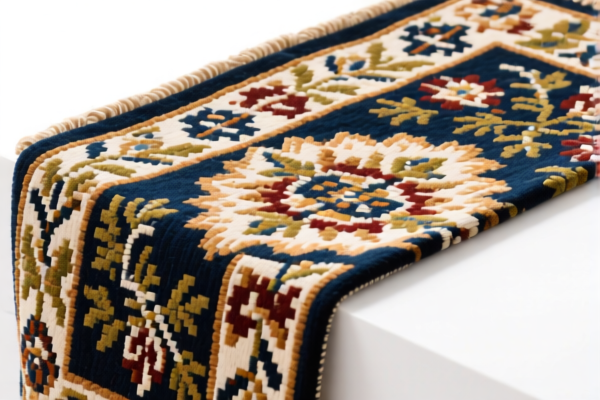
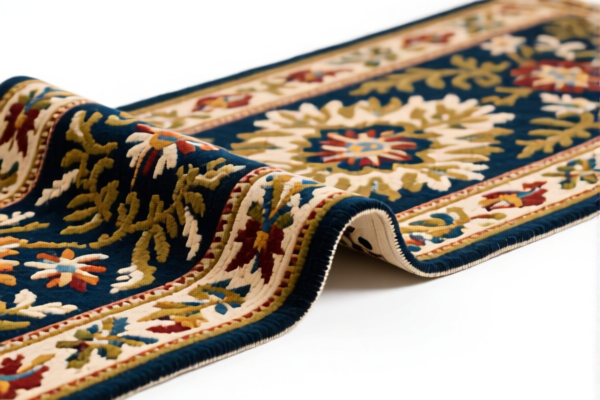
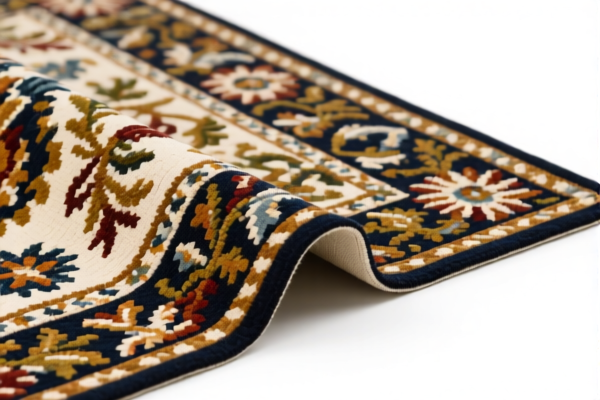
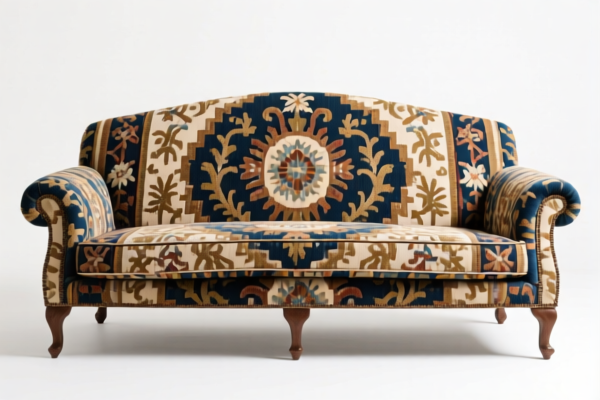
AI Analysis
🛋️ Furniture Fabric (Furnishing Articles & Textile Fabrics for Furniture)
🌐 HS Code Reference & Customs Clearance Guide | 2026 Latest Tariff Breakdown | Professional Import Strategy
📌 One, Product Definition & Classification: What Exactly Is "Furniture Fabric"?
Furniture fabric refers to textile materials used in the production of upholstered furniture, including sofas, chairs, ottomans, and bed headboards. These fabrics are categorized based on material composition, construction method (woven, knitted, or crocheted), and treatment (impregnated, coated, laminated).
⚠️ Critical Distinction:
- Non-knitted/crocheted fabrics → classified under 6304.99.60.40 or 6304.92.00.00
- Chenille fabrics (woven pile) → classified under 5801.26.00.20 or 5801.36.00.20
- Plastic-coated/laminated fabrics → classified under 5903.10.20.90 or 5903.20.20.00
📦 Two, HS Code Classification Details (2026 Latest Tariff Authority Match)
| HS Code | Product Description | Material Type | Construction | Key Features |
|---|---|---|---|---|
6304.99.60.40 |
Other furnishing articles, not knitted or crocheted, of other textile materials | Other textiles | Non-knitted | Excludes heading 9404; general-purpose fabric |
6304.92.00.00 |
Other furnishing articles, not knitted or crocheted, of cotton | Cotton | Non-knitted | Pure cotton, no special treatment |
5801.26.00.20 |
Woven pile fabrics, chenille, of cotton | Cotton | Chenille | Over 70% cotton, pile structure |
5801.36.00.20 |
Woven pile fabrics, chenille, of man-made fibers | Man-made fibers | Chenille | Synthetic pile, durable and textured |
5903.10.20.90 |
Textile fabrics impregnated/coated with PVC, of man-made fibers | Man-made fibers | Coated | >70% rubber/plastics by weight |
5903.20.20.00 |
Textile fabrics impregnated/coated with polyurethane, of man-made fibers | Man-made fibers | Coated | >70% rubber/plastics by weight |
🔍 Key Insight:
- Chenille fabrics (both cotton and man-made) are highly sensitive to tariffs due to their structural complexity and use in premium furniture. - Plastic-coated fabrics (PVC or polyurethane) are treated as chemically modified textiles, triggering additional tariffs under trade enforcement laws.
💰 Three, 2026 Latest Tariff Breakdown (Including Additional Duties & Policy Add-ons)
✅ Applicable Country: United States (US)
✅ Origin: China (CN)
✅ Effective Date: November 10, 2025 (including subsequent imports)
🎯 1. 6304.99.60.40 — Other Furnishing Articles, Non-Knitted, Other Textile Materials
| Item | Detail |
|---|---|
| Base Duty | 0% (ad valorem) |
| Additional Tariff | 0% |
| Total Tax Rate | 0.0% |
| Tax Calculation | CIF Value × 0% |
| De Minimis Exemption | ✅ Yes (if value < $800) |
| Legal Basis Path | USITC:6304.99.60.40 → FOOTNOTE:9903.88.01 (no additional duty) |
📌 Explanation:
- This is a general category for non-knitted, non-cotton, non-specialty fabrics used in furniture. - No additional tariffs apply, even if originating from China. - Ideal for eco-friendly blends, recycled fibers, or non-cotton textiles.
🎯 2. 6304.92.00.00 — Other Furnishing Articles, Non-Knitted, of Cotton
| Item | Detail |
|---|---|
| Base Duty | 0% |
| Additional Tariff | 0% |
| Total Tax Rate | 0.0% |
| Tax Calculation | CIF × 0% |
| De Minimis Exemption | ✅ Yes |
| Legal Basis Path | USITC:6304.92.00.00 → FOOTNOTE:9903.88.01 |
📌 Note:
- Despite being 100% cotton, this item does not trigger the 25% additional tariff. - Applies to plain cotton fabrics, cotton blends, and non-impregnated materials. - No IEEPA or USITC surcharge — a rare case where cotton is fully exempt.
🎯 3. 5801.26.00.20 — Chenille Fabrics, of Cotton
| Item | Detail |
|---|---|
| Base Duty | 0% |
| Additional Tariff | 25% |
| Total Tax Rate | 25.0% |
| Tax Calculation | CIF × 25% |
| De Minimis Exemption | ❌ No |
| Legal Basis Path | USITC:5801.26.00.20 → FOOTNOTE:9903.88.01 → IEEPA:9903.01.24 |
📌 Explanation:
- Chenille fabrics made of cotton are subject to 25% additional tariff under Section 301 (USITC). - This is due to China’s alleged unfair trade practices in textile manufacturing. - No de minimis relief — even small shipments face full 25% tax. - High-value items (e.g., luxury sofa fabrics) will incur significant cost increases.
🎯 4. 5801.36.00.20 — Chenille Fabrics, of Man-Made Fibers
| Item | Detail |
|---|---|
| Base Duty | 0% |
| Additional Tariff | 0% |
| Total Tax Rate | 0.0% |
| Tax Calculation | CIF × 0% |
| De Minimis Exemption | ✅ Yes |
| Legal Basis Path | USITC:5801.36.00.20 → FOOTNOTE:9903.88.01 |
📌 Key Insight:
- Man-made fiber chenille fabrics are exempt from additional tariffs. - This is a strategic advantage for importers using polyester, nylon, or acrylic chenille. - Ideal for modern, durable, and cost-effective furniture designs.
🎯 5. 5903.10.20.90 — PVC-Coated Fabrics, Man-Made Fibers, >70% Plastics
| Item | Detail |
|---|---|
| Base Duty | 0% |
| Additional Tariff | 25% |
| Total Tax Rate | 25.0% |
| Tax Calculation | CIF × 25% |
| De Minimis Exemption | ❌ No |
| Legal Basis Path | USITC:5903.10.20.90 → IEEPA:9903.01.24 → FOOTNOTE:9903.88.01 |
📌 Explanation:
- PVC-coated fabrics with >70% rubber/plastics are treated as chemically modified textiles. - Subject to 25% additional tariff under IEEPA (International Emergency Economic Powers Act). - No de minimis relief — even small samples or prototypes are taxed.
🎯 6. 5903.20.20.00 — Polyurethane-Coated Fabrics, Man-Made Fibers, >70% Plastics
| Item | Detail |
|---|---|
| Base Duty | 0% |
| Additional Tariff | 25% |
| Total Tax Rate | 25.0% |
| Tax Calculation | CIF × 25% |
| De Minimis Exemption | ❌ No |
| Legal Basis Path | USITC:5903.20.20.00 → IEEPA:9903.01.24 → FOOTNOTE:9903.88.01 |
📌 Note:
- Polyurethane-coated fabrics are equally taxed as PVC-coated ones. - Used in industrial, outdoor, and high-wear furniture. - High risk of non-compliance if not properly declared.
🛠️ Four, Customs Clearance Best Practices (Real-World Tips)
✅ 1. Required Documentation (Must-Have Checklist)
| Document | Required? | Purpose |
|---|---|---|
| ✅ Product Specifications | ✔️ | Material composition, weight, coating type |
| ✅ Fabric Sample (Physical) | ✔️ | For customs inspection & classification |
| ✅ Technical Drawings / Structure Diagrams | ✔️ | Prove construction (chenille vs. plain weave) |
| ✅ Certificate of Origin (CO) | ✔️ | Claim preferential treatment if from non-China origin |
| ✅ Commercial Invoice | ✔️ | Must include HS Code, CIF value, material type |
| ✅ Test Reports (RoHS, REACH, Flammability) | ✔️ | Especially for coated fabrics |
| ✅ Packing List | ✔️ | Show total quantity, weight, and packaging |
✅ 2.申报技巧 (Key Rules to Remember)
🔥 “Material Matters, Coating Counts, Chenille Triggers, PVC Pays!”
| Scenario | Correct HS Code | Wrong Code | Risk |
|---|---|---|---|
| Cotton chenille fabric | 5801.26.00.20 |
6304.92.00.00 |
25% extra tax |
| Man-made chenille | 5801.36.00.20 |
6304.99.60.40 |
No penalty, but misclassification |
| PVC-coated fabric | 5903.10.20.90 |
5903.10.10.00 |
25% tax missed |
| Polyurethane-coated | 5903.20.20.00 |
5903.20.10.00 |
25% tax missed |
| Plain cotton fabric | 6304.92.00.00 |
5801.26.00.20 |
25% overpaid |
✅ 3. Special Cases & Mitigation Strategies
| Situation | Recommended Action |
|---|---|
| Cotton chenille from Vietnam | Apply for USMCA/FTA benefit → 0% tariff |
| PVC-coated fabric for outdoor furniture | Consider switching to polyurethane (same performance, no 25% tax) |
| Small sample shipment | Declare as "sample" but still must pay 25% if in 5903.10.20.90 or 5903.20.20.00 |
| Custom blend fabric | Request advance ruling to confirm classification before shipment |
🌍 Five, Global Market Comparison (2026)
| Country/Region | Recommended HS Code | Tariff | Certification | Notes |
|---|---|---|---|---|
| 🇺🇸 USA | 5801.26.00.20, 5903.10.20.90 |
25% (China) | ASTM, UL, Flammability | Highest risk |
| 🇨🇳 China | 6304.92.00.00 |
5% | CCC | No additional duties |
| 🇪🇺 EU | 5801.26.00.20 |
0% (if CE) | CE, REACH | No 25% surcharge |
| 🇦🇺 Australia | 5903.20.20.00 |
5% | RCM | No IEEPA |
| 🇯🇵 Japan | 6304.99.60.40 |
0% | PSE | No additional tariffs |
📌 Conclusion:
- The U.S. is the only market imposing 25% additional tariffs on cotton chenille and plastic-coated fabrics. - Vietnam, Mexico, and Thailand offer tariff-free access under trade agreements.
📌 Six, Common Mistakes & How to Avoid Them (Learn from Others’ Failures)
❌ Mistake 1: Misclassifying cotton chenille as plain cotton fabric
👉 Result: 25% underpaid → back taxes + penalties
❌ Mistake 2: Using PVC-coated fabric without checking tariff status
👉 Result: 25% tax due on every shipment → cash flow shock
❌ Mistake 3: Not providing fabric sample or test report
👉 Result: Customs delay, rejection, or refusal to release
❌ Mistake 4: Declaring PVC-coated fabric as "textile" without specifying coating type
👉 Result: Incorrect HS Code → fines + audit risk
✅ Correct Declaration Example:
“Chenille Fabric, 100% Cotton, Woven Pile, 300 gsm, Used for Sofa Upholstery, HS: 5801.26.00.20, Coated: No, Origin: China, Sample Attached”
🎯 Seven, Final Takeaway: Precision Pays Off
🎯 Remember the Golden Rules:
🔹 "Cotton Chenille = 25% Tax"
🔹 "PVC/Polyurethane Coated = 25% Tax"
🔹 "Man-Made Chenille = 0% Tax"
🔹 "De Minimis Does NOT Apply to 25% Tariff Items"
📌 Pro Tip:
If your fabric is originating from Vietnam, Mexico, or Thailand, you can avoid the 25% tariff entirely under USMCA, FTA, or GSP programs.
🚀 Action Step:
🔹 Contact a licensed customs broker
🔹 Submit product sample + specs
🔹 Request HS Code pre-ruling before shipment
📣 Don’t Risk It!
📞 Get your classification right the first time
💼 Save thousands in taxes and avoid delays
🌐 Export confidently with accurate, compliant declarations
✨ Smart Classification = Smooth Clearance = Profit Growth!
💼 Your fabric’s HS Code is not just a number — it’s your bottom line.
Customer Reviews
About HS Code Classification
The Harmonized System (HS) is an internationally standardized nomenclature developed by the World Customs Organization (WCO) to classify traded products. Over 200 countries use the HS system as the basis for customs tariffs, trade statistics, and import/export regulations.
Each HS code follows a hierarchical structure:
- Chapter (2 digits) — Broad category of goods (e.g., Chapter 84: Machinery and Mechanical Appliances)
- Heading (4 digits) — More specific grouping within the chapter
- Subheading (6 digits) — Internationally standardized breakdown, used by all WCO member countries
- National subdivisions (8-10 digits) — Country-specific extensions for further classification, such as US HTSUS 10-digit codes
Correct HS code classification is essential for smooth customs clearance, accurate duty payment, and compliance with trade regulations. Misclassification can lead to customs delays, overpayment of duties, or penalties.
When importing from CN to US, the applicable tariff rates may include:
- Most-Favored-Nation (MFN) rate — The standard duty rate applied to WTO members
- General rate — Applied to countries without trade agreements
- Trade remedy duties — Additional tariffs such as Section 301 (anti-dumping), Section 232 (national security), or countervailing duties
The information provided on this page is for reference purposes only. For official classification, please consult with your local customs authority or a licensed customs broker.