Furniture Handle
CN → US| HS Code | Tariff Rate | Origin | Destination | Doc |
|---|---|---|---|---|
| 7326908676 | 87.9% | CN | US | Official Doc |
| 8302106060 | 88.5% | CN | US | Official Doc |
| 3926902500 | 24.0% | CN | US | Official Doc |
| 8302109060 | 38.4% | CN | US | Official Doc |
| 3926301000 | 24.0% | CN | US | Official Doc |
| 7326908688 | 87.9% | CN | US | Official Doc |
Product Images
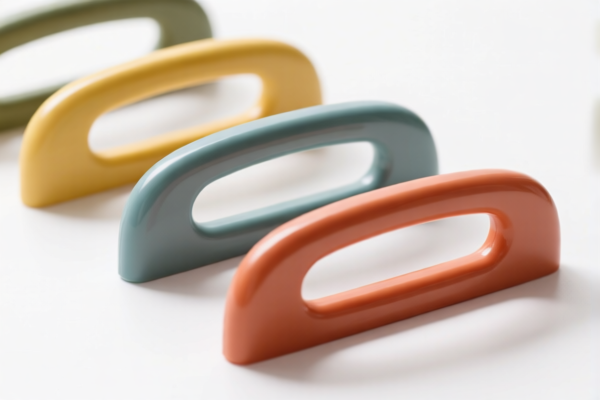
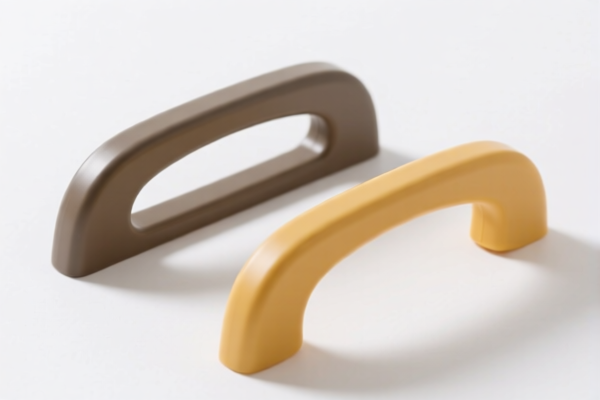
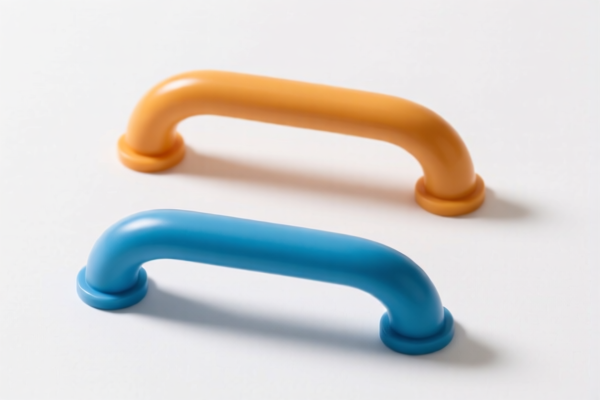
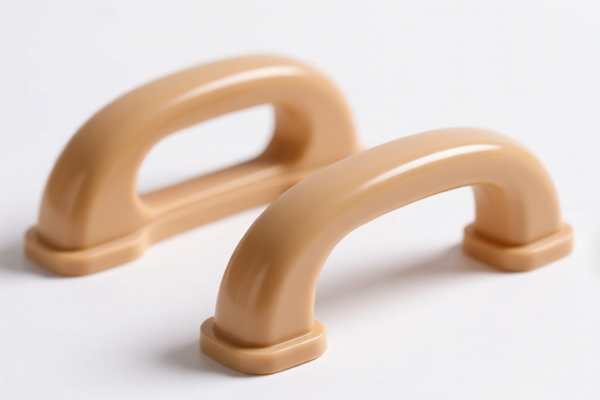
AI Analysis
🏠 Cabinet & Furniture Handles: HS Code Classification & US Tariff Strategy (2026)
🌐 HS Code Reference & Customs Clearance Guide | 2026 Latest Tariff Analysis | Professional Level Entry Strategy
📌 I. Product Definition & Classification: Do You Really Know Your "Handle"?
Furniture handles (often referred to as cabinet pulls, knobs, or hinges) are essential accessories for kitchen cabinets, wardrobes, and office furniture. In international trade, their classification depends strictly on the material and function. A small difference in material can lead to a drastic difference in tariff rates (from 24% to nearly 90%).
In the US market (2026 context), these items are primarily classified under two major chapters: 1. Chapter 73: Iron or Steel products (Heavy, durable, metallic). 2. Chapter 83: Base metal articles of other kinds (General fittings, locks, handles). 3. Chapter 39: Plastic articles (Lightweight, polymer-based).
⚠️ Critical Distinction: - Metal Handles (Steel/Iron): High duty burden due to Section 232/301 tariffs. Expect rates near 87-88%. - Plastic Handles: Moderate duty burden. Rates around 24%. - Other Base Metals: Varies significantly; some attract high tariffs (38.4%), others may be lower depending on specific subheadings.
📦 II. HS Code Classification Details (2026 Latest Tariff Authority)
Below is the detailed breakdown based on the provided data. Please select the code that matches your exact material composition.
| HS Code | Product Description | Material | Total Tax Rate | Tax Breakdown Detail |
|---|---|---|---|---|
7326.90.86.76 |
Metal cabinet handles (Other articles of iron or steel) | Iron / Steel | 87.9% | Base: 2.9% Section 301: 25.0% Section 232 (Steel): 10% |
8302.10.60.60 |
Fittings for furniture (Base metal handles) | Base Metal (General) | 88.5% | Base: 3.5% Section 301: 25.0% Section 232 (Steel): 10% Other Add-on: 50% |
3926.90.25.00 |
Plastic cabinet handles (Plastic handles and knobs) | Plastic | 24.0% | Base: 6.5% Section 301: 7.5% Section 232: 10% |
8302.10.90.60 |
Cabinet accessories (Inferred base metal handles) | Base Metal (General) | 38.4% | Base: 3.4% Section 301: 25.0% Section 232: 10% |
3926.30.10.00 |
Plastic handles (Fits category description) | Plastic | 24.0% | Base: 6.5% Section 301: 7.5% Section 232: 10% |
7326.90.86.88 |
Iron or steel cabinet handles (Other articles) | Iron / Steel | 87.9% | Base: 2.9% Section 301: 25.0% Section 232 (Steel): 10% |
🔍 Key Takeaway: - Plastic handles are the most tariff-friendly option (~24%). - Steel/Iron handles face punitive tariffs totaling nearly 88% due to the combination of Base Duty, Section 301 (25%), and Section 232 (10% for steel/aluminum/copper). - Generic "Base Metal" codes (8302) can vary wildly. Code
8302.10.60.60is heavily penalized (88.5%), while8302.10.90.60is slightly lower (38.4%). Accuracy is vital.
💰 III. 2026 Latest Tariff Rate Breakdown (Including Surcharges)
✅ Applicable Country: United States (US)
✅ Origin: China (CN) (Implied by the specific tariff structure provided)
✅ Effective Time: 2026 Tariff Schedule
🎯 1. Steel & Iron Handles (7326.90.86.76 / 7326.90.86.88)
| Item | Content |
|---|---|
| Base Duty Rate | 2.9% (ad valorem) |
| Section 301 Duty | +25.0% |
| Section 232 Duty | +10% (Specific to Steel, Aluminum, Copper products) |
| Total Effective Rate | 87.9% |
| Calculation Basis | CIF Value × 87.9% |
| De Minimis Exemption | ❌ Not Applicable |
| Legal Authority Path | HTSUS:7326.90.86.76 → Sec 301 → Sec 232 (Steel) |
📌 Analysis: - This is the highest cost bracket. - The 10% Section 232 is critical for steel products. - Combined with 25% Section 301, importing steel handles from China is extremely expensive. Consider sourcing from non-China origins if possible, or switching materials.
🎯 2. General Base Metal Fittings (8302.10.60.60)
| Item | Content |
|---|---|
| Base Duty Rate | 3.5% |
| Section 301 Duty | +25.0% |
| Section 232/Other Add-on | +50% (Specific surcharge for this subheading) |
| Total Effective Rate | 88.5% |
| Calculation Basis | CIF Value × 88.5% |
| De Minimis Exemption | ❌ Not Applicable |
| Legal Authority Path | HTSUS:8302.10.60.60 → Sec 301 → Other Surcharges |
📌 Analysis: - This code has an extra 50% surcharge on top of standard 301 duties. - It is even more expensive than standard steel classification. - Avoid this code if your product can be classified as plastic or if a different base metal code applies.
🎯 3. Plastic Handles (3926.90.25.00 / 3926.30.10.00)
| Item | Content |
|---|---|
| Base Duty Rate | 6.5% |
| Section 301 Duty | +7.5% |
| Section 232 Duty | +10% |
| Total Effective Rate | 24.0% |
| Calculation Basis | CIF Value × 24.0% |
| De Minimis Exemption | ❌ Not Applicable |
| Legal Authority Path | HTSUS:3926.90.25.00 / 3926.30.10.00 → Sec 301 → Sec 232 |
📌 Analysis: - Best value option. - While still subject to Section 301 (7.5%) and Section 232 (10%), the total rate is ~24%, which is significantly more manageable than the ~88% for metal. - Ensure the product is 100% plastic or primarily plastic to qualify.
🎯 4. Other Base Metal Fittings (8302.10.90.60)
| Item | Content |
|---|---|
| Base Duty Rate | 3.4% |
| Section 301 Duty | +25.0% |
| Section 232/Other Add-on | +10% |
| Total Effective Rate | 38.4% |
| Calculation Basis | CIF Value × 38.4% |
| De Minimis Exemption | ❌ Not Applicable |
| Legal Authority Path | HTSUS:8302.10.90.60 → Sec 301 → Other Surcharges |
📌 Analysis: - A middle-ground option for base metals that do not fall under the heavily penalized
8302.10.60.60. - Still significantly cheaper than steel, but more expensive than plastic.
🛠️ IV. Customs Clearance Practical Advice (Real-World Pitfall Guide)
✅ 1. Preparation Checklist (Essential Documents)
| Document | Required? | Explanation |
|---|---|---|
| ✅ Product Composition Report | ✔️ | Must specify material (e.g., "100% PP Plastic" or "Stainless Steel 304"). Crucial for choosing between Ch. 39 and Ch. 73/83. |
| ✅ Product Photos | ✔️ | Clear images of the handle, including mounting holes and finish type. |
| ✅ Commercial Invoice | ✔️ | Must accurately describe the item. Avoid generic terms like "Hardware"; use "Cabinet Handle, Material: [X]". |
| ✅ Packing List | ✔️ | Detailed weight and quantity. |
| ✅ Country of Origin Certificate | ✔️ | To verify origin and apply correct tariff rates. |
✅ 2. Declaration Tips (Key Mnemonics)
🔥 “Material is King, Code is Queen, Mix-up Means Pain!”
| Scenario | Correct Declaration | Incorrect Declaration | Consequence |
|---|---|---|---|
| Plastic Handle | 3926.90.25.00 (24%) |
Misclassified as Metal (7326) |
Refund/Reaudit + Penalties (Huge tax gap) |
| Steel Handle | 7326.90.86.76 (87.9%) |
Misclassified as Plastic (3926) |
Audit, Back Taxes, Interest |
| Mixed Material | Check dominant material/value | Generic "Furniture Part" | Customs May Re-classify (Often to highest duty) |
| Kit (Handle + Screw) | Declare as Handle (Principal item) | Declare as "Screws" + "Handle" | Complex Declaration, Potential Errors |
✅ 3. Special Cases Handling
| Situation | Handling Advice |
|---|---|
| Coated Plastic Handles | If the coating is >50% of value/weight, it might change classification. Usually, still plastic if core is plastic. |
| Zinc Alloy Handles | Fall under Base Metal (Ch 83). Check if 8302.10.60.60 (88.5%) or 8302.10.90.60 (38.4%) applies. Zinc is often lighter but still taxed as base metal. |
| Wooden Handles | Not in provided data. Likely fall under Ch 44 (Wood). Check specific wood duty rates. |
| Electronic Handles | If smart/LED, may fall under Ch 85 (Electrical). Requires different declaration. |
🌍 V. Global Market Comparison (2026 Snapshot)
| Country/Region | Recommended HS Code | Est. Tariff (China Origin) | Certification Requirements | Notes |
|---|---|---|---|---|
| 🇺🇸 USA | 3926.90.25.00 (Plastic) |
24.0% | None specific for handle | Steel/Base Metal penalties are severe. |
| 🇺🇸 USA | 7326.90.86.76 (Steel) |
87.9% | None specific | High cost. Consider Vietnam/India sourcing. |
| 🇪🇺 EU | 7326.90 |
~5-8% | CE (if applicable) | No Section 301/232 equivalents. |
| 🇨🇳 China | 7326.90 |
~6-8% | CCC (if applicable) | Standard import duties. |
📌 Conclusion: - US Market is Hostile to Metal Imports from China due to layered tariffs. - Plastic handles offer the best margin protection in the US market among the options provided. - Steel handles require significant cost absorption or supply chain relocation.
📌 VI. Common Errors & Pitfall Guide (Lessons Learned)
❌ Error 1: Classifying a Zinc Alloy handle as Plastic (3926)
👉 Consequence: If customs tests and finds metal, you face back taxes + 25% penalty. The difference between 24% and 88% is massive.
❌ Error 2: Using "Furniture Fitting" as the product name 👉 Consequence: Customs lacks clarity. They may assign a "catch-all" code with higher duties or hold the shipment for inspection.
❌ Error 3: Ignoring the Section 232 (Steel/Aluminum) surcharge 👉 Consequence: Budgeting for 27% (Base+301) but actually paying 87.9%. Cash flow crisis.
❌ Error 4: Misclassifying Coated Metal 👉 Consequence: If paint/coating is thick, ensure it doesn't change the essential character. Still usually metal, but confirm with expert.
✅ Correct Practice:
"Cabinet Handle, Model ABC, Material: 100% Acrylic Plastic, Finish: Matte Black, For Kitchen Cabinets, Made in China"
🎯 VII. Conclusion: Smart Classification, Maximize Profit!
🎯 Remember the Strategy:
🔹 "Plastic is King (24%), Steel is King's Rival (88%)!" 🔹 "Check the Material First, Then the Code, Then the Cost!" 🔹 "HS Code Dictates Life, Tariff Difference Makes or Breaks!"
📌 Pro Tip:
If your product is Zinc Alloy, verify if it fits under 8302.10.90.60 (38.4%) instead of 8302.10.60.60 (88.5%). The distinction between "fittings for furniture" (specific) and "other base metal articles" can save you 50% in tariffs! Always request a Pre-Ruling from US Customs (CBP) if unsure.
📣 Immediate Action:
📞 Consult with a licensed customs broker. 📄 Provide material test reports. 🚀 Optimize your product mix towards Plastic or Lower-Tariff Base Metals to maintain competitiveness in the US market.
✨ Professional Clearance Starts with Accurate Classification!
💼 Every Cent in Tariff is a Cent in Your Pocket!
Customer Reviews
About HS Code Classification
The Harmonized System (HS) is an internationally standardized nomenclature developed by the World Customs Organization (WCO) to classify traded products. Over 200 countries use the HS system as the basis for customs tariffs, trade statistics, and import/export regulations.
Each HS code follows a hierarchical structure:
- Chapter (2 digits) — Broad category of goods (e.g., Chapter 84: Machinery and Mechanical Appliances)
- Heading (4 digits) — More specific grouping within the chapter
- Subheading (6 digits) — Internationally standardized breakdown, used by all WCO member countries
- National subdivisions (8-10 digits) — Country-specific extensions for further classification, such as US HTSUS 10-digit codes
Correct HS code classification is essential for smooth customs clearance, accurate duty payment, and compliance with trade regulations. Misclassification can lead to customs delays, overpayment of duties, or penalties.
When importing from CN to US, the applicable tariff rates may include:
- Most-Favored-Nation (MFN) rate — The standard duty rate applied to WTO members
- General rate — Applied to countries without trade agreements
- Trade remedy duties — Additional tariffs such as Section 301 (anti-dumping), Section 232 (national security), or countervailing duties
The information provided on this page is for reference purposes only. For official classification, please consult with your local customs authority or a licensed customs broker.