Furniture Heightening Pad
CN → US| HS Code | Tariff Rate | Origin | Destination | Doc |
|---|---|---|---|---|
| 4421999880 | 38.3% | CN | US | Official Doc |
| 4421919880 | 38.3% | CN | US | Official Doc |
| 7326908688 | 87.9% | CN | US | Official Doc |
| 7326190080 | 87.9% | CN | US | Official Doc |
| 3926305000 | 22.8% | CN | US | Official Doc |
Product Images
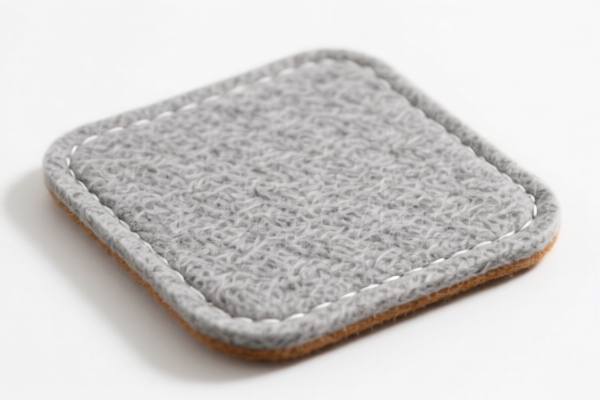
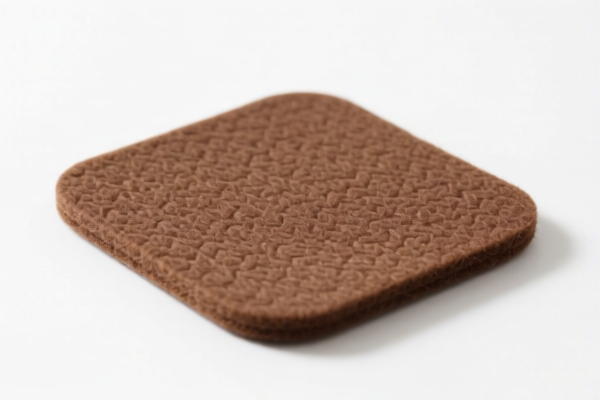
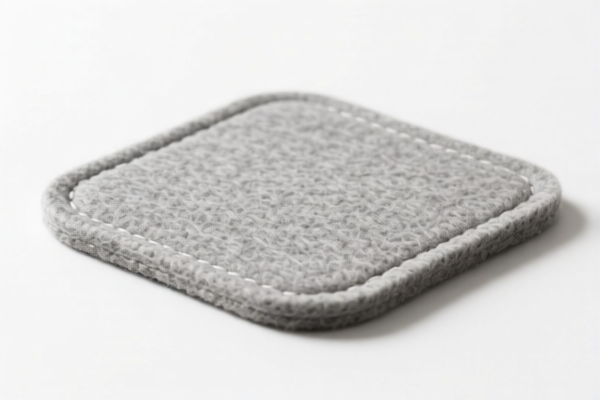

AI Analysis
🪑 Furniture Heightening Pad (FHP)
🌐 HS Code Reference & Customs Clearance Guide | 2026 Latest Tariff Breakdown | Professional Compliance Strategy
📌 I. Product Definition & Classification: What Exactly is a "Furniture Heightening Pad"?
Furniture Heightening Pads (often called "Levelers," "Shims," or "Adjustable Feet") are small components used to stabilize, level, or raise furniture. In international trade, they are classified strictly by material composition. The HS Code determination is critical because material dictates the tariff structure, especially under current US trade restrictions.
⚠️ Key Classification Logic:
- If made of Plastic/Rubber → Grouped under 3926 (Other Articles of Plastics)
- If made of Wood/Bamboo → Grouped under 4421 (Other Wood Articles)
- If made of Iron/Steel → Grouped under 7326 (Other Articles of Iron or Steel)🚨 Critical Warning: Do not assume a universal code. A "pad" made of steel is taxed drastically differently than one made of plastic. Misclassification can lead to severe penalties or detention.
📦 II. HS Code Classification Matrix (2026 Latest Tariff Authority)
| HS Code | Product Description | Material Composition | Applicable Scenario |
|---|---|---|---|
3926.90.99.89 |
Plastic or Rubber Furniture Heightening Pads | Plastic, Rubber, Elastomers | Under-the-leg pads for sofas, chairs, tables; adjustable plastic feet |
4421.99.98.80 |
Wooden Furniture Heightening Pads | Solid Wood, Plywood | Wooden blocks/shims used for leveling heavy wooden furniture |
4421.91.98.80 |
Wooden or Bamboo Furniture Heightening Pads | Wood, Bamboo | Bamboo levelers or composite wood pads |
7326.90.86.88 |
Iron or Steel Furniture Heightening Pads | Iron, Steel | Metal adjustable feet, steel levelers, heavy-duty industrial pads |
7326.19.00.80 |
Other Steel Articles (Furniture Pads) | Steel | Cast iron/steel leveling pads, non-specific steel supports |
🔍 Important Note:
- "Furniture Heightening Pad" is the generic summary. The Material is the deciding factor for the first 6-8 digits of the HS Code.
- Items like7326are subject to highest tariffs due to their metallic nature and US trade policies.
💰 III. 2026 Latest Tariff Rate Breakdown (Detailed Tax Clauses)
✅ Applicable Country: United States (US)
✅ Origin: China (CN)
✅ Effective Date: Current Trade Policy (2024-2026 Framework)
🎯 1. 3926.90.99.89 —— Plastic/Rubber Heightening Pads
| Item | Detail |
|---|---|
| Base Tariff | 5.3% |
| Section 301 Surcharge | 7.5% |
| Section 122 Surcharge | 10.0% |
| Total Tax Rate | 22.8% |
| Tax Calculation | CIF Value × 22.8% |
| Legal Basis | HTSUS 3926.90.99.89 + Trade Policy Footnotes |
📌 Explanation:
- Plastic goods face moderate tariffs. The 7.5% is the standard Section 301 list tariff for many plastic articles.
- The 10% Section 122 tariff is an additional safeguard measure.
- Strategy: This is the most cost-effective material option among the listed codes. Consider switching from metal/plastic hybrids to pure plastic if design allows.
🎯 2. 4421.99.98.80 & 4421.91.98.80 —— Wooden/Bamboo Heightening Pads
| Item | Detail |
|---|---|
| Base Tariff | 3.3% |
| Section 301 Surcharge | 25.0% |
| Section 122 Surcharge | 10.0% |
| Total Tax Rate | 38.3% |
| Tax Calculation | CIF Value × 38.3% |
| Legal Basis | HTSUS 4421.99.98.80 / 4421.91.98.80 + Trade Policy Footnotes |
📌 Explanation:
- Wood products are subject to the standard 25% Section 301 tariff.
- Although the base tariff is lower (3.3%), the high surcharge makes it more expensive than plastic.
-4421.91covers Bamboo;4421.99covers other wood. Both carry the same total rate.
- Risk: If your product claims to be "wood" but contains >10% metal components, customs may reclassify it to 7326 (Steel), jumping the rate to 87.9%.
🎯 3. 7326.90.86.88 & 7326.19.00.80 —— Iron/Steel Heightening Pads
| Item | Detail |
|---|---|
| Base Tariff | 2.9% |
| Section 301 Surcharge | 25.0% |
| Section 122 Surcharge | 10.0% |
| Additional Metal Surcharge | 50.0% (Specific for Steel/Aluminum/Copper) |
| Total Tax Rate | 87.9% |
| Tax Calculation | CIF Value × 87.9% |
| Legal Basis | HTSUS 7326.90.86.88 / 7326.19.00.80 + Special Metal Provisions |
📌 CRITICAL WARNING:
- This is the HIGHEST tariff category.
- Why 87.9%?
- Base (2.9%) + Sec 301 (25%) + Sec 122 (10%) = 37.9%.
- + 50% Special Surcharge: Applied specifically to Steel, Aluminum, and Copper articles under recent trade enforcement guidelines.
- Result: Nearly 90% tax on the CIF value.
- Strategy: Avoid importing steel heightening pads from China if possible. Consider sourcing from ASEAN countries (Vietnam, Thailand) to avoid Section 301/122 duties, or switch material to Plastic/Wood.
🛠️ IV. Customs Clearance Practical Advice (Pitfall Avoidance Guide)
✅ 1. Essential Documentation Checklist
| Document | Mandatory? | Details |
|---|---|---|
| ✅ Product Specifications | ✔️ | Must clearly state Material Composition (e.g., "100% Polypropylene"). |
| ✅ Material Breakdown | ✔️ | For mixed materials, provide a percentage breakdown. If >10% metal, it may trigger Steel classification. |
| ✅ Product Photos | ✔️ | Clear images showing the item, labels, and any metal inserts. |
| ✅ Commercial Invoice | ✔️ | Description must match HS Code summary exactly (e.g., "Plastic Furniture Leveler"). |
| ✅ Certificate of Origin | ✔️ | Critical for verifying country of origin to apply correct Section 301/122 rates. |
| ✅ Declaration of Non-Metal | ✔️ | If claiming Plastic/Wood, a supplier declaration confirming no metal components helps avoid 7326 reclassification. |
✅ 2. Classification Strategy & Tips
🔥 "Material Defines Tax, Not Function!"
| Scenario | Correct HS Code | Risk if Wrong |
|---|---|---|
| Plastic Pad with Metal Insert | 7326.90.86.88 (Steel) |
❌ Catastrophic: Tax jumps from 22.8% to 87.9% |
| Wooden Pad with Rubber Tip | 4421.99.98.80 (Wood) |
⚠️ Moderate Risk: Customs may audit material %; ensure wood is primary |
| Pure Plastic Pad | 3926.90.99.89 |
✅ Safe: Lowest tax among all options |
| Bamboo Pad | 4421.91.98.80 |
✅ Safe: Same rate as wood |
💡 Pro Tip:
- If your product has any metal component (even small screws or inserts), US Customs and Border Protection (CBP) often classifies the entire item under the metal heading (7326).
- Recommendation: Use plastic caps or adhesive backing instead of metal screws for heightening pads to stay within3926(22.8% tax).
✅ 3. Special Considerations for Section 122 & 301
- Section 122 (10%): Applies to most imports from China. No easy exemption for small components.
- Section 301:
- Plastic: 7.5%
- Wood/Steel: 25%
- Special Metal Surcharge (50%): Only for Steel/Aluminum/Copper. This is the killer for steel heightening pads.
📌 Action Item:
- If you are importing Steel Heightening Pads, calculate the 87.9% cost immediately.
- If this is unprofitable, consider re-engineering the product to use High-Density Plastic (HDPE) or Composite Materials without metal.
🌍 V. Global Market Comparison (2026)
| Market | Recommended HS Code | Est. Total Tax (China Origin) | Key Requirement |
|---|---|---|---|
| 🇺🇸 USA | 3926.90.99.89 (Plastic) |
22.8% | Accurate material declaration |
| 🇺🇸 USA | 7326.90.86.88 (Steel) |
87.9% | High Risk: Avoid if possible |
| 🇪🇺 EU | 3926.90 |
~5-8% | CE Marking, REACH Compliance |
| 🇬🇧 UK | 3926.90 |
~5-8% | UKCA Marking |
| 🇨🇦 Canada | 3926.90 |
~5-10% | C-USMCA Preferential Rate (if Canadian/US origin) |
📌 Conclusion:
- The US market is the most challenging due to layered tariffs (Base + 301 + 122 + Metal Surcharge).
- Plastic is the preferred material for cost efficiency.
- Steel is prohibitively expensive for general consumer goods unless the value-add is very high.
📌 VI. Common Mistakes & Pitfalls (Lessons Learned)
❌ Mistake 1: Classifying a Plastic Pad with Metal Screws as 3926
👉 Consequence: CBP reclassifies as 7326, applying 87.9% tax.
👉 Fix: Use plastic clips or adhesive; eliminate metal.
❌ Mistake 2: Vague Description "Furniture Accessory"
👉 Consequence: Customs issues a "Request for Information," delaying shipment by weeks.
👉 Fix: Be specific: "Polypropylene Furniture Leveler, Model X."
❌ Mistake 3: Ignoring the Section 122 10% Surcharge
👉 Consequence: Underestimating landed cost by 10%.
👉 Fix: Include 10% in your pricing model for all China-origin goods.
✅ Correct Practice:
"Furniture Heightening Pad, 100% Plastic, No Metal Components, For Indoor Use, Model XYZ"
🎯 VII. Conclusion: Strategic Sourcing & Compliance
🎯 Key Takeaway:
🔹 Material is Destiny: Plastic (22.8%) < Wood (38.3%) < Steel (87.9%).
🔹 Avoid Metal: Eliminate metal components to avoid the 50% surcharge.
🔹 Document Precisely: Clear material declarations prevent reclassification risks.
📌 Tips:
- If you must import Steel parts, consider Third-Country Transshipment (e.g., Vietnam) with genuine substantial transformation to avoid Section 301/122.
- Apply for an Advance Ruling from CBP if your product is mixed-material. It provides legal certainty.
📣 Immediate Action:
📞 Audit your Bill of Materials (BOM): Are there any metal parts?
📉 Calculate Landed Cost: Include 22.8% (Plastic), 38.3% (Wood), or 87.9% (Steel).
🚀 Optimize Design: Switch to plastic or bamboo if steel costs are too high.
✨ Professional Customs Clearance Starts with Accurate Classification!
💼 Your Profit Margin Depends on Correct HS Code Selection!
Customer Reviews
About HS Code Classification
The Harmonized System (HS) is an internationally standardized nomenclature developed by the World Customs Organization (WCO) to classify traded products. Over 200 countries use the HS system as the basis for customs tariffs, trade statistics, and import/export regulations.
Each HS code follows a hierarchical structure:
- Chapter (2 digits) — Broad category of goods (e.g., Chapter 84: Machinery and Mechanical Appliances)
- Heading (4 digits) — More specific grouping within the chapter
- Subheading (6 digits) — Internationally standardized breakdown, used by all WCO member countries
- National subdivisions (8-10 digits) — Country-specific extensions for further classification, such as US HTSUS 10-digit codes
Correct HS code classification is essential for smooth customs clearance, accurate duty payment, and compliance with trade regulations. Misclassification can lead to customs delays, overpayment of duties, or penalties.
When importing from CN to US, the applicable tariff rates may include:
- Most-Favored-Nation (MFN) rate — The standard duty rate applied to WTO members
- General rate — Applied to countries without trade agreements
- Trade remedy duties — Additional tariffs such as Section 301 (anti-dumping), Section 232 (national security), or countervailing duties
The information provided on this page is for reference purposes only. For official classification, please consult with your local customs authority or a licensed customs broker.