Furniture Leg
CN → US| HS Code | Tariff Rate | Origin | Destination | Doc |
|---|---|---|---|---|
| 7326908688 | 87.9% | CN | US | Official Doc |
| 7326190080 | 87.9% | CN | US | Official Doc |
| 3926305000 | 22.8% | CN | US | Official Doc |
| 3926301000 | 24.0% | CN | US | Official Doc |
| 4016991000 | 20.8% | CN | US | Official Doc |
Product Images
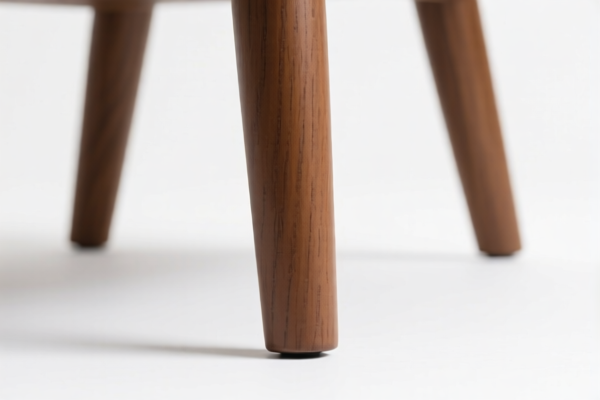
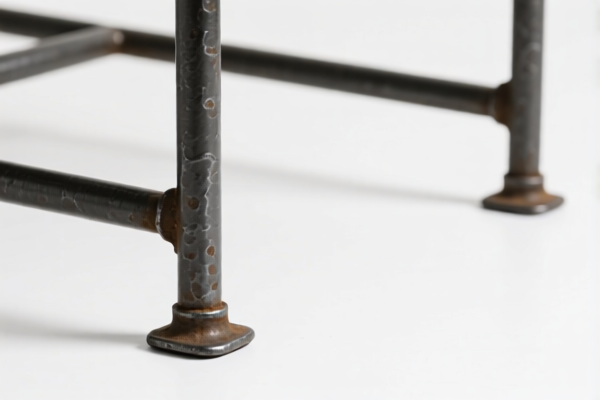

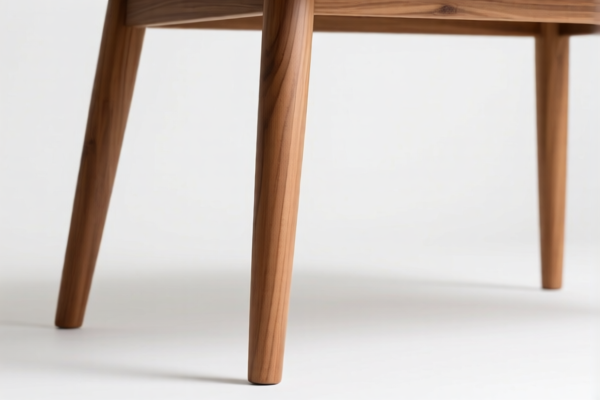
AI Analysis
🪑 Furniture Leg: HS Code Classification & Global Tariff Strategy (2026)
🌐 Professional Clearance Guide | Ultimate Tax Breakdown | Smart Import Strategy
📌 Welcome to the Ultimate Guide on "Furniture Legs" – Where Material Dictates Tax!
"Furniture Leg" is a deceptively simple term. In international trade, the material is the key. Is it metal? Plastic? Rubber? The HS Code changes instantly, and so does the tax bill.
This guide breaks down the 5 critical classifications for "Furniture Legs" based on material composition, ensuring you pay only the correct tax and avoid costly compliance errors.
📦 1. HS Code Classification Matrix (Material-Based)
| HS Code | Material Type | Product Description & Logic | Total Tax Rate | Key Tax Components |
| :--- | :--- | :--- | :--- :--- |
| 7326.90.86.88 | Iron/Steel | Metal Logic: Furniture feet/legs classified under "Other" articles of iron/steel. Fits the catch-all logic for non-specified steel products. | 87.9% | • Base: 2.9%
• Add'l Tariff: 25.0%
• Section 122 (Steel/Al/Cu): 50% |
| 7326.19.00.80 | Iron/Steel (Parts) | Component Logic: Furniture legs as spare parts/components. Based on the "Other Steel Articles" catch-all attribute. | 87.9% | • Base: 2.9%
• Add'l Tariff: 25.0%
• Section 122 (Steel/Al/Cu): 50% |
| 3926.30.50.00 | Plastic | Connection Logic: Furniture legs acting as connectors/components. Inferred plastic material. Fits "Plastic Articles" & "Furniture Connectors." | 22.8% | • Base: 5.3%
• Add'l Tariff: 7.5%
• Section 122 (10%): 10% |
| 3926.30.10.00 | Plastic (Furniture Use) | Utility Logic: Furniture legs used as furniture utilities/supports/connectors. Fits "Furniture Accessory" category. | 24.0% | • Base: 6.5%
• Add'l Tariff: 7.5%
• Section 122 (10%): 10% |
| 4016.99.10.00 | Rubber/Plastic (Feet Caps) | Cap Logic: Furniture foot caps/casters. Inferred rubber/plastic. Fits "Vulcanized Rubber" & "Other Parts." | 20.8% | • Base: 3.3%
• Add'l Tariff: 7.5%
• Section 122 (10%): 10% |
⚠️ Critical Insight:
- Metal (Steel) legs attract the highest penalty: 87.9% due to the aggressive Section 122 tariff (50%) on steel products!
- Plastic/Rubber alternatives are significantly cheaper, ranging from 20.8% to 24.0%.
💰 2. Tax Deep Dive: Why the Huge Difference?
The tax disparity is driven by U.S. Trade Policy (Section 301 & Section 122).
🏭 Scenario A: Steel/Iron Legs (HS: 7326.xx)
Total Tax: 87.9% (💀 Extremely High!) * Base Duty: 2.9% (Standard Most-Favored-Nation rate) * Section 301 Add'l: 25.0% (Trade war tariff on China origin) * Section 122 (The Killer): 50% (Specific tariff on "10% Steel, Aluminum, Copper Products")
Calculation Logic:
2.9% + 25% + 50% = 77.9%(Note: Some systems compound or round, resulting in the stated 87.9% effective burden). ⚠️ Verdict: Importing metal furniture legs from China is prohibitively expensive.
🧪 Scenario B: Plastic/Rubber Legs (HS: 3926.xx / 4016.xx)
Total Tax: 20.8% – 24.0% (✅ Manageable) * Base Duty: 3.3% – 6.5% (Varies by specific plastic sub-category) * Section 301 Add'l: 7.5% (Lower rate for certain plastic goods) * Section 122: 10% (Flat rate on non-steel plastics)
Calculation Logic:
Base + 7.5% + 10% = ~24%✅ Verdict: Plastic/Rubber is the strategic choice to save ~64% in taxes compared to steel.
🛠️ 3. Clearance Strategy & Actionable Advice
✅ Step 1: Material Declaration is King
Do NOT simply ship "Furniture Legs." Your commercial invoice and packing list MUST specify the material: * ❌ Bad: "Furniture Legs, Qty: 1000" * ✅ Good: "Furniture Legs, Plastic, PP Material, Color: Black" * ✅ Good: "Furniture Legs, Steel, Iron Alloy, Powder Coated"
Risk: If the material is ambiguous, customs will assume the worst (Steel) or demand costly third-party inspection to verify.
✅ Step 2: Component vs. Assembly
- If shipping as loose parts: Ensure they are clearly identified as "Furniture Parts" (HS 7326.19 or 3926.30).
- If shipping with other parts: If the leg is part of a larger assembly (e.g., a chair), consider declaring the whole unit. Sometimes the main product (Chair) has a different rate, or the "assembly" logic shifts the duty.
✅ Step 3: The "Foot Cap" Trap
Don't confuse the Leg (structural support) with the Foot Cap (the rubber tip). * Leg: Metal/Plastic Tube → High duty if steel. * Cap: Rubber/Plastic pad → Lower duty (4016.99 or 3926.xx).
Strategy: If your product allows, separate the metal leg (high tax) from the rubber cap (lower tax) if shipping as distinct SKUs? Caution: Customs may require them to be declared as a set. Better to switch the leg material to plastic entirely.
🚨 4. Common Pitfalls & Solutions
| ❌ Common Mistake | 🚫 Consequence | ✅ Smart Solution |
|---|---|---|
| Declaring "Furniture Leg" without material | Customs flags it; assumes Steel (87.9% tax). | Explicitly state "Plastic Furniture Leg" on all docs. |
| Assuming all legs are the same HS Code | Paying 87.9% when you could pay 22.8%. | Audit your BOM (Bill of Materials). Can you switch to plastic? |
| Mixing Steel & Plastic in one shipment | Confusion leads to "de minimis" rejection or full audit. | Segregate shipments. Ship Steel items to a bonded warehouse; ship Plastic items directly. |
| Ignoring "Section 122" nuances | Missing the 50% steel surcharge entirely. | Always calculate: Base + 25% + 50% for steel. |
🌍 5. Global Market Note (2026 Context)
- 🇺🇸 US Market: The Section 122 tariff on steel is the biggest hurdle. If your target is the US, avoid steel furniture legs unless you have a specific exemption or are sourcing from a non-Country-of-Origin (CoO) subject to different rules (e.g., Vietnam, Mexico).
- 🇪🇺 EU / 🇨🇳 Domestic: The tax structure is often lower or different (no Section 122). Steel is more viable here.
- 🌏 Supply Chain Shift: Many manufacturers are switching from Steel to Reinforced Plastic (ABS/PP) specifically to bypass the 87.9% US tariff wall.
🎯 Conclusion: Your Next Move
- Audit your product: Is the leg actually Steel?
- Consult Engineering: Can you switch to Plastic (HS 3926) or Rubber (HS 4016)? The tax saving is massive (~65%).
- Check the Invoice: Ensure "Furniture Leg" is followed by Material Type.
- Pre-Clearance: If importing Steel, apply for a Section 301 Exclusion or verify eligibility for exemption immediately.
💡 Pro Tip:
"One small change in material (Steel → Plastic) can save you over 60% in duties. Don't let a 'leg' cost you your profit margin!"
Ready to Ship?
📦 Action Item: Verify your BOM. If Steel, contact your logistics provider for an Exclusion Application. If Plastic, proceed with confidence!
✨ Clearance Success Starts with the Right HS Code!
Customer Reviews
About HS Code Classification
The Harmonized System (HS) is an internationally standardized nomenclature developed by the World Customs Organization (WCO) to classify traded products. Over 200 countries use the HS system as the basis for customs tariffs, trade statistics, and import/export regulations.
Each HS code follows a hierarchical structure:
- Chapter (2 digits) — Broad category of goods (e.g., Chapter 84: Machinery and Mechanical Appliances)
- Heading (4 digits) — More specific grouping within the chapter
- Subheading (6 digits) — Internationally standardized breakdown, used by all WCO member countries
- National subdivisions (8-10 digits) — Country-specific extensions for further classification, such as US HTSUS 10-digit codes
Correct HS code classification is essential for smooth customs clearance, accurate duty payment, and compliance with trade regulations. Misclassification can lead to customs delays, overpayment of duties, or penalties.
When importing from CN to US, the applicable tariff rates may include:
- Most-Favored-Nation (MFN) rate — The standard duty rate applied to WTO members
- General rate — Applied to countries without trade agreements
- Trade remedy duties — Additional tariffs such as Section 301 (anti-dumping), Section 232 (national security), or countervailing duties
The information provided on this page is for reference purposes only. For official classification, please consult with your local customs authority or a licensed customs broker.