Furniture Legs
CN → US| HS Code | Tariff Rate | Origin | Destination | Doc |
|---|---|---|---|---|
| 7326908688 | 87.9% | CN | US | Official Doc |
| 7326190080 | 87.9% | CN | US | Official Doc |
| 3926305000 | 22.8% | CN | US | Official Doc |
| 3926301000 | 24.0% | CN | US | Official Doc |
| 4016991000 | 20.8% | CN | US | Official Doc |
Product Images
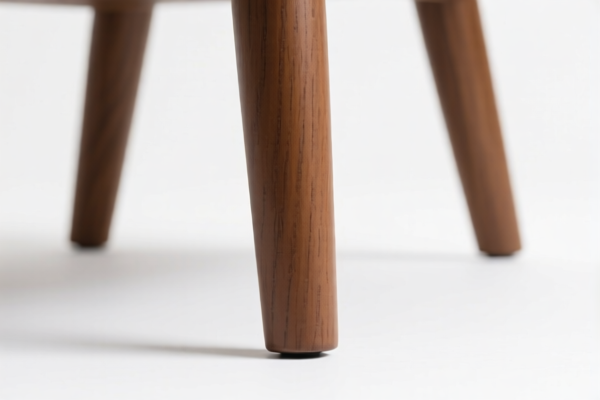
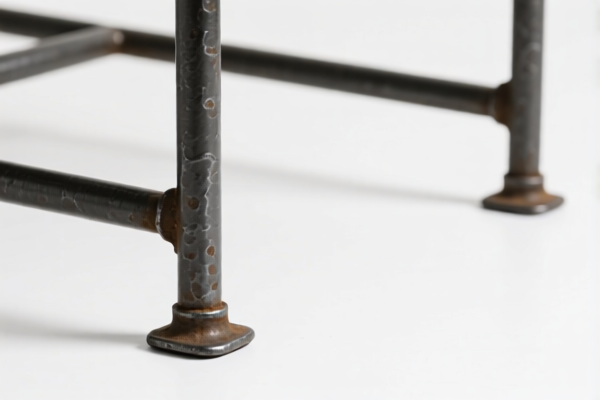

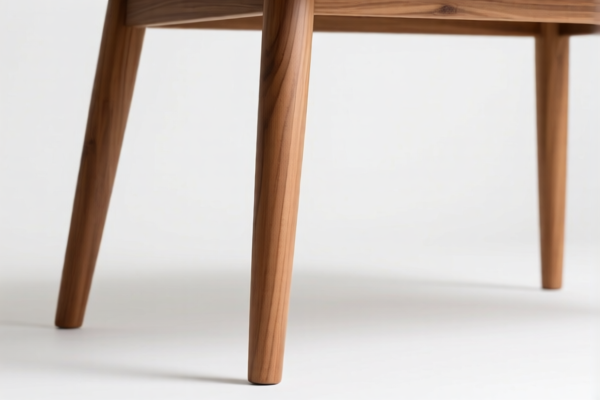
AI Analysis
🛋️ Furniture Legs (Furniture Feet & Leg Caps)
🌐 HS Code Reference & Clearance Guide | 2026 Latest Tariff Analysis | Professional Clearance Strategy
📌 One: Product Definition & Classification: Do You Know What "Furniture Legs" Really Are?
Furniture Legs are structural support components for furniture, varying significantly in material composition which dictates their HS Code and tax liability. In international trade, they are primarily categorized by their material:
- Metal Legs (Steel/Iron): The most common structural supports for tables, cabinets, and desks.
- Plastic/Composite Legs: Often used for lightweight, modern, or decorative furniture components.
- Rubber/Plastic Caps (Leg Tips): Protective covers placed on the bottom of legs to prevent floor scratching.
⚠️ Critical Distinction:
- Material is King: A metal leg and a plastic leg with the exact same shape fall under completely different HS Codes with drastically different tax rates (87.9% vs. ~22%). - Function Matters: A leg used as a structural support is taxed differently from a purely decorative or protective "cap."
📦 Two: HS Code Classification Details (2026 Latest Tariff Authority)
| HS Code | Material/Type | Product Description & Logic | Total Tax Rate |
|---|---|---|---|
7326.90.86.88 |
Steel/Iron | Furniture Feet: Classified under "Other articles of iron/steel." Fits the "catch-all" logic for unlisted steel products. | 87.9% |
7326.19.00.80 |
Steel/Iron | Parts/Components: As spare parts or accessories for metal furniture, inferred as metallic based on the "other articles" catch-all. | 87.9% |
3926.30.50.00 |
Plastic | Plastic Connectors: Classified as plastic articles for furniture (connecting/structural parts). Fits "Plastic articles & furniture connectors." | 22.8% |
3926.30.10.00 |
Plastic | Furniture Accessories: Classified as furniture utensils/support parts. Fits the category of furniture use and support/connecting functions. | 24.0% |
4016.99.10.00 |
Rubber/Plastic | Leg Caps (Feet): Inferred as rubber or plastic, classified as "Other vulcanized rubber articles" or parts for furniture. | 20.8% |
🔍 Key Insight:
- Metal vs. Plastic Gap: The tax difference between metal (87.9%) and plastic (~22-24%) is massive. Misdeclaring a metal leg as plastic to save taxes will lead to severe penalties. - Caps vs. Legs: If the item is just a small rubber tip/cap, it falls under rubber (4016...), not metal or plastic structural legs.
💰 Three: 2026 Latest Tariff Rate Breakdown (Including Surcharges & Policy Add-ons)
✅ Applicable Country: USA (United States)
✅ Origin: China (CN)
✅ Effective Date: Current / 2026 Projection (Based on Section 301 & Section 122 provisions)
🎯 1. 7326.90.86.88 & 7326.19.00.80 —— Metal Furniture Legs (Steel/Iron)
| Item | Content |
|---|---|
| Base Duty (MFN) | 2.9% (Standard Most-Favored-Nation rate) |
| Section 301 Add-on | +25.0% (Targeted "Additional" Tariff on Chinese steel) |
| Section 122 Add-on | +50.0% (Specific to Steel/Aluminum/Copper products under 10% threshold logic) |
| Total Effective Rate | 87.9% |
| Tax Calculation | CIF Value × 87.9% |
| De Minimis Exemption | ❌ NOT APPLICABLE (Steel products are heavily targeted) |
| Legal Path | Section 301 + Section 122 (Steel & Aluminum) |
📌 Explanation:
- Metal furniture legs are treated as Steel/Aluminum products under current US trade policy. - The 50% "122 Clause" tariff is a massive surcharge specifically targeting raw steel/aluminum/copper products, driving the total to nearly 90%. - Result: Extremely high duty cost. Most importers avoid direct import of raw metal legs unless they have a strategic supply chain.
🎯 2. 3926.30.50.00 —— Plastic Furniture Legs (Connectors/Supports)
| Item | Content |
|---|---|
| Base Duty (MFN) | 5.3% |
| Section 301 Add-on | +7.5% (Selective Add-on Tariff) |
| Section 122 Add-on | +10% (Specific to 10% threshold for certain plastics) |
| Total Effective Rate | 22.8% |
| Tax Calculation | CIF Value × 22.8% |
| De Minimis Exemption | ❌ NOT APPLICABLE (But rate is manageable) |
| Legal Path | Section 301 + Section 122 (Plastic components) |
📌 Note:
- Plastic legs are significantly cheaper to import. - The "10% Section 122" is lower than the 50% steel surcharge, making this the preferred material for cost-sensitive logistics.
🎯 3. 3926.30.10.00 —— Plastic Furniture Accessories
| Item | Content |
|---|---|
| Base Duty (MFN) | 6.5% |
| Section 301 Add-on | +7.5% |
| Section 122 Add-on | +10% |
| Total Effective Rate | 24.0% |
| Tax Calculation | CIF Value × 24.0% |
| Legal Path | Section 301 + Section 122 |
📌 Note:
- Slightly higher base rate than3926.30.50.00due to "Furniture Utensils" classification, but still远低于 metal legs.
🎯 4. 4016.99.10.00 —— Furniture Leg Caps (Rubber/Plastic)
| Item | Content |
|---|---|
| Base Duty (MFN) | 3.3% |
| Section 301 Add-on | +7.5% |
| Section 122 Add-on | +10% |
| Total Effective Rate | 20.8% |
| Tax Calculation | CIF Value × 20.8% |
| Legal Path | Section 301 + Section 122 (Rubber products) |
📌 Note:
- The lowest tax rate of the group. Ideal for small components like "feet caps" or "grip pads." - Often used as "accessories" to reduce overall shipping weight and duty burden compared to full metal legs.
🛠️ Four: Clearance Practical Suggestions (Avoid Pitfalls)
✅ 1. Material Declaration Strategy (Crucial!)
| Scenario | Correct Action | Risk of Error |
|---|---|---|
| Metal Legs | Declare 7326.90.86.88 or 7326.19.00.80. Be prepared for 87.9% tax. |
If declared as plastic -> Customs Penalty/Seizure. |
| Plastic Legs | Declare 3926.30.50.00 (22.8%) or 3926.30.10.00 (24.0%). |
If declared as metal -> Overpaying 65%+. |
| Leg Caps | Declare 4016.99.10.00 (20.8%) if rubber/plastic. |
Mixing metal caps with plastic legs -> Confusion. |
🔥 Golden Rule: "Material is the Tax King!"
- If your product is 95% plastic but has a small metal pin, the entire item might be classified as Steel if the function is structural. - Recommendation: If possible, source plastic legs to save ~65% in tariffs compared to steel.
✅ 2. Documentation Checklist (Must-Haves)
| Document | Requirement | Why? |
|---|---|---|
| Material Composition Cert | ✔️ Required | Proves if it is Steel (7326) or Plastic (3926). Customs will ask! |
| Product Photos | ✔️ Required | Must show the finish, texture, and lack of metal sheen if claiming plastic. |
| Bill of Materials (BOM) | ✔️ Required | Shows exact ratio of components (e.g., "90% Plastic, 10% Rubber Cap"). |
| Technical Spec Sheet | ✔️ Required | Describes function (Support vs. Decoration). |
✅ 3. Special Situation Handling
| Situation | Strategy |
|---|---|
| Hybrid Legs (Wood base + Metal tip) | Often classified by dominant material. If metal tip is structural, risk 7326. |
| Furniture with Pre-Attached Legs | If importing the whole table, legs are "parts of furniture" (Chapter 94). |
| Small Quantity (Samples) | Still subject to 87.9% if metal. De minimis usually doesn't apply to steel. |
🌍 Five: Global Market Comparison (2026 Snapshot)
| Market | Recommended HS Code | Est. Duty (China Origin) | Key Risk |
|---|---|---|---|
| 🇺🇸 USA | 7326.90.86.88 (Metal) / 3926.30.50.00 (Plastic) |
87.9% (Metal) / 22.8% (Plastic) | Highest Risk for Steel due to Section 122. |
| 🇪🇺 EU | 7326.90 / 3926.30 |
Low (Base ~4-7%) | No Section 122. Plastic is cheap. |
| 🇨🇦 Canada | 7326.90 / 3926.30 |
Moderate (Base ~5-10%) | Lower surcharge than US, but still high for steel. |
📌 Conclusion:
- The USA is the most aggressive market for steel furniture legs due to the 122 Clause (50% surcharge). - Plastic legs are the strategic alternative for the US market to avoid the 87.9% tariff wall.
📌 Six: Common Mistakes & Pitfalls (Lessons Learned)
❌ Mistake 1: Declaring steel legs as "Plastic" to save money.
👉 Result: Customs audit, fine, and seizure. Steel and plastic are distinct.
❌ Mistake 2: Classifying "Leg Caps" under the same code as "Legs".
👉 Result: Missed optimization. Caps (4016) are cheaper (20.8%) than structural legs. Declare separately if possible.
❌ Mistake 3: Ignoring the "Section 122" steel surcharge.
👉 Result: Budgeting based on 30% tariff, only to face 87.9%. Always check the 50% steel surcharge.
✅ Correct Approach:
"Identify Material First, Then Check Code, Finally Calculate Surcharge."
🎯 Seven: Conclusion: Strategic Sourcing for Profit
🎯 The Golden Strategy:
🔹 "If you must import to the US, switch to Plastic (
3926) to cut 65% off the tax bill."
🔹 "If Steel is mandatory, budget 87.9% and seek alternative suppliers in Vietnam/Mexico to avoid Section 122."
📌 Pro Tip:
If your furniture legs are originating from Vietnam, Mexico, or Malaysia, you might qualify for Section 301/122 exemptions (check current FTZ status).
Action: Apply for Advance Ruling (Pre-classification) from CBP before shipping to lock in your rate.
📣 Immediate Action:
📞 Contact your Logistics Partner + Verify Material Certs + Check US Section 122 Exclusions
🚀 Optimize your supply chain, avoid the 87.9% steel wall!
✨ Professional Classification, Your Key to Profitable Trade!
💼 Every Percent of Tax Saved is Profit Earned!
Customer Reviews
About HS Code Classification
The Harmonized System (HS) is an internationally standardized nomenclature developed by the World Customs Organization (WCO) to classify traded products. Over 200 countries use the HS system as the basis for customs tariffs, trade statistics, and import/export regulations.
Each HS code follows a hierarchical structure:
- Chapter (2 digits) — Broad category of goods (e.g., Chapter 84: Machinery and Mechanical Appliances)
- Heading (4 digits) — More specific grouping within the chapter
- Subheading (6 digits) — Internationally standardized breakdown, used by all WCO member countries
- National subdivisions (8-10 digits) — Country-specific extensions for further classification, such as US HTSUS 10-digit codes
Correct HS code classification is essential for smooth customs clearance, accurate duty payment, and compliance with trade regulations. Misclassification can lead to customs delays, overpayment of duties, or penalties.
When importing from CN to US, the applicable tariff rates may include:
- Most-Favored-Nation (MFN) rate — The standard duty rate applied to WTO members
- General rate — Applied to countries without trade agreements
- Trade remedy duties — Additional tariffs such as Section 301 (anti-dumping), Section 232 (national security), or countervailing duties
The information provided on this page is for reference purposes only. For official classification, please consult with your local customs authority or a licensed customs broker.