Furniture Pads
CN → US| HS Code | Tariff Rate | Origin | Destination | Doc |
|---|---|---|---|---|
| 6304920000 | 23.8% | CN | US | Official Doc |
| 3926909989 | 22.8% | CN | US | Official Doc |
| 4016996050 | 37.5% | CN | US | Official Doc |
| 4016990500 | 20.9% | CN | US | Official Doc |
| 3926909950 | 22.8% | CN | US | Official Doc |
Product Images
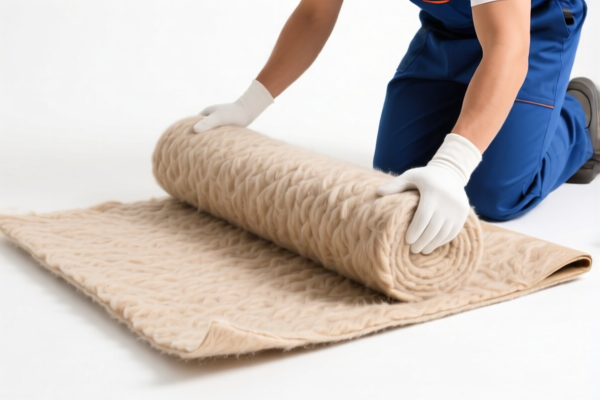
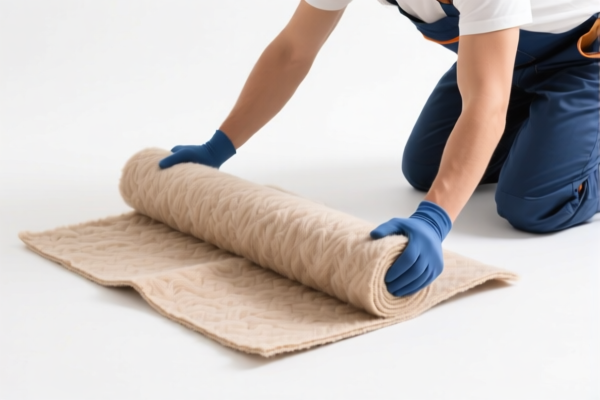
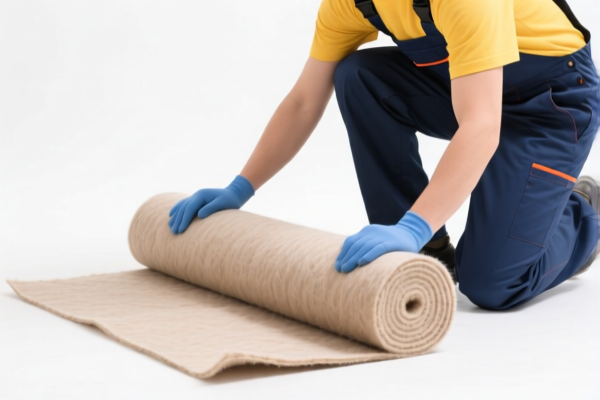

AI Analysis
🛋️ Furniture Pads (Cushions, Protective Mats, & Anti-Slip Pads)
🌐 HS Code Reference & Customs Clearance Guide | 2026 Latest Tariff Breakdown | Professional Compliance Strategy
📌 I. Product Definition & Classification: What Exactly Are "Furniture Pads"?
Furniture Pads are a broad category of protective or comfort accessories used to prevent floor damage, reduce noise, or provide cushioning for furniture legs, seats, or equipment. In international trade, the HS Code depends strictly on the material composition and specific function.
There is no single "Furniture Pad" code. Misclassification is the #1 cause of customs delays and excessive tariffs.
⚠️ Key Classification Logic:
- Cotton/Textile Base (e.g., felt, fabric-lined pads) → Chapter 63
- Plastic/Rubber Base (e.g., non-slip mats, rubber glides) → Chapter 39 or 40
- Medical/Transport Specific (e.g., positioning pads) → Specific Use Codes
📦 II. HS Code Classification Details (2026 Latest Tariff Reference)
Based on the provided data, here are the four potential HS Codes for "Furniture Pads" depending on material and usage:
| HS Code | Product Description | Material Basis | Key Identifier |
|---|---|---|---|
6304.92.00.00 |
Textile-Based Underlays | Cotton/Textile | "Bottoming category based on cotton or textile items" |
3926.90.99.89 |
Synthetic Plastic/Rubber Goods | Plastic/Synthetic | "Plastic or rubber synthetic material base" |
4016.99.60.50 |
Vulcanized Rubber Products | Rubber | "Vulcanized rubber products made of rubber material" |
4016.99.05.00 |
General Household Protection | Rubber/Plastic | "General household protective items made of rubber or plastic" |
3926.90.99.50 |
Medical/Transport Positioning | Plastic/Rubber | "For medical positioning or transport pad purposes" |
🔍 Critical Note:
- If the pad is primarily fabric/felt (even with a rubber adhesive back), it often falls under 6304.92.00.00 or 3926.90.99.89 depending on which material forms the bulk of the item. - If the pad is pure rubber (e.g., heavy-duty anti-slip mats), it falls under 4016. - If the pad is for medical use (e.g., preventing bedsores or positioning patients), it falls under 3926.90.99.50.
💰 III. 2026 Latest Tariff Rate Breakdown (Including Surcharges & Policy Add-ons)
✅ Applicable Country: United States (US)
✅ Origin: China (CN)
✅ Effective Time: 2025/2026 (Current Active Rates)
🎯 1. 6304.92.00.00 —— Textile-Based Underlays (Cotton/Textile)
| Item | Content |
|---|---|
| Base Tariff | 6.3% |
| Section 301 Surtax | 7.5% |
| Section 122 Tariff | 10.0% |
| Total Tariff | 23.8% |
| Tax Calculation | CIF Value × 23.8% |
| De Minimis Exemption | ❌ Not Applicable (High risk of scrutiny) |
| Legal Basis Path | Base:6.3% → Sect301:7.5% → 122:10% |
📌 Explanation:
- This code captures pads where the textile component is dominant. - The 23.8% rate is significant. Do not assume it’s low because it’s "textile." The 122 and 301 tariffs apply heavily to Chinese textiles/goods.
🎯 2. 3926.90.99.89 —— Plastic/Rubber Synthetic Goods
| Item | Content |
|---|---|
| Base Tariff | 5.3% |
| Section 301 Surtax | 7.5% |
| Section 122 Tariff | 10.0% |
| Total Tariff | 22.8% |
| Tax Calculation | CIF Value × 22.8% |
| De Minimis Exemption | ❌ Not Applicable |
| Legal Basis Path | Base:5.3% → Sect301:7.5% → 122:10% |
📌 Explanation:
- This is a "catch-all" for plastic/rubber articles not specified elsewhere. - Often used for non-woven fabric mats or composite pads where plastic/synthetic is the main structural element. - 22.8% is slightly lower than the textile version but still high due to mandatory add-ons.
🎯 3. 4016.99.60.50 —— Vulcanized Rubber Products
| Item | Content |
|---|---|
| Base Tariff | 2.5% |
| Section 301 Surtax | 25.0% |
| Section 122 Tariff | 10.0% |
| Total Tariff | 37.5% |
| Tax Calculation | CIF Value × 37.5% |
| De Minimis Exemption | ❌ Not Applicable |
| Legal Basis Path | Base:2.5% → Sect301:25.0% → 122:10% |
📌 Explanation:
- ⚠️ HIGH RISK CODE.
- Rubber products often face the maximum 25% Section 301 surtax. - Even though the base tariff is low (2.5%), the 37.5% total makes this the most expensive option for pure rubber pads. - Only use if the product is 100% vulcanized rubber and no other code fits better.
🎯 4. 4016.99.05.00 —— General Household Protection (Rubber/Plastic)
| Item | Content |
|---|---|
| Base Tariff | 3.4% |
| Section 301 Surtax | 7.5% |
| Section 122 Tariff | 10.0% |
| Total Tariff | 20.9% |
| Tax Calculation | CIF Value × 20.9% |
| De Minimis Exemption | ❌ Not Applicable |
| Legal Basis Path | Base:3.4% → Sect301:7.5% → 122:10% |
📌 Explanation:
- This code is for general household protective items made of rubber or plastic. - It is more favorable than the pure rubber code (4016.99.60.50) because it avoids the 25% surtax. - Best option for standard rubber/plastic furniture glides, anti-slip mats, and protective floor pads.
🎯 5. 3926.90.99.50 —— Medical/Transport Positioning Pads
| Item | Content |
|---|---|
| Base Tariff | 5.3% |
| Section 301 Surtax | 7.5% |
| Section 122 Tariff | 10.0% |
| Total Tariff | 22.8% |
| Tax Calculation | CIF Value × 22.8% |
| De Minimis Exemption | ❌ Not Applicable |
| Legal Basis Path | Base:5.3% → Sect301:7.5% → 122:10% |
📌 Explanation:
- ONLY for pads explicitly designed for medical positioning (e.g., hospital beds, patient transfer) or transport logistics (e.g., pallet mats for goods stability). - Misusing this code for household furniture pads will lead to customs rejection and penalties.
🛠️ IV. Customs Clearance Practical Advice (Pitfall Avoidance Guide)
✅ 1. Preparation Checklist (Required Documents)
| Document | Must Provide | Description |
|---|---|---|
| ✅ Product Composition Sheet | ✔️ | CRITICAL. Must specify % of cotton, plastic, rubber, adhesive. Customs uses this to pick the right HS code. |
| ✅ Product Photos | ✔️ | Show texture, thickness, and any labels (e.g., "Medical Use" vs. "Home Use"). |
| ✅ Commercial Invoice | ✔️ | Describe accurately: "Polyester Felt Furniture Pad" vs. "Vulcanized Rubber Mat." |
| ✅ Usage Declaration | ✔️ | State intended use: Household, Medical, or Industrial Transport. |
| ✅ Material Safety Data Sheet (MSDS) | ✔️ | If adhesive or chemical coating is involved. |
✅ 2. Declaration Strategy (Key Mnemonics)
🔥 "Material Determines Code, Use Determines Code, Surtax Determines Profit!"
| Scenario | Correct HS Code | Total Tax | Why? |
|---|---|---|---|
| Felt/Cotton Pad (with adhesive) | 6304.92.00.00 |
23.8% | Textile base dominates. |
| Plastic/Rubber Home Mat | 4016.99.05.00 |
20.9% | Lowest tax for rubber/plastic household items. |
| Pure Rubber Glide | 4016.99.60.50 |
37.5% | High 301 surtax applies. Avoid if possible. |
| Medical Positioning Pad | 3926.90.99.50 |
22.8% | Only if medical/transport specific. |
| Generic Plastic Sheet | 3926.90.99.89 |
22.8% | Catch-all for synthetic goods. |
✅ 3. Special Cases
| Case | Handling Advice |
|---|---|
| Composite Pads (e.g., rubber + fabric) | If fabric is >50% by weight, consider 6304. If rubber is dominant, consider 4016. Consistency is key. |
| Adhesive-Backed Pads | The adhesive layer usually doesn’t change the code unless it’s the primary feature. Focus on the substrate (the pad itself). |
| Medical Claims | If you claim 3926.90.99.50, you must provide medical device registration or proof of intended medical use. Otherwise, it will be reclassified as household (4016.99.05.00 or 3926.90.99.89). |
🌍 V. Global Market Comparison (2026)
| Country/Region | Recommended HS Code | Tariff (China Origin) | Key Requirements |
|---|---|---|---|
| 🇺🇸 USA | 4016.99.05.00 |
20.9% | Strict material declaration. High scrutiny on 301/122 tariffs. |
| 🇺🇸 USA | 4016.99.60.50 |
37.5% | Avoid unless necessary. High cost. |
| 🇨🇳 China | Varies | ~5-10% | Lower tariffs, but check import regulations. |
| 🇪🇺 EU | Varies (e.g., 4016) | ~0-6% | No Section 301/122. Focus on REACH/RoHS compliance. |
📌 Conclusion:
- The USA market is the most complex due to layered tariffs (Base + 301 + 122). -4016.99.05.00(20.9%) is generally the most cost-effective for rubber/plastic furniture pads. -6304.92.00.00(23.8%) is standard for textile-based pads. - Avoid4016.99.60.50(37.5%) for general furniture pads unless it’s a specialized industrial rubber part.
📌 VI. Common Errors & Pitfalls (Blood & Tears Lessons)
❌ Mistake 1: Calling all pads "Rubber Pads"
👉 Result: If it’s cotton/felt, customs may reclassify to 6304 or 3926, causing delays.
✅ Fix: Be specific: "Felt Pad," "Rubber Mat," or "Plastic Glide."
❌ Mistake 2: Using 3926.90.99.50 for Home Furniture
👉 Result: Customs怀疑 (suspicion) of fraudulent declaration. Penalty + Back Taxes.
✅ Fix: Only use medical/transport code if the product is exclusively for that purpose.
❌ Mistake 3: Ignoring the 25% Surtax on 4016.99.60.50
👉 Result: Unexpected 37.5% tax bill, killing profit margins.
✅ Fix: Check if 4016.99.05.00 (20.9%) is a better fit for "general household use."
❌ Mistake 4: Not declaring Material Composition
👉 Result: Customs assigns a "highest duty" generic code.
✅ Fix: Provide a detailed Bill of Materials (BOM) or composition sheet.
🎯 VII. Conclusion: Precision Saves Money!
🎯 Remember the Rules:
🔹 "Fabric = 23.8%, Plastic/Home Rubber = 20.9%, Pure Industrial Rubber = 37.5%."
🔹 "Use the right code, keep the right margin. Wrong code? Pay double!"
📌 Pro Tip:
If your furniture pads are small, low-value, and under $800, check if they qualify for De Minimis exemption (Section 321). However, China-origin goods face stricter scrutiny, and many high-tariff codes may still be flagged. Always verify with a customs broker.
📣 Action Plan:
📞 Contact a Licensed Customs Broker + Provide Product Photos + Declare Exact Material %
🚀 Optimize Your HS Code to4016.99.05.00(20.9%) where possible to save 16.6% vs. pure rubber!
✨ Smart Classification = Higher Profits!
💼 Don’t let customs duties eat your margin!
Customer Reviews
About HS Code Classification
The Harmonized System (HS) is an internationally standardized nomenclature developed by the World Customs Organization (WCO) to classify traded products. Over 200 countries use the HS system as the basis for customs tariffs, trade statistics, and import/export regulations.
Each HS code follows a hierarchical structure:
- Chapter (2 digits) — Broad category of goods (e.g., Chapter 84: Machinery and Mechanical Appliances)
- Heading (4 digits) — More specific grouping within the chapter
- Subheading (6 digits) — Internationally standardized breakdown, used by all WCO member countries
- National subdivisions (8-10 digits) — Country-specific extensions for further classification, such as US HTSUS 10-digit codes
Correct HS code classification is essential for smooth customs clearance, accurate duty payment, and compliance with trade regulations. Misclassification can lead to customs delays, overpayment of duties, or penalties.
When importing from CN to US, the applicable tariff rates may include:
- Most-Favored-Nation (MFN) rate — The standard duty rate applied to WTO members
- General rate — Applied to countries without trade agreements
- Trade remedy duties — Additional tariffs such as Section 301 (anti-dumping), Section 232 (national security), or countervailing duties
The information provided on this page is for reference purposes only. For official classification, please consult with your local customs authority or a licensed customs broker.