Furniture Veneer Protective Film
CN → US| HS Code | Tariff Rate | Origin | Destination | Doc |
|---|---|---|---|---|
| 3920991000 | 41.0% | CN | US | Official Doc |
| 3920490000 | 40.8% | CN | US | Official Doc |
| 3926305000 | 22.8% | CN | US | Official Doc |
| 3926909989 | 22.8% | CN | US | Official Doc |
| 3920991000 | 41.0% | CN | US | Official Doc |
Product Images
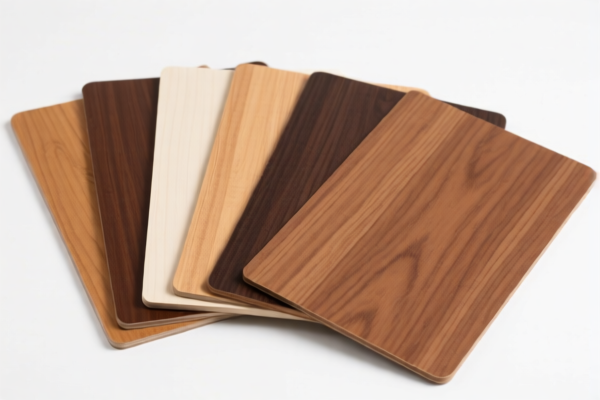
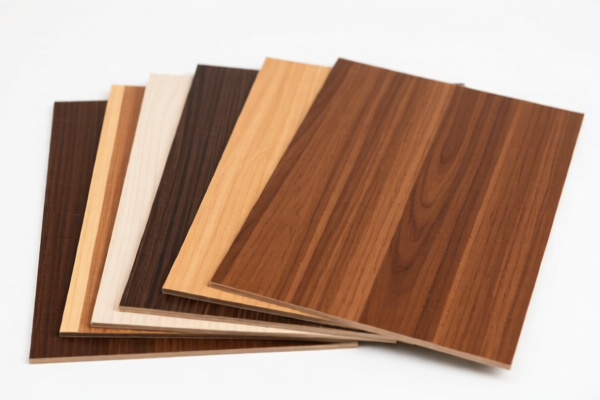
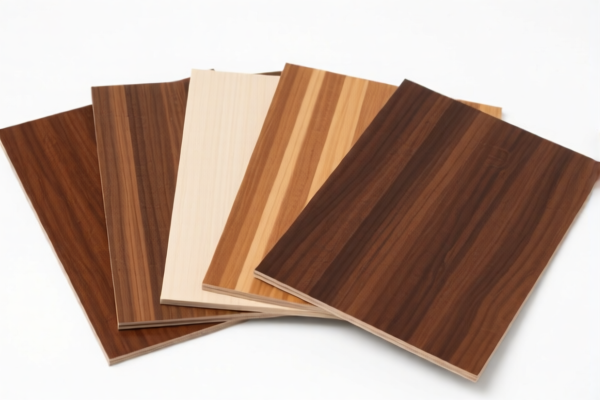
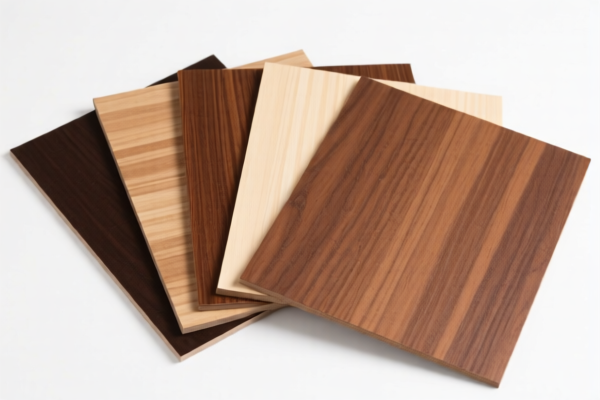
AI Analysis
🪵 Furniture Veneer Protective Film
🌐 HS Code Reference & Customs Clearance Guide | 2026 Latest Tariff Analysis | Professional Clearance Strategy
📌 I. Product Definition & Classification: What Exactly is "Furniture Veneer Protective Film"?
Furniture Veneer Protective Film is a specialized plastic film used to protect the surface of wooden veneers, solid wood, or engineered wood products during storage, transportation, and processing. It is typically adhesive-backed, transparent, and resistant to scratching, moisture, and UV light.
In international trade, its classification hinges on two key factors: 1. Form Factor: Is it a simple roll/film (Heading 3920) or a finished article/component (Heading 3926)? 2. End-Use/Function: Is it strictly a "plastic film" or a "furniture fitting/accessory"?
⚠️ Critical Distinction:
- If the product is primarily defined by its material composition (plastic) and form (thin sheet/film) without being a specific "part of furniture," it often falls under Chapter 39 (Plastics).
- If it is considered a component of furniture (e.g., pre-applied protective layer integral to the furniture piece), it may fall under 3926 (Articles of Plastics).
- However, for protective films sold separately, customs authorities often scrutinize whether it is a "film" (3920) or an "other plastic article" (3926). The provided data suggests multiple potential classifications with vastly different tax implications due to US trade policies.
📦 II. HS Code Classification Details (Based on Provided Data)
The following HS Codes are derived directly from the <DATA> provided. Note that the same product description can lead to different classifications based on interpretive nuances (e.g., "laminated use" vs. "general purpose").
| HS Code | Product Description (Summary) | Key Classification Logic | Estimated Total Tax Rate* |
|---|---|---|---|
| 3920.99.10.00 | Other Plastic Films (Plastic Material, Film Form) | Classified strictly as a plastic film. Often applied to laminated or composite uses. | 41.0% |
| 3920.49.00.00 | Other Plastic Films (e.g., PVC Material, Film Form) | Specific mention of PVC or similar base polymer. Classified as "other plastic films." | 40.8% |
| 3926.30.50.00 | Furniture Fittings/Parts (Plastic Material) | Classified as a furniture accessory/part. The film is viewed as an integral fitting for furniture protection. | 22.8% |
| 3926.90.99.89 | Other Plastic Articles (Plastic Material, Film Form) | Classified as a general plastic article not elsewhere specified. | 22.8% |
| 3920.99.10.00 | Other Plastic Films (Plastic Material, Film Form) | Same as first entry, but explicitly noted for laminated/compounded uses. | 41.0% |
🔍 Key Insight:
- The difference between ~41% (Chapter 3920) and ~22.8% (Chapter 3926) is significant.
- Chapter 3920 (Plastics in primary forms/films) is subject to higher additional tariffs.
- Chapter 3926 (Articles of plastics) is subject to lower additional tariffs.
- Strategic Note: If the product can be argued as a "furniture part" (3926) rather than a "raw plastic film" (3920), you may save ~18-18.2% in total taxes.
💰 III. 2026 Latest Tariff Rate Breakdown (Detailed Policy Analysis)
✅ Applicable Country: United States (US)
✅ Origin: China (CN) (Implied by the 122 Clause and Section 301 context)
✅ Effective Date: Post-2025 Trade Policy Adjustments
🎯 1. High-Tax Path: HS Code 3920.99.10.00 & 3920.49.00.00
(Classification as "Plastic Film")
| Item | Content |
|---|---|
| Base Duty Rate | 6.0% (for 3920.99) / 5.8% (for 3920.49) |
| Section 301 Duty | +25.0% (Trump-era/Continued Section 301 tariffs on Chinese plastics) |
| Section 122 Duty | +10.0% (Specific 122 clause tariff for certain plastic films/articles) |
| Total Tax Rate | 41.0% (3920.99) / 40.8% (3920.49) |
| Tax Calculation | CIF Value × 41.0% |
| De Minimis Exemption | ❌ Not Eligible (Deny de minimis for Section 301/122 goods) |
📌 Explanation:
- The 25% Section 301 tariff applies to most Chinese plastic products.
- The 10% "122 Clause" tariff is a specific additional levy on certain plastic films, often tied to trade remedy investigations.
- Total ~41% makes importing this film as a "plastic film" extremely costly.
🎯 2. Low-Tax Path: HS Code 3926.30.50.00 & 3926.90.99.89
(Classification as "Furniture Fitting" or "Other Plastic Article")
| Item | Content |
|---|---|
| Base Duty Rate | 5.3% |
| Section 301 Duty | +7.5% (Lower Section 301 rate for "furniture parts" or specific plastic articles) |
| Section 122 Duty | +10.0% (Note: Some data shows 122 clause still applies, or is mitigated) |
| Total Tax Rate | 22.8% |
| Tax Calculation | CIF Value × 22.8% |
| De Minimis Exemption | ❌ Not Eligible (Generally, Section 301 goods are excluded) |
📌 Explanation:
- The Section 301 rate drops to 7.5% for certain furniture-related plastic articles (3926).
- The base duty is lower (5.3%) compared to films (6.0%).
- Total ~22.8% is less than half the tax burden of the film classification.
🛠️ IV. Customs Clearance Practical Advice (Real-World Pitfall Avoidance)
✅ 1. Documentation Checklist (Mandatory)
| Document | Required? | Purpose |
|---|---|---|
| ✅ Product Specification Sheet | ✔️ | Must detail: Material (e.g., PE, PVC), Thickness, Adhesive Type, Roll Width/Length. |
| ✅ Commercial Invoice | ✔️ | Clearly state: "Protective Film for Furniture Veneer" or "Furniture Accessory – Protective Film". |
| ✅ Packing List | ✔️ | Specify if films are rolled on cores, stacked, or packaged with furniture. |
| ✅ Certificate of Origin (CO) | ✔️ | Confirm Chinese origin to apply correct 301/122 rates. |
| ✅ Usage Declaration | ✔️ | Crucial: Declare if it is a "standalone film" (3920) or "furniture fitting" (3926). |
| ✅ Photos of Product & Label | ✔️ | Show packaging, labeling, and physical appearance. |
✅ 2. Classification Strategy (Key Recommendation)
🔥 "Argue the Use, Not Just the Material!"
| Scenario | Recommended HS Code | Tax Rate | Why? |
|---|---|---|---|
| Film sold separately as a raw material for veneer protection | 3926.30.50.00 (Furniture Fitting) | 22.8% | Argue it is an "article of plastic" specifically designed for furniture use, not a general-purpose film. |
| Film pre-applied to veneer sheets sold as a finished product | 3920.99.10.00 | 41.0% | Treated as a laminated plastic product/film. Higher tax risk. |
| PVC-specific film | 3920.49.00.00 | 40.8% | PVC films face higher scrutiny and tariffs. Avoid if possible. |
| General plastic wrap (not furniture-specific) | 3926.90.99.89 | 22.8% | "Other plastic articles" may qualify for lower 301 rate. |
📌 Critical Tip:
- Do NOT simply label as "Plastic Film" on invoices if you aim for 3926.
- Use terms like "Furniture Protection Accessory", "Veneer Care Film", or "Furniture Fitting – Protective Layer".
- If the film is custom-printed with furniture branding or sized specifically for furniture parts, it strengthens the case for 3926.
✅ 3. Special Handling & Compliance
| Issue | Action |
|---|---|
| Section 301 Exclusion | Check if your specific HS Code is on the US Trade Representative (USTR) Exclusion List. Most 3920/3926 plastic films are not excluded. |
| Section 122 Clause | Verify if the 10% 122 tariff applies to your specific product description. The data indicates it does apply to both paths, but the base/301 rates differ. |
| De Minimis ($800) | ❌ No Exemption: Section 301 and 122 duties apply even to small shipments under $800. Plan for full tax payment. |
| Anti-Dumping/Countervailing | Check if PVC films (3920.49) face additional AD/CVD duties. None noted in data, but always verify. |
🌍 V. Global Market Comparison (2026)
| Region | Recommended HS Code | Est. Duty | Notes |
|---|---|---|---|
| 🇺🇸 USA | 3926.30.50.00 | 22.8% | Best rate. Avoid 3920 if possible. |
| 🇨🇳 China | 3920.99 / 3926.90 | 0% - 6% | Low base duty, no 301/122. |
| 🇪🇺 EU | 3920.20 / 3926.90 | 4.5% - 6.5% | No Section 301/122. Standard MFN rates apply. |
| 🇬🇧 UK | 3920.20 / 3926.90 | 4.5% - 6.5% | Post-Brexit, similar to EU. |
| 🇯🇵 Japan | 3920.20 / 3926.90 | 3.8% - 5.0% | Low duties, no major political tariffs. |
📌 Conclusion:
- The US market is uniquely punitive due to Section 301 and 122 tariffs.
- Strategic classification between 3920 (Film) and 3926 (Article) is the most critical cost-saving lever.
- A 18%+ difference in duty can make or break profitability.
📌 VI. Common Errors & Pitfalls (Lessons Learned)
❌ Error 1: Labeling as "Plastic Wrap" or "Film" for 3920
👉 Consequence: Subject to 41% tax instead of 22.8%.
👉 Fix: Use "Furniture Accessory" or "Protective Fitting" in declaration.
❌ Error 2: Assuming De Minimis Exemption ($800)
👉 Consequence: Small shipments still taxed at 41% or 22.8%.
👉 Fix: Factor full duty into LCL/FCL pricing.
❌ Error 3: Using PVC-specific code (3920.49) unnecessarily
👉 Consequence: 40.8% tax + potential AD/CVD scrutiny.
👉 Fix: Use generic plastic film code (3920.99) or 3926 if material allows.
❌ Error 4: Inconsistent Product Descriptions
👉 Consequence: Customs audit, delays, penalties.
👉 Fix: Ensure Invoice, Packing List, and Spec Sheet all align with the chosen HS Code logic.
🎯 VII. Conclusion: Optimize Classification, Maximize Margin
🎯 Key Takeaway:
🔹 "Film = 41% | Fitting = 22.8%"
🔹 Classify as "Furniture Accessory" (3926) to save ~18% in US tariffs.
🔹 Avoid "PVC Film" (3920.49) if possible; it carries the highest burden.
📌 Pro Tip:
If you are importing large volumes, consider pre-classification rulings from US CBP.
If you can demonstrate the film is custom-sized for furniture or part of a furniture kit, the case for 3926 is stronger.
📣 Immediate Action:
📞 Consult a Customs Broker: Verify if your specific film formulation (PE, PVC, PET) can legally be classified under 3926.30.50.00.
🚀 Adjust Invoicing: Change product descriptions to reflect end-use (furniture protection) rather than just material (plastic film).
✨ Precision in Classification is Precision in Profit!
💼 Don't let a 10-digit code cost you an 18% margin!
Customer Reviews
About HS Code Classification
The Harmonized System (HS) is an internationally standardized nomenclature developed by the World Customs Organization (WCO) to classify traded products. Over 200 countries use the HS system as the basis for customs tariffs, trade statistics, and import/export regulations.
Each HS code follows a hierarchical structure:
- Chapter (2 digits) — Broad category of goods (e.g., Chapter 84: Machinery and Mechanical Appliances)
- Heading (4 digits) — More specific grouping within the chapter
- Subheading (6 digits) — Internationally standardized breakdown, used by all WCO member countries
- National subdivisions (8-10 digits) — Country-specific extensions for further classification, such as US HTSUS 10-digit codes
Correct HS code classification is essential for smooth customs clearance, accurate duty payment, and compliance with trade regulations. Misclassification can lead to customs delays, overpayment of duties, or penalties.
When importing from CN to US, the applicable tariff rates may include:
- Most-Favored-Nation (MFN) rate — The standard duty rate applied to WTO members
- General rate — Applied to countries without trade agreements
- Trade remedy duties — Additional tariffs such as Section 301 (anti-dumping), Section 232 (national security), or countervailing duties
The information provided on this page is for reference purposes only. For official classification, please consult with your local customs authority or a licensed customs broker.