Furniture grade full grain cowhide
CN → US| HS Code | Tariff Rate | Origin | Destination | Doc |
|---|---|---|---|---|
| 4107115000 | 12.8% | CN | US | Official Doc |
| 4107915000 | 12.8% | CN | US | Official Doc |
Product Images
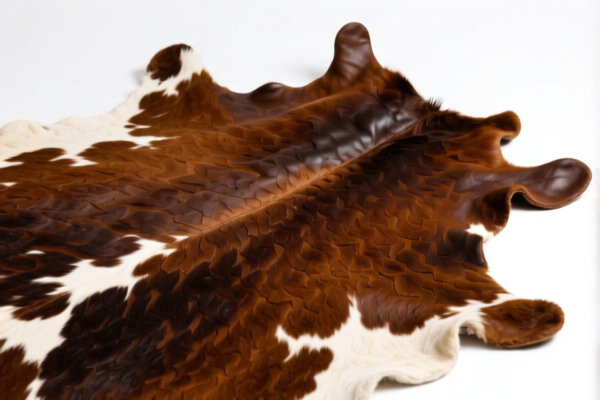
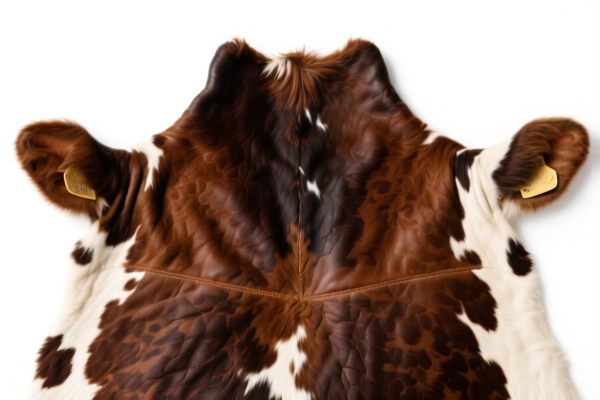
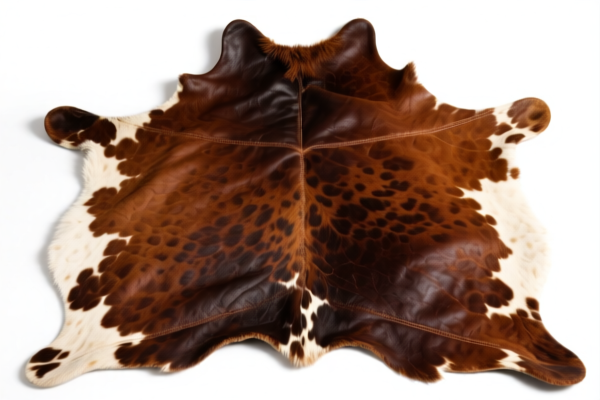
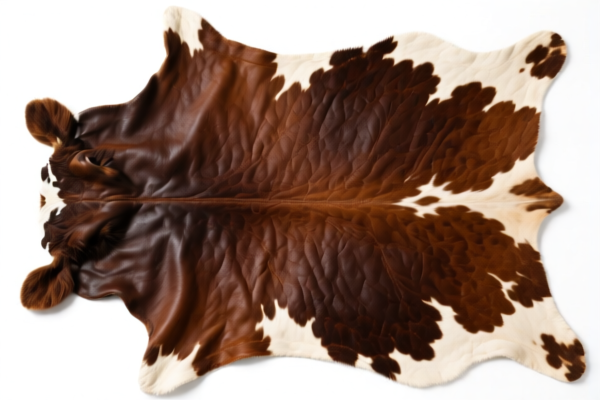
AI Analysis
🐮 Furniture Grade Full Grain Cowhide
🌐 HS Code Reference & Clearance Guide | 2026 Latest Tariff Analysis | Professional Entry Strategies
📌 I. Product Definition and Classification: Do You Truly Understand "Furniture Grade Full Grain Cowhide"?
Furniture Grade Full Grain Cowhide refers to leather that has been tanned and finished specifically for upholstery purposes. In international trade, it falls under the category of "Leather further prepared after tanning or crusting."
Key characteristics defining this classification: 1. Material Source: Bovine animals (including buffalo). 2. Structure: Full Grain, Unsplit. This means the dense, top layer of the hide is intact. It is not split into a top layer and a bottom layer (splits are used for suede or lower-grade leather). 3. Preparation: Tanned or crusted, without hair on. 4. End-Use: Upholstery Leather. The finish and durability are specifically designed for furniture, automotive interiors, or high-end seating.
⚠️ Key Distinction Point:
- If the leather is split (where the grain layer is separated from the flesh side), it does NOT qualify for the "Full Grain" codes above. It would fall under different sub-headings.
- If the leather is chrome-tanned but not finished for upholstery (e.g., for clothing or accessories), it may fall under different sub-categories.
- Headings to Avoid: Do not confuse with "Pigmented/Coated Leather" (4114) if it has a plastic coating, or "Raw Hides" (4101) if it hasn't been tanned yet.
📦 II. HS Code Classification Details (2026 Latest Tariff Authority Comparison)
| HS Code | Product Description | Application Scenario | Key Feature |
|---|---|---|---|
4107.11.50.00 |
Leather further prepared: Of bovine/equine, without hair on, Whole hides and skins: Full grains, unsplit: Other: Upholstery leather | Standard full-grain cowhide used for sofas, chairs, and automotive seats. | ✅ Full Grain, Unsplit, Upholstery Use |
4107.91.50.00 |
Leather further prepared: Of bovine/equine, without hair on, Other, including sides: Full grains, unsplit: Other: Upholstery leather | Side pieces (rectangular cuts from the sides of the hide) used for upholstery. | ✅ Full Grain, Unsplit, Sides, Upholstery Use |
🔍 Critical Reminder:
- "Whole Hides" vs. "Sides":
-4107.11.50.00applies to whole hides (the entire skin of the animal, usually trimmed).
-4107.91.50.00applies to sides (halves or quarters of the hide, commonly used in modern leather processing).
- Both codes specify Upholstery Leather. If the leather is NOT for upholstery (e.g., for shoes or bags), these codes are incorrect.
- "Full Grain, Unsplit": This is the most critical technical descriptor. If the leather is "Corrected Grain" (buffed/sanded) or "Split," different codes apply.
💰 III. 2026 Latest Tariff Rate Details (Including Additional Taxes & Policy Add-ons)
✅ Applicable Country: United States (US)
✅ Origin: China (CN)
✅ Effective Date: 2025年11月10日起 (Including subsequent imports)
🎯 1. 4107.11.50.00 —— Full Grain Cowhide (Whole Hides, Upholstery)
| Item | Content |
|---|---|
| Base Tariff Rate | 0.0% (ad valorem) |
| Section 301 / Additional Tariff | 0.0% |
| Total Tax Rate | 0.0% |
| Tax Calculation | CIF Value × 0.0% = $0 |
| De Minimis Eligibility | ❌ Not Applicable (Leather is generally excluded from de minimis exemptions under current regulations) |
| Legal Basis Path | HTSUS:4107.11.50.00 → USTR:Footnote 9903.88.01 (Note: Many leather items are exempt from 301 tariffs, but verify current footnotes) |
📌 Explanation:
- Base Rate: Under HTSUS 4107.11.50.00, the standard Most Favored Nation (MFN) rate for upholstery leather of bovine animals is 0%.
- Additional Tariffs: Unlike many electronics or steel products, most upholstery leather from China is currently exempt from Section 301 additional tariffs.
- Total Cost: The effective duty rate is 0%, making this a highly competitive category for importers.
- ⚠️ Caution: Always verify the latest USTR exclusions list, as policy changes can occur. However, as of the 2026 reference, these specific codes show 0% total tax.
🎯 2. 4107.91.50.00 —— Full Grain Cowhide (Sides, Upholstery)
| Item | Content |
|---|---|
| Base Tariff Rate | 0.0% (ad valorem) |
| Section 301 / Additional Tariff | 0.0% |
| Total Tax Rate | 0.0% |
| Tax Calculation | CIF Value × 0.0% = $0 |
| De Minimis Eligibility | ❌ Not Applicable |
| Legal Basis Path | HTSUS:4107.91.50.00 → USTR:Footnote 9903.88.01 |
📌 Note:
- Same favorable tariff treatment as whole hides.
- Both codes (4107.11.50.00and4107.91.50.00) offer zero duty entry for US imports from China (as per the provided data).
- Do not be fooled by low declarations: Customs officers will inspect for "Upholstery Grade" quality. If declared as "shoe leather," you may face misclassification penalties.
🛠️ IV. Clearance Practical Advice (Real-World Pitfall Avoidance Guide)
✅ 1. Documentation Checklist (Must-Have)
| Document | Mandatory? | Description |
|---|---|---|
| ✅ Commercial Invoice | ✔️ | Must clearly state "Furniture Grade Full Grain Cowhide" and specify "Upholstery Use." |
| ✅ Packing List | ✔️ | Detail number of hides/sides, dimensions, and weight. |
| ✅ Product Specification Sheet | ✔️ | Include: Tanning method (Vegetable/Chrome), finish type (Aniline/Pigmented), thickness, and explicitly state "Full Grain, Unsplit." |
| ✅ Photos of Hide | ✔️ | Show the grain side to prove it is full grain (natural markings visible, not sanded). |
| ✅ End-Use Certification | ✔️ | Letter from buyer confirming usage in furniture/upholstery (critical for HS code 4107.11/91.50). |
| ✅ Bill of Lading / Air Waybill | ✔️ | Standard shipping document. |
✅ 2. Declaration Tips (Key Mantras)
🔥 “Grain Matters, Use Must Be Upholstery, Code Must Match!”
| Scenario | Correct Declaration | Wrong Practice |
|---|---|---|
| Full Grain, Unsplit, for Sofas | 4107.11.50.00 or 4107.91.50.00 |
Misdeclaring as "Leather Parts" → 4.5% duty |
| Split Leather (Suede-like) | Incorrect Code (e.g., 4107.21...) | Using 4107.11.50.00 → Audit risk + penalties |
| Leather for Shoes | Incorrect Code (e.g., 4107.29...) | Using 4107.11.50.00 → Misuse of "Upholstery" clause |
| Raw Hides (Untanned) | 4101.21.00.00 |
Using 4107 codes → Rejection by Customs |
✅ 3. Special Situations Handling
| Situation | Handling Advice |
|---|---|
| Mixed Shipments (Hides + Sides) | Declare separately. Use 4107.11.50.00 for whole hides and 4107.91.50.00 for sides. Do not lump them under one code if possible, to avoid ambiguity. |
| "Corrected Grain" Leather | If the leather has been sanded and embossed (not natural full grain), it may NOT qualify for these codes. It might be classified as "Corrected Grain Leather" under a different sub-heading with potentially higher duties. |
| Leather with Plastic Coating | If the leather has a substantial plastic layer (>0.15mm), it may be classified under Heading 4114 (Pigmented/Coated Leather). Check coating thickness. |
| Samples for Testing | Even samples must be declared correctly. Use "Samples of Full Grain Upholstery Leather" to avoid being treated as commercial goods incorrectly. |
🌍 V. Global Main Market Clearance Comparison (2026 Latest)
| Country/Region | Recommended HS Code | Duty Rate (China Origin) | Certification Requirements | Notes |
|---|---|---|---|---|
| 🇺🇸 United States | 4107.11.50.00 / 4107.91.50.00 |
0.0% | None specific | Zero Duty! Key advantage. |
| 🇨🇳 China (Import) | 4107.11.50.00 / 4107.91.50.00 |
4.0% - 8.0%* | None | Rates vary; check latest Chinese tariff book. |
| 🇪🇺 European Union | 4107 21 / 4107 29 |
6.5% (standard) | REACH Compliance | EU classification differs slightly; focus on tanning method. |
| 🇬🇧 United Kingdom | 4107 21 / 4107 29 |
6.5% | UKCA / Post-Brexit rules | Similar to EU. |
| 🇯🇵 Japan | 4107.21 / 4107.29 |
3.2% - 4.8% | None | Preferential rates under JET-EPA if from Japan. |
📌 Conclusion:
- USA is the most tax-efficient market for Chinese-origin furniture-grade full grain cowhide, with 0% duty.
- EU and Japan have moderate duties but no additional punitive tariffs.
- Always verify "Full Grain" authenticity. Misdeclaration can lead to severe penalties in all markets.
📌 VI. Common Errors & Pitfall Avoidance Guide (Blood & Tears Lessons)
❌ Error 1: Declaring "Split Leather" as "Full Grain"
👉 Consequence: Customs inspection reveals the leather is split (no grain layer). Penalty for fraud + back taxes + potential loss of import privileges.
❌ Error 2: Using "Upholstery" for Shoe Leather
👉 Consequence: Customs may reject the "0% duty" claim and apply the higher duty for "Other Leather" (often 4.5% - 8.95%).
❌ Error 3: Failing to Specify "Bovine"
👉 Consequence: If the invoice just says "Leather," Customs may default to a higher, generic code. Always specify "Bovine (Cow/Buffalo)."
❌ Error 4: Ignoring "Unsplit" Status
👉 Consequence: If the leather is split, it does not fit 4107.11.50.00. You must use the correct "Split" code.
✅ Correct Approach:
"Furniture Grade Full Grain Bovine Leather, Chrome Tanned, Unsplit, for Upholstery, No Hair On, Whole Hides/Sides, Model FG-2026"
🎯 VII. Conclusion: Precise Classification Saves Money!
🎯 Remember the Mantra:
🔹 "Full Grain, Unsplit, Upholstery Use = 0% Duty in US!"
🔹 "Don't Mix Split with Full Grain, or Pay the Price!"
🔹 "Document Everything: Photos, Specs, End-Use Letter."
📌 Pro Tip:
- Since the duty is 0%, the focus should be on quality control and documentation accuracy to avoid Customs holds.
- Keep sample hides on file to prove "Full Grain" nature if questioned.
- For high-volume shipments, consider Advance Ruling with CBP (U.S. Customs) to lock in the classification.
📣 Immediate Action:
📞 Contact your customs broker with Product Specs + Photos
🚀 Ensure your invoice clearly states "Upholstery Grade Full Grain Bovine Leather"
💼 Your zero-duty advantage depends on precise declaration!
✨ Professional Clearance, Starting with Accurate Classification!
💼 Every Penny Saved on Duty is Pure Profit!
Customer Reviews
About HS Code Classification
The Harmonized System (HS) is an internationally standardized nomenclature developed by the World Customs Organization (WCO) to classify traded products. Over 200 countries use the HS system as the basis for customs tariffs, trade statistics, and import/export regulations.
Each HS code follows a hierarchical structure:
- Chapter (2 digits) — Broad category of goods (e.g., Chapter 84: Machinery and Mechanical Appliances)
- Heading (4 digits) — More specific grouping within the chapter
- Subheading (6 digits) — Internationally standardized breakdown, used by all WCO member countries
- National subdivisions (8-10 digits) — Country-specific extensions for further classification, such as US HTSUS 10-digit codes
Correct HS code classification is essential for smooth customs clearance, accurate duty payment, and compliance with trade regulations. Misclassification can lead to customs delays, overpayment of duties, or penalties.
When importing from CN to US, the applicable tariff rates may include:
- Most-Favored-Nation (MFN) rate — The standard duty rate applied to WTO members
- General rate — Applied to countries without trade agreements
- Trade remedy duties — Additional tariffs such as Section 301 (anti-dumping), Section 232 (national security), or countervailing duties
The information provided on this page is for reference purposes only. For official classification, please consult with your local customs authority or a licensed customs broker.