Furniture grade materials
CN → US| HS Code | Tariff Rate | Origin | Destination | Doc |
|---|---|---|---|---|
| 3921110000 | 40.3% | CN | US | Official Doc |
| 3921190090 | 41.5% | CN | US | Official Doc |
| 4407990295 | 35.0% | CN | US | Official Doc |
| 4407290296 | 35.0% | CN | US | Official Doc |
| 4412314860 | 43.0% | CN | US | Official Doc |
| 4412333225 | 43.0% | CN | US | Official Doc |
Product Images
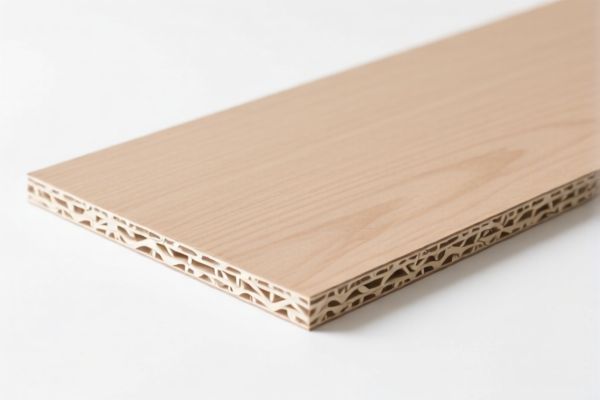
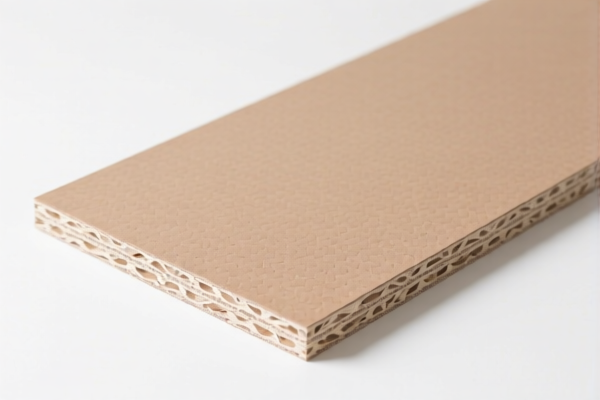
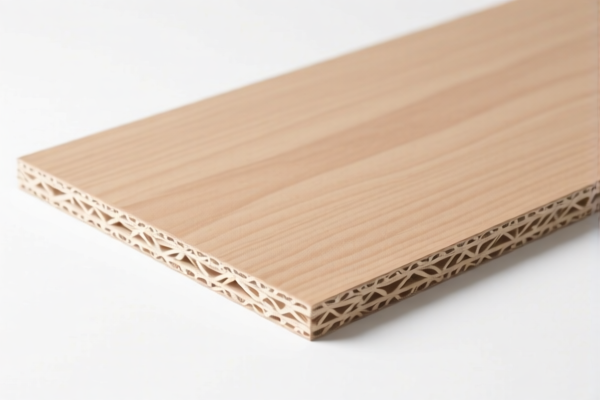

AI Analysis
🛠️ Furniture Grade Materials: HS Code Classification & Customs Clearance Guide (2026)
🌐 HS Code Reference & Clearance Guide | Latest Tariff Analysis | Professional Customs Strategy
📌 I. Product Definition: What Are "Furniture Grade Materials"?
"Furniture grade materials" is a commercial term, not a legal HS Code description. In international trade, these materials are primarily plastic panels/sheets and wood products processed to meet specific strength, finish, or dimensional standards for furniture manufacturing.
Key distinctions for classification: * Plastic Materials: Distinguish between "Cellular" (foamed/lightweight) and "Solid" (compact). The most common furniture-grade plastic is expanded polystyrene (EPS) or similar cellular polymers. * Wood Materials: Distinguish between solid sawn wood (thickness >6mm) and plywood/laminated panels. The type of wood (coniferous, tropical, or non-coniferous like oak/maple) and surface treatment (veneered vs. raw) drastically change the HS Code and tax rate.
⚠️ Critical Classification Point:
- If the plastic is cellular (foamed) → It falls under 3921.11 or 3921.19.
- If the wood is sawn solid lumber (thickness >6mm) → It falls under 4407.
- If the wood is plywood (layered) → It falls under 4412.
- Do not group all "furniture materials" together; they have completely different tariff lines.
📦 II. HS Code Classification Details (2026 Latest Tariff Reference)
Based on the provided data, here are the specific classifications for common furniture-grade materials:
| HS Code | Product Description | Application Scenario | Key Characteristics |
|---|---|---|---|
3921.11.00.00 |
Cellular plates, sheets, film, foil, strip of plastics: Of polymers of styrene | Lightweight furniture parts, insulation in furniture, plastic foam cores | Cellular, Styrene-based (e.g., EPS/XPS) |
3921.19.00.90 |
Cellular plates, sheets, film, foil, strip of plastics: Of other plastics | Non-styrene foam furniture materials, specialized foam sheets | Cellular, Non-styrene (e.g., Polyurethane, Polyethylene) |
4407.99.02.95 |
Wood sawn lengthwise, sliced or peeled, >6mm thickness: Other nonconiferous | Solid wood furniture frames, non-coniferous lumber (e.g., Oak, Maple, Walnut) | Solid Wood, Non-coniferous, Thickness >6mm |
4407.29.02.96 |
Wood sawn lengthwise, sliced or peeled, >6mm thickness: Of tropical wood | High-end furniture, exotic wood panels (e.g., Mahogany, Meranti) | Solid Wood, Tropical Wood, Thickness >6mm |
4412.31.48.60 |
Plywood, veneered panels: With outer ply of Dark Red Meranti, Light Red Meranti, White Lauan, Sipo, Limba, Okoumé, Obeche, Acajou d'Afrique, Sapelli, Virola, Mahogany, Palissandre de Para, Palissandre de Rio or Palissandre de Rose; Not surface covered | Plywood furniture boards, cabinetry, using specific tropical wood veneers on outer layer | Plywood, Tropical Wood Veneer, Uncured/Uncovered |
4412.33.32.25 |
Plywood, veneered panels: With outer ply of nonconiferous wood (alder, ash, beech, birch, cherry, chestnut, elm, eucalyptus, hickory, horse chestnut, lime, maple, oak, plane tree, poplar, robinia, tulipwood, walnut); Wood flooring | Wooden flooring, furniture panels using common non-coniferous woods like Oak or Maple | Plywood, Non-coniferous Veneer, Wood Flooring specific |
🔍 Focus Reminder:
- Plastics: Only cellular (foamed) plastics are listed in the data under 3921.11/19. Solid plastic sheets would fall under different codes not provided here.
- Wood: The distinction between solid wood (4407) and plywood (4412) is critical. Plywood involves multiple layers (plies), while solid wood is single-piece lumber.
- Tropical vs. Non-coniferous: Tropical woods (like Meranti, Mahogany) have different sub-codes than temperate woods (like Oak, Maple).
💰 III. 2026 Latest Tariff Rate Breakdown (Detailed Tax Clauses)
✅ Applicable Country: USA
✅ Origin: China (implied by the 25% additional tariff context)
✅ Effective Time: 2025-2026 Current Rates
🎯 1. Plastic Furniture Materials (Cellular)
| HS Code | Product Type | Base Tariff | Additional Tariff (Section 301/IEEPA) | Total Tax Rate | Notes |
|---|---|---|---|---|---|
3921.11.00.00 |
Cellular Polymers of Styrene | 0.0% | 0.0% | 0.0% | Exempt from additional tariffs |
3921.19.00.90 |
Cellular Other Plastics | 0.0% | 0.0% | 0.0% | Exempt from additional tariffs |
📌 Explanation:
- Cellular plastic materials used for furniture are currently subject to 0% total tax.
- This includes Styrene-based foams (like EPS) and other plastic foams (like PU foam).
- Advantage: No additional Section 301 or IEEPA tariffs apply to these specific cellular plastic sub-headings.
🎯 2. Solid Wood Furniture Materials
| HS Code | Product Type | Base Tariff | Additional Tariff | Total Tax Rate | Notes |
|---|---|---|---|---|---|
4407.99.02.95 |
Non-coniferous Wood (>6mm) | 0.0% | 25.0% | 25.0% | High tariff on non-coniferous solid wood |
4407.29.02.96 |
Tropical Wood (>6mm) | 0.0% | 25.0% | 25.0% | High tariff on tropical solid wood |
📌 Explanation:
- Solid wood lumber intended for furniture (thickness >6mm) faces a 25% additional tariff.
- This applies to both non-coniferous (hardwoods like Oak, Maple) and tropical woods.
- Impact: This significantly increases the cost of importing solid wood components for furniture assembly.
🎯 3. Plywood & Veneered Panels
| HS Code | Product Type | Base Tariff | Additional Tariff | Total Tax Rate | Notes |
|---|---|---|---|---|---|
4412.31.48.60 |
Plywood with Tropical Wood Veneer | 0.0% | 0.0% | 0.0% | Exempt if specific tropical veneers are used |
4412.33.32.25 |
Plywood with Non-coniferous Veneer (Wood Flooring) | 8.0% | 0.0% | 8.0% | 8% base tax, no additional tariff |
📌 Explanation:
- Plywood with specific tropical wood veneers (Meranti, Lauan, Sipo, etc.) on the outer ply enjoys 0% total tax. This is a key advantage for furniture manufacturers using tropical veneers.
- Plywood flooring or non-coniferous veneer panels are subject to an 8% base tax but no additional 25% tariff.
- Comparison: Plywood is generally more tariff-efficient than solid wood lumber for furniture production if the right wood species are selected.
🛠️ IV. Customs Clearance Practical Advice (Pitfall Avoidance Guide)
✅ 1. Documentation Checklist (Must-Haves)
| Document | Required | Reason |
|---|---|---|
| ✅ Product Specification Sheet | ✔️ | Clearly define if material is "Cellular" (foamed) or "Solid". For wood, specify species and thickness. |
| ✅ Material Composition Statement | ✔️ | For plastics: Confirm if it is "Polymers of Styrene" vs. "Other Plastics". Wrong code = Tax difference. |
| ✅ Wood Species Certificate | ✔️ | Essential for wood products. Must confirm if wood is "Tropical" (e.g., Meranti) or "Non-coniferous" (e.g., Oak). Mislabeling leads to 25% penalty. |
| ✅ Plywood Layer Structure Diagram | ✔️ | For HS 4412, prove it is plywood (layered) and not solid wood. Show outer ply species. |
| ✅ Commercial Invoice | ✔️ | Describe items accurately: e.g., "Cellular Polystyrene Sheet for Furniture Core" not just "Plastic Sheet". |
| ✅ Country of Origin Certificate | ✔️ | Required for tariff calculation. |
✅ 2. Classification Tips (Key Mnemonics)
🔥 "Plastic Foam is Free, Solid Wood is Heavy, Plywood Depends on Veneer!"
| Scenario | Correct Classification | Why? |
|---|---|---|
| Foamed Plastic Sheets | 3921.11.00.00 or 3921.19.00.90 |
Classified as "Cellular", enjoys 0% tax. |
| Solid Wood Lumber (Oak, Maple, etc.) | 4407.99.02.95 |
Solid wood >6mm faces 25% additional tariff. |
| Solid Tropical Wood (Meranti) | 4407.29.02.96 |
Solid wood >6mm faces 25% additional tariff. |
| Plywood with Tropical Veneer (Outer Layer) | 4412.31.48.60 |
Specific tropical veneers exempt from additional tariffs. |
| Plywood Flooring (Oak/Maple Veneer) | 4412.33.32.25 |
Non-coniferous veneer plywood, 8% base tax. |
✅ 3. Special Cases & Optimization
| Case | Strategy |
|---|---|
| OEM Custom Plastic Shapes | Ensure documentation states "Cellular" structure. If it's solid, it may fall under a different HS code not listed here, potentially with higher tariffs. |
| Mixed Shipments (Wood + Plastic) | Declare separately. Do not combine under one HS code. Plastic gets 0%, Wood gets 8-25%. Separate billing helps. |
| Tropical Wood Veneer Plywood | Optimization Opportunity: Use HS 4412.31.48.60 if possible. It has 0% tariff vs. 25% for solid tropical wood. Choose plywood construction over solid wood where feasible. |
| Non-Coniferous Wood Flooring | Tariff is 8%. This is lower than solid wood (25%). Consider using plywood flooring for furniture bases to save cost. |
🌍 V. Global Market Comparison (2026 Overview)
| Market | Key HS Code for Plastic (Cellular) | Key HS Code for Wood | Tariff Trend | Note |
|---|---|---|---|---|
| 🇺🇸 USA | 3921.11.00.00 / 3921.19.00.90 |
4407.xx / 4412.xx |
Plastic 0%, Wood 8-25% | High tariffs on solid wood. Plywood/tropical veneer optimal. |
| 🇨🇳 China | Varies | Varies | Varies | Different HS codes and rates. Check CBAM or local taxes. |
| 🇪🇺 EU | Varies | Varies | Varies | May require FSC certification for tropical wood. |
| 🇦🇺 Australia | Varies | Varies | Varies | Biosecurity controls for wood are strict. |
📌 Conclusion:
- USA is the primary focus for the provided tax data.
- Plastic cellular materials are tariff-free (0%).
- Solid wood is expensive to import (25% additional tax).
- Plywood with specific tropical veneers is the most cost-effective wood option (0% total tax).
📌 VI. Common Mistakes & Pitfalls (Blood & Tears Lessons)
❌ Mistake 1: Classifying "Solid Wood" as "Plywood" to avoid 25% tax
👉 Consequence: Customs inspection reveals solid wood → Penalty + Back Taxes + Delays.
❌ Mistake 2: Calling "Foamed Plastic" "Cellular" but it's actually solid
👉 Consequence: Misdeclaration → 0% becomes higher rate + potential fraud charges.
❌ Mistake 3: Not specifying the Outer Ply Species for plywood
👉 Consequence: If outer ply is not one of the listed tropical woods (Meranti, Mahogany, etc.), it may fall under a different, higher-tariff sub-code.
✅ Correct Practice:
"Cellular Polystyrene Sheets, 20mm, White, for Furniture Cushioning"
"Plywood Panels, 18mm, 5-Ply, Outer Ply Dark Red Meranti, Uncured"
🎯 VII. Conclusion: Professional Classification Saves Money
🎯 Remember the Golden Rules:
🔹 "Foam is Free, Solid Wood is Taxed, Plywood Depends on Veneer."
🔹 "Choose Tropical Veneer Plywood (4412.31.48.60) for 0% Tariff, Avoid Solid Wood (4407) for 25% Tariff."
📌 Pro Tip:
If you are manufacturing furniture, prioritize cellular plastics and plywood with tropical veneers to minimize US customs duties. Solid wood imports are costly and should be optimized or sourced locally if possible.
📣 Action Required:
📞 Consult a customs broker with product samples to confirm "Cellular" vs. "Solid" status.
🚀 Optimize your BOM (Bill of Materials) to use 0% or 8% tariff materials where possible.
✨ Smart Classification, Smarter Profits!
💼 Every percentage point of tariff saved is pure profit!
Customer Reviews
About HS Code Classification
The Harmonized System (HS) is an internationally standardized nomenclature developed by the World Customs Organization (WCO) to classify traded products. Over 200 countries use the HS system as the basis for customs tariffs, trade statistics, and import/export regulations.
Each HS code follows a hierarchical structure:
- Chapter (2 digits) — Broad category of goods (e.g., Chapter 84: Machinery and Mechanical Appliances)
- Heading (4 digits) — More specific grouping within the chapter
- Subheading (6 digits) — Internationally standardized breakdown, used by all WCO member countries
- National subdivisions (8-10 digits) — Country-specific extensions for further classification, such as US HTSUS 10-digit codes
Correct HS code classification is essential for smooth customs clearance, accurate duty payment, and compliance with trade regulations. Misclassification can lead to customs delays, overpayment of duties, or penalties.
When importing from CN to US, the applicable tariff rates may include:
- Most-Favored-Nation (MFN) rate — The standard duty rate applied to WTO members
- General rate — Applied to countries without trade agreements
- Trade remedy duties — Additional tariffs such as Section 301 (anti-dumping), Section 232 (national security), or countervailing duties
The information provided on this page is for reference purposes only. For official classification, please consult with your local customs authority or a licensed customs broker.