Fuse
CN → US| HS Code | Tariff Rate | Origin | Destination | Doc |
|---|---|---|---|---|
| 8548000000 | 35.0% | CN | US | Official Doc |
| 8536100040 | 37.7% | CN | US | Official Doc |
| 8535100020 | 37.7% | CN | US | Official Doc |
| 8536100020 | 37.7% | CN | US | Official Doc |
| 8535100040 | 37.7% | CN | US | Official Doc |
Product Images
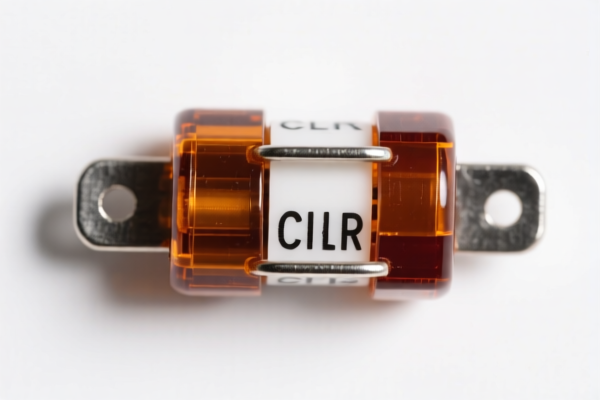
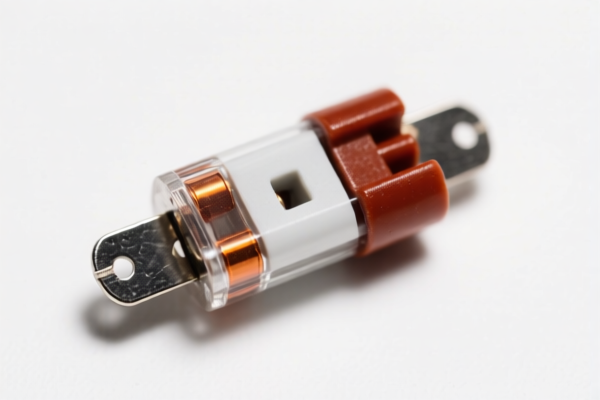
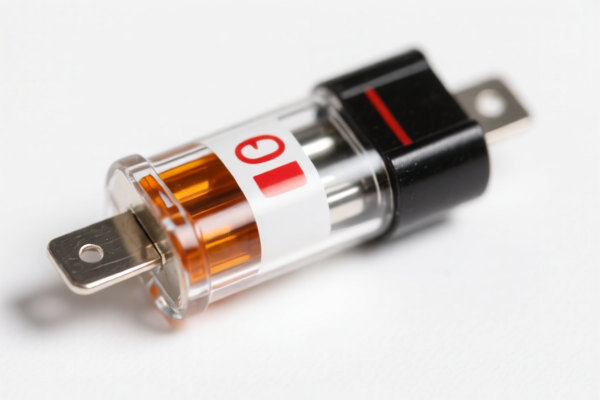
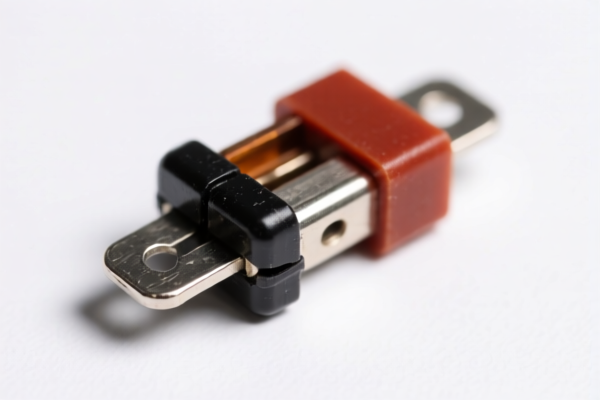
AI Analysis
🔌 Fuse (Electrical Fuses & Circuit Protection Devices)
🌐 HS Code Reference & Customs Clearance Guide | 2026 Latest Tariff Analysis | Professional通关 Strategy
📌 1. Product Definition & Classification: Do You Really Understand "Fuses"?
Fuses are critical electrical components designed to protect circuits by melting and breaking the current flow when an overload or short circuit occurs. In international trade, classification depends heavily on the structural form, voltage rating, and intended application.
Key Distinctions: * Electrical Parts (Generic): If the fuse is considered merely a component for machinery/motors without a specific "fuse" structure defined in Chapter 85 headings 8535/8536, it may fall under 8548. * Fuses/Fuse Links (Specific): Fuses specifically designed as circuit protection devices, often housed in glass, ceramic, or metal cases, typically fall under 8536 (Electrical Apparatus for Switching or Protecting Circuits) or 8535 (Electrical Apparatus for Cutting Off or Protecting Circuits). * Switching/Protection Devices: Fuses that function as part of a switchgear assembly or have specific voltage ratings >1000V may fall under 8535.
⚠️ Critical Classification Point:
- If described generically as "electrical component" without specific fuse structure details → 8548.00.00.00
- If specified as "glass tube fuse," "ceramic fuse," or general "circuit protector" → 8536.10.00.40 or 8536.10.00.20
- If classified as part of switching/protection apparatus (e.g., high-voltage or switch-integrated) → 8535.10.00.20 or 8535.10.00.40
📦 2. HS Code Classification Details (2026 Latest Tariff Authority Match)
| HS Code | Product Description | Application Scenario | Key Classification Basis |
|---|---|---|---|
8548.00.00.00 |
Electrical parts, not elsewhere specified (generic) | Generic electrical components, motor parts, unspecified fuses | Summary: Belongs to electrical parts, fits motor/device electrical part characteristics. |
8536.10.00.40 |
Fuses, other (catch-all for fuses) | Glass tube fuses, ceramic cartridge fuses, standard low-voltage fuses | Summary: Belongs to fuses, fits "fuse" usage, categorized under "other" catch-all. |
8535.10.00.20 |
Electrical apparatus for cutting off or protecting circuits | Circuit protection switches, fuse-protected switchgear | Summary: Used for switching or protecting circuits, fits code definition based on description absence principle. |
8536.10.00.20 |
Fuses, other (with material inference) | Glass tube fuses (inferred from material), standard circuit protection | Summary: For circuit protection, form is fuse, inferred to include glass tube material. |
8535.10.00.40 |
Other apparatus for cutting off or protecting circuits | Circuit protection equipment equivalent to fuses | Summary: Fuse function equivalent to fuse link, fits classification description for circuit protection equipment. |
🔍 Key Reminder:
- 8536/8535 are the primary chapters for specific electrical protection devices.
- 8548 is a residual category ("Parts of electrical machinery... not elsewhere specified") and should only be used if the product cannot be classified as a specific fuse (8536) or protective apparatus (8535).
- Misclassification between 8536 (common fuses) and 8535 (protective apparatus) can lead to valuation differences, but tax rates are identical in this dataset.
💰 3. 2026 Latest Tariff Rate Breakdown (Including Surtaxes & Policy Add-ons)
✅ Applicable Country: United States (US)
✅ Country of Origin: China (CN)
✅ Effective Date: 2025 November 10 onwards (including subsequent imports)
🎯 1. 8548.00.00.00 —— Electrical Parts (Generic)
| Item | Detail |
|---|---|
| Base Tariff | 0.0% |
| Section 301 Surtax | +25.0% |
| Section 122 Tariff | +10.0% |
| Total Rate | 35.0% |
| Calculation Basis | CIF Value × 35% |
| De Minimis Exemption | ❌ Not Eligible |
| Legal Basis Path | Section 301: 25% + Section 122: 10% |
📌 Explanation:
- Although the base tariff is 0%, the 35% total burden is significant due to punitive tariffs.
- This code is less common for standard fuses unless they are generic "parts" without clear fuse classification.
🎯 2. 8536.10.00.40 —— Fuses (Other)
| Item | Detail |
|---|---|
| Base Tariff | 2.7% |
| Section 301 Surtax | +25.0% |
| Section 122 Tariff | +10.0% |
| Total Rate | 37.7% |
| Calculation Basis | CIF Value × 37.7% |
| De Minimis Exemption | ❌ Not Eligible |
| Legal Basis Path | Base: 2.7% + Section 301: 25% + Section 122: 10% |
📌 Explanation:
- This is the most common classification for standard glass/ceramic fuses.
- The base duty of 2.7% is slightly higher than 8548, but the surtaxes are the same.
🎯 3. 8536.10.00.20 —— Fuses (Other, Glass Tube)
| Item | Detail |
|---|---|
| Base Tariff | 2.7% |
| Section 301 Surtax | +25.0% |
| Section 122 Tariff | +10.0% |
| Total Rate | 37.7% |
| Calculation Basis | CIF Value × 37.7% |
| De Minimis Exemption | ❌ Not Eligible |
| Legal Basis Path | Base: 2.7% + Section 301: 25% + Section 122: 10% |
📌 Note:
- Identical tax burden to8536.10.00.40.
- Classification relies on inferred material (glass tube) from product descriptions.
🎯 4. 8535.10.00.20 —— Apparatus for Protecting Circuits
| Item | Detail |
|---|---|
| Base Tariff | 2.7% |
| Section 301 Surtax | +25.0% |
| Section 122 Tariff | +10.0% |
| Total Rate | 37.7% |
| Calculation Basis | CIF Value × 37.7% |
| De Minimis Exemption | ❌ Not Eligible |
| Legal Basis Path | Base: 2.7% + Section 301: 25% + Section 122: 10% |
📌 Explanation:
- Used when fuses are classified under cutting off/protecting apparatus rather than simple "fuses."
- Common for fuse switches or integrated protection devices.
🎯 5. 8535.10.00.40 —— Other Apparatus for Protecting Circuits
| Item | Detail |
|---|---|
| Base Tariff | 2.7% |
| Section 301 Surtax | +25.0% |
| Section 122 Tariff | +10.0% |
| Total Rate | 37.7% |
| Calculation Basis | CIF Value × 37.7% |
| De Minimis Exemption | ❌ Not Eligible |
| Legal Basis Path | Base: 2.7% + Section 301: 25% + Section 122: 10% |
📌 Note:
- Functionally equivalent to other 8535/8536 fuse classifications.
- The "catch-all" nature of these codes means consistent tax rates apply regardless of minor descriptive differences.
🛠️ 4. Customs Clearance Practical Advice (Real-World Pitfall Guide)
✅ 1. Required Documentation Checklist (Mandatory)
| Document | Must Provide | Description |
|---|---|---|
| ✅ Product Specification Sheet | ✔️ | Voltage rating, current rating, breaking capacity, material (glass/ceramic). |
| ✅ Product Photos (with Labels) | ✔️ | Clear view of markings (e.g., "5A 250V"), brand, and model number. |
| ✅ Technical Data Sheet | ✔️ | To prove it is a "fuse" (circuit protection) and not just a generic part. |
| ✅ Commercial Invoice | ✔️ | Must describe item as "Electrical Fuse" or "Circuit Protector," NOT just "Part." |
| ✅ Packing List | ✔️ | Weight and dimensions. |
| ✅ Certificate of Origin (CO) | ✔️ | Essential for proving Chinese origin (subject to surtaxes). |
✅ 2. Declaration Tips (Key Mantra)
🔥 "Be Specific: Glass Fuse? Ceramic Fuse? Switch Fuse? Name it!"
| Scenario | Correct Declaration | Wrong Approach |
|---|---|---|
| Standard Glass Fuse | Fuse, Glass Tube, 10A, 250V → 8536.10.00.20 |
Generic "Electrical Part" → 8548 (Risk of reclassification) |
| Ceramic Cartridge Fuse | Fuse, Ceramic, 15A, 600V → 8536.10.00.40 |
Generic "Part" → 8548 |
| Fuse Switch | Fuse Switch, 125V, 20A → 8535.10.00.20 |
Generic "Switch" → Incorrect Chapter |
| Generic Component | Electrical Component, Not Elsewhere Specified → 8548.00.00.00 |
Mislabeling as "Fuse" when structure is unclear |
📌 Advice:
- Always include Voltage (V) and Current (A) ratings in the description.
- Mention Material (Glass/Ceramic) if known, as it helps customs agents classify under 8536.10.
- Avoid vague terms like "Part" or "Component" unless it truly lacks specific fuse characteristics.
✅ 3. Special Cases & Mitigation
| Scenario | Handling Advice |
|---|---|
| OEM Custom Fuses | Provide customer order + technical drawing. Ensure description matches the specific HS code (e.g., "Custom Glass Fuse"). |
| High-Voltage Fuses (>1000V) | Likely falls under 8535 (Apparatus for Protecting Circuits), not 8536. Verify with customs broker. |
| Fuses with Packaging | Declare as Fuse only, not packaging. Packaging weight should not inflate CIF value excessively. |
| Samples/No Commercial Value | Still subject to 35-37.7% duty if commercial value is declared. De Minimis exemption does not apply to China-origin goods under Section 301/122. |
🌍 5. Global Market Clearance Comparison (2026 Latest)
| Country/Region | Recommended HS Code | Tariff Rate | Certification Requirements | Notes |
|---|---|---|---|---|
| 🇺🇸 United States | 8536.10.00.40 |
37.7% | UL, ETL, cUL | Highest burden: Base 2.7% + 301 (25%) + 122 (10%). |
| 🇨🇳 China | 8536.10.00.40 |
5-13% | CCC (if applicable) | No punitive surtaxes. |
| 🇪🇺 EU | 8536.10 |
2.5-4% | CE, RoHS, REACH | No Section 301/122 equivalents. |
| 🇬🇧 UK | 8536.10 |
2.5-4% | UKCA, RoHS | Post-Brexit alignment with EU standards. |
| 🇯🇵 Japan | 8536.10 |
3-6% | PSE, JIS | No punitive tariffs. |
📌 Conclusion:
- US Market: High tariff barrier (37.7%). Requires precise documentation to avoid penalties.
- Other Markets: Significantly lower duties. Consider supply chain diversification if US is the primary target.
📌 6. Common Mistakes & Pitfall Guide (Lessons Learned)
❌ Mistake 1: Declaring "Fuse" as "Electrical Part" under 8548
👉 Consequence: While base duty is 0%, the 35% total is lower than 37.7%, BUT customs may reclassify to 8536/8535 for higher scrutiny, causing delays.
👉 Better Approach: Use 8536/8535 for clarity, as rates are consistent.
❌ Mistake 2: Omitting Voltage/Current Ratings
👉 Consequence: Customs cannot determine if it’s low-voltage (8536) or high-voltage (8535). Delays & Holds.
❌ Mistake 3: Ignoring Section 122 Tariff (10%)
👉 Consequence: Assuming only 301 (25%) applies. Underpayment & Penalties. Total is 35-37.7%, not 25%.
✅ Correct Practice:
"Glass Fuse, 10A, 250V, UL Listed, Model XYZ, For Circuit Protection"
🎯 7. Conclusion: Precise Classification Saves Money!
🎯 Remember the Mantra:
🔹 "Fuse is not just a part! It’s 8536 or 8535!"
🔹 "37.7% Duty for China Origin! Factor it in!"
🔹 "Specify V, A, and Material! Avoid Customs Questions!"
📌 Pro Tip:
If your fuses are originating from Vietnam, Mexico, Malaysia, or Thailand, they may be exempt from Section 301 and Section 122 tariffs, reducing duties to base rates only (0-2.7%).
Recommendation:
📞 Consult a licensed customs broker + Provide technical specs + Apply for Pre-Ruling if possible.
🚀 Ensure your fuses pass smoothly, reduce costs, and maximize profit!
✨ Professional clearance starts with precise classification!
💼 Every cent of duty is worth calculating precisely!
Customer Reviews
About HS Code Classification
The Harmonized System (HS) is an internationally standardized nomenclature developed by the World Customs Organization (WCO) to classify traded products. Over 200 countries use the HS system as the basis for customs tariffs, trade statistics, and import/export regulations.
Each HS code follows a hierarchical structure:
- Chapter (2 digits) — Broad category of goods (e.g., Chapter 84: Machinery and Mechanical Appliances)
- Heading (4 digits) — More specific grouping within the chapter
- Subheading (6 digits) — Internationally standardized breakdown, used by all WCO member countries
- National subdivisions (8-10 digits) — Country-specific extensions for further classification, such as US HTSUS 10-digit codes
Correct HS code classification is essential for smooth customs clearance, accurate duty payment, and compliance with trade regulations. Misclassification can lead to customs delays, overpayment of duties, or penalties.
When importing from CN to US, the applicable tariff rates may include:
- Most-Favored-Nation (MFN) rate — The standard duty rate applied to WTO members
- General rate — Applied to countries without trade agreements
- Trade remedy duties — Additional tariffs such as Section 301 (anti-dumping), Section 232 (national security), or countervailing duties
The information provided on this page is for reference purposes only. For official classification, please consult with your local customs authority or a licensed customs broker.