Fuser Powder
CN → US| HS Code | Tariff Rate | Origin | Destination | Doc |
|---|---|---|---|---|
| 321490 | 0.0% | CN | US | Official Doc |
| 382499 | 0.0% | CN | US | Official Doc |
Product Images
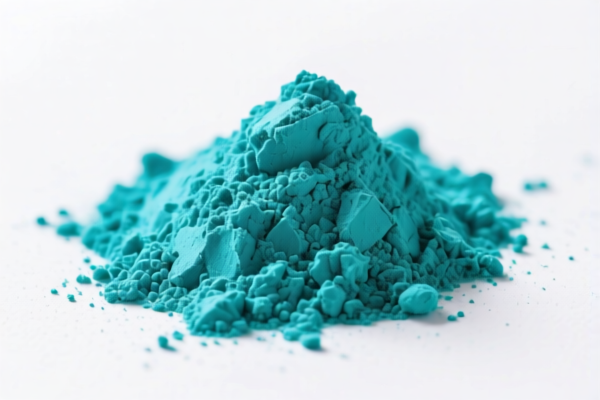
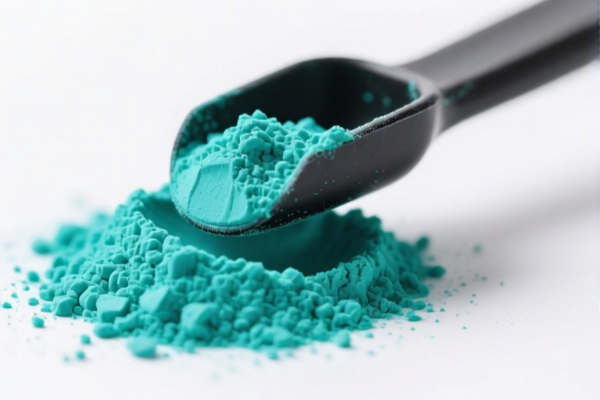

AI Analysis
🧪 Fuser Powder (Printer Fixing Agents)
🌐 HS Code Reference & Customs Clearance Guide | 2026 Latest Tariff Analysis | Professional Clearance Strategy
📌 Part 1: Product Definition & Classification: What Exactly is "Fuser Powder"?
Fuser Powder (also known as toner additives, fuser oil agents, or fixing powders) is a critical consumable used in laser printing and copying machines. It is not the toner itself, but a chemical preparation applied to the fuser roller assembly to ensure proper heat transfer and toner fusion onto paper.
In international trade, its classification depends on its primary function and chemical composition: 1. Coating/Enamel Type: If the powder functions as a surface coating or release agent (fitting the description of artificial enamel powders or similar coatings), it may fall under Chapter 32. 2. Chemical Preparation Type: If it is viewed as a specific chemical preparation for office machinery maintenance (not elsewhere specified), it may fall under Chapter 38.
⚠️ Key Distinction Point: - If it is primarily a surface coating/release agent analogous to enamel powders → Classified under 3214.90 - If it is a specific chemical mixture/preparation for fixing processes in machinery, not fitting coating definitions → Classified under 3824.99
📦 Part 2: HS Code Classification Details (2026 Latest Tariff Authority Comparison)
| HS Code | Product Description | Application Scenario | Classification Logic |
|---|---|---|---|
3214.90 |
Other paints, varnishes and similar coatings (including enamels); fuser powder fits "artificial enamel powders" or similar coatings | Used as a release agent/coating on fuser rollers to prevent toner sticking | ✅ Coating/Release Agent |
3824.99 |
Prepared binders for foundry molds or cores; chemical products/preparations of the chemical or allied industries... not elsewhere specified | Used as a specific chemical preparation for office machinery fixing process, if not classified as a coating | ✅ Specific Chemical Prep |
🔍 Important Reminder: - 3214.90 is applied when the powder is treated as a coating/enamel (similar to paints/varnishes). - 3824.99 is applied when the powder is treated as a general chemical preparation for machinery use, especially if it doesn't fit the "paint/coating" definition strictly. - Customs authorities may scrutinize the Chemical Safety Data Sheet (SDS) to determine if it is primarily a "coating" or a "chemical preparation."
💰 Part 3: 2026 Latest Tariff Rate Details (Including Surcharges & Policy Add-ons)
✅ Applicable Country: United States (US)
✅ Origin: China (CN)
✅ Effective Date: November 10, 2025 onwards (for subsequent imports)
(Note: Tax details in the source data are marked as "Failed to retrieve," so specific tariff percentages for these HS codes are not provided in this guide. Importers must consult official USITC databases or a licensed customs broker for the exact current duty rates, as they vary by year and trade agreements.)
🎯 1. 3214.90 —— Other Paints, Varnishes, and Similar Coatings
| Item | Content |
|---|---|
| Base Duty Rate | ❓ See Source Data: "Failed to retrieve tax information" |
| USITC Surcharge | ❓ See Source Data: "Error" |
| IEEPA Surcharge | ❓ See Source Data: "Error" |
| Total Tax | Error / Unknown |
| Tax Calculation | CIF Value × [Unknown Rate] |
| De Minimis Eligibility | ❓ See Source Data: "Failed to retrieve" |
| Legal Basis Path | HTSUS:3214.90 |
📌 Explanation: - The source data indicates that tax information for HS Code
3214.90was not available. - Historically, chemical coatings may have base duties ranging from 0% to 6.5%, but Section 301 tariffs may apply if classified as originating from China. - Crucial: You must verify the current duty rate with a customs broker, as the source data does not provide the exact percentage.
🎯 2. 3824.99 —— Prepared Chemical Products and Preparations
| Item | Content |
|---|---|
| Base Duty Rate | ❓ See Source Data: "Failed to retrieve tax information" |
| USITC Surcharge | ❓ See Source Data: "Error" |
| IEEPA Surcharge | ❓ See Source Data: "Error" |
| Total Tax | Error / Unknown |
| Tax Calculation | CIF Value × [Unknown Rate] |
| De Minimis Eligibility | ❓ See Source Data: "Failed to retrieve" |
| Legal Basis Path | HTSUS:3824.99 |
📌 Explanation: - The source data indicates that tax information for HS Code
3824.99was not available. - Chapter 38 items often have base duties between 0% and 5%, but Section 301 tariffs may apply if classified as originating from China. - Crucial: You must verify the current duty rate with a customs broker, as the source data does not provide the exact percentage.
🛠️ Part 4: Customs Clearance Practical Advice (Actionable Pitfall Avoidance)
✅ 1. Preparation Checklist (All Documents Required)
| Document | Mandatory | Description |
|---|---|---|
| ✅ SDS (Safety Data Sheet) | ✔️ | Must clearly state chemical composition, intended use, and whether it is classified as a "coating" or "chemical preparation." |
| ✅ Product Specification | ✔️ | Include function (e.g., "fuser roller release agent"), composition, and usage method. |
| ✅ Commercial Invoice | ✔️ | Clearly describe as "Fuser Powder for Laser Printers" or "Chemical Preparation for Office Machinery." |
| ✅ Packing List | ✔️ | Detail net/gross weight, quantity, and packaging type. |
| ✅ Customs Ruling (Optional but Recommended) | ✔️ | Apply for a binding ruling from US CBP to confirm HS Code classification. |
| ✅ Origin Certificate | ✔️ | If applicable, to determine eligibility for any trade agreements (though China-origin items face Section 301). |
✅ 2. Declaration Tips (Key Mnemonic)
🔥 "Check SDS, Pick HS 32 or 38, Name it Clearly, Avoid Delays!"
| Scenario | Correct Declaration | Wrong Practice |
|---|---|---|
| Powder acts as a release coating on fuser rollers | 3214.90 (Coatings/Enamels) |
Misdeclare as general chemicals → Risk of reclassification & penalties |
| Powder is a chemical mixture for fixing | 3824.99 (Chemical Preparations) |
Misdeclare as coatings → Risk of reclassification & penalties |
| Generic name "Printer Powder" | Use specific description: "Fuser Powder, Chemical Preparation, for Laser Printers" | Vague description → Customs holds for inspection |
| Origin: China | Disclose origin honestly | Hidden origin → Seizure & fines |
✅ 3. Special Handling Cases
| Scenario | Handling Advice |
|---|---|
| Unclear Classification | If unsure whether it’s a "coating" or "chemical," provide the SDS to your broker for pre-classification advice. |
| Section 301 Tariffs | If classified under Chapter 32 or 38 and originating from China, check if the item is listed in the Section 301 tariff exclusion list. If not, expect additional duties. |
| Hazardous Materials | If the powder contains flammable or hazardous components, provide additional hazmat documentation. |
| Sample Imports | For samples, consider using a bonded warehouse or applying for temporary admission if available. |
🌍 Part 5: Global Market Comparison (2026 Latest)
| Country/Region | Recommended HS Code | Duty Rate* | Certification Requirements | Notes |
|---|---|---|---|---|
| 🇺🇸 USA | 3214.90 or 3824.99 |
❓ Unknown (See Source) | SDS, MSDS, potentially EPA/FDA if applicable | Section 301 may apply if from China. Verify duty rate with CBP. |
| 🇨🇳 China | 3214.90 or 3824.99 |
Varies | CCC (if applicable), GB Standards | No Section 301 surcharges. |
| 🇪🇺 EU | 3214.90 or 3824.99 |
Varies (often 0-4.5%) | REACH Registration, SDS | REACH compliance is critical for chemical products. |
| 🇬🇧 UK | 3214.90 or 3824.99 |
Varies | UKCA, SDS | Post-Brexit, UK-specific rules may apply. |
| 🇦🇺 Australia | 3214.90 or 3824.99 |
Varies (often 5%) | ACCI, SDS | Check for specific chemical imports regulations. |
📌 Conclusion: - Tariff rates are unknown in the source data for these HS codes. Importers must consult official customs databases or a licensed broker. - Chemical regulations (REACH in EU, EPA in US) are critical regardless of duty rates. - Section 301 tariffs may apply for China-origin goods under both HS codes.
📌 Part 6: Common Mistakes & Pitfall Avoidance (Lessons Learned)
❌ Mistake 1: Declaring "Fuser Powder" vaguely without SDS
👉 Consequence: Customs may detain the shipment for chemical inspection → Delays & Storage Fees
❌ Mistake 2: Misclassifying as a general "toner" (e.g., 3215.00 or 3824.10)
👉 Consequence: Incorrect classification → Penalties & Back Taxes
❌ Mistake 3: Ignoring Section 301 tariffs for China-origin goods
👉 Consequence: Unexpected additional 25% tariff if applicable → Cost Overruns
❌ Mistake 4: Failing to provide SDS for chemical imports
👉 Consequence: Rejected entry → Return or Destruction of Goods
✅ Correct Practice:
"Fuser Powder, Chemical Preparation for Laser Printers, HS Code: [3214.90 or 3824.99], Origin: China, SDS Attached"
🎯 Part 7: Conclusion: Professional Declaration, Save Time & Money!
🎯 Remember the Mnemonic:
🔹 "Check SDS, Pick HS 32 or 38, Name it Clearly, Avoid Delays!"
🔹 "HS Code Determines Duty, Rate Unknown, Verify with Broker!"
📌 Tips:
- Apply for a Binding Ruling from US CBP to confirm the correct HS Code (
3214.90vs3824.99) before shipping.- Consult a Customs Broker to verify the current duty rates, as the source data does not provide tax details.
- Ensure REACH/EPA Compliance for chemical imports to avoid regulatory issues.
📣 Immediate Action:
📞 Contact a Licensed Customs Broker + Provide SDS + Apply for HS Code Pre-Ruling
🚀 Ensure Smooth Clearance, Avoid Delays, and Control Costs!
✨ Professional Customs Clearance Starts with Accurate Classification!
💼 Every Cost Should Be Precisely Calculated!
Customer Reviews
About HS Code Classification
The Harmonized System (HS) is an internationally standardized nomenclature developed by the World Customs Organization (WCO) to classify traded products. Over 200 countries use the HS system as the basis for customs tariffs, trade statistics, and import/export regulations.
Each HS code follows a hierarchical structure:
- Chapter (2 digits) — Broad category of goods (e.g., Chapter 84: Machinery and Mechanical Appliances)
- Heading (4 digits) — More specific grouping within the chapter
- Subheading (6 digits) — Internationally standardized breakdown, used by all WCO member countries
- National subdivisions (8-10 digits) — Country-specific extensions for further classification, such as US HTSUS 10-digit codes
Correct HS code classification is essential for smooth customs clearance, accurate duty payment, and compliance with trade regulations. Misclassification can lead to customs delays, overpayment of duties, or penalties.
When importing from CN to US, the applicable tariff rates may include:
- Most-Favored-Nation (MFN) rate — The standard duty rate applied to WTO members
- General rate — Applied to countries without trade agreements
- Trade remedy duties — Additional tariffs such as Section 301 (anti-dumping), Section 232 (national security), or countervailing duties
The information provided on this page is for reference purposes only. For official classification, please consult with your local customs authority or a licensed customs broker.