GEL FINGER CAP
CN → US| HS Code | Tariff Rate | Origin | Destination | Doc |
|---|---|---|---|---|
| 6405902000 | 21.3% | CN | US | Official Doc |
| 6405909060 | 22.5% | CN | US | Official Doc |
| 9021100090 | 10.0% | CN | US | Official Doc |
| 9021908100 | 10.0% | CN | US | Official Doc |
Product Images

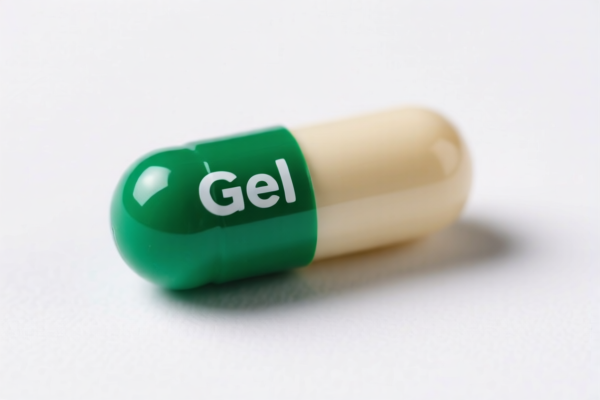
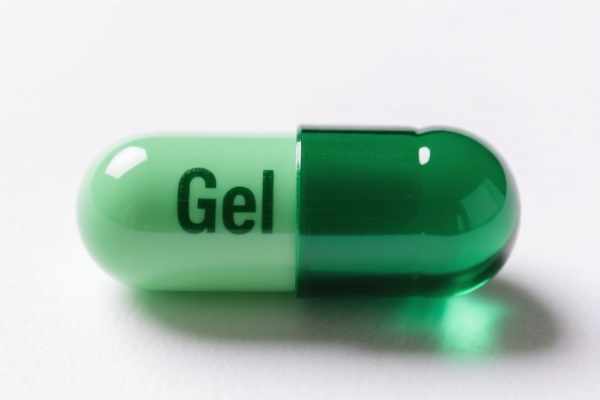

AI Analysis
🖐️ Gel Finger Cap (Protective/Orthopedic/Footwear Accessory)
🌐 HS Code Reference & Customs Clearance Guide | 2026 Latest Tariff Analysis | Professional Strategy
📌 1. Product Definition: What exactly is a "Gel Finger Cap"?
In international trade, the term "Gel Finger Cap" is ambiguous and heavily dependent on its material composition and intended use. It generally falls into one of three categories: 1. Footwear Accessory: A protective cover for toes/fingers made of non-woven fabric or plastic (often used in hygienic shoe covers or disposable protective gear). 2. Orthopedic/Medical Device: Silicone or cotton-based inserts used for correcting toe deformities (like hammertoe) or protecting fractures. 3. General Footwear Part: Other textile or rubber accessories not specifically classified elsewhere.
⚠️ Critical Distinction:
- If it is a disposable, non-woven/plastic protective cover →归类 to 6405.90.20.00
- If it is a textile/rubber shoe accessory →归类 to 6405.90.90.60
- If it is a medical/orthopedic device for correction/support →归类 to 9021.10.00.90 or 9021.90.81.00
📦 2. HS Code Classification Details (2026 Latest Tariff Authority)
| HS Code | Product Description | Application Scenario | Material |
|---|---|---|---|
6405.90.20.00 |
Disposable protective footwear accessories, e.g., non-woven fabric, plastic | Disposable shoe covers, hygiene liners, protective toe caps | Non-woven, Plastic |
6405.90.90.60 |
Footwear accessories of textile or rubber, not for infants; other footwear parts | Textile toe caps, rubber protectors, general shoe accessories | Textile, Rubber |
9021.10.00.90 |
Medical silicone/cotton devices for orthopedic surgery or fracture appliances | Toe straighteners, fracture protection splints | Silicone, Cotton |
9021.90.81.00 |
Orthopedic appliances for protecting/fixing/auxiliary treatment of foot deformities/injuries | Toe spacers, hammertoe correctors, orthotic supports | Silicone, Foam, Thermoplastic |
🔍 Key Reminder:
- "Gel" often implies silicone or medical-grade foam. If used for medical correction (fixing deformities), it MUST go to 9021, not 6405.
- If it is purely protective/disposable (like a hygiene cover), it goes to 6405.90.20.00.
- Misclassification between "Footwear Accessory" and "Medical Device" can lead to significant duty differences and compliance risks.
💰 3. 2026 Latest Tariff Rate Breakdown (Including Surtaxes & Policy Add-ons)
✅ Applicable Country: United States (US)
✅ Origin: China (CN)
✅ Effective Date: From November 10, 2025 (including subsequent imports)
🎯 1. 6405.90.20.00 —— Disposable Protective Footwear Accessories
| Item | Content |
|---|---|
| Base Duty Rate | 3.8% (ad valorem) |
| Section 301 Surtax | +7.5% |
| Section 122 Surtax | +10% |
| Total Tax Rate | 21.3% |
| Tax Calculation | CIF Value × 21.3% |
| De Minimis Exemption | ❌ Not Eligible (Section 301 & 122 surtaxes apply even under de minimis for covered goods from China) |
| Legal Basis Path | Section 122: 19 USC 1581 → Section 301: 19 USC 2411 → USITC: 6405.90.20.00 |
📌 Explanation:
- This code is for disposable/non-woven items.
- The 21.3% total rate is a combination of base tariff, Section 301, and Section 122 duties.
- High Risk: Many disposable Chinese imports are flagged under Section 122, so exemption from low-value import (Section 321) is not guaranteed if the specific good is covered.
🎯 2. 6405.90.90.60 —— Textile/Rubber Footwear Accessories
| Item | Content |
|---|---|
| Base Duty Rate | 12.5% (ad valorem) |
| Section 301 Surtax | 0.0% |
| Section 122 Surtax | +10% |
| Total Tax Rate | 22.5% |
| Tax Calculation | CIF Value × 22.5% |
| De Minimis Exemption | ❌ Not Eligible (Section 122 surtax applies) |
| Legal Basis Path | Section 122: 19 USC 1581 → USITC: 6405.90.90.60 |
📌 Note:
- Higher base duty (12.5%) compared to disposable codes.
- No Section 301 surtax, but Section 122 still applies, making the total rate 22.5%.
- Common for reusable textile or rubber shoe parts.
🎯 3. 9021.10.00.90 & 9021.90.81.00 —— Orthopedic/Medical Devices
| Item | Content |
|---|---|
| Base Duty Rate | 0.0% (ad valorem) |
| Section 301 Surtax | 0.0% |
| Section 122 Surtax | +10% |
| Total Tax Rate | 10.0% |
| Tax Calculation | CIF Value × 10.0% |
| De Minimis Exemption | ❌ Not Eligible (Section 122 surtax applies) |
| Legal Basis Path | Section 122: 19 USC 1581 → USITC: 9021.10.00.90 / 9021.90.81.00 |
📌 Explanation:
- Medical/Orthopedic items have a 0% base duty, which is a significant advantage.
- However, Section 122 adds 10%, resulting in a 10% total rate.
- Crucial: To qualify, the product MUST be clearly for medical/orthopedic purposes (e.g., correcting toe deformities). General "gel toe protectors" sold for comfort may be reclassified as footwear accessories (6405) by CBP, leading to higher taxes.
🛠️ 4. Customs Clearance Practical Advice (Pitfall Avoidance Guide)
✅ 1. Required Documentation Checklist (Non-negotiable)
| Document | Mandatory? | Description |
|---|---|---|
| ✅ Product Specification Sheet | ✔️ | Must clearly state: Material (Silicone, Non-woven, Textile), Intended Use (Medical vs. Protective), Dimensions |
| ✅ Product Photos | ✔️ | Clear images showing packaging, label, and product structure. Must match the declared HS Code. |
| ✅ FDA Registration (If Medical) | ✔️ | If declaring under 9021, FDA establishment registration and device listing may be required. |
| ✅ Commercial Invoice | ✔️ | Must explicitly state: "Orthopedic Toe Corrector" or "Disposable Protective Shoe Cover". Avoid vague terms like "Gel Cap". |
| ✅ Packing List | ✔️ | Detail quantities and weights. |
| ✅ Certificate of Origin | ✔️ | For proving Chinese origin (triggers Section 301/122). |
✅ 2. Declaration Tips (Key Mnemonic)
🔥 "Medical 0 Base, Section 122 10%; Disposable 3.8%, Section 301 7.5%; Textile 12.5%, No 301."
| Scenario | Correct Declaration | Wrong Action |
|---|---|---|
| Medical Toe Straightener | 9021.90.81.00 (10% Total) |
Declare as "Footwear Accessory" → 22.5% |
| Disposable Non-Woven Shoe Cover | 6405.90.20.00 (21.3% Total) |
Declare as "Textile" → 22.5% |
| Reusable Gel Toe Protector (Comfort) | 6405.90.90.60 (22.5% Total) |
Declare as "Medical Device" → CBP Rejection + Penalties |
| General Rubber Toe Cap | 6405.90.90.60 (22.5% Total) |
Declare as "Disposable" → Inaccurate Description |
✅ 3. Special Cases Handling
| Scenario | Handling Advice |
|---|---|
| OEM Medical Devices | Provide FDA 510(k) clearance or exemption letter. CBP will check for medical validity. |
| "Gel" Material Ambiguity | If material is silicone but used for comfort, not correction, it is likely 6405. If for correction, it is 9021. |
| Section 122 Exemption | Currently, Section 122 applies to most Chinese imports. Do not assume de minimis exemption unless the specific HTS is excluded (check latest CBP notices). |
| Mixed Shipments | If a shipment contains both medical and non-medical items, declare separately to avoid misclassification of the entire batch. |
🌍 5. Global Market Comparison (2026 Latest)
| Country/Region | Recommended HS Code | Duty Rate | Certification | Remarks |
|---|---|---|---|---|
| 🇺🇸 USA | 9021.90.81.00 (Medical) |
10% | FDA + Section 122 | Medical is cheapest base duty. |
| 🇺🇸 USA | 6405.90.20.00 (Disposable) |
21.3% | N/A | High due to Section 301 + 122. |
| 🇨🇳 China | 9021.90.81.00 |
0% | N/A | Import to China may have different rules. |
| 🇪🇺 EU | 9021.90 |
0-4.7% | CE Mark | Low duty if medical. |
| 🇬🇧 UK | 9021.90 |
0-4.7% | UKCA | Post-Brexit rules apply. |
📌 Conclusion:
- Medical/Orthopedic classification (9021) offers the lowest base duty (0%), but still faces 10% Section 122 from China.
- Disposable/Textile classifications (6405) face higher total duties (21.3%-22.5%).
- Accuracy in declaration is critical to avoid CBP penalties and ensure the lowest legal duty.
📌 6. Common Errors & Pitfalls (Lessons Learned)
❌ Error 1: Declaring a "Gel Toe Spacer" as a "Footwear Accessory" when it is used for medical correction.
👉 Consequence: Underpayment of duty (if medical is 10% vs. footwear 22.5%) → CBP Audit & Back Taxes.
Wait, actually: If you declare as Footwear (22.5%) but it's Medical (10%), you overpay. But if you declare as Medical (10%) and it's not, you underpay → Penalties.
✅ Correct: Ensure the product is designed and marketed for medical correction to use 9021.
❌ Error 2: Using vague terms like "Gel Cap" on the invoice.
👉 Consequence: CBP cannot determine the correct HTS → Delay in Release + Request for Information.
✅ Correct: Use precise descriptions: "Orthopedic Silicone Toe Separator for Hammer Toe Correction, Model XYZ".
❌ Error 3: Assuming all Chinese imports under $800 are exempt from Section 122.
👉 Consequence: Section 122 surtax applies even to de minimis shipments for covered goods.
✅ Correct: Check if the HTS is listed in the Section 122 coverage. Most footwear/medical accessories from China are subject to Section 122.
🎯 7. Conclusion: Professional Declaration, Save Money, Ensure Compliance!
🎯 Key Takeaways:
🔹 "Medical is 0% Base, but 10% Total. Disposable is 3.8% Base, but 21.3% Total. Textile is 12.5% Base, but 22.5% Total."
🔹 "Section 122 is everywhere for China. Don't rely on De Minimis Exemption blindly."
🔹 "Describe your product precisely: 'Orthopedic' vs. 'Protective' vs. 'Disposable'."
📌 Pro Tip:
If your product is a medical device, ensure you have FDA registration and clear medical indication in your marketing materials. This strengthens your case for
9021classification.
For disposable items, emphasize non-woven/plastic material and disposable nature to qualify for6405.90.20.00.
📣 Immediate Action:
📞 Consult a licensed customs broker.
📝 Provide detailed product specs and intended use.
🚀 Declare accurately to minimize duty and avoid clearance delays!
✨ Professional Clearance Starts with Accurate Classification!
💼 Every percentage point matters in your profit margin!
Customer Reviews
About HS Code Classification
The Harmonized System (HS) is an internationally standardized nomenclature developed by the World Customs Organization (WCO) to classify traded products. Over 200 countries use the HS system as the basis for customs tariffs, trade statistics, and import/export regulations.
Each HS code follows a hierarchical structure:
- Chapter (2 digits) — Broad category of goods (e.g., Chapter 84: Machinery and Mechanical Appliances)
- Heading (4 digits) — More specific grouping within the chapter
- Subheading (6 digits) — Internationally standardized breakdown, used by all WCO member countries
- National subdivisions (8-10 digits) — Country-specific extensions for further classification, such as US HTSUS 10-digit codes
Correct HS code classification is essential for smooth customs clearance, accurate duty payment, and compliance with trade regulations. Misclassification can lead to customs delays, overpayment of duties, or penalties.
When importing from CN to US, the applicable tariff rates may include:
- Most-Favored-Nation (MFN) rate — The standard duty rate applied to WTO members
- General rate — Applied to countries without trade agreements
- Trade remedy duties — Additional tariffs such as Section 301 (anti-dumping), Section 232 (national security), or countervailing duties
The information provided on this page is for reference purposes only. For official classification, please consult with your local customs authority or a licensed customs broker.