Gallium Arsenide Substrate
CN → US| HS Code | Tariff Rate | Origin | Destination | Doc |
|---|---|---|---|---|
| 8541100040 | 60.0% | CN | US | Official Doc |
| 2842909050 | 10.0% | CN | US | Official Doc |
| 3818000010 | 60.0% | CN | US | Official Doc |
| 8541590040 | 60.0% | CN | US | Official Doc |
Product Images
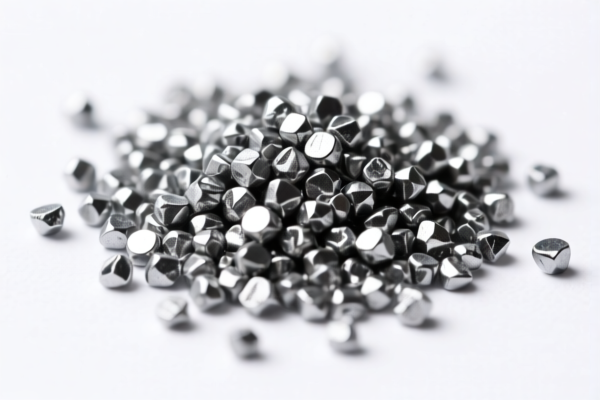
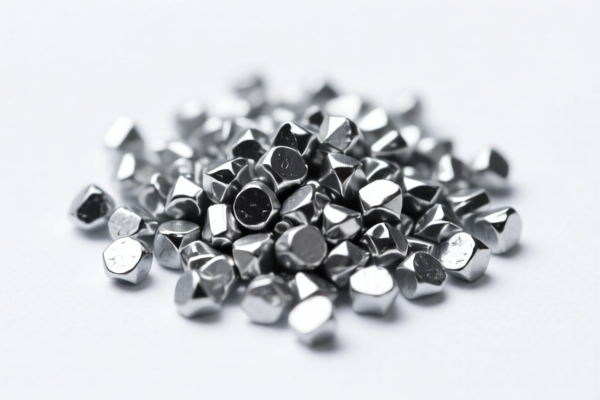
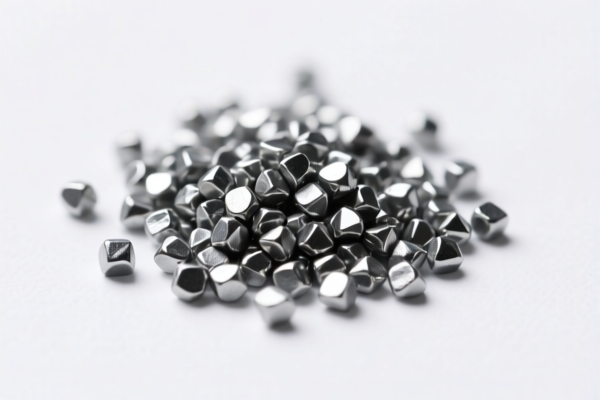
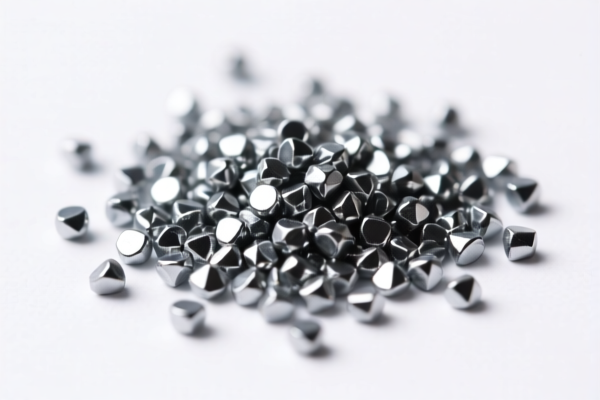
AI Analysis
🧪 Gallium Arsenide Substrate (GaAs Substrate)
🌐 HS Code Reference & Customs Clearance Guide | 2026 Latest Tariff Analysis | Professional Clearance Strategy
📌 1. Product Definition & Classification: What Exactly is a "Gallium Arsenide Substrate"?
A Gallium Arsenide (GaAs) Substrate is a fundamental raw material in the semiconductor industry. It is a single-crystal wafer made of Gallium and Arsenic, serving as the base upon which electronic circuits are built.
In international trade, its classification depends heavily on its physical state (raw material vs. processed component) and functional intent (unmounted chip vs. chemical compound).
⚠️ Key Distinction Point:
- If it is a raw, untreated wafer intended for semiconductor device fabrication → It falls under Semiconductor Materials/Components (Chapter 85).
- If it is classified purely by its chemical composition as a simple inorganic salt/compound → It falls under Chemical Products (Chapter 28 or 38).
- Crucial Note: While chemically it is a compound, customs authorities often prioritize functional classification for semiconductor wafers, leading to different tax implications.
📦 2. HS Code Classification Details (Based on Provided Data)
| HS Code | Summary of Classification Logic | Applicable Scenario | Total Tax Rate (China Origin to US) |
|---|---|---|---|
8541.10.00.40 |
Material: GaAs (Semiconductor); Form: Substrate; Fits "Diodes - Unmounted Chips/Wafers" logic. | Semiconductor wafers for diode/RF device fabrication. | 60.0% |
2842.90.90.50 |
Material: Arsenide (Contains Arsenic); Fits "Inorganic Salts/Compounds" category. | Chemical inventory; less common for functional wafers. | +10.0% |
3818.00.00.10 |
Material: GaAs; Form: Substrate; Fully matches material & usage definition for prepared chemical elements/doped substrates. | High-purity semiconductor substrates prepared for electronic use. | +10.0% |
8541.59.00.40 |
Material: GaAs; Form: Substrate; Fits "Semiconductor Devices - Unmounted Wafers" logic. | Alternative classification for unmounted semiconductor wafers. | 60.0% |
🔍 Critical Insight:
- The highest risk lies in misclassifying a functional semiconductor wafer as a simple chemical compound.
- Codes8541.10.00.40and8541.59.00.40carry a 60% total tax rate due to heavy tariffs.
- Codes2842.90.90.50and3818.00.00.10carry a much lower +10% rate but require strict proof that the item is classified as a chemical or prepared element rather than a semiconductor component.
💰 3. Detailed 2026 Tariff Breakdown (Including Surtaxes & Policy Add-ons)
✅ Applicable Country: United States (US)
✅ Origin: China (CN)
✅ Effective Date: 2025/2026 (Current Trade War Context)
🎯 1. 8541.10.00.40 & 8541.59.00.40 – Semiconductor Diodes/Unmounted Wafers (High Tariff)
| Item | Content |
|---|---|
| Base Tariff | 0.0% (ad valorem) |
| Section 301 / Additional Tariff | +50.0% (Heavy surtax on semiconductors/tech components) |
| Section 122 Tariff | +10.0% (Specific import surcharge) |
| Total Tax Rate | 60.0% |
| Tax Calculation | CIF Value × 60% |
| De Minimis Exemption | ❌ Not Applicable (High-value industrial goods) |
| Legal Path | USITC Chapter 85 → Section 301 List → Section 122 Surcharges |
📌 Explanation:
- These codes are treated as strategic semiconductor components.
- The 50% additional tariff is part of the aggressive US trade policy against Chinese semiconductor manufacturing.
- The 10% Section 122 tariff is a separate statutory surcharge applied to specific industrial imports.
- Total 60% significantly impacts profit margins.
🎯 2. 2842.90.90.50 – Chemical Arsenides (Low Tariff)
| Item | Content |
|---|---|
| Base Tariff | Not specified (implied low/base rate) |
| Additional Tariff | 0.0% |
| Section 122 Tariff | +10.0% |
| Total Tax Rate | +10.0% |
| Tax Calculation | CIF Value × 10% |
| De Minimis Exemption | ❌ Not Applicable |
| Legal Path | USITC Chapter 28 (Chemicals) → Section 122 Surcharges |
📌 Note:
- This classification relies on viewing the substrate purely as an inorganic chemical compound.
- Requires justification that the product is not yet a "semiconductor device" or "chip" but merely a chemical raw material.
🎯 3. 3818.00.00.10 – Doped/Prepared Semiconductor Substrates (Low Tariff)
| Item | Content |
|---|---|
| Base Tariff | Not specified (implied low/base rate) |
| Additional Tariff | 0.0% |
| Section 122 Tariff | +10.0% |
| Total Tax Rate | +10.0% |
| Tax Calculation | CIF Value × 10% |
| De Minimis Exemption | ❌ Not Applicable |
| Legal Path | USITC Chapter 38 (Prepared Chemical Elements) → Section 122 Surcharges |
📌 Note:
- This code is often used for high-purity elemental or compound substrates prepared for electronic use but not yet processed into devices.
- If successfully argued as a "prepared chemical substrate" rather than a "semiconductor component," the tax burden drops from 60% to 10%.
🛠️ 4. Practical Customs Clearance Advice (Avoiding Pitfalls)
✅ 1. Documentation Checklist (Non-negotiable)
| Document | Required | Explanation |
|---|---|---|
| ✅ Technical Data Sheet | ✔️ | Must specify: Crystalline structure, Dopants, Thickness, Diameter, Resistivity. |
| ✅ Certificate of Analysis (CoA) | ✔️ | Proves chemical composition (Ga/As ratio) and purity level. |
| ✅ Product Photographs | ✔️ | Clear images of the wafer, packaging, and any labels indicating "Substrate" or "Wafer." |
| ✅ Commercial Invoice | ✔️ | Describe as "Gallium Arsenide Substrate Wafer" NOT "Diode" or "IC Chip" unless applicable. |
| ✅ Statement of Use | ✔️ | Explain if it's for research, further manufacturing, or final use. |
✅ 2. Declaration Strategy (Critical Mnemonics)
🔥 “Know the Form, Choose the Code. Chemical vs. Component decides the Price!”
| Scenario | Recommended HS Code | Reason | Risk |
|---|---|---|---|
| Raw GaAs Wafer (for further processing) | 3818.00.00.10 or 2842.90.90.50 |
Classified as prepared chemical/substrate. | Lower Risk (10% tax) |
| Processed for Diodes (mounted/unmounted chip) | 8541.10.00.40 |
Classified as semiconductor device/component. | High Risk (60% tax) |
| Unmounted Semiconductor Wafer | 8541.59.00.40 |
Fits "Semiconductor Device" definition. | High Risk (60% tax) |
⚠️ Warning:
- Do NOT declare a simple GaAs substrate as a "Semiconductor Diode" (8541) if it hasn't been processed into a diode structure. This is misclassification.
- However, do NOT declare a finished diode wafer as a "Chemical" (2842) to avoid tariffs. This is tariff evasion.
- Balance: Argue for3818.00.00.10if the substrate is high-purity and prepared but not yet structurally defined as a device.
✅ 3. Special Considerations
| Situation | Handling Advice |
|---|---|
| Doped vs. Undoped | If doped with specific impurities for electronics, 3818 is more appropriate than 2842. |
| Foreign Origin | If manufactured in Vietnam, Taiwan, or Malaysia, US tariff rules differ significantly (no Section 301 China tariffs). Verify Country of Origin carefully. |
| Research Use | If for academic R&D, provide university/lab proof. May still face tariffs but aids in defense against "commercial intent" audits. |
🌍 5. Global Market Comparison (2026)
| Country/Region | Recommended HS Code | Tariff (China Origin) | Certification | Remarks |
|---|---|---|---|---|
| 🇺🇸 USA | 3818.00.00.10 |
+10% (if accepted) | No specific | Aggressive on 8541 (60%). Try 3818 for lower rate. |
| 🇪🇺 EU | 3818.00.10 |
0% - 5% | REACH / RoHS | Less aggressive on semiconductor substrates. |
| 🇨🇳 China | 3818.00.00.10 |
0% - 5% | N/A | Export from China is standard. |
📌 Conclusion:
- The US market is the most challenging due to the 60% tariff trap for8541codes.
- Success in the US often depends on defending the classification as3818.00.00.10(Prepared Substrate) rather than8541(Semiconductor Device).
📌 6. Common Errors & Pitfalls (Lessons Learned)
❌ Error 1: Declaring GaAs Substrate as 8541.10.00.40 (Diodes) without it being a diode.
👉 Consequence: 60% Tariff. Massive cost increase.
👉 Fix: Justify as 3818.00.00.10 (Prepared Semiconductor Material).
❌ Error 2: Declaring processed semiconductor wafers as 2842.90.90.50 (Chemical Salt).
👉 Consequence: Customs rejection for misdeclaration. Goods held or returned.
👉 Fix: Ensure the product is truly a raw chemical compound, not a processed wafer.
❌ Error 3: Ignoring Section 122 Tariff.
👉 Consequence: Underpayment by 10%.
👉 Fix: Remember, even "low tax" codes (+10%) still include the 10% Section 122 surcharge.
✅ Correct Approach:
"Gallium Arsenide (GaAs) Single Crystal Substrate, Undoped/Doped, 2-4 inch Diameter, for Semiconductor Fabrication. HS Code: 3818.00.00.10."
🎯 7. Conclusion: Precise Classification Saves Thousands
🎯 Key Takeaway:
🔹 "Substrate ≠ Device." Use
3818or2842if possible to avoid 60% tariffs.
🔹 "Section 122 is Always On." Even low-tax codes add 10%.
🔹 "Documentation is King." Technical sheets must prove the form and purpose.
📌 Pro Tip:
If your GaAs Substrate is manufactured outside China (e.g., Taiwan, Vietnam, Malaysia), you may avoid the Section 301 additional tariffs entirely, bringing the total tax to near 0-5% even under
8541codes in some cases. Always verify the Country of Origin!
📣 Immediate Action:
📞 Consult with a customs broker to file a Pre-Ruling Request for HS Code
3818.00.00.10before shipment.
🚀 Save 50% in taxes by getting the code right!
✨ Professional Customs Clearance Starts with Accurate Classification!
💼 Your profit margin depends on this 2-digit change!
Customer Reviews
About HS Code Classification
The Harmonized System (HS) is an internationally standardized nomenclature developed by the World Customs Organization (WCO) to classify traded products. Over 200 countries use the HS system as the basis for customs tariffs, trade statistics, and import/export regulations.
Each HS code follows a hierarchical structure:
- Chapter (2 digits) — Broad category of goods (e.g., Chapter 84: Machinery and Mechanical Appliances)
- Heading (4 digits) — More specific grouping within the chapter
- Subheading (6 digits) — Internationally standardized breakdown, used by all WCO member countries
- National subdivisions (8-10 digits) — Country-specific extensions for further classification, such as US HTSUS 10-digit codes
Correct HS code classification is essential for smooth customs clearance, accurate duty payment, and compliance with trade regulations. Misclassification can lead to customs delays, overpayment of duties, or penalties.
When importing from CN to US, the applicable tariff rates may include:
- Most-Favored-Nation (MFN) rate — The standard duty rate applied to WTO members
- General rate — Applied to countries without trade agreements
- Trade remedy duties — Additional tariffs such as Section 301 (anti-dumping), Section 232 (national security), or countervailing duties
The information provided on this page is for reference purposes only. For official classification, please consult with your local customs authority or a licensed customs broker.