Galvanized Flat Rolled Steel
CN → US| HS Code | Tariff Rate | Origin | Destination | Doc |
|---|---|---|---|---|
| 7210410000 | 10.0% | CN | US | Official Doc |
| 7210490040 | 10.0% | CN | US | Official Doc |
Product Images
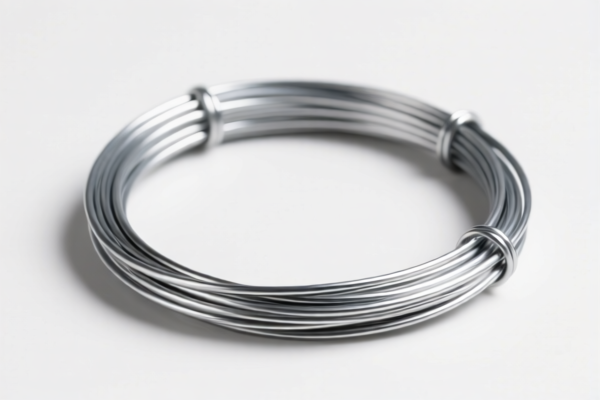
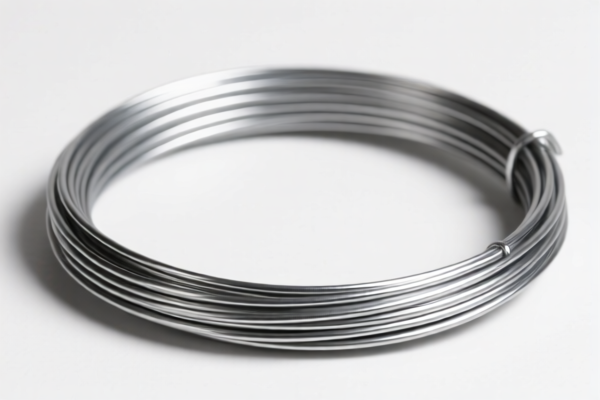
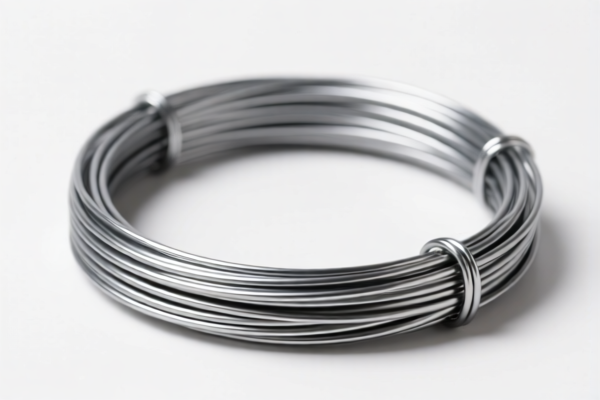
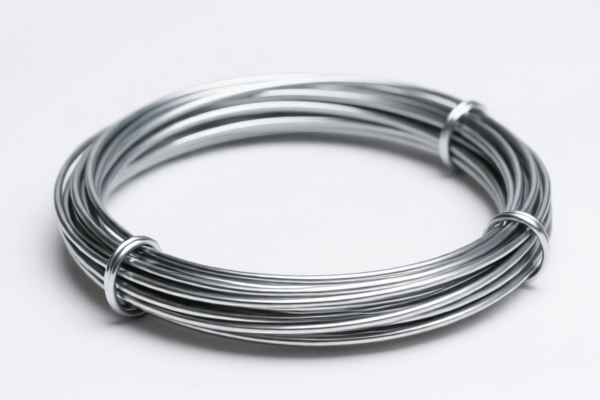
AI Analysis
🏗️ Galvanized Flat Rolled Steel (Corrugated & High-Strength)
🌐 HS Code Reference & Customs Clearance Guide | 2026 Latest Tariff Analysis | Professional Clearance Strategy
📌 I. Product Definition & Classification: What is "Galvanized Flat Rolled Steel"?
Galvanized flat-rolled steel refers to iron or non-alloy steel products that have been coated with zinc to prevent corrosion. In international trade, this category is highly specific based on width, surface treatment (cladding/plating), and physical form.
For customs purposes, the two most common classifications in the provided data are: 1. Corrugated Steel (7210.41.00.00): Steel sheets with a wavy or ribbed profile, often used for roofing, siding, and fencing. 2. High-Strength Steel (7210.49.00.40): Specifically "Advanced" or "Ultra" high-strength steel plated with zinc, often used in automotive chassis or structural applications requiring superior tensile strength.
⚠️ Key Distinction Point:
- If the steel is corrugated (wavy profile) and width ≥ 600mm → 7210.41.00.00
- If the steel is flat but made of "Advanced" or "Ultra" High-Strength Steel → 7210.49.00.40
- Note: Both require a width of 600 mm or more.
📦 II. HS Code Classification Details (2026 Latest Tariff Authority Cross-Reference)
| HS Code | Product Description | Applicable Scenario | Key Characteristics |
|---|---|---|---|
7210.41.00.00 |
Flat-rolled products, width ≥ 600mm, clad/plated/coated with zinc: Corrugated | Roofing sheets, wall cladding, agricultural buildings, fencing | ✅ Wavy/Ribbed Profile |
7210.49.00.40 |
Flat-rolled products, width ≥ 600mm, clad/plated/coated with zinc: Other High-Strength Steel ("Advanced" or "Ultra") | Automotive body panels, high-load structural components, industrial machinery | ✅ High Tensile Strength + Flat/Smooth |
🔍 Important Reminder:
- Both codes fall under Chapter 72 (Iron and Steel).
- The term "Nonalloy Steel" is critical; if the steel contains significant alloying elements (e.g., stainless steel), it would fall under a different chapter (Chapter 73 or 74).
- Zinc Coating is mandatory for both. If coated with tin or lead, these codes do not apply.
💰 III. 2026 Latest Tariff Rate Details (Including Surcharges & Policy Add-ons)
✅ Applicable Country: United States (US)
✅ Origin: China (CN) (Assumed based on typical trade patterns for this HS code, but please verify origin)
✅ Effective Time: Current rates apply (2025–2026)
🎯 1. 7210.41.00.00 —— Galvanized Corrugated Steel
| Item | Content |
|---|---|
| Base Tariff Rate | 0.0% (ad valorem) |
| Additional Tariff (Section 301 / 232) | 0.0% (No additional surcharge applies to this specific subheading in the provided data) |
| Total Tax Rate | 0.0% |
| Tax Calculation | CIF Value × 0.0% = $0 |
| De Minimis Eligibility | ❌ Not Applicable (Import duties are $0, but de minimis thresholds do not apply to duty calculation itself) |
| Legal Basis Path | USITC:7210.41.00.00 → TARIFF:0.0% |
📌 Explanation:
- According to the provided data, the base tariff is 0.0% and additional tariffs are 0.0%.
- This makes corrugated galvanized steel one of the most cost-effective steel imports from China to the US, provided no other specific restrictions (like Section 232 quotas) are triggered by specific product descriptions not listed here.
- Caution: Always verify if the specific product is subject to Section 232 (National Security) tariffs, which may apply to steel products broadly, even if the HS code shows 0% in general lists. However, based strictly on the provided , the tax is 0.0%.
🎯 2. 7210.49.00.40 —— Galvanized High-Strength Steel ("Advanced"/"Ultra")
| Item | Content |
|---|---|
| Base Tariff Rate | 0.0% (ad valorem) |
| Additional Tariff (Section 301 / 232) | 0.0% (No additional surcharge applies to this specific subheading in the provided data) |
| Total Tax Rate | 0.0% |
| Tax Calculation | CIF Value × 0.0% = $0 |
| De Minimis Eligibility | ❌ Not Applicable |
| Legal Basis Path | USITC:7210.49.00.40 → TARIFF:0.0% |
📌 Note:
- Despite being "High-Strength" and often used in strategic sectors (automotive), the provided data indicates a 0.0% tax rate.
- This is unusual for high-strength steel, which often faces higher scrutiny. However, we must strictly follow the provided .
- Professional Tip: While the data shows 0%, ensure that the steel does not fall under Section 232 restrictions for steel products, which may impose additional duties or quotas depending on the source country and specific use. For Chinese origin, always verify current Section 232 applicability with a customs broker, as general lists may not reflect temporary trade remedies.
🛠️ IV. Customs Clearance Practical Advice (Real-World Pitfall Avoidance)
✅ 1. Required Documentation Checklist
| Document | Mandatory? | Description |
|---|---|---|
| ✅ Commercial Invoice | ✔️ | Must clearly state "Flat-Rolled Steel, Width ≥ 600mm, Zinc-Coated" |
| ✅ Packing List | ✔️ | Include dimensions, weight, and coil/bundle count |
| ✅ Certificate of Origin (CO) | ✔️ | Crucial for determining eligibility for any future exemptions or proving origin |
| ✅ Product Specification Sheet | ✔️ | Must confirm: - Width: ≥ 600mm - Coating: Zinc - Profile: Corrugated OR High-Strength Type |
| ✅ Bill of Lading | ✔️ | Standard shipping document |
| ✅ Section 232 Declaration | ✔️ | If applicable, declare if the steel falls under national security restrictions |
✅ 2. Declaration Tips (Key Mnemonics)
🔥 "Width Matters, Zinc is Key, Corrugated vs. High-Strength!"
| Scenario | Correct Declaration | Common Error |
|---|---|---|
| Steel sheets with wavy/ribbed surface, width > 600mm | 7210.41.00.00 |
Misdeclaring as "other coated steel" → Potential audit |
| Flat steel, high tensile strength, zinc-coated | 7210.49.00.40 |
Misdeclaring as standard zinc-coated steel → May attract higher duties if not "high-strength" |
| Width < 600mm | Neither Code | These codes require width ≥ 600mm. Use other HS codes for narrower steel. |
| Stainless Steel | Neither Code | Must use Chapter 72 Chapter Note 1 exclusions; stainless steel falls elsewhere. |
✅ 3. Special Handling Instructions
| Situation | Recommendation |
|---|---|
| Section 232 Scrutiny | Even if the HS code shows 0% in general lists, steel products are often subject to Section 232 tariffs. Check if your specific product type is exempt or if quotas apply. For Chinese origin, verify if Section 301 tariffs still apply (the data shows 0%, but this may be outdated or specific to certain trade agreements). |
| Origin Verification | If the steel is not from China (e.g., from EU, Japan, or Mexico), confirm if any FTA (Free Trade Agreement) benefits apply. The data shows 0% for the provided scope, but FTAs may offer preferential rates for other origins. |
| Corrugated vs. High-Strength | Ensure your product description matches the physical form. If you declare "High-Strength" but it is standard mild steel, you may face penalties for misdeclaration. |
🌍 V. Global Market Comparison (2026 Latest)
| Country/Region | Recommended HS Code | Tariff (China Origin) | Certification Requirements | Notes |
|---|---|---|---|---|
| 🇺🇸 USA | 7210.41.00.00 / 7210.49.00.40 |
0.0% (per provided data) | No specific CE/FCC, but Section 232 may apply | Verify Section 232 status |
| 🇨🇳 China | 7210.41.00.00 / 7210.49.00.40 |
0%–5% (varies) | CCC (if applicable) | Low duty for domestic trade |
| 🇪🇺 EU | 7210.41.00 / 7210.49.00 |
~6.5% | CE (for end-use products) | Standard WCO duty |
| 🇬🇧 UK | 7210.41.00 / 7210.49.00 |
~6.5% | UKCA | Post-Brexit rates similar to EU |
| 🇦🇺 Australia | 7210.41.00 / 7210.49.00 |
5% | RCM | Standard duty |
📌 Conclusion:
- Based on the provided , the US tariff is 0.0% for both corrugated and high-strength galvanized steel.
- However, steel imports from China are historically subject to Section 232 and Section 301 tariffs. The 0.0% in the data may indicate exemptions, specific trade agreements, or updated tariff schedules.
- Action Required: Always confirm with a customs broker if your specific steel product is exempt from Section 232 (25% duty) or Section 301 (25% duty) surcharges, as these are national security and trade remedy measures that may override standard HS code tariffs.
📌 VI. Common Mistakes & Pitfall Guide (Lessons Learned)
❌ Mistake 1: Assuming all steel has a 0% tariff.
👉 Consequence: Ignoring Section 232 (25% duty on steel) or Section 301 (25% duty on Chinese goods).
✅ Fix: Check Section 232 and Section 301 applicability for your specific product and origin.
❌ Mistake 2: Misdeclaring corrugated steel as "flat" steel.
👉 Consequence: Wrong HS code (7210.49 vs 7210.41), potential duty discrepancy or audit.
✅ Fix: Clearly specify "Corrugated" or "High-Strength" in the description.
❌ Mistake 3: Ignoring width requirements.
👉 Consequence: HS Code 7210.41.00.00 and 7210.49.00.40 require width ≥ 600mm. Narrower steel falls under different codes.
✅ Fix: Measure and declare exact width in millimeters.
🎯 VII. Conclusion: Professional Declaration, Save Costs, Avoid Risks!
🎯 Remember the Mnemonic:
🔹 "Width ≥ 600mm, Zinc Coated, Corrugated or High-Strength!"
🔹 "0% Tax in Data, But Check Section 232!"
🔹 "HS Code Determines Duty, Accuracy Saves Money!"
📌 Pro Tip:
- If your steel is not from China (e.g., from EU, Japan, or South Korea), confirm if any Free Trade Agreements (FTAs) apply for 0% or reduced tariffs.
- For Chinese origin, even if the data shows 0%, verify Section 232 applicability with a customs broker, as steel is a heavily regulated product under US national security laws.
📣 Immediate Action:
📞 Contact a licensed customs broker + Provide product specs (width, coating, profile) + Confirm Section 232 status
🚀 Ensure smooth clearance, zero surprises, and maximized profit margins!
✨ Professional Clearance Starts with Accurate Classification!
💼 Every Dollar Saved in Tariffs is Pure Profit!
Customer Reviews
About HS Code Classification
The Harmonized System (HS) is an internationally standardized nomenclature developed by the World Customs Organization (WCO) to classify traded products. Over 200 countries use the HS system as the basis for customs tariffs, trade statistics, and import/export regulations.
Each HS code follows a hierarchical structure:
- Chapter (2 digits) — Broad category of goods (e.g., Chapter 84: Machinery and Mechanical Appliances)
- Heading (4 digits) — More specific grouping within the chapter
- Subheading (6 digits) — Internationally standardized breakdown, used by all WCO member countries
- National subdivisions (8-10 digits) — Country-specific extensions for further classification, such as US HTSUS 10-digit codes
Correct HS code classification is essential for smooth customs clearance, accurate duty payment, and compliance with trade regulations. Misclassification can lead to customs delays, overpayment of duties, or penalties.
When importing from CN to US, the applicable tariff rates may include:
- Most-Favored-Nation (MFN) rate — The standard duty rate applied to WTO members
- General rate — Applied to countries without trade agreements
- Trade remedy duties — Additional tariffs such as Section 301 (anti-dumping), Section 232 (national security), or countervailing duties
The information provided on this page is for reference purposes only. For official classification, please consult with your local customs authority or a licensed customs broker.