Garden Broom
CN → US| HS Code | Tariff Rate | Origin | Destination | Doc |
|---|---|---|---|---|
| 9603908040 | 20.3% | CN | US | Official Doc |
| 9603908020 | 20.3% | CN | US | Official Doc |
| 9603101500 | 0.0% | CN | US | Official Doc |
| 3924905610 | 20.9% | CN | US | Official Doc |
| 3924905650 | 20.9% | CN | US | Official Doc |
| 9603908010 | 20.3% | CN | US | Official Doc |
Product Images
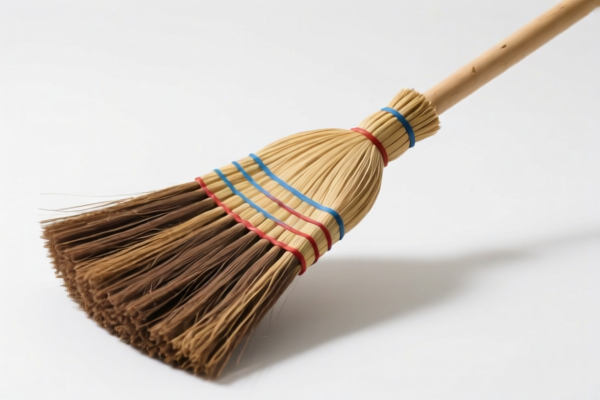
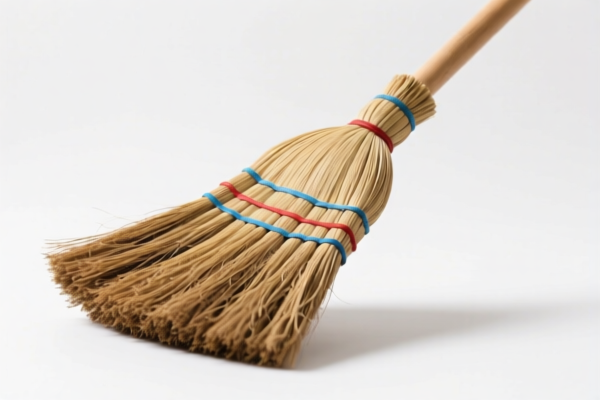
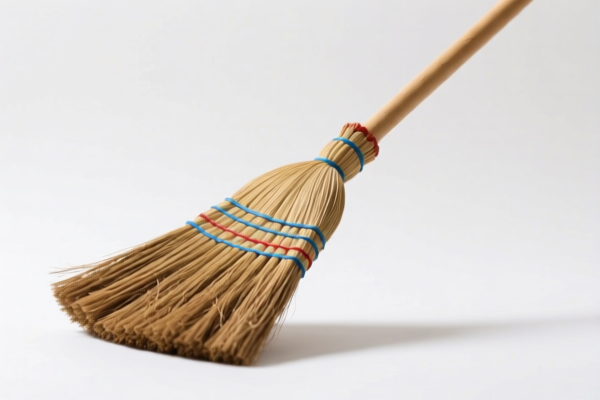
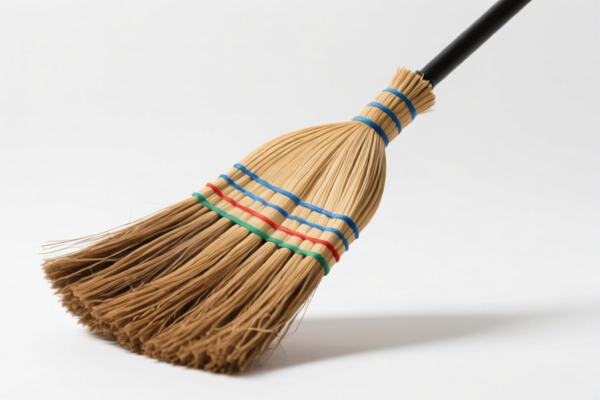
AI Analysis
🧹 Garden Broom (Brushes for Cleaning Purposes)
🌐 HS Code Reference & Customs Clearance Guide | 2026 Latest Tariff Analysis | Professional Compliance Strategy
📌 I. Product Definition & Classification: What Exactly is a "Garden Broom"?
A "Garden Broom" generally refers to a cleaning tool used for sweeping outdoor areas, patios, or large indoor spaces. In international trade, the classification heavily depends on the material of the bristles and the specific use case (e.g., general cleaning vs. desk/tablet cleaning).
Key Distinctions: * Plastic Broom: Made primarily of synthetic materials (nylon, polypropylene). * Plant-Material Broom: Made from natural fibers (corn husk, sorghum, straw). * Desktop/Tablet Broom: Small, often plastic, used for keyboards or tables.
⚠️ Critical Classification Point:
- If the broom is made of plastic for general cleaning → It falls under 9603.90 (Other brushes).
- If the broom is made of plant materials (even if used for gardens) → It may fall under 9603.10 (Brooms).
- If it is a small desktop accessory made of plastic → It might be classified as a household article under 3924.90 (Plastic tableware/household articles), which carries a different tax structure.
📦 II. HS Code Classification Details (Based on Provided Data)
| HS Code | Product Description | Classification Logic | Tax Rate (Total) |
|---|---|---|---|
9603.90.80.40 |
Plastic Broom (General) | Classified as "Other Brooms." No material conflict with this category for plastic bristles. | 20.3% |
9603.90.80.20 |
Plastic Broom (Alternative) | Fits the category of "Brooms," consistent with material attributes (plastic). | 20.3% |
9603.10.15.00 |
Plant-Material Broom (e.g., Corn Husk) | Inferred to be made of plant materials, fitting the "Broom" classification for natural fibers. | 5¢ each + 17.5% |
3924.90.56.10 |
Plastic Desktop/Tablet Broom | Inferred as a plastic household item for cleaning tables/desks, falling under "Other Household Articles." | 20.9% |
3924.90.56.50 |
Plastic Desktop/Tablet Broom | Categorized as a home cleaning product, likely containing plastic, under household articles. | 20.9% |
🔍 Key Insight:
- Plastic Brooms (Standard Garden Size): Typically fall under 9603.90 with a total tariff of 20.3%.
- Natural Fiber Brooms: Fall under 9603.10 with a specific duty of 5¢ each + 17.5%.
- Small Plastic Brooms (Desktop/Office): May be misclassified as household articles (3924.90) with a slightly higher total tariff of 20.9%.
- Avoid Misclassification: Do not classify a large plastic garden broom as a "desktop broom" (3924.90) or vice versa. Material and primary use are key.
💰 III. 2026 Latest Tariff Rate Breakdown (Including Surtaxes & Policy Add-ons)
✅ Applicable Country: United States (US)
✅ Origin: China (CN)
✅ Effective Date: November 10, 2025 (and subsequent imports)
🎯 1. 9603.90.80.40 & 9603.90.80.20 — Plastic Brooms (General)
| Item | Details |
|---|---|
| Base Tariff | 2.8% (Ad Valorem) |
| Section 301 Surtax | +7.5% (Additional Tariff) |
| Section 122 Tariff | +10% (Specific Section 122 Duty) |
| Total Tax Rate | 20.3% |
| Tax Calculation | CIF Value × 20.3% |
| De Minimis Exemption | ❌ Not Eligible (Subject to Section 321 exemption limitations for certain categories) |
| Legal Basis Path | Base: 9603.90 → Section 301: 7.5% → Section 122: 10% |
📌 Explanation:
- The 2.8% is the standard Most Favored Nation (MFN) rate for plastic brushes.
- The 7.5% is an additional tariff imposed under Section 301 on Chinese goods.
- The 10% is a specific tariff under Section 122, which targets certain consumer goods.
- Total 20.3% is a significant cost factor. Ensure your pricing model accounts for this.
🎯 2. 9603.10.15.00 — Plant-Material Brooms (e.g., Corn Husk)
| Item | Details |
|---|---|
| Base Tariff | 5¢ each (Specific Duty) |
| Section 301 Surtax | +7.5% (Ad Valorem) |
| Section 122 Tariff | +10% (Ad Valorem) |
| Total Tax Rate | 5¢ each + 17.5% |
| Tax Calculation | (Number of Brooms × $0.05) + (CIF Value × 17.5%) |
| De Minimis Exemption | ❌ Not Eligible (Likely subject to restrictions) |
| Legal Basis Path | Base: 9603.10 → Section 301: 7.5% → Section 122: 10% |
📌 Note:
- For low-value items, the 5¢ per unit specific duty can add up quickly if quantities are large.
- The 17.5% ad valorem portion is still substantial.
- Natural fiber brooms are often viewed more favorably in some contexts, but the Section 301 and Section 122 surtaxes still apply heavily.
🎯 3. 3924.90.56.10 & 3924.90.56.50 — Plastic Desktop/Tablet Brooms (Household Articles)
| Item | Details |
|---|---|
| Base Tariff | 3.4% (Ad Valorem) |
| Section 301 Surtax | +7.5% (Additional Tariff) |
| Section 122 Tariff | +10% (Specific Section 122 Duty) |
| Total Tax Rate | 20.9% |
| Tax Calculation | CIF Value × 20.9% |
| De Minimis Exemption | ❌ Not Eligible |
| Legal Basis Path | Base: 3924.90 → Section 301: 7.5% → Section 122: 10% |
📌 Warning:
- Classifying a plastic garden broom as a "desktop broom" (3924.90) is risky if the primary use is not for tables/desks.
- The tax rate (20.9%) is higher than the standard plastic broom classification (20.3%).
- Do not use this classification for large outdoor brooms unless specifically designed for desktop use.
🛠️ IV. Customs Clearance Practical Advice (Pitfall Avoidance Guide)
✅ 1. Documentation Checklist (Mandatory)
| Document | Required | Notes |
|---|---|---|
| ✅ Product Specification Sheet | ✔️ | Must specify: Material (Plastic/Natural Fiber), Size, Intended Use (Garden/Desktop). |
| ✅ Product Photos | ✔️ | Clear images of bristles (natural vs. synthetic) and overall structure. |
| ✅ Commercial Invoice | ✔️ | Clearly state "Garden Broom" or "Desk Broom," not just "Cleaning Tool." |
| ✅ Packing List | ✔️ | Item count, weight, dimensions. |
| ✅ Material Declaration | ✔️ | Explicitly state if bristles are 100% Plastic or 100% Plant Fiber. This is the key to correct HS Code. |
| ✅ FCC/RoHS Certificates | ✔️ | If applicable, for plastic components. |
✅ 2. Declaration Tips (Key Mantra)
🔥 "Material Defines Code, Use Defines Sub-Code!"
| Scenario | Correct HS Code | Wrong Practice | Consequence |
|---|---|---|---|
| Large Plastic Garden Broom | 9603.90.80.40 / 80.20 |
Misclassify as 3924.90 (Household Article) |
Tax difference (20.3% vs 20.9%) + Potential Penalty |
| Small Plastic Desktop Broom | 3924.90.56.10 / 56.50 |
Misclassify as 9603.90 (Broom) |
Overpaying tax or Incorrect Declaration |
| Corn Husk/Natural Broom | 9603.10.15.00 |
Misclassify as Plastic | Severe Penalty + Back Taxes |
✅ 3. Special Case Handling
| Situation | Recommendation |
|---|---|
| Mixed Materials | If bristles are mixed (e.g., plastic + natural fibers), consult a customs broker. Likely classified under the primary material or as "Other Brushes" (9603.90). |
| OEM Custom Brooms | Provide design drawings and material samples to prove classification. |
| Bundle Sales (Broom + Dustpan) | Declare separately if possible. If bundled, the main article (Broom) may dictate the classification, but consult a broker for "Set" rules. |
| De Minimis Shipments | Check if Section 321 ($800) exemption applies. However, for China-origin goods under Section 301 and Section 122, exemptions are highly restricted or denied. Assume no exemption for safety. |
🌍 V. Global Market Comparison (2026 Latest)
| Country/Region | Recommended HS Code | Tariff (China Origin) | Certification | Notes |
|---|---|---|---|---|
| 🇺🇸 USA | 9603.90.80.40 |
20.3% | N/A | High surtaxes (Section 301 & 122) apply. |
| 🇨🇳 China | 9603.90.80.40 |
Low/0% (Varies) | N/A | Domestic duty is minimal. |
| 🇪🇺 EU | 9603.90 |
0% | CE (if plastic) | No Section 301 equivalent. |
| 🇬🇧 UK | 9603.90 |
4% | UKCA | Post-Brexit duties apply. |
| 🇦🇺 Australia | 9603.90 |
5% | N/A | Moderate tariff. |
📌 Conclusion:
- USA is the most challenging market due to 20.3% total tariff.
- EU/UK/AU offer significantly lower tariffs, making them more attractive for price-sensitive markets.
- Supply Chain Strategy: Consider sourcing from non-China countries (e.g., Vietnam, Thailand) to avoid Section 301 and Section 122 surtaxes if targeting the US market.
📌 VI. Common Mistakes & Pitfall Guide (Blood Lessons)
❌ Mistake 1: Classifying a Large Plastic Garden Broom as 3924.90 (Household Article)
👉 Consequence: Incorrect declaration, potential penalty, and higher tax rate (20.9% vs 20.3%).
❌ Mistake 2: Classifying a Natural Fiber Broom as Plastic (9603.90)
👉 Consequence: Significant back taxes, penalties, and delays due to material mismatch.
❌ Mistake 3: Assuming De Minimis ($800) exemption applies to China-origin brooms
👉 Consequence: Goods held at customs, fines, and demurrage charges. Assume NO exemption.
❌ Mistake 4: Vague Description "Cleaning Tool"
👉 Consequence: Customs may downgrade to highest duty category or demand detailed documentation, causing delays.
✅ Correct Approach:
"Plastic Garden Broom, 24-inch, Nylon Bristles, for Outdoor Use, Model XYZ, China Origin"
🎯 VII. Conclusion: Precision in Classification Saves Money!
🎯 Remember the Mantra:
🔹 "Plastic = 9603.90 (20.3%), Natural = 9603.10 (5¢+17.5%), Desktop Plastic = 3924.90 (20.9%)"
🔹 "Material First, Use Second, Tax Avoidance is Key!"
🔹 "Section 301 & 122 are Non-Negotiable for China-Origin!"
📌 Pro Tip:
If your brooms are originating from Vietnam, Mexico, or Thailand, you may be eligible for Section 301/122 exemptions, reducing the tariff to 0%~5%.
✅ Recommendation: Apply for an Advance Ruling (CBP Ruling) before shipping to confirm the HS Code and tax liability.
📣 Immediate Action:
📞 Contact a Licensed Customs Broker + Provide Product Samples/Photos + Apply for CBP Ruling
🚀 Let your Garden Brooms clear customs smoothly, efficiently, and profitably!
✨ Professional Clearance Starts with Accurate Classification!
💼 Every Cent Saved is a Cent Earned!
Customer Reviews
About HS Code Classification
The Harmonized System (HS) is an internationally standardized nomenclature developed by the World Customs Organization (WCO) to classify traded products. Over 200 countries use the HS system as the basis for customs tariffs, trade statistics, and import/export regulations.
Each HS code follows a hierarchical structure:
- Chapter (2 digits) — Broad category of goods (e.g., Chapter 84: Machinery and Mechanical Appliances)
- Heading (4 digits) — More specific grouping within the chapter
- Subheading (6 digits) — Internationally standardized breakdown, used by all WCO member countries
- National subdivisions (8-10 digits) — Country-specific extensions for further classification, such as US HTSUS 10-digit codes
Correct HS code classification is essential for smooth customs clearance, accurate duty payment, and compliance with trade regulations. Misclassification can lead to customs delays, overpayment of duties, or penalties.
When importing from CN to US, the applicable tariff rates may include:
- Most-Favored-Nation (MFN) rate — The standard duty rate applied to WTO members
- General rate — Applied to countries without trade agreements
- Trade remedy duties — Additional tariffs such as Section 301 (anti-dumping), Section 232 (national security), or countervailing duties
The information provided on this page is for reference purposes only. For official classification, please consult with your local customs authority or a licensed customs broker.