Garden Decor
CN → US| HS Code | Tariff Rate | Origin | Destination | Doc |
|---|---|---|---|---|
| 6913905000 | 23.5% | CN | US | Official Doc |
| 6810990080 | 35.0% | CN | US | Official Doc |
| 6810195000 | 38.9% | CN | US | Official Doc |
| 3926400090 | 15.3% | CN | US | Official Doc |
| 3926909989 | 22.8% | CN | US | Official Doc |
Product Images
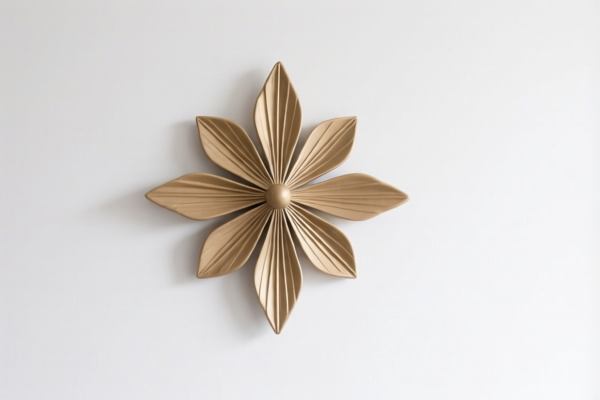
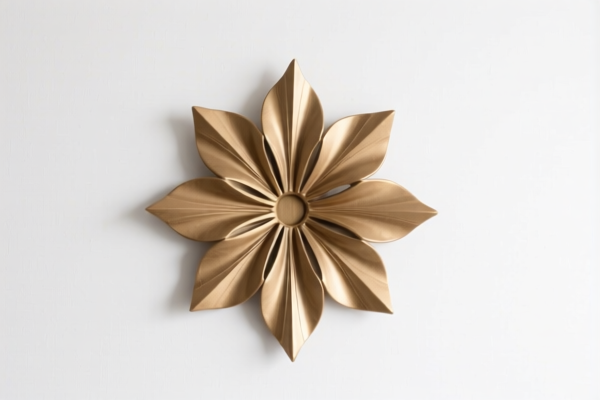
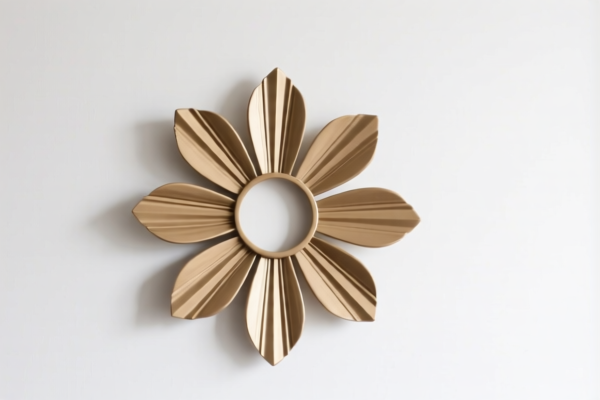
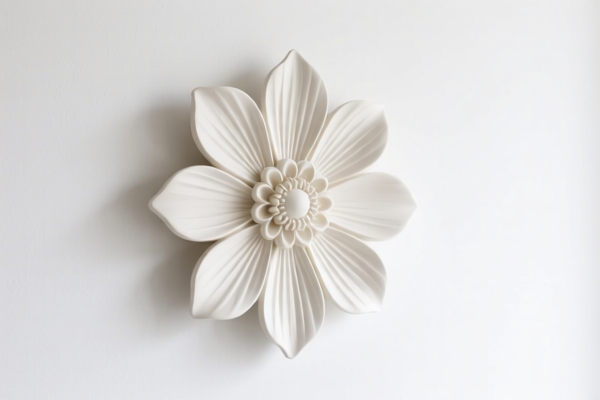
AI Analysis
🌿 Garden Decor (Outdoor Ornamental Goods)
🌐 HS Code Reference & Customs Clearance Guide | 2026 Latest Tariff Analysis | Professional Clearance Strategy
📌 Part 1: Product Definition & Classification: Do You Know Your Garden Decor?
Garden Decor, in international trade, refers to non-structural ornamental items used for aesthetic enhancement of outdoor spaces. They are not functional machinery, living plants, or permanent building materials.
The classification strictly depends on the primary material used in manufacturing. Misclassification here leads to drastic tariff differences (from 15.3% to 38.9%).
⚠️ Key Distinction Point:
- Ceramic/Porcelain → HS 6913
- Concrete/Cement/Artificial Stone → HS 6810
- Plastic/Resin → HS 3926
- Paving Stones/Bricks (if used as decor) → HS 6810 (Different Subheading)
📦 Part 2: HS Code Classification Details (2026 Latest Tariff Authority Match)
| HS Code | Product Description | Applicable Scenario | Material |
|---|---|---|---|
6913.90.50.00 |
Ceramic garden ornaments, classified as other decorative ceramic articles | Ceramic statues, terracotta pots, glazed figurines | Ceramic/Porcelain |
6810.99.00.80 |
Concrete, cement, or artificial stone garden ornaments, classified as other articles | Stone-like statues, concrete planters, faux-stone fountains | Concrete/Cement/Artificial Stone |
6810.19.50.00 |
Garden decor made of paving stones/bricks-like materials, fallback classification | Decorative paving stones, brick-like garden edging, stone tiles | Paving Stone/Brick Material |
3926.40.00.90 |
Plastic or other material garden ornaments, classified as other decorations | Lightweight resin statues, plastic flowers, PVC garden figures | Plastic/Resin |
3926.90.99.89 |
Plastic/material garden decor, fallback classification for other categories | Mixed-material decor where plastic is not the primary decorative feature, or unlisted plastic items | Plastic (Fallback) |
🔍 Critical Reminder:
- Ceramic (6913.90.50.00) has the lowest total tax (23.5%) among the main material categories.
- Concrete/Cement (6810.99.00.80) and Paving Materials (6810.19.50.00) face higher tariffs (35.0% - 38.9%) due to base duties plus Section 301/122 tariffs.
- Plastic (3926.40.00.90) offers the lowest total tax (15.3%) but only if it fits the specific "other decorations" subheading; otherwise, the fallback3926.90.99.89applies (22.8%).
💰 Part 3: 2026 Latest Tariff Rate Breakdown (Including Surtaxes & Policy Add-ons)
✅ Applicable Country: United States (US)
✅ Origin: China (CN)
✅ Effective Time: Current Trade Policy (Section 301 & Section 122)
🎯 1. 6913.90.50.00 —— Ceramic Garden Decor (Lowest Risk Option)
| Item | Content |
|---|---|
| Base Duty Rate | 6.0% |
| Section 301 Surtax | +7.5% |
| Section 122 Tariff | +10.0% |
| Total Effective Tax | 23.5% |
| Tax Calculation | CIF Value × 23.5% |
| De Minimis Exemption | ❌ Not Eligible (Section 301 & 122 apply) |
| Legal Basis Path | Section 122: 122.00 → Section 301: 9903.01.19 → HS: 6913.90.50.00 |
📌 Explanation:
- Ceramic goods benefit from a relatively low base duty (6.0%).
- The total 23.5% is the most competitive rate among the provided options.
- Strategy: If your product can be marketed as "ceramic" (even if composite, if ceramic is dominant), this is the preferred HS code.
🎯 2. 3926.40.00.90 —— Plastic Garden Decor (Best Value if Eligible)
| Item | Content |
|---|---|
| Base Duty Rate | 5.3% |
| Section 301 Surtax | +0.0% |
| Section 122 Tariff | +10.0% |
| Total Effective Tax | 15.3% |
| Tax Calculation | CIF Value × 15.3% |
| De Minimis Exemption | ❌ Not Eligible (Section 122 applies) |
| Legal Basis Path | Section 122: 122.00 → HS: 3926.40.00.90 |
📌 Explanation:
- Lowest Total Tax (15.3%)!
- Crucial Note: This code has 0% Section 301 surtax. This is a massive advantage over concrete/ceramic.
- Condition: The item must strictly qualify as "Plastic or other material... classified as other decorations." If it is a generic plastic item falling under "Other," use3926.90.99.89.
🎯 3. 3926.90.99.89 —— Plastic Garden Decor (Fallback Classification)
| Item | Content |
|---|---|
| Base Duty Rate | 5.3% |
| Section 301 Surtax | +7.5% |
| Section 122 Tariff | +10.0% |
| Total Effective Tax | 22.8% |
| Tax Calculation | CIF Value × 22.8% |
| De Minimis Exemption | ❌ Not Eligible |
| Legal Basis Path | Section 122: 122.00 → Section 301: 9903.01.19 → HS: 3926.90.99.89 |
📌 Explanation:
- If the plastic decor doesn't fit the specific "6913" or "3926.40" descriptions, it falls here.
- The 7.5% Section 301 surtax makes it slightly more expensive than3926.40.00.90.
🎯 4. 6810.99.00.80 —— Concrete/Cement Garden Decor (High Cost)
| Item | Content |
|---|---|
| Base Duty Rate | 0.0% |
| Section 301 Surtax | +25.0% |
| Section 122 Tariff | +10.0% |
| Total Effective Tax | 35.0% |
| Tax Calculation | CIF Value × 35.0% |
| De Minimis Exemption | ❌ Not Eligible |
| Legal Basis Path | Section 122: 122.00 → Section 301: 9903.01.19 → HS: 6810.99.00.80 |
📌 Explanation:
- Although base duty is 0%, the 25% Section 301 surtax pushes the total to 35%.
- Heavy items like concrete statues incur high shipping costs, and high tariffs further eat into margins.
🎯 5. 6810.19.50.00 —— Paving Stone/Brick Decor (Highest Cost)
| Item | Content |
|---|---|
| Base Duty Rate | 3.9% |
| Section 301 Surtax | +25.0% |
| Section 122 Tariff | +10.0% |
| Total Effective Tax | 38.9% |
| Tax Calculation | CIF Value × 38.9% |
| De Minimis Exemption | ❌ Not Eligible |
| Legal Basis Path | Section 122: 122.00 → Section 301: 9903.01.19 → HS: 6810.19.50.00 |
📌 Explanation:
- Highest Total Tax (38.9%).
- This classification is for "paving stones, bricks and similar articles." If your garden decor is essentially a decorative brick or paver, this is the mandatory code. Avoid if possible due to high tax.
🛠️ Part 4: Customs Clearance Practical Advice (Battle-Tested Pitfall Guide)
✅ 1. Preparation Checklist (Non-Negotiable)
| Document | Required | Note |
|---|---|---|
| ✅ Product Catalog/Spec Sheet | ✔️ | Must clearly state Material Composition (e.g., "100% Ceramic," "Concrete with plastic paint"). |
| ✅ Product Photos | ✔️ | Show the item in a garden setting. Highlight texture (glazed ceramic vs. rough concrete). |
| ✅ Commercial Invoice | ✔️ | Description must be precise: "Ceramic Garden Statue, Model XYZ" NOT just "Garden Decor." |
| ✅ Packing List | ✔️ | Weight and dimensions. Heavy items like concrete may face different freight tariffs. |
| ✅ Origin Certificate | ✔️ | Proof of China origin to apply Section 301/122 correctly. |
✅ 2. Declaration Strategy (Key Mnemonic)
🔥 “Material is King, Code Follows Suit, Avoid Fallbacks, Save the Suit!”
| Scenario | Correct HS Code | Error Consequence |
|---|---|---|
| Ceramic Statue | 6913.90.50.00 (23.5%) |
If misdeclared as Plastic → Potential fraud penalty or reclassification + back taxes |
| Plastic Resin Figurine | 3926.40.00.90 (15.3%) |
If misdeclared as 3926.90.99.89 → Pay extra 7.5% for no reason |
| Concrete Planter | 6810.99.00.80 (35.0%) |
No good alternative; ensure it’s not classified as "Pottery" (Ceramic) |
| Decorative Paver | 6810.19.50.00 (38.9%) |
If misdeclared as Concrete 6810.99 → Still 35%, but incorrect legal basis |
📌 Pro Tip:
- For Plastic items, try to argue for3926.40.00.90(15.3%) by proving they are "Other Decorations" specifically designed for ornamental use, rather than general "Other" plastics. This saves 7.5%.
- For Ceramic, this is already the best rate. No optimization needed.
✅ 3. Special Cases Handling
| Situation | Handling Advice |
|---|---|
| Mixed Materials (e.g., Ceramic head on Plastic base) | Classify based on Essential Character. If ceramic is the dominant value/identity → 6913.90.50.00. |
| Painted Concrete (Looks like stone but is cement) | Still 6810.99.00.80. Paint does not change material classification. |
| LED Integrated Garden Decor | If LED is integral to the ornament (e.g., light-up statue), it may still fall under the material code, but check if electrical components trigger a different chapter (e.g., 9405 for lamps). If it’s just a statue with solar-powered light inside, material code usually prevails. |
| Sample Shipment | Even for samples, Section 122 (10%) may apply. Do not assume de minimis exemption. |
🌍 Part 5: Market Comparison & Strategic Insight (2026)
| Material Type | HS Code | Total Tax | Recommendation |
|---|---|---|---|
| Plastic (Optimized) | 3926.40.00.90 |
15.3% | 🏆 BEST |
| Ceramic | 6913.90.50.00 |
23.5% | 🥈 GOOD |
| Plastic (Fallback) | 3926.90.99.89 |
22.8% | 🥉 OK |
| Concrete/Cement | 6810.99.00.80 |
35.0% | ⚠️ HIGH |
| Paving Stone | 6810.19.50.00 |
38.9% | 🚫 AVOID |
📌 Conclusion:
- Plastic (3926.40.00.90) is the most cost-effective option for US import.
- Ceramic is the safest and most competitive for premium goods.
- Concrete and Paving materials should be minimized due to high 25% Section 301 surtaxes.
📌 Part 6: Common Mistakes & Pitfalls (Lessons Learned)
❌ Mistake 1: Declaring Concrete as Ceramic to save tax.
👉 Consequence: Customs inspection reveals material difference → Fine + Back Taxes + Audit.
❌ Mistake 2: Declaring Plastic as Generic Goods to avoid Section 301.
👉 Consequence: Section 122 (10%) still applies. You miss the 0% Section 301 benefit of 3926.40.00.90.
❌ Mistake 3: Using vague descriptions like "Garden Ornament" on Invoice.
👉 Consequence: Customs may select for examination, demanding material proof. Delays and storage fees accrue.
✅ Correct Action:
Use precise descriptions:
- "Ceramic Garden Statue, Glazed, Outdoor Use"
- "Plastic Resin Garden Figurine, UV Resistant, Decorative"
- "Concrete Planter Pot, Weatherproof"
🎯 Part 7: Conclusion: Professional Declaration, Cost Optimization!
🎯 Remember the Golden Rules:
🔹 “Plastic First, Ceramic Second, Concrete is Costly.”
🔹 “3926.40is the Sweet Spot (15.3%).”
🔹 “6913.90is the Premium Choice (23.5%).”
📌 Pro Tip:
If you are importing Plastic items, consult your supplier to ensure the product design aligns with "Other Decorations" to qualify for 3926.40.00.90 instead of the fallback 3926.90.99.89. This 7.5% difference is pure profit.
📣 Immediate Action:
📞 Contact a Customs Broker + Provide Material Certificates + Apply for Advance Ruling if volume is high.
🚀 Clearance Smoothly, Maximize Profit, Scale Up!
✨ Professional Clearance Starts with Precise Classification!
💼 Every Percent of Tax Saved is Pure Margin!
Customer Reviews
About HS Code Classification
The Harmonized System (HS) is an internationally standardized nomenclature developed by the World Customs Organization (WCO) to classify traded products. Over 200 countries use the HS system as the basis for customs tariffs, trade statistics, and import/export regulations.
Each HS code follows a hierarchical structure:
- Chapter (2 digits) — Broad category of goods (e.g., Chapter 84: Machinery and Mechanical Appliances)
- Heading (4 digits) — More specific grouping within the chapter
- Subheading (6 digits) — Internationally standardized breakdown, used by all WCO member countries
- National subdivisions (8-10 digits) — Country-specific extensions for further classification, such as US HTSUS 10-digit codes
Correct HS code classification is essential for smooth customs clearance, accurate duty payment, and compliance with trade regulations. Misclassification can lead to customs delays, overpayment of duties, or penalties.
When importing from CN to US, the applicable tariff rates may include:
- Most-Favored-Nation (MFN) rate — The standard duty rate applied to WTO members
- General rate — Applied to countries without trade agreements
- Trade remedy duties — Additional tariffs such as Section 301 (anti-dumping), Section 232 (national security), or countervailing duties
The information provided on this page is for reference purposes only. For official classification, please consult with your local customs authority or a licensed customs broker.