Garden Decoration Statue
CN → US| HS Code | Tariff Rate | Origin | Destination | Doc |
|---|---|---|---|---|
| 8306290000 | 10.0% | CN | US | Official Doc |
| 8306210000 | 22.0% | CN | US | Official Doc |
| 3926400090 | 15.3% | CN | US | Official Doc |
| 3926400010 | 15.3% | CN | US | Official Doc |
| 6913101000 | 17.5% | CN | US | Official Doc |
| 6913901000 | 17.5% | CN | US | Official Doc |
Product Images
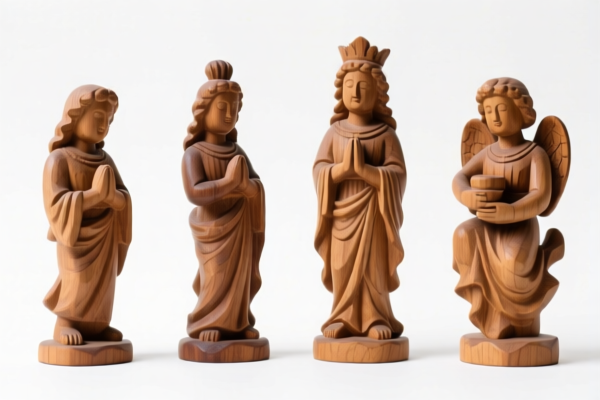
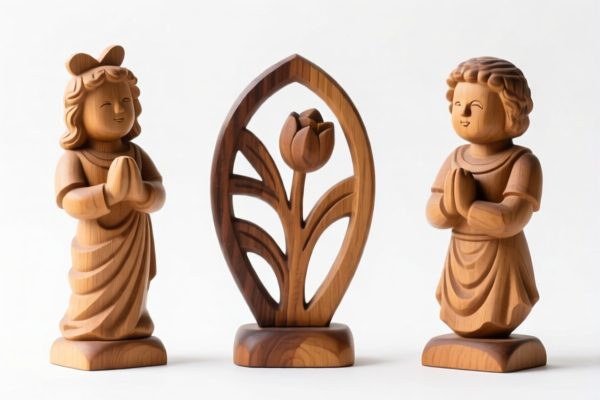
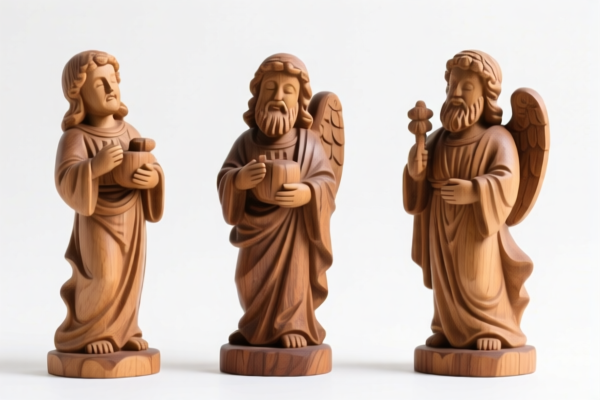
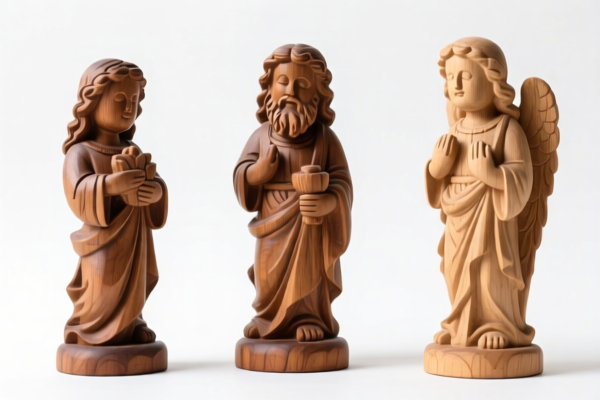
AI Analysis
🌿 Garden Decoration Statues (Decorative Statuettes for Gardens)
🌐 HS Code Reference & Customs Clearance Guide | 2026 Latest Tariff Analysis | Professional Entry Strategies
📌 I. Product Definition & Classification: What Exactly is a "Garden Statue"?
Garden decoration statues are aesthetic objects intended for outdoor or indoor ornamental use. In international trade, classification depends strictly on the material composition and form. Misclassification is the leading cause of customs delays and excessive duties.
Key Distinctions: * Precious Metals vs. Base Metals: Gold/Silver statues fall under different chapters; "Garden Statues" are almost always Base Metals (Iron, Copper, Aluminum) or non-precious materials. * Plastic/Resin vs. Ceramic: Plastic statues (often resin/composite) fall under Chapter 39, while fired clay/ceramic statues fall under Chapter 69. * Material Priority: Customs authorities prioritize the principal material. If a statue has a metal base with a plastic coating, it may still be classified as metal or plastic depending on the specific tariff ruling, but generally, the dominant material dictates the chapter.
⚠️ Critical Classification Point:
- If made of Base Metal (e.g., iron, copper, aluminum alloys) → Chapter 83
- If made of Plastic/Resin → Chapter 39
- If made of Ceramic/Porcelain → Chapter 69
📦 II. HS Code Classification Details (2026 Latest Tariff Authority Match)
Based on the provided data, here are the specific HS Codes for Garden Decoration Statues, categorized by material.
| HS Code | Product Description (Summary) | Material Inference | Classification Logic |
|---|---|---|---|
| 8306.29.00.00 | Decorative Statuettes, Base Metal or Other Materials | Base Metal (Generic/Other) | Classified under "Statuettes and other ornamental articles, of base metal." Falls under the general/residual category for base metal statuettes not specified elsewhere. |
| 8306.21.00.00 | Decorative Statuettes, Statues/Form | Base Metal (Small Statues) | Specifically for "Statuettes and other ornamental articles, of base metal: Statuettes and other ornamental articles." Often inferred as small figurines or detailed sculptures made of base metal. |
| 3926.40.00.90 | Decorative Statues, Statue Purpose | Plastic / Other Materials | Classified under "Statuettes and other ornamental articles, of plastic." This is a residual category ("Other") for plastic statues that don't fit specific sub-categories. |
| 3926.40.00.10 | Decorative Statues, Other Decorative Purposes | Plastic / Other Materials | Classified under "Statuettes and other ornamental articles, of plastic." Specifically for "Other" decorative items made of plastic, serving as a fallback for non-standard plastic ornamental forms. |
| 6913.10.10.00 | Decorative Statues, Ceramic/Porcelain Material | Ceramic / Porcelain | Classified under "Statuettes and other ornamental articles, of porcelain or china." Specifically for "Other" porcelain statuettes (not tableware or sanitary ware). |
| 6913.90.10.00 | Decorative Statues, Ceramic Material | Ceramic | Classified under "Statuettes and other ornamental articles, of other ceramic materials." Specifically for "Other" ceramic statuettes (e.g., stoneware, earthenware) not classified as porcelain/china. |
🔍 Key Reminder:
- Metal Statues are governed by 8306. The distinction between8306.21(Statuettes) and8306.29(Other) often depends on size and specific design intent, but both are Base Metal. - Plastic Statues are governed by 3926.40. The.10and.90split is a domestic sub-classification detail, but both incur the same tax rate structure. - Ceramic Statues are governed by 6913. The split between.10(Porcelain/China) and.90(Other Ceramic) depends on the firing temperature and translucency of the material.
💰 III. 2026 Latest Tariff Rate Breakdown (Including Add-on Taxes & Policy Surcharges)
✅ Applicable Country: United States (US)
✅ Country of Origin: China (CN)
✅ Effective Date: Includes imports from 2025 onwards (Current 122 Clause & Section 301/IEEPA implications)
🎯 1. Base Metal Statues: 8306.29.00.00 & 8306.21.00.00
| HS Code | Item Description |
|---|---|
8306.29.00.00 |
Decorative Statuettes, Base Metal/Other (Residual) |
8306.21.00.00 |
Decorative Statuettes, Base Metal (Statues/Small Forms) |
| Tax Component | Rate | Explanation |
|---|---|---|
| Base Tariff | 0.0% (for .29) / 4.5% (for .21) | Standard MFN rate for ornamental base metal items. |
| Section 301 / Add-on Tariff | 0.0% (for .29) / 7.5% (for .21) | Specific additional duties applied to certain base metal ornamental goods. Note: Rates may vary by specific product list updates. |
| 122 Clause Tariff | +10% | Current administrative surcharge applicable to these categories. |
| TOTAL EFFECTIVE RATE | 10.0% (.29) / 22.0% (.21) | Significant difference! Proper classification between "Statue" and "Other Base Metal Ornament" can save 12% in duties. |
📌 Why the difference?
-8306.21is specifically for "Statuettes," which often attracts a higher base/add-on duty.
-8306.29is a residual category ("Other"), sometimes benefiting from lower base rates if the item is considered a generic ornamental fitting rather than a detailed "statue."
🎯 2. Plastic Statues: 3926.40.00.90 & 3926.40.00.10
| HS Code | Item Description |
|---|---|
3926.40.00.90 |
Decorative Statues, Plastic (Other/Residual) |
3926.40.00.10 |
Decorative Statues, Plastic (Other Decorative) |
| Tax Component | Rate | Explanation |
|---|---|---|
| Base Tariff | 5.3% | Standard MFN rate for plastic ornamental articles. |
| Section 301 / Add-on Tariff | 0.0% | Plastic statuettes are often excluded from higher Section 301 add-ons compared to electronics or metal goods. |
| 122 Clause Tariff | +10% | Current administrative surcharge. |
| TOTAL EFFECTIVE RATE | 15.3% | Consistent rate for both sub-codes. |
📌 Note:
- Plastic statues are generally cheaper to import than metal ones due to the 0% add-on tariff.
- Ensure the plastic is not PVC (which may have environmental restrictions) but rather Resin, Polyresin, or PE/PP.
🎯 3. Ceramic Statues: 6913.10.10.00 & 6913.90.10.00
| HS Code | Item Description |
|---|---|
6913.10.10.00 |
Decorative Statues, Porcelain/China |
6913.90.10.00 |
Decorative Statues, Other Ceramic |
| Tax Component | Rate | Explanation |
|---|---|---|
| Base Tariff | 0.0% | Ceramic ornamental articles often have a 0% base duty. |
| Section 301 / Add-on Tariff | 7.5% | Applied to ceramic statuettes. |
| 122 Clause Tariff | +10% | Current administrative surcharge. |
| TOTAL EFFECTIVE RATE | 17.5% | Moderate tax burden. |
📌 Note:
- While the base rate is 0%, the 17.5% total rate is higher than the low-end metal option (8306.29at 10%).
- Accurate material testing is required to distinguish between Porcelain (6913.10) and Other Ceramic (6913.90).
🛠️ IV. Customs Clearance Practical Advice (Pitfall Avoidance Guide)
✅ 1. Preparation Checklist (Must-Haves)
| Document | Required? | Purpose |
|---|---|---|
| ✅ Material Declaration | ✔️ | Must explicitly state "Base Metal," "Plastic/Resin," or "Ceramic." Vague terms like "Decorative Item" cause delays. |
| ✅ Product Photos | ✔️ | Show the statue from all angles, including any markings, bases, or packaging. |
| ✅ Commercial Invoice | ✔️ | Must list the specific HS Code and describe the item as "Garden Decoration Statue, Material: [X]." |
| ✅ Certificate of Origin (CO) | ✔️ | Essential for verifying Chinese origin to apply the correct 122/Section 301 rates. |
| ✅ Customs Ruling (Optional but Recommended) | ✔️ | For large shipments, pre-classify with CBP to avoid disputes between .21 and .29 or plastic vs. ceramic. |
✅ 2. Classification Strategy (Key Mantra)
🔥 "Material First, Form Second, Tax Minimization Third!"
| Scenario | Correct Classification | Risk of Wrong Classification |
|---|---|---|
| Heavy Metal Statue | 8306.29.00.00 (if generic) or 8306.21.00.00 (if detailed) |
Misclassifying as Plastic (3926) leads to fraud charges + back taxes. |
| Resin Statue | 3926.40.00.90 |
Resin is chemically a plastic/polymer. Do not classify as Ceramic. |
| Painted Ceramic | 6913.10.10.00 (if fine) or 6913.90.10.00 |
Do not classify as Metal just because it has metal paint. |
| Mixed Material (e.g., Metal Base, Plastic Head) | Primary Material Rule | Usually classified by the material that gives the item its essential character. |
✅ 3. Special Considerations for Garden Statues
| Issue | Solution |
|---|---|
| Weatherproofing | If the statue is treated with waterproof coatings, ensure the material is still declared as the base (e.g., "Base Metal, Weatherproofed"). |
| Size Thresholds | Very large statues may be considered "sculptures" or "art works" rather than "ornamental articles," potentially changing the HS Code. Keep under 1 meter if possible to stay in 8306/3926/6913. |
| Lead Paint Concerns | If the statue is for children or indoor use, ensure it meets CPSIA/Lead safety standards. Garden statues for adults generally have fewer safety hurdles but must still be accurately declared. |
| 122 Clause Impact | The 10% surcharge is significant. Compare the total landed cost of Metal (10-22%) vs. Plastic (15.3%) vs. Ceramic (17.5%). Metal (8306.29) is often the most cost-effective if the design allows. |
🌍 V. Global Market Customs Comparison (2026)
| Country/Region | Recommended HS Code | Est. Duty (China Origin) | Key Requirement |
|---|---|---|---|
| 🇺🇸 USA | 8306.29.00.00 or 3926.40.00.90 |
10% - 15.3% | Accurate material declaration; 122 Clause compliance. |
| 🇪🇺 EU | 8306.29 or 3926.40 |
0% - 2.7% | CE Marking if plastic; REACH compliance for chemicals. |
| 🇨🇳 China | 8306.29 or 3926.40 |
0% - 5% | Standard import declaration. |
| 🇬🇧 UK | 8306.29 or 3926.40 |
0% - 2.5% | Post-Brexit rules apply; ensure UKCA/CE marking if required. |
📌 Conclusion for USA Importers:
- Plastic Statues (3926) offer a predictable 15.3% total duty.
- Metal Statues (8306) can be as low as 10% (8306.29) if classified correctly as "Other ornamental articles" rather than "Statuettes."
- Ceramic Statues (6913) sit in the middle at 17.5%.
📌 VI. Common Mistakes & Pitfall Guide (Blood Lessons)
❌ Mistake 1: Classifying a Resin Statue as Plastic (3926) when it contains significant glass-fiber reinforcement, leading to rejection.
👉 Result: Re-inspection, delays, potential reclassification to other chapters.
✅ Fix: Ensure resin content is clearly defined as "Plastic/Resin" and meets plastic tariff definitions.
❌ Mistake 2: Classifying a Painted Metal Statue as Ceramic to avoid Section 301 duties.
👉 Result: Customs fraud investigation, heavy penalties, seizure of goods.
✅ Fix: Always declare the actual material. Metal is Metal.
❌ Mistake 3: Ignoring the 122 Clause 10% Surcharge.
👉 Result: Under-quoting landed costs, leading to budget overruns.
✅ Fix: Include 10% in all CIF/CIP cost calculations.
❌ Mistake 4: Using vague descriptions like "Decorative Item" on the Commercial Invoice.
👉 Result: Customs officer has discretion to classify it as the highest-tariff sub-category (e.g., 8306.21 at 22% instead of 8306.29 at 10%).
✅ Fix: Use precise terms: "Garden Statue, Base Metal, Residual Category."
🎯 VII. Conclusion: Smart Classification, Lower Costs!
🎯 Remember the Golden Rule:
🔹 "Check Material First: Metal (10-22%), Plastic (15.3%), Ceramic (17.5%).
🔹 "For Base Metal, try to qualify for8306.29.00.00(10%) by defining it as 'Other Ornamental Article' if design permits."
🔹 "Plastic offers stability at 15.3% with no Section 301 add-on."
📌 Pro Tip:
If you are importing high-volume garden statues, consider Advance Rulings for specific designs. A pre-classification ruling from CBP can lock in the 10% rate for 8306.29.00.00 for years, providing budget certainty.
📣 Immediate Action:
📞 Consult a Customs Broker: Provide photos and material specs.
📋 Prepare Documentation: Invoice, Packing List, CO, Material Declaration.
🚀 Optimize Landed Cost: Compare 10% (Metal .29) vs 15.3% (Plastic) vs 17.5% (Ceramic) vs 22% (Metal .21). Choose the material/design that fits your margin!
✨ Precision Classification is the Key to Profitability!
💼 Don't let a 12% duty difference eat your margin!
Customer Reviews
About HS Code Classification
The Harmonized System (HS) is an internationally standardized nomenclature developed by the World Customs Organization (WCO) to classify traded products. Over 200 countries use the HS system as the basis for customs tariffs, trade statistics, and import/export regulations.
Each HS code follows a hierarchical structure:
- Chapter (2 digits) — Broad category of goods (e.g., Chapter 84: Machinery and Mechanical Appliances)
- Heading (4 digits) — More specific grouping within the chapter
- Subheading (6 digits) — Internationally standardized breakdown, used by all WCO member countries
- National subdivisions (8-10 digits) — Country-specific extensions for further classification, such as US HTSUS 10-digit codes
Correct HS code classification is essential for smooth customs clearance, accurate duty payment, and compliance with trade regulations. Misclassification can lead to customs delays, overpayment of duties, or penalties.
When importing from CN to US, the applicable tariff rates may include:
- Most-Favored-Nation (MFN) rate — The standard duty rate applied to WTO members
- General rate — Applied to countries without trade agreements
- Trade remedy duties — Additional tariffs such as Section 301 (anti-dumping), Section 232 (national security), or countervailing duties
The information provided on this page is for reference purposes only. For official classification, please consult with your local customs authority or a licensed customs broker.