Garden Fence
CN → US| HS Code | Tariff Rate | Origin | Destination | Doc |
|---|---|---|---|---|
| 7314410030 | 85.0% | CN | US | Official Doc |
| 7314311000 | 85.0% | CN | US | Official Doc |
| 4421917020 | 10.0% | CN | US | Official Doc |
| 3926903000 | 39.2% | CN | US | Official Doc |
| 3926909989 | 22.8% | CN | US | Official Doc |
Product Images
AI Analysis
🌿🚧 Garden Fence (Garden Enclosures & Barriers)
🌐 HS Code Master Guide & 2026 Customs Strategy | Iron, Wood, Plastic & Metal
⚡ High-Alert Tax Warning: Metal Fences face up to 85% Total Tax!
Garden fences are categorized globally based primarily on Material Composition and Specific Application (e.g., residential vs. industrial). However, for US imports, the Material dictates a wildly different tax burden.
⚠️ CRITICAL STRATEGY:
- Iron/Steel Fences = 85% Total Tax (Base 0% + 25% Sec 301 + 50% Sec 232 + 10% China Penalty)
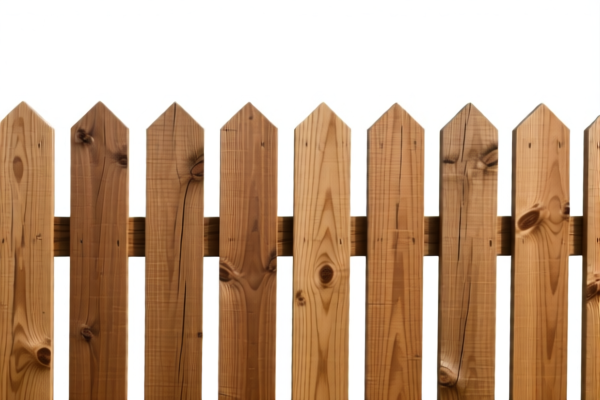
- Wood/Bamboo Fences = 10% Total Tax (Base 0% + 10% China Penalty)
- Plastic Fences = 22.8% ~ 39.2% Total Tax (Depends on "Other" classification)🚨 ONE WRONG HS CODE ON A STEEL FENCE CAN COST YOU 75% IN EXTRA TAXES!
📦 二、HS Code Classification & Tax Logic (Data Source Analysis)
Based on current US trade data, here is the breakdown of how Garden Fences are classified and taxed:
1. 🏗️ The "Steel & Iron" Trap (High Tax Category)
HS Code: 7314.41.00.30 (Fencing) & 7314.31.10.00 (Wire Fencing)
Logic: These codes cover fences made of Iron or Steel. The summary explicitly links the "Fence" form to "Garden" usage, inferring ferrous metal.
Why it's dangerous: This is the most expensive route for importers due to Section 232 (Aluminum/Steel) and Section 301 (China)叠加 (stacking) tariffs.
| Tax Component | Rate | Source / Logic |
|---|---|---|
| Base Tariff | 0.0% | Standard MFN rate for iron wire/fencing. |
| Sec 301 Surcharge | 25.0% | "Additional Duties 301: Section 232" (China specific). |
| Sec 232 Surcharge | 50.0% | "Section 232: Steel/Aluminum/Copper Products" (Heavy metal surcharge). |
| China Penalty (122) | 10.0% | "Section 122: 10% China Tax". |
| 💰 TOTAL TAX | 85.0% | 0 + 25 + 50 + 10 = 85% |
📌 Real-World Impact:
A $10,000 shipment of steel garden fencing will incur $8,500 in tariffs alone.
Strategy: If your fence is coated but the core is steel, it still falls here. Do not try to misdeclare as plastic!
2. 🌳 The "Wood & Bamboo" Sweet Spot (Low Tax Category)
HS Code: 4421.91.70.20 (Other Articles of Wood/Bamboo)
Logic: This category covers fences made of Wood or Bamboo. The summary identifies the "Fence" form and infers non-metallic organic material.
Why it's popular: Significantly lower tax burden, avoiding the heavy metal surcharges.
| Tax Component | Rate | Source / Logic |
|---|---|---|
| Base Tariff | 0.0% | Standard duty. |
| Sec 301 Surcharge | 0.0% | Wood is generally exempt from Section 301 heavy surcharges. |
| Sec 232 Surcharge | 0.0% | Wood is not steel/aluminum. |
| China Penalty (122) | 10.0% | "Section 122: 10% China Tax" (Applies to most Chinese imports). |
| 💰 TOTAL TAX | 10.0% | 0 + 0 + 0 + 10 = 10% |
📌 Real-World Impact:
A $10,000 shipment of bamboo/wood fencing incurs only $1,000 in tariffs.
Strategy: If you have a choice between steel and wood, Wood wins on cost. Ensure the wood is treated/preserved to meet US phytosanitary standards.
3. 🧱 The "Plastic & Composite" Middle Ground
There are two sub-categories for plastic fences, depending on how specific the product is:
A. Specific Plastic Fencing (3926.90.30.00)
Logic: "Other plastics, articles of plastics." This is often for dedicated plastic fence products (e.g., PVC lattice, synthetic rails).
Tax: 39.2%
| Tax Component | Rate |
|---|---|
| Base Tariff | 4.2% |
| Sec 301 Surcharge | 25.0% |
| Sec 232 Surcharge | 0.0% (Not steel) |
| China Penalty (122) | 10.0% |
| 💰 TOTAL TAX | 39.2% |
B. General "Other" Plastic (3926.90.99.89)
Logic: A "catch-all" category for plastic articles not specified elsewhere. If the fence is a complex composite or doesn't fit the specific "fencing" sub-code, this is the fallback.
Tax: 22.8%
| Tax Component | Rate |
|---|---|
| Base Tariff | 5.3% |
| Sec 301 Surcharge | 7.5% |
| Sec 232 Surcharge | 0.0% |
| China Penalty (122) | 10.0% |
| 💰 TOTAL TAX | 22.8% |
📌 Strategy: If you are importing PVC or Resin fences, try to argue for
3926.90.99.89(22.8%) if your product is a composite material, as it saves 16.4% compared to the specific plastic code!
💰 三、Deep Dive: Tax Clause Decoded (The "Why" Behind the Numbers)
⚠️ WARNING: The 85% tax on steel is not a single fee. It is a stacked penalty on top of zero base duty.
🛡️ The "Iron/Steel" Tax Stack (7314.41.00.30)
- Base Duty (0%): The US historically imports iron fencing duty-free.
- Section 301 (25%): The "China Trade War" tariff added in 2018/2019.
- Section 122 (10%): A specific punitive tax on Chinese goods (often related to the "China Trade Act").
- Section 232 (50%): The Killer. This is the "National Security" tax on Steel, Aluminum, and Copper. If your fence is steel, it hits this maximum rate.
- Formula:
0% + 25% + 10% + 50% = 85%
- Formula:
🌿 The "Wood" Tax Stack (4421.91.70.20)
- Base Duty (0%): Free.
- Section 301 (0%): Wood products are mostly exempt from the 301 surcharge.
- Section 122 (10%): The standard 10% penalty applies.
- Formula:
0% + 0% + 10% = 10%
- Formula:
🧊 The "Plastic" Tax Stack (3926 Series)
Plastics do not attract Section 232 (no steel). The tax is purely a mix of Base + 301 + 122.
* Specific Code: 4.2 + 25.0 + 10.0 = 39.2%
* General Code: 5.3 + 7.5 + 10.0 = 22.8%
🛠️ 四、Clearance Action Plan (How to Avoid the 85% Tax)
✅ 1. Material Verification (The First Line of Defense)
Before shipping, rigorously test the material. * Magnet Test: If it sticks, it's Iron/Steel. Prepare for 85% tax or find a cheaper alternative. * Sawn Cut: If it's wood/bamboo, ensure no metal mesh reinforcement (or the whole fence might be reclassified as steel). * Plastic Resin: Verify if it's pure PVC or a steel-reinforced plastic. If steel-reinforced, it becomes Steel.
✅ 2. Documentation Checklist
| Document | Why It Matters |
|---|---|
| Material Certificate | Explicitly state "100% Wood" or "PVC Composite" to avoid Steel classification. |
| Detailed Product Photos | Show the texture (wood grain vs. metal weld) to Customs Officers. |
| Bill of Materials (BOM) | List components. If a steel fence has plastic caps, the whole item is still steel. |
| Country of Origin | Crucial for Section 122 (China) applicability. |
✅ 3. Declaration Strategy
- DO NOT use generic terms like "Metal Fence."
- INSTEAD use:
- For Wood: "Bamboo Garden Fence Panel, 100% Natural Bamboo" (
4421.91.70.20) - For Plastic: "Synthetic Garden Fencing, PVC/Resin Composite" (
3926.90.99.89) - For Steel: "Galvanized Steel Wire Garden Fence" (Accept the 85% or reroute via a non-US origin if possible).
- For Wood: "Bamboo Garden Fence Panel, 100% Natural Bamboo" (
🚨 五、Critical Warnings & Pitfalls
-
The "Steel-Plated" Trap:
If a fence is Wood but has Steel Posts, the entire assembly may be reclassified as Steel (7314) by Customs, triggering the 85% tax on the whole value.- Fix: Ship posts separately if possible, or declare "Wooden Fence with Wooden Posts."
-
Section 232 is Non-Negotiable:
There is no way to avoid the 50% steel surcharge if the product is classified as Iron/Steel. The only way to save money is to change the product material (e.g., switch to Wood or Plastic). -
Plastic "Other" vs. "Specific":
Using3926.90.99.89(22.8%) requires a strong argument that the fence doesn't fit the specific "fencing" definition of3926.90.30.00. Have technical specs ready to prove it's a "general plastic article."
📌 六、Final Recommendation (The Bottom Line)
🎯 Best Case Scenario:
Import Wood/Bamboo Fences (4421.91.70.20).
Tax: 10%.
Verdict: Safe, profitable, and compliant.
🎯 Worst Case Scenario:
Import Steel Fences (7314.41.00.30).
Tax: 85%.
Verdict: Do not import unless you have a massive margin buffer or a specific contract requiring steel.
🎯 Middle Ground:
Import High-Quality Plastic/Resin Fences (3926.90.99.89).
Tax: 22.8%.
Verdict: Good alternative if steel is too expensive.
🚀 Pro Tip:
Switch to Wood or Plastic immediately. The difference between 10% and 85% is the difference between a profit and a loss. Do not gamble on the steel classification!
✨ Customs is strict, but smart.
Choose the right material, declare the right code, and keep your taxes low!
🌿 Green Fences = Low Taxes! 🌿
Customer Reviews
About HS Code Classification
The Harmonized System (HS) is an internationally standardized nomenclature developed by the World Customs Organization (WCO) to classify traded products. Over 200 countries use the HS system as the basis for customs tariffs, trade statistics, and import/export regulations.
Each HS code follows a hierarchical structure:
- Chapter (2 digits) — Broad category of goods (e.g., Chapter 84: Machinery and Mechanical Appliances)
- Heading (4 digits) — More specific grouping within the chapter
- Subheading (6 digits) — Internationally standardized breakdown, used by all WCO member countries
- National subdivisions (8-10 digits) — Country-specific extensions for further classification, such as US HTSUS 10-digit codes
Correct HS code classification is essential for smooth customs clearance, accurate duty payment, and compliance with trade regulations. Misclassification can lead to customs delays, overpayment of duties, or penalties.
When importing from CN to US, the applicable tariff rates may include:
- Most-Favored-Nation (MFN) rate — The standard duty rate applied to WTO members
- General rate — Applied to countries without trade agreements
- Trade remedy duties — Additional tariffs such as Section 301 (anti-dumping), Section 232 (national security), or countervailing duties
The information provided on this page is for reference purposes only. For official classification, please consult with your local customs authority or a licensed customs broker.