Garden Shoe Covers
CN → US| HS Code | Tariff Rate | Origin | Destination | Doc |
|---|---|---|---|---|
| 3926209050 | 40.0% | CN | US | Official Doc |
| 3926909989 | 22.8% | CN | US | Official Doc |
| 6217909085 | 32.1% | CN | US | Official Doc |
| 6217909075 | 32.1% | CN | US | Official Doc |
| 6405902000 | 21.3% | CN | US | Official Doc |
| 6405209015 | 22.5% | CN | US | Official Doc |
Product Images
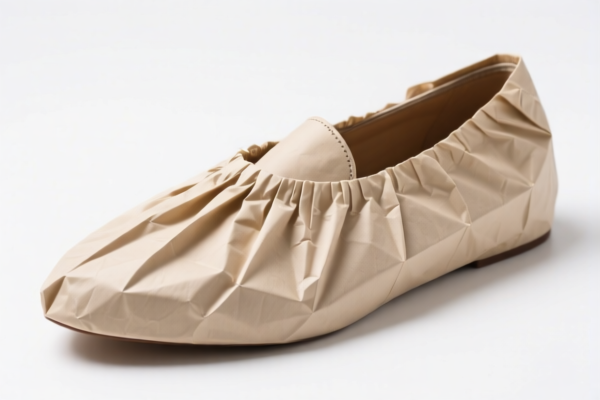
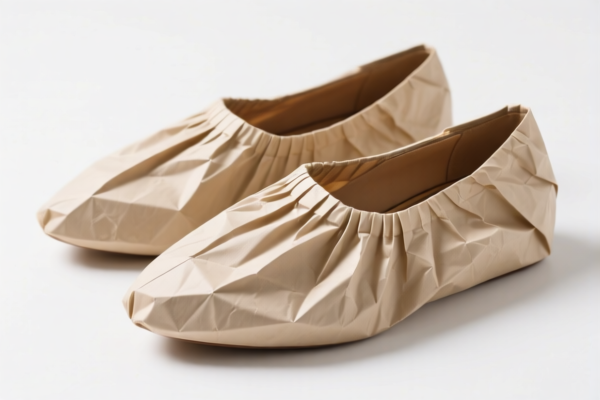
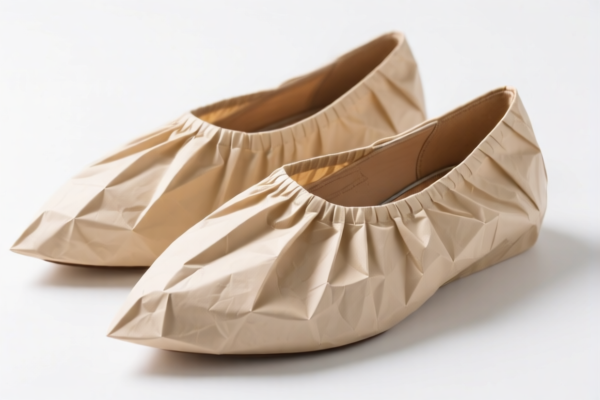
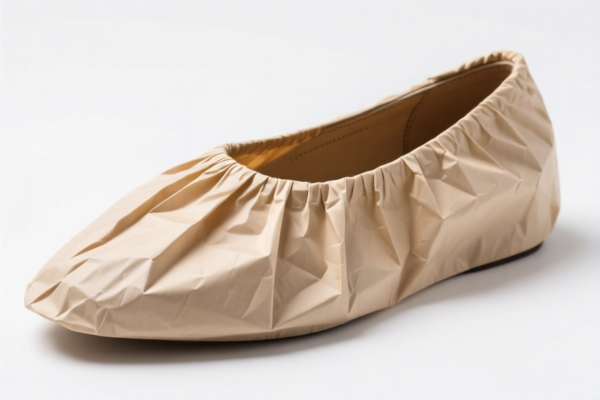
AI Analysis
🌿 Garden Shoe Covers (Protective Footwear)
🌐 HS Code Reference & Customs Clearance Guide | 2026 Latest Tariff Analysis | Professional Level Clearance Strategy
📌 One, Product Definition and Classification: Do you really understand "Garden Shoe Covers"?
Garden Shoe Covers are specialized protective gear designed to protect footwear (often expensive or delicate) from mud, water, and soil while gardening. In international trade, their classification depends heavily on material composition and specific usage design. They are generally categorized under Chapter 64 (Footwear) or Chapter 62/39 (Accessories/Plastics).
⚠️ Key Classification Point:
- If they are designed for one-time use (disposable plastic/rubber covers) → Classify under 6405.90.20.00
- If they are reusable fabric/textile house slippers or covers → Classify under 6405.20.90.15
- If they are non-footwear accessories (e.g., plastic leg covers not intended as footwear) → May fall under 6217 or 3926 (but less common for "shoe covers")
📦 Two, HS Code Classification Details (2026 Latest Tariff Authority Comparison)
| HS Code | Product Description | Applicable Scenario | Key Feature |
|---|---|---|---|
6405.90.20.00 |
Other footwear: Other: Disposable footwear, designed for one-time use | Disposable plastic/rubber garden booties, event shoe covers | ✅ Disposable, One-time use |
6405.20.90.15 |
Other footwear: With uppers of textile materials: Other House slippers | Reusable fabric/textile garden shoe covers, indoor/outdoor slippers | ✅ Reusable, Textile upper |
6217.90.90.85 |
Parts of garments or clothing accessories: Of man-made fibers | Plastic/Rubber shoe covers classified as "accessories" (if not deemed footwear) | ⚠️ Non-textile, Accessory |
6217.90.90.75 |
Parts of garments or clothing accessories: Of cotton | Cotton/linen reusable garden shoe covers | ⚠️ Natural fiber, Accessory |
3926.20.90.50 |
Articles of plastics: Articles of apparel and clothing accessories: Other | Plastic rain boots/shoe covers if classified as apparel accessories | ⚠️ Plastic, Apparel accessory |
3926.90.99.89 |
Other articles of plastics: Other | Generic plastic protective covers not fitting other specific codes | ⚠️ General plastic article |
🔍 Important Reminder:
- Disposable plastic shoe covers are often scrutinized. If they are truly "footwear" (enclosing the foot entirely),6405.90.20.00is the most accurate footwear classification. - Reusable fabric covers that resemble slippers are better classified as house slippers (6405.20.90.15) if they provide foot protection and comfort, rather than generic accessories. - Misclassification as "Plastic Articles" (3926) may lead to lower tariffs but higher scrutiny for misdeclaration of "footwear."
💰 Three, 2026 Latest Tariff Rate Details (Including Additional Taxes, Policy Add-ons)
✅ Applicable Country: United States (US)
✅ Country of Origin: China (CN)
✅ Effective Date: 2025/2026 (Current Trade Conditions)
🎯 1. 6405.90.20.00 —— Disposable Footwear (One-Time Use)
| Item | Content |
|---|---|
| Base Tariff | 3.8% (ad valorem) |
| Section 301 Additional Tariff | +7.5% (from USITC Footnote 9903.88.01) |
| Total Tax Rate | 11.3% |
| Tax Calculation | CIF Value × 11.3% |
| De Minimis Exemption | ❌ Not Available (For China-origin goods above threshold) |
| Legal Basis Path | HTSUS:6405.90.20.00 → USITC:301-399 → Section 301: +7.5% |
📌 Explanation:
- "Disposable footwear" is considered a consumer good subject to Section 301 tariffs. - The 11.3% rate is significantly lower than electronics or high-tech goods (45%+), making it a relatively low-tariff entry point if correctly classified as footwear.
🎯 2. 6405.20.90.15 —— Textile House Slippers (Reusable Garden Covers)
| Item | Content |
|---|---|
| Base Tariff | 0% (ad valorem) |
| Section 301 Additional Tariff | 0% (Exempt/Not Listed in high-tariff brackets) |
| Total Tax Rate | 0.0% |
| Tax Calculation | $0 |
| De Minimis Exemption | ✅ May apply under de minimis if shipped via postal/parcel (if value < $800) |
| Legal Basis Path | HTSUS:6405.20.90.15 → USITC:General |
📌 Note:
- If your "garden shoe covers" are reusable fabric slippers, they may qualify for 0% tariff. - This is a major cost-saving strategy: Design the product as a "textile slipper" with a simple overlay, rather than a disposable plastic bootie, to leverage the 0% rate.
🎯 3. 6217.90.90.85 & 6217.90.90.75 —— Clothing Accessories (Man-made/Cotton)
| Item | Content |
|---|---|
| Base Tariff | 0% |
| Section 301 Additional Tariff | 0% |
| Total Tax Rate | 0.0% |
| Tax Calculation | $0 |
| Legal Basis Path | HTSUS:6217.90 → USITC:General |
📌 Note:
- If the product is classified as a "part of clothing accessory" (e.g., a plastic cover worn over the shoe, not enclosing the foot fully), it may fall here. - Risk: Customs may argue it is "footwear" (6405) if it encloses the entire foot. Only use if the product is clearly an accessory (e.g., a snap-on cover, not a bootie).
🎯 4. 3926.20.90.50 —— Plastic Apparel Accessories
| Item | Content |
|---|---|
| Base Tariff | 5.0% |
| Section 301 Additional Tariff | +25.0% |
| Total Tax Rate | 30.0% |
| Tax Calculation | CIF Value × 30.0% |
| Legal Basis Path | HTSUS:3926.20.90.50 → USITC:301-399 |
📌 Warning:
- High tariff! Only applies if classified as "plastic apparel accessory" and not as footwear or clothing accessory of heading 62. - Avoid this classification if possible.
🎯 5. 3926.90.99.89 —— Other Plastic Articles
| Item | Content |
|---|---|
| Base Tariff | 5.3% |
| Section 301 Additional Tariff | +7.5% |
| Total Tax Rate | 12.8% |
| Tax Calculation | CIF Value × 12.8% |
| Legal Basis Path | HTSUS:3926.90.99.89 → USITC:301-399 |
📌 Note:
- Slightly higher than disposable footwear (11.3%). - Only use if the product is clearly not footwear and not an apparel accessory.
🛠️ Four, Customs Clearance Practical Advice (Combat Pitfall Guide)
✅ 1. Document Checklist (Must-Have)
| Document | Mandatory | Description |
|---|---|---|
| ✅ Product Photos | ✔️ | Show the product on a foot to prove it is footwear/covers |
| ✅ Material Specification | ✔️ | Clearly state: "100% Polyethylene" or "100% Cotton" |
| ✅ Usage Description | ✔️ | "Disposable garden shoe cover for mud protection" or "Reusable fabric house slipper" |
| ✅ Commercial Invoice | ✔️ | Must match HS Code description precisely |
| ✅ Packing List | ✔️ | Include dimensions to prove it is a "cover" not a "boot" |
| ✅ Test Reports | ✔️ | For plastic: REACH, FDA (if food contact); For fabric: Flammability |
✅ 2. Declaration Tips (Key Mantra)
🔥 "Disposable = Footwear, Reusable = Slipper, Accessory = Snap-On Only!"
| Scenario | Correct Declaration | Wrong Practice |
|---|---|---|
| Disposable Plastic Booties | 6405.90.20.00 (Disposable Footwear) |
Misclassify as 3926 (Plastic Articles) → Risk of penalty + 12.8% |
| Reusable Fabric Covers | 6405.20.90.15 (Textile Slippers) |
Call them "Covers" → May be challenged as "Apparel" |
| Snap-On Plastic Covers | 6217.90.90.85 (Apparel Accessory) |
Declare as "Footwear" → Customs may reject if not enclosing foot |
| Cotton Reusable Covers | 6217.90.90.75 (Cotton Accessory) |
Or 6405.20.90.15 if slipper-like |
✅ 3. Special Case Handling
| Situation | Handling Advice |
|---|---|
| OEM Custom Sizes | Provide size chart; ensure description matches "Footwear" if encloses foot |
| Mixed Materials (Plastic Sole + Fabric Upper) | Classify based on essential character (usually footwear if sole exists) |
| Samples for Evaluation | Use De Minimis ($800) if shipped via postal/parcel, not via commercial carrier |
| High-Volume Bulk Shipment | Apply for Advance Ruling from CBP to confirm 6405 vs 6217 |
🌍 Five, Global Market Clearance Comparison (2026 Latest)
| Country/Region | Recommended HS Code | Tariff (China Origin) | Certification Required | Notes |
|---|---|---|---|---|
| 🇺🇸 United States | 6405.90.20.00 |
11.3% | No special cert | Low tariff, high volume |
| 🇺🇸 United States | 6405.20.90.15 |
0.0% | No special cert | Best for reusable fabric |
| 🇪🇺 European Union | 6405.90.90 |
12% (Standard) | CE (if protective equipment) | Check REACH for plastics |
| 🇨🇳 China (Import) | 6405.90.90 |
12% | No special cert | Higher tariff than US |
| 🇯🇵 Japan | 6405.90.90 |
15% | PSE (if electrical) | High tariff, check FVM |
| 🇬🇧 United Kingdom | 6405.90.90 |
12% | UKCA | Post-Brexit rules apply |
📌 Conclusion:
- USA offers the best tariff advantage for garden shoe covers if classified as footwear. - Reusable fabric covers can achieve 0% tariff in the US. - Disposable plastic covers are still low-cost (11.3%) compared to other goods.
📌 Six, Common Mistakes & Pitfall Guide (Blood & Tears Lessons)
❌ Mistake 1: Classifying disposable plastic booties as "Plastic Articles" (3926)
👉 Consequence: If caught, you may pay 12.8% instead of 11.3%, but more importantly, you risk penalties for misdeclaration because they are clearly footwear.
❌ Mistake 2: Calling reusable fabric covers "Shoe Accessories"
👉 Consequence: If they resemble slippers, customs may force 6405.20.90.15 (0%) or reject 6217. If declared as 3926.20.90.50, you pay 30%!
👉 Fix: Clearly state "Textile Upper, Reusable" to aim for 6405.20.90.15 (0%).
❌ Mistake 3: Not providing Product Photos
👉 Consequence: Customs cannot verify if it is footwear or accessory → Hold in warehouse for inspection → Delay + Demurrage fees.
❌ Mistake 4: Using "Cover" in name for enclosing footwear
👉 Consequence: If it covers the whole foot, it is footwear. Mislabeling as "Accessory" is fraud.
👉 Fix: Use "Disposable Footwear" or "Protective Booties" in description.
✅ Correct Declaration Example:
"Disposable Polyethylene Garden Shoe Covers, One-Time Use, Blue, Size M/L, For Mud Protection, HS Code: 6405.90.20.00"
🎯 Seven, Conclusion: Professional Declaration, Save Cost, Ensure Clearance!
🎯 Remember the Mantra:
🔹 "Disposable = Footwear (11.3%), Reusable Fabric = Slipper (0%), Plastic Accessory = 30% (Avoid!)"
🔹 "Encloses Foot = Footwear, Snap-On = Accessory"
🔹 "HS Code is Life, Tariff Difference is Profit!"
📌 Pro Tip:
If you are importing reusable fabric garden covers, consider designing them as "House Slippers" to leverage the 0% tariff in the US.
For disposable plastic covers, ensure you have photos showing them on feet to prove they are footwear, avoiding the higher 3926 rate.
📣 Immediate Action:
📞 Contact a licensed customs broker + Provide product photos + Apply for CBP Advance Ruling if high volume
🚀 Let your garden shoe covers clear smoothly, reduce costs, and boost margins!
✨ Professional Clearance Starts with Accurate Classification!
💼 Every Cent of Tariff Saved is Pure Profit!
Customer Reviews
About HS Code Classification
The Harmonized System (HS) is an internationally standardized nomenclature developed by the World Customs Organization (WCO) to classify traded products. Over 200 countries use the HS system as the basis for customs tariffs, trade statistics, and import/export regulations.
Each HS code follows a hierarchical structure:
- Chapter (2 digits) — Broad category of goods (e.g., Chapter 84: Machinery and Mechanical Appliances)
- Heading (4 digits) — More specific grouping within the chapter
- Subheading (6 digits) — Internationally standardized breakdown, used by all WCO member countries
- National subdivisions (8-10 digits) — Country-specific extensions for further classification, such as US HTSUS 10-digit codes
Correct HS code classification is essential for smooth customs clearance, accurate duty payment, and compliance with trade regulations. Misclassification can lead to customs delays, overpayment of duties, or penalties.
When importing from CN to US, the applicable tariff rates may include:
- Most-Favored-Nation (MFN) rate — The standard duty rate applied to WTO members
- General rate — Applied to countries without trade agreements
- Trade remedy duties — Additional tariffs such as Section 301 (anti-dumping), Section 232 (national security), or countervailing duties
The information provided on this page is for reference purposes only. For official classification, please consult with your local customs authority or a licensed customs broker.