Garden Wooden Fence
CN → US| HS Code | Tariff Rate | Origin | Destination | Doc |
|---|---|---|---|---|
| 4421917020 | 35.0% | CN | US | Official Doc |
| 7314410030 | 85.0% | CN | US | Official Doc |
| 7314311000 | 85.0% | CN | US | Official Doc |
| 3926903000 | 39.2% | CN | US | Official Doc |
| 3926909989 | 22.8% | CN | US | Official Doc |
Product Images
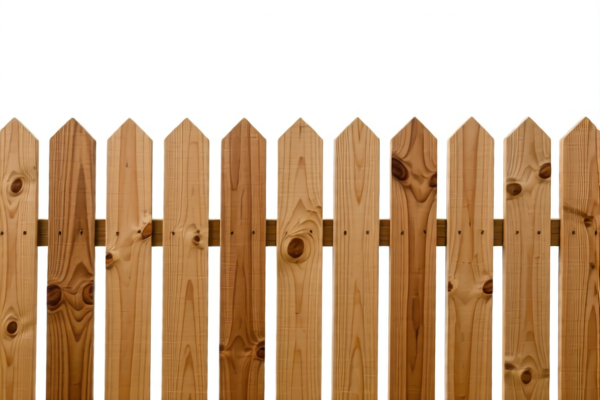
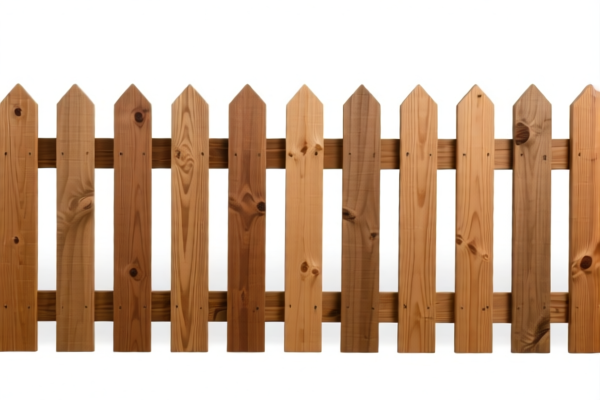
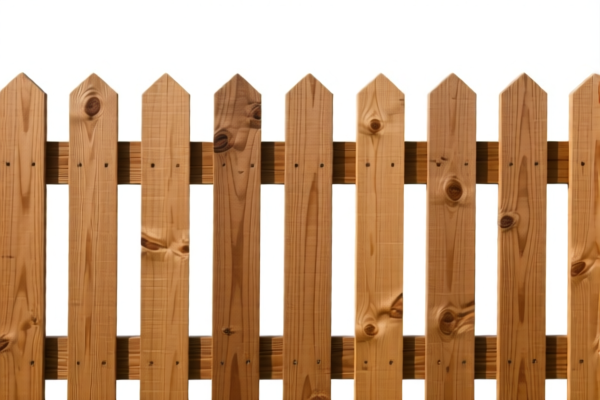
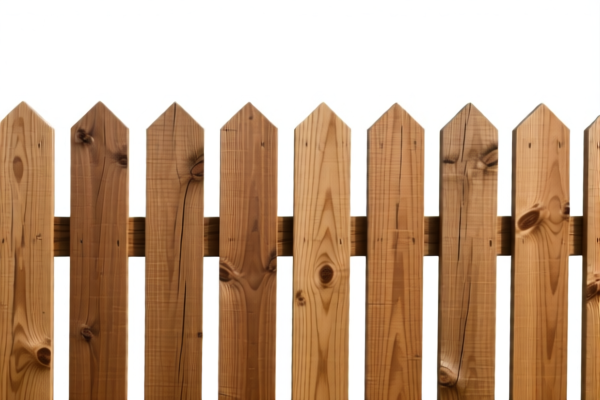
AI Analysis
🌿 Garden Wooden Fence (Garden Fencing Systems)
🌐 HS Code Reference & Customs Clearance Guide | 2026 Latest Tariff Analysis | Professional Strategy for Wood & Metal Fences
📌 I. Product Definition & Classification: Do You Know Your Fence?
A "Garden Wooden Fence" is a boundary structure used for residential, commercial, or agricultural gardening purposes. While the name suggests wood, in international trade, the HS Code depends heavily on the material composition inferred from the product's physical form and intended use.
Based on common market variants, garden fences are typically classified under Chapter 44 (Wood), Chapter 73 (Iron/Steel), or Chapter 39 (Plastics).
⚠️ Critical Distinction:
- If the fence is made of wood or bamboo → It falls under Chapter 44.
- If the fence is made of iron/steel wire → It falls under Chapter 73.
- If the fence is made of plastic/composite → It falls under Chapter 39.
- Misclassification Risk: Declaring a steel fence as wood (or vice versa) can lead to severe duty penalties due to different tariff rates (e.g., 35% vs. 85%).
📦 II. HS Code Classification Details (2026 Latest Tariff Authority Cross-Reference)
Below are the four most likely HS Codes based on material inference for "Garden Fences."
| HS Code | Product Description | Material Inference | Application Scenario |
|---|---|---|---|
4421.91.70.20 |
Other articles of wood (Fences) | Wood / Bamboo | Traditional wooden garden fencing, bamboo screens, lattice work. |
7314.41.00.30 |
Wire cloth & grating (Fences) | Iron / Steel | Galvanized steel mesh fences, woven wire garden fences. |
7314.31.10.00 |
Other wire fences (Iron/Steel) | Iron / Steel | Rigid or semi-rigid iron/steel fencing panels, welded wire meshes. |
3926.90.30.00 |
Other plastic articles | Plastic / Composite | PVC fences, vinyl fencing, plastic composite garden barriers. |
3926.90.99.89 |
Other plastic articles (Non-specific) | Plastic / Other | Miscellaneous plastic garden accessories or composite materials not specified elsewhere. |
🔍 Key Reminder:
- Wooden Fences: Must be declared as wood articles (4421.91...).
- Metal Fences: Must be declared as wire/mesh (7314...).
- Plastic Fences: Must be declared as plastic articles (3926...).
- Do not mix materials in a single HS Code line item unless the product is a homogeneous composite.
💰 III. 2026 Latest Tariff Rate Details (Including Additional Duties & Policy Surcharges)
✅ Applicable Country: USA (US)
✅ Origin: China (CN)
✅ Effective Date: From November 10, 2025 (and subsequent imports)
🎯 1. 4421.91.70.20 —— Wood/Bamboo Garden Fences
| Item | Content |
|---|---|
| Base Tariff | 0.0% (ad valorem) |
| USITC Surcharge | +25.0% (Section 301) |
| Section 122 Tariff | +10.0% (Specific provision for certain articles) |
| Steel/Aluminum/Copper Surcharge | ❌ N/A (Not applicable to wood) |
| Total Effective Rate | 35.0% |
| Tax Calculation | CIF Value × 35% |
| De Minimis Exemption | ❌ Not Eligible (deny_de_minimis) |
| Legal Basis Path | USITC:4421.91.70.20 → Section 301: +25% → Section 122: +10% |
📌 Explanation:
- Although the base tariff is 0%, the 25% Section 301 duty and 10% Section 122 duty apply, resulting in a 35% total duty.
- This is a moderate-high tariff, significantly higher than the 0% base, but lower than metal/plastic alternatives.
🎯 2. 7314.41.00.30 —— Iron/Steel Wire Mesh Fences
| Item | Content |
|---|---|
| Base Tariff | 0.0% (ad valorem) |
| USITC Surcharge | +25.0% (Section 301) |
| Section 122 Tariff | +10.0% (Specific provision for certain articles) |
| Steel/Aluminum/Copper Surcharge | +50.0% (Specific surcharge for steel/aluminum/copper products) |
| Total Effective Rate | 85.0% |
| Tax Calculation | CIF Value × 85% |
| De Minimis Exemption | ❌ Not Eligible (deny_de_minimis) |
| Legal Basis Path | USITC:7314.41.00.30 → Section 301: +25% → Section 122: +10% → Steel Surcharge: +50% |
📌 Explanation:
- Extremely High Duty!
- In addition to the standard 25% (Section 301) and 10% (Section 122), this code attracts an additional 50% surcharge specifically for steel, aluminum, and copper products.
- Total: 85%. This makes importing steel garden fences from China to the US economically challenging unless margins are very high.
🎯 3. 7314.31.10.00 —— Other Iron/Steel Wire Fences
| Item | Content |
|---|---|
| Base Tariff | 0.0% (ad valorem) |
| USITC Surcharge | +25.0% (Section 301) |
| Section 122 Tariff | +10.0% (Specific provision for certain articles) |
| Steel/Aluminum/Copper Surcharge | +50.0% (Specific surcharge for steel/aluminum/copper products) |
| Total Effective Rate | 85.0% |
| Tax Calculation | CIF Value × 85% |
| De Minimis Exemption | ❌ Not Eligible (deny_de_minimis) |
| Legal Basis Path | USITC:7314.31.10.00 → Section 301: +25% → Section 122: +10% → Steel Surcharge: +50% |
📌 Note:
- Same as above. Any iron/steel wire fence falling under this subheading incurs the 50% steel surcharge.
- Total: 85%.
🎯 4. 3926.90.30.00 —— Plastic Garden Fences
| Item | Content |
|---|---|
| Base Tariff | 4.2% (ad valorem) |
| USITC Surcharge | +25.0% (Section 301) |
| Section 122 Tariff | +10.0% (Specific provision for certain articles) |
| Steel/Aluminum/Copper Surcharge | ❌ N/A |
| Total Effective Rate | 39.2% |
| Tax Calculation | CIF Value × 39.2% |
| De Minimis Exemption | ❌ Not Eligible (deny_de_minimis) |
| Legal Basis Path | USITC:3926.90.30.00 → Section 301: +25% → Section 122: +10% |
📌 Explanation:
- Plastic fences have a base tariff of 4.2%.
- Adding 25% (Section 301) and 10% (Section 122) results in 39.2%.
- This is lower than steel fences (85%) but slightly higher than wood fences (35%).
🎯 5. 3926.90.99.89 —— Other Plastic/Non-Specific Garden Fences
| Item | Content |
|---|---|
| Base Tariff | 5.3% (ad valorem) |
| USITC Surcharge | +7.5% (Reduced Section 301 applicability for this specific subheading) |
| Section 122 Tariff | +10.0% (Specific provision for certain articles) |
| Steel/Aluminum/Copper Surcharge | ❌ N/A |
| Total Effective Rate | 22.8% |
| Tax Calculation | CIF Value × 22.8% |
| De Minimis Exemption | ❌ Not Eligible (deny_de_minimis) |
| Legal Basis Path | USITC:3926.90.99.89 → Section 301: +7.5% → Section 122: +10% |
📌 Strategic Insight:
- Lowest Duty Option!
- If the fence material is ambiguous or made of composite plastics not specified in3926.90.30, it may fall under this "catch-all" category.
- The Section 301 surcharge is reduced to 7.5% instead of 25%.
- Total: 22.8%. This is the most cost-effective classification if legally justifiable.
🛠️ IV. Customs Clearance Practical Advice (Battle-Tested Pitfall Avoidance)
✅ 1. Required Documentation Checklist (Non-Negotiable)
| Document | Mandatory? | Description |
|---|---|---|
| ✅ Product Specifications | ✔️ | Must clearly state material (Wood, Steel, PVC, etc.). |
| ✅ Material Composition Breakdown | ✔️ | e.g., "100% Wood," "Galvanized Steel Mesh," "PVC Coated Wire." |
| ✅ Product Photos | ✔️ | Clear images showing the fence structure, joints, and any labels. |
| ✅ Commercial Invoice | ✔️ | Must match the HS Code description precisely. |
| ✅ Packing List | ✔️ | Include net/gross weight. |
| ✅ Certificate of Origin (CO) | ✔️ | To verify Chinese origin for tariff calculation. |
✅ 2. Classification Strategy & Tips
🔥 “Material Dictates Duty! Get It Wrong, Pay More!”
| Scenario | Recommended HS Code | Duty Rate | Why? |
|---|---|---|---|
| Real Wood Fence | 4421.91.70.20 |
35.0% | Accurate for wood/bamboo. Avoids steel surcharge. |
| Galvanized Steel Fence | 7314.41.00.30 |
85.0% | High duty due to 50% steel surcharge. |
| PVC/Vinyl Fence | 3926.90.30.00 |
39.2% | Plastic classification. Moderate duty. |
| Composite/Unspecified Plastic | 3926.90.99.89 |
22.8% | Lowest Duty. Only if material justifies "other" category. |
| Mixed Material (e.g., Wood Post + Metal Mesh) | ⚠️ Consult Specialist | Varies | Complex classification. May require primary material rule analysis. |
📌 Critical Warning:
- Do NOT declare a steel fence as "wooden fence" to save duty. Customs may inspect and impose fraud penalties + back taxes.
- Do NOT assume all plastic fences are3926.90.99.89. If it is clearly PVC fencing,3926.90.30.00may be more accurate, though99.89offers lower duty. Ensure material composition supports the lower duty code.
✅ 3. Special Cases & Handling
| Situation | Handling Advice |
|---|---|
| PVC-Coated Steel Fence | If the PVC coating is >50% of value/character, consider Chapter 39. Otherwise, Chapter 73 applies (85% duty). |
| Prefabricated vs. Flat-Pack | Both are classified by material. Packaging does not change the HS Code. |
| OEM Custom Designs | Provide design drawings. Customs may scrutinize if "wooden" but contains significant metal hardware. |
| Small Sample Shipments | Even small quantities are subject to deny_de_minimis. No $800 de minimis exemption for China-origin goods under these codes. |
🌍 V. Global Market Customs Comparison (2026 Latest)
| Country/Region | Recommended HS Code | Duty (China Origin) | Certification Req. | Notes |
|---|---|---|---|---|
| 🇺🇸 USA | Varies (see above) | 22.8% – 85.0% | None (Standard) | Highly sensitive to Section 301 & 122 duties. |
| 🇨🇳 China (Import) | Varies | 5% – 10% | CCC (if applicable) | Lower duties. No Section 301. |
| 🇪🇺 EU | 4421.91 / 7314 | 0% – 2.7% | CE (if electrical, not for fences) | Generally low duties for garden goods. |
| 🇦🇺 Australia | Varies | 5% | RCM (if applicable) | Moderate duties. |
| 🇬🇧 UK | Varies | 0% – 4.5% | UKCA (if applicable) | Post-Brexit rules apply. |
📌 Conclusion:
- USA is the most expensive market due to Section 301 and 122 duties.
- Steel fences (85%) are rarely profitable to import from China to the US unless value-added significantly.
- Wood and Plastic fences (22.8%–39.2%) are more viable.
📌 VI. Common Mistakes & Pitfall Avoidance (Blood & Tears Lessons)
❌ Mistake 1: Declaring Steel Fences as "Garden Decor" or "Wooden"
👉 Consequence: Customs audit reveals steel. 85% duty applies + penalties + seizure!
❌ Mistake 2: Assuming De Minimis ($800) Applies
👉 Consequence: Denied. China-origin goods under these HS codes are excluded from de minimis exemption.
❌ Mistake 3: Incorrect Material Description on Invoice
👉 Consequence: Customs issues a "Request for Information" (RFI), delaying clearance by weeks.
❌ Mistake 4: Using "Fence" Generic Description
👉 Consequence: Ambiguity leads to misclassification. Be specific: "Wooden Garden Fence" or "Galvanized Steel Wire Fence."
✅ Correct Approach:
"Wooden Garden Fence, 4ft x 6ft, Cedar Wood, Pre-Assembled, Model XYZ"
OR
"Galvanized Steel Garden Wire Mesh, 50m Roll, 2-inch Aperture, Model ABC"
🎯 VII. Conclusion: Precise Classification for Profit Maximization
🎯 Remember the Motto:
🔹 "Wood is 35%, Steel is 85%, Plastic Can Be 23%!"
🔹 "Check Material First! Duty Difference is Massive!"
📌 Pro Tip:
If you are importing plastic fences, investigate if 3926.90.99.89 (22.8%) is legally justifiable for your specific product. The 6.4% difference compared to 3926.90.30.00 is significant on large volumes.
For steel fences, consider supply chain diversification (e.g., Vietnam, Mexico) to avoid the 50% steel surcharge, or re-evaluate pricing strategy.
📣 Immediate Action:
📞 Contact a licensed customs broker + Provide detailed material specs + Apply for Advance Ruling if volume is high.
🚀 Ensure Smooth Customs Clearance, Minimize Duty Burden, Maximize Profit!
✨ Professional Clearance Starts with Accurate Classification!
💼 Every Dollar Saved in Duty is Pure Profit!
Customer Reviews
About HS Code Classification
The Harmonized System (HS) is an internationally standardized nomenclature developed by the World Customs Organization (WCO) to classify traded products. Over 200 countries use the HS system as the basis for customs tariffs, trade statistics, and import/export regulations.
Each HS code follows a hierarchical structure:
- Chapter (2 digits) — Broad category of goods (e.g., Chapter 84: Machinery and Mechanical Appliances)
- Heading (4 digits) — More specific grouping within the chapter
- Subheading (6 digits) — Internationally standardized breakdown, used by all WCO member countries
- National subdivisions (8-10 digits) — Country-specific extensions for further classification, such as US HTSUS 10-digit codes
Correct HS code classification is essential for smooth customs clearance, accurate duty payment, and compliance with trade regulations. Misclassification can lead to customs delays, overpayment of duties, or penalties.
When importing from CN to US, the applicable tariff rates may include:
- Most-Favored-Nation (MFN) rate — The standard duty rate applied to WTO members
- General rate — Applied to countries without trade agreements
- Trade remedy duties — Additional tariffs such as Section 301 (anti-dumping), Section 232 (national security), or countervailing duties
The information provided on this page is for reference purposes only. For official classification, please consult with your local customs authority or a licensed customs broker.