Gardening Gloves
CN → US| HS Code | Tariff Rate | Origin | Destination | Doc |
|---|---|---|---|---|
| 6116109500 | 24.5% | CN | US | Official Doc |
| 3926204050 | 16.5% | CN | US | Official Doc |
| 4015191150 | 38.0% | CN | US | Official Doc |
| 6116106500 | 24.5% | CN | US | Official Doc |
| 4015195100 | 49.0% | CN | US | Official Doc |
Product Images

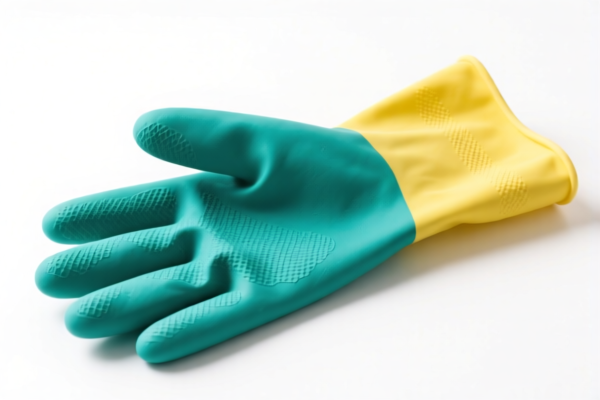

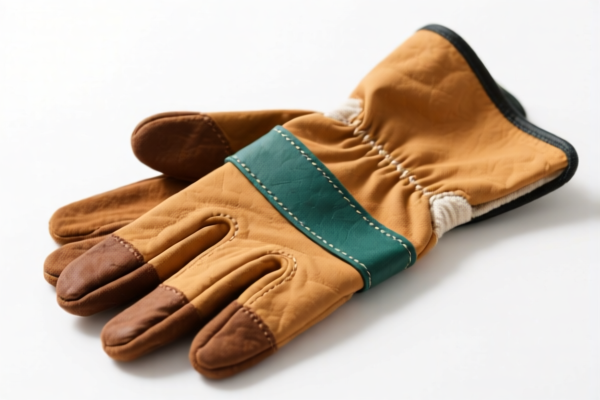
AI Analysis
🧤 Gardening Gloves (Rubber/Agricultural)
🌐 HS Code Reference & Customs Clearance Guide | 2026 Duty Breakdown | Professional Clearance Strategy
📌 I. Product Definition: What Exactly Are "Gardening Gloves"?
Gardening gloves are protective handwear designed for agricultural tasks, soil handling, plant trimming, and general outdoor work. In international trade, they are classified based on:
Material Composition: Rubber, plastic, or textile-based.
Construction Method: Knitted, crocheted, or dipped/molded.
Application: Agricultural, industrial, or general use.
⚠️ Critical Classification Distinction:
- If made of textiles dipped in rubber/plastic →归入 6116 (Knitted/Crocheted)
- If made of solid rubber/vulcanized →归入 4015 (Vulcanized Rubber Apparel)
- If made of plastic (non-rubber) →归入 3926 (Plastic Articles)
📦 II. HS Code Classification Detail (2026 Tariff Schedule)
| HS Code | Product Description | Material/Type | Tax Category |
|---|---|---|---|
6116.10.95.00 |
Rubber-coated or dipped gloves, knitted base | Rubber-coated textile | Plastic/Rubber Knitted Gloves |
3926.20.40.50 |
Rubber gloves (non-knitted) | Plastic/Resin-based | Plastic Handwear |
4015.19.11.50 |
Vulcanized rubber gloves (non-knitted) | Solid rubber | Rubber Apparel Accessories |
6116.10.65.00 |
Rubber-coated gloves, knitted base | Rubber-coated textile | Dipped Gloves |
4015.19.51.00 |
Vulcanized rubber gloves (specialized) | Solid rubber | Specialized Rubber Handwear |
🔍 Key Insight:
- "Knitted + Dipped" →6116series (7.0% base duty + 7.5% additional + 10% Section 301)
- "Solid Rubber" →4015series (3.0–14.0% base duty + 25% additional + 10% Section 301)
- "Plastic-based" →3926series (6.5% base duty + 10% Section 301)
💰 III. 2026 Duty Rate Breakdown (Including Surtaxes)
✅ Applicable to: China → USA
✅ Effective Date: November 10, 2025 (includes all Section 301 tariffs)
🎯 1. 6116.10.95.00 & 6116.10.65.00 — Knitted Gloves with Rubber Dipping
| Item | Detail |
|---|---|
| Base Duty | 7.0% |
| Section 301 Surtax | 7.5% |
| Section 232/301 (122) | 10% |
| Total Duty | 24.5% |
| De Minimis Exemption? | ❌ No (high-risk category) |
| Legal Path | USITC:6116.10.95.00 → Section 301:7.5% → Section 122:10% |
📌 Explanation:
- These gloves are "textile base + rubber coating" → classified under 6116.
- Total 24.5% = 7.0% base + 7.5% Section 301 + 10% Section 122.
- High-risk for misclassification if not declared as "knitted + dipped".
🎯 2. 3926.20.40.50 — Plastic-Based Rubber Gloves
| Item | Detail |
|---|---|
| Base Duty | 6.5% |
| Section 301 Surtax | 0% |
| Section 122 | 10% |
| Total Duty | 16.5% |
| De Minimis Exemption? | ❌ No |
| Legal Path | USITC:3926.20.40.50 → Section 122:10% |
📌 Explanation:
- These are "plastic/resin-based" → classified under 3926.
- No Section 301 surtax → total 16.5%.
- Lower tax risk if material is clearly non-rubber.
🎯 3. 4015.19.11.50 — Vulcanized Rubber Gloves (General)
| Item | Detail |
|---|---|
| Base Duty | 3.0% |
| Section 301 Surtax | 25.0% |
| Section 122 | 10% |
| Total Duty | 38.0% |
| De Minimis Exemption? | ❌ No |
| Legal Path | USITC:4015.19.11.50 → Section 301:25% → Section 122:10% |
📌 Explanation:
- "Solid rubber" → classified under 4015.
- 25% Section 301 surtax applies → total 38%.
- Highest risk category for misclassification.
🎯 4. 4015.19.51.00 — Specialized Vulcanized Rubber Gloves
| Item | Detail |
|---|---|
| Base Duty | 14.0% |
| Section 301 Surtax | 25.0% |
| Section 122 | 10% |
| Total Duty | 49.0% |
| De Minimis Exemption? | ❌ No |
| Legal Path | USITC:4015.19.51.00 → Section 301:25% → Section 122:10% |
📌 Explanation:
- "Specialized rubber" → classified under 4015.
- Base duty 14.0% + 25% surtax + 10% Section 122 → 49.0%.
- Most expensive tariff — avoid unless absolutely necessary.
🛠️ IV. Customs Clearance Strategy (Practical Tips)
✅ 1. Required Documentation
| Document | Requirement | Purpose |
|---|---|---|
| Material Certification | ✔️ Yes | Proves rubber vs. plastic vs. textile |
| Product Photos | ✔️ Yes | Shows dipping/coating process |
| Technical Specification Sheet | ✔️ Yes | Confirms construction method |
| Commercial Invoice | ✔️ Yes | Must state "Gardening Gloves" + HS Code |
| Packing List | ✔️ Yes | Avoids "mixed shipment" issues |
| Origin Certificate (CO) | ✔️ Yes | If not China-origin, may reduce duties |
✅ 2. Classification Mistakes to Avoid
| Mistake | Consequence | Solution |
|---|---|---|
| Calling "rubber gloves" without material detail | ❌ 38–49% duty (wrong classification) | Specify "knitted + dipped" or "solid rubber" |
| Mixing glove types in one shipment | ❌ Higher inspection risk | Separate by material/type |
| Omitting "Section 301" in declaration | ❌ 25% surtax applied retroactively | Include "301" in HS Code entry |
| Claiming "de minimis" exemption | ❌ 10% Section 122 still applies | Never claim for gloves |
✅ 3. Clearest Declaration Format
✅ Recommended:
"Gardening Gloves, Knitted Cotton Base with Rubber Dipping, Model X, China Origin, HS Code 6116.10.65.00, Total Duty 24.5%"❌ Avoid:
"Rubber Gloves" (too vague) → Could be 38–49%
"Gloves for Farming" (no material detail) → High inspection risk
🌍 V. Global Market Comparison (2026)
| Country | Recommended HS Code | Duty (China Origin) | Certification | Notes |
|---|---|---|---|---|
| 🇺🇸 USA | 6116.10.65.00 |
24.5% | N/A | High Section 301 risk |
| 🇨🇳 China | 6116.10.65.00 |
7.0% | CCC + RoHS | No Section 301 |
| 🇪🇺 EU | 6116.10.65.00 |
0–5% | CE + RoHS | Lower duties |
| 🇯🇵 Japan | 6116.10.65.00 |
0–5% | PSE | No Section 301 |
| 🇦🇺 Australia | 6116.10.65.00 |
5% | RCM | Moderate duty |
📌 Key Takeaway:
- USA has highest duties due to Section 301/122 (24.5–49%).
- Other markets offer lower rates if not China-origin.
- Consider non-China supply chains to avoid surtaxes.
📌 VI. Final Clearance Advice
🔥 Golden Rule:
"Specify Material + Construction → Classify Correctly → Save 10–40% Duty!"
✅ Action Plan:
1. Verify Material: Rubber? Plastic? Textile?
2. Confirm Construction: Knitted? Molded? Dipped?
3. Choose HS Code: Match to 6116, 3926, or 4015.
4. Declare Clearly: Include all details in invoice.
5. Pre-Audit: Use Advance Ruling to confirm classification.
📣 Final Tip:
🚀 For US imports:
- If possible, source from Vietnam/Mexico → 0% Section 301.
- If China-origin, prepare for 24.5–49% duties.
- Never claim "de minimis" for gloves — always taxed.
✨ Professional Clearance Starts with Precision!
💼 Your cost savings depend on accurate classification!
🌐 Let’s turn your gardening gloves into a profit engine! 🌱🧤
Customer Reviews
About HS Code Classification
The Harmonized System (HS) is an internationally standardized nomenclature developed by the World Customs Organization (WCO) to classify traded products. Over 200 countries use the HS system as the basis for customs tariffs, trade statistics, and import/export regulations.
Each HS code follows a hierarchical structure:
- Chapter (2 digits) — Broad category of goods (e.g., Chapter 84: Machinery and Mechanical Appliances)
- Heading (4 digits) — More specific grouping within the chapter
- Subheading (6 digits) — Internationally standardized breakdown, used by all WCO member countries
- National subdivisions (8-10 digits) — Country-specific extensions for further classification, such as US HTSUS 10-digit codes
Correct HS code classification is essential for smooth customs clearance, accurate duty payment, and compliance with trade regulations. Misclassification can lead to customs delays, overpayment of duties, or penalties.
When importing from CN to US, the applicable tariff rates may include:
- Most-Favored-Nation (MFN) rate — The standard duty rate applied to WTO members
- General rate — Applied to countries without trade agreements
- Trade remedy duties — Additional tariffs such as Section 301 (anti-dumping), Section 232 (national security), or countervailing duties
The information provided on this page is for reference purposes only. For official classification, please consult with your local customs authority or a licensed customs broker.