Gardening Leather Gloves
CN → US| HS Code | Tariff Rate | Origin | Destination | Doc |
|---|---|---|---|---|
| 4203290500 | 47.6% | CN | US | Official Doc |
| 4203290800 | 49.0% | CN | US | Official Doc |
| 4203291800 | 49.0% | CN | US | Official Doc |
| 6216009000 | 21.3% | CN | US | Official Doc |
| 4203218060 | 39.9% | CN | US | Official Doc |
Product Images
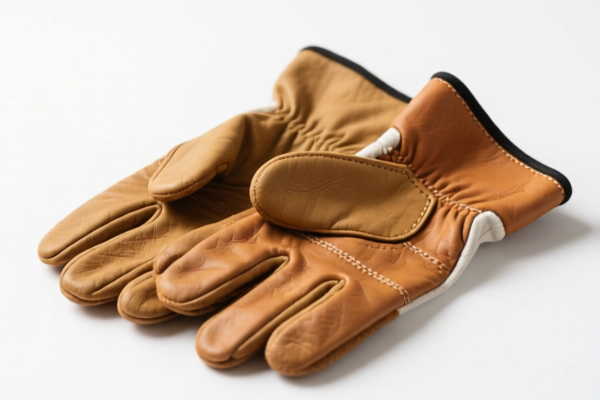
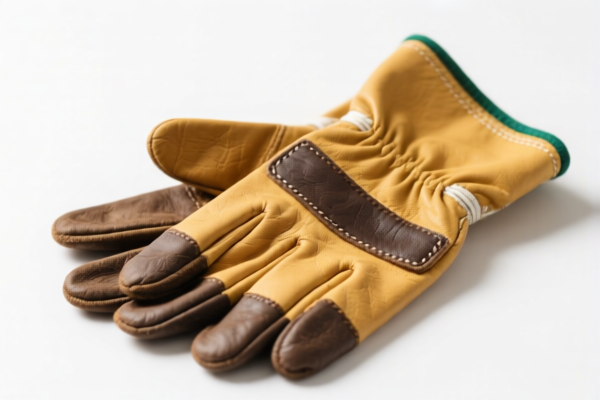
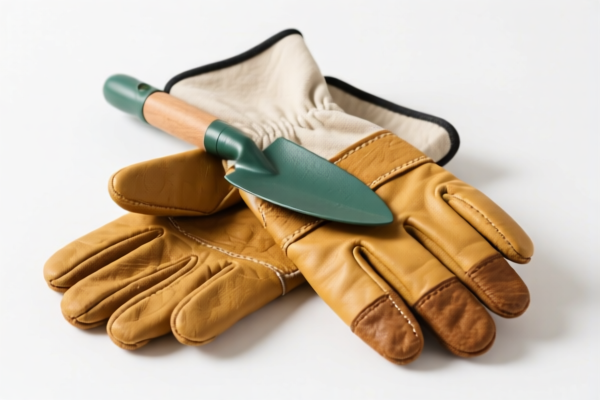
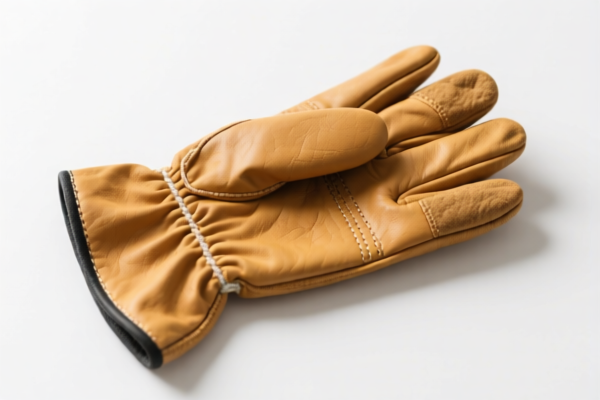
AI Analysis
🧤 Gardening Leather Gloves (Gardening Protective Gear)
🌐 HS Code Reference & Customs Clearance Guide | 2026 Latest Tariff Analysis | Professional Clearance Strategy
📌 I. Product Definition & Classification: Do You Really Understand "Gardening Leather Gloves"?
Leather gloves for gardening are essential protective equipment designed to shield hands from thorns, abrasion, and rough surfaces during horticultural activities. In international trade, they are primarily classified under Chapter 42 (Articles of leather) or Chapter 62 (Articles of apparel, knitted or crocheted, except those of heading 61.12). The critical distinction lies in the material composition (pure leather vs. fabric with leather parts) and specific usage, which drastically affects the HS Code and duty rate.
⚠️ Key Distinction:
- If the gloves are wholly made of leather (cowhide, sheepskin, etc.), they generally fall under Chapter 42 (Leather articles).
- If the gloves are fabric-based with leather reinforcement or do not meet the strict definition of "leather articles," they may fall under Chapter 62 (Apparel accessories) or Chapter 61 (if knitted).
- Sporting vs. General Use: Gloves specifically for sports (e.g., baseball, golf) have different subheadings, but general gardening gloves are typically classified under general leather goods unless specified otherwise.
📦 II. HS Code Classification Details (2026 Latest Tariff Authority Comparison)
Based on the provided data, here are the potential HS Codes and their corresponding rationales:
| HS Code | Product Description | Summary & Rationale |
|---|---|---|
4203.29.05.00 |
Other leather gloves, not sports-specific | Matches form (gloves) and material (leather), fits the residual category judgment principle. (General leather gloves not elsewhere specified) |
4203.29.08.00 |
Leather gloves made of cowhide or horsehide | Matches form (gloves) and material (leather), specifically for cowhide or horsehide leather gloves. (Higher duty due to specific leather type) |
4203.29.18.00 |
Leather gloves made of cowhide or horsehide | Matches material (leather) and form (gloves), fits the classification logic for cowhide or horsehide gloves. (Similar to above, specific leather type focus) |
6216.00.90.00 |
Other gloves, mittens, and mitts | Matches usage (gloves) and form; leather material does not conflict with glove category. (Lower duty, assumes fabric/different material or residual apparel category) |
4203.21.80.60 |
Other leather gloves, for sports | Matches material (leather), form (gloves), and usage (sports class), fits other category inference. (Assumes gardening is categorized under "sports" or "recreational" in this specific context) |
🔍 Important Note:
- Chapter 42 (4203.xxxx): Applies to gloves made entirely of leather. This is the most common classification for high-quality gardening gloves made of cowhide or goatskin. - Chapter 62 (6216.00.90.00): Applies if the gloves are considered apparel accessories and do not meet the strict definition of leather articles (e.g., fabric gloves with leather palms, or if customs interprets "gardening" as general use rather than specialized leather goods). This often carries a lower base tariff.
💰 III. 2026 Latest Tariff Rate Details (Including Additional Taxes, Policy Add-ons)
✅ Applicable Country: United States (US)
✅ Origin: China (CN)
✅ Effective Date: From November 10, 2025 (and subsequent imports)
🎯 1. 4203.29.05.00 —— Other Leather Gloves (General Residual Category)
| Item | Content |
|---|---|
| Base Tariff | 12.6% |
| Section 301 Additional Tariff | +25.0% |
| Section 122 Tariff | +10.0% |
| Total Tariff | 47.6% |
| Tax Calculation | CIF Value × 47.6% |
| De Minimis Exemption? | ❌ No (Not eligible for $800 de minimis exemption due to high tariff rates and policy restrictions) |
| Legal Basis Path | Base Tariff → USITC:4203.29.05.00 → Section 301 Footnote → Section 122 Provision |
📌 Explanation:
- "Section 301 Additional Tariff 25%": Imposed under U.S. Trade Law Section 301 against Chinese goods. - "Section 122 Tariff 10%": A specific additional tariff applicable to certain imported goods (often related to trade balance measures). - Total 47.6%: This is a very high duty rate. Importers must factor this into their landed cost calculations.
🎯 2. 4203.29.08.00 & 4203.29.18.00 —— Leather Gloves (Cowhide/Horsehide)
| Item | Content |
|---|---|
| Base Tariff | 14.0% |
| Section 301 Additional Tariff | +25.0% |
| Section 122 Tariff | +10.0% |
| Total Tariff | 49.0% |
| Tax Calculation | CIF Value × 49.0% |
| De Minimis Exemption? | ❌ No |
| Legal Basis Path | Base Tariff → USITC:4203.29.08.00 / 4203.29.18.00 → Section 301 → Section 122 |
📌 Note:
- These two codes have the same total rate (49.0%). - The base tariff is slightly higher (14.0%) compared to the general residual category (12.6%), resulting in a total duty of 49.0%. - Applicable if the gloves are explicitly identified as being made of cowhide or horsehide.
🎯 3. 6216.00.90.00 —— Other Gloves (Non-Leather Article Classification)
| Item | Content |
|---|---|
| Base Tariff | 3.8% |
| Section 301 Additional Tariff | +7.5% |
| Section 122 Tariff | +10.0% |
| Total Tariff | 21.3% |
| Tax Calculation | CIF Value × 21.3% |
| De Minimis Exemption? | ⚠️ Check Eligibility (May be eligible for de minimis if total value < $800 and not restricted, but Section 122 often negates this for China-origin goods. Verify current policy.) |
| Legal Basis Path | Base Tariff → USITC:6216.00.90.00 → Section 301 (lower rate) → Section 122 |
📌 Important:
- This code offers the lowest total tariff (21.3%). - Risk: Misclassification. If the gloves are clearly leather, customs may reject this code and reassess under Chapter 42, leading to penalties and back taxes. - Strategy: Only use this if the product is not predominantly leather or if a binding ruling supports its classification under Chapter 62.
🎯 4. 4203.21.80.60 —— Leather Gloves for Sports
| Item | Content |
|---|---|
| Base Tariff | 4.9% |
| Section 301 Additional Tariff | +25.0% |
| Section 122 Tariff | +10.0% |
| Total Tariff | 39.9% |
| Tax Calculation | CIF Value × 39.9% |
| De Minimis Exemption? | ❌ No |
| Legal Basis Path | Base Tariff → USITC:4203.21.80.60 → Section 301 → Section 122 |
📌 Note:
- If gardening gloves are classified as "sports" or "recreational" gloves, this code may apply. - Total rate 39.9% is lower than the general leather glove categories (47.6%-49.0%) but higher than the Chapter 62 classification (21.3%). - Justification: Requires proof that the gloves are primarily used for sporting activities (e.g., golf, baseball) rather than industrial/gardening work.
🛠️ IV. Customs Clearance Practical Advice (Practical Pitfall Avoidance Guide)
✅ 1. Document Preparation Checklist (Non-negotiable)
| Document | Mandatory? | Explanation |
|---|---|---|
| ✅ Product Specification Sheet | ✔️ | Must detail material (e.g., "100% Cowhide," "Goatskin"), lining, palm coating, etc. |
| ✅ Material Composition Proof | ✔️ | Certificate of Material Analysis or supplier declaration specifying % of leather vs. other materials. |
| ✅ Product Photos (Clear & Detailed) | ✔️ | Show the glove structure, labels, and any "Leather" branding. |
| ✅ Commercial Invoice | ✔️ | Must clearly state "Leather Gardening Gloves" and HS Code. |
| ✅ Packing List | ✔️ | Detail quantity and weight. |
| ✅ Origin Certificate (if applicable) | ❌ | If originating from non-China countries, may qualify for lower duties. |
✅ 2. Declaration Strategy (Key Mnemonic)
🔥 "Leather First, Chapter 42; Fabric/Accessories, Chapter 62; Be Honest, Avoid Fines!"
| Scenario | Correct Declaration | Wrong Practice |
|---|---|---|
| 100% Leather Gloves | 4203.29.05.00 or 4203.29.08.00 |
Declaring as 6216.00.90.00 → Customs Rejection + Penalties |
| Fabric Gloves with Leather Palms | Evaluate % of leather; if <50%, may be 6216.00.90.00 |
Declaring as 4203... → Overpaying Duties |
| Gardening vs. Sports | If general gardening, use 4203.29.05.00 |
Claiming "Sports" (4203.21.80.60) without proof → Audit Risk |
| High-Value Shipments | Ensure correct HS Code for Section 122 applicability | Ignoring Section 122 → Unexpected 10% Tax + Late Fees |
✅ 3. Special Case Handling
| Situation | Handling Advice |
|---|---|
| OEM Custom Gloves | Provide design sheets and material specs to justify HS Code. |
| "Leather-Coated" Gloves | If the base is fabric and only coated/padded with leather, argue for 6216.00.90.00 (lower duty) but be prepared for customs review. |
| Mixed Materials | If >50% leather by weight, Chapter 42 is safer. If <50%, Chapter 62 may apply. |
| Section 122 Exemptions | Check if the specific leather type or product line is exempt from the 10% Section 122 tariff. |
🌍 V. Global Market Comparison (2026 Latest)
| Country/Region | Recommended HS Code | Duty Rate (China Origin) | Certification Requirements | Notes |
|---|---|---|---|---|
| 🇺🇸 USA | 4203.29.05.00 |
47.6% | None specific for leather gloves | High duty due to Section 301 + 122 |
| 🇨🇳 China | 4203.29.05.00 |
~12.6% | CCC (if applicable) | Lower duty, no Section 301 |
| 🇪🇺 EU | 4203.29.00 |
~6-12% | CE (if PPE) | No Section 301/122 equivalent |
| 🇬🇧 UK | 4203.29.00 |
~6-12% | UKCA | Post-Brexit rules apply |
| 🇯🇵 Japan | 4203.29.00 |
~6-8% | None | Stable, moderate duty |
📌 Conclusion:
- USA is the most challenging market for leather gloves from China due to Section 301 (25%) and Section 122 (10%) tariffs. - Total duty of 47.6%-49.0% significantly impacts profitability. - Strategy: Consider non-China sourcing (e.g., Vietnam, Bangladesh) for US imports to avoid these additional tariffs, or explore duty drawback programs if eligible.
📌 VI. Common Errors & Pitfall Guide (Lessons Learned)
❌ Error 1: Declaring 100% Leather Gloves as 6216.00.90.00
👉 Consequence: Customs audits, reassessment to 47.6%, back taxes + penalties.
❌ Error 2: Ignoring Section 122 Tariff
👉 Consequence: Unexpected 10% charge at customs → Cash flow issues.
❌ Error 3: Using "Gloves" without specifying "Leather"
👉 Consequence: Customs may assign a generic code, leading to incorrect duty assessment and delays.
❌ Error 4: Claiming "Sports" Classification for Gardening Gloves
👉 Consequence: Rejection if no sporting activity proof → Misclassification fines.
✅ Correct Approach:
"Leather Gardening Gloves, 100% Cowhide, Palm Reinf. Stitch, Model XYZ, for Horticultural Use, Origin: China"
🎯 VII. Conclusion: Professional Declaration, Save Time, Reduce Costs!
🎯 Key Takeaways:
🔹 "Leather Gloves = Chapter 42 = High Duty (47.6%-49.0%)"
🔹 "Fabric/Mixed = Chapter 62 = Lower Duty (21.3%), but Risky"
🔹 "Section 122 (10%) + Section 301 (25%) = High Cost"
🔹 "Verify Material Composition to Avoid Misclassification"
📌 Tips:
- If your leather gloves are originally from Vietnam, Mexico, or Bangladesh, you may avoid Section 301 and Section 122 tariffs, significantly reducing costs.
- Consider Applying for a Binding Tariff Ruling with U.S. Customs (CBP) to confirm the correct HS Code for your specific product design.
📣 Immediate Action:
📞 Contact a Licensed Customs Broker + Provide Material Specs + Apply for HS Code Ruling
🚀 Ensure Smooth Clearance, Cost Control, and Efficient Market Entry!
✨ Professional Clearance Starts with Accurate Classification!
💼 Every Duty Dollar Counts!
Customer Reviews
About HS Code Classification
The Harmonized System (HS) is an internationally standardized nomenclature developed by the World Customs Organization (WCO) to classify traded products. Over 200 countries use the HS system as the basis for customs tariffs, trade statistics, and import/export regulations.
Each HS code follows a hierarchical structure:
- Chapter (2 digits) — Broad category of goods (e.g., Chapter 84: Machinery and Mechanical Appliances)
- Heading (4 digits) — More specific grouping within the chapter
- Subheading (6 digits) — Internationally standardized breakdown, used by all WCO member countries
- National subdivisions (8-10 digits) — Country-specific extensions for further classification, such as US HTSUS 10-digit codes
Correct HS code classification is essential for smooth customs clearance, accurate duty payment, and compliance with trade regulations. Misclassification can lead to customs delays, overpayment of duties, or penalties.
When importing from CN to US, the applicable tariff rates may include:
- Most-Favored-Nation (MFN) rate — The standard duty rate applied to WTO members
- General rate — Applied to countries without trade agreements
- Trade remedy duties — Additional tariffs such as Section 301 (anti-dumping), Section 232 (national security), or countervailing duties
The information provided on this page is for reference purposes only. For official classification, please consult with your local customs authority or a licensed customs broker.