Gardening Rubber Gloves
CN → US| HS Code | Tariff Rate | Origin | Destination | Doc |
|---|---|---|---|---|
| 6116109500 | 24.5% | CN | US | Official Doc |
| 3926204050 | 16.5% | CN | US | Official Doc |
| 4015191150 | 38.0% | CN | US | Official Doc |
| 6116106500 | 24.5% | CN | US | Official Doc |
| 4015195100 | 49.0% | CN | US | Official Doc |
Product Images
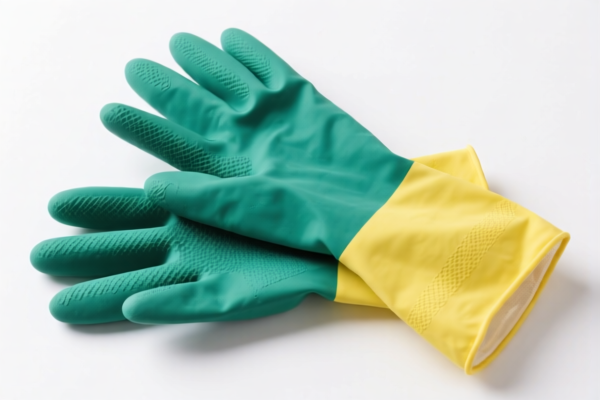

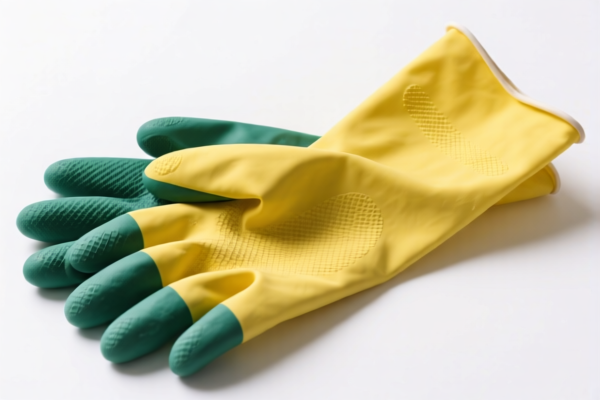

AI Analysis
🌿 Gardening Rubber Gloves (Rubber Agricultural Gloves)
🌐 HS Code Reference & Customs Clearance Guide | 2026 Latest Tariff Analysis | Professional Classification Strategy
📌 1. Product Definition & Classification: Do You Really Know "Rubber Gardening Gloves"?
Rubber gardening gloves are essential protective gear in agriculture and horticulture, designed to protect hands from soil, plants, chemicals, and moisture. In international trade, they are primarily classified under Chapter 40 (Rubber) or Chapter 61 (Knitted/Crocheted Apparel), depending on their manufacturing process and material composition.
Key Distinction Criteria: * Sulfurized Rubber vs. Latex-Coated: Are they made of solid vulcanized rubber (like thick agricultural gloves) or latex/nitrile coated on a fabric base? * Knitted vs. Moulded: Is the base fabric knitted (Chapter 61) or is the entire item moulded rubber (Chapter 40)? * Application: Specifically for "Agricultural" use often influences the specific sub-heading within the HS codes.
⚠️ Critical Classification Point:
- If the gloves are knitted or crocheted with rubber/latex impregnated/coated → Likely Chapter 61.
- If the gloves are moulded/solid rubber (vulcanized) forming a garment/accessory → Likely Chapter 40.
📦 2. HS Code Classification Details (2026 Latest Tariff Authority Comparison)
Based on the provided data, here are the five possible HS Codes for Rubber Agricultural Gloves, along with their specific classification logic and tax implications.
| HS Code | Classification Logic & Summary | Total Tax Rate | Tax Breakdown |
|---|---|---|---|
| 6116.10.95.00 | Knitted/Crocheted Rubber Gloves: Made of rubber, shaped as gloves. Fits the classification for plastic or rubber knitted/crocheted gloves. | 24.5% | Base Tariff: 7.0% Section 301 Tariff: 7.5% Section 122 Tariff: 10% |
| 3926.20.40.50 | Plastic/Rubber Glove Article: Material is rubber, but classified under plastics because of high consistency in usage logic with plastic gloves. | 16.5% | Base Tariff: 6.5% Section 301 Tariff: 0.0% Section 122 Tariff: 10% |
| 4015.19.11.50 | Sulfurized Rubber Garment/Accessory: Made of rubber, fits the restriction of "Other clothing accessories, of vulcanized rubber" (including gloves). | 38.0% | Base Tariff: 3.0% Section 301 Tariff: 25.0% Section 122 Tariff: 10% |
| 6116.10.65.00 | Rubber-impregnated/Coated Knitted Gloves: Made of rubber, fits the reasonable inference of rubber impregnation/coating characteristics. | 24.5% | Base Tariff: 7.0% Section 301 Tariff: 7.5% Section 122 Tariff: 10% |
| 4015.19.51.00 | Vulcanized Rubber Clothing Accessory: Made of rubber, fits the classification requirement for "Vulcanized rubber clothing and accessories" (gloves). | 49.0% | Base Tariff: 14.0% Section 301 Tariff: 25.0% Section 122 Tariff: 10% |
🔍 Key Insight:
- Lowest Tax:3926.20.40.50(16.5%) avoids the 7.5% Section 301 tariff but carries a higher base tariff. - Highest Tax:4015.19.51.00(49.0%) due to high base + 25% Section 301. - Mid-Range Options:6116.10.95.00and6116.10.65.00are identical at 24.5%, differing only in specific sub-classification logic (knitted structure vs. coating method).
💰 3. 2026 Latest Tariff Rate Explanation (Including Additional Taxes & Policies)
✅ Applicable Country: United States (US)
✅ Origin: China (CN)
✅ Effective Date: As per 2025-2026 trade policies (Section 122 & 301)
🎯 1. 3926.20.40.50 – Rubber Agricultural Gloves (Plastic Classification Logic)
| Item | Content |
|---|---|
| Base Tariff | 6.5% |
| Section 301 Tariff | 0.0% (No additional 25% or 7.5% applied under this specific code logic) |
| Section 122 Tariff | +10% (针对中国产品,自2024/2025政策生效) |
| Total Rate | 16.5% |
| Tax Calculation | CIF Value × 16.5% |
| Legal Basis | Chapter 39 (Plastics), Note 1 exclusions/inclusions logic applied to rubber gloves due to functional similarity. |
📌 Explanation:
- This classification leverages the exclusion of Section 301 tariffs (7.5%) for certain plastic/rubber articles, resulting in the lowest total tax. - Suitable for gloves that are structurally similar to plastic disposable gloves or have mixed materials.
🎯 2. 6116.10.95.00 & 6116.10.65.00 – Knitted Rubber Gloves
| Item | Content |
|---|---|
| Base Tariff | 7.0% |
| Section 301 Tariff | +7.5% |
| Section 122 Tariff | +10% |
| Total Rate | 24.5% |
| Tax Calculation | CIF Value × 24.5% |
| Legal Basis | Chapter 61 (Knitted Apparel), Heading 6116 (Gloves, mittens, and mitts, impregnated, coated, covered or laminated with plastics or rubber). |
📌 Explanation:
- These codes apply to gloves with a knitted fabric base coated in rubber/latex. - The 7.5% Section 301 tariff is standard for most Chapter 61 products. - No Section 232 (Steel/Aluminum) or higher 301 rates apply here.
🎯 3. 4015.19.11.50 – Sulfurized Rubber Garment Accessory
| Item | Content |
|---|---|
| Base Tariff | 3.0% |
| Section 301 Tariff | +25.0% |
| Section 122 Tariff | +10% |
| Total Rate | 38.0% |
| Tax Calculation | CIF Value × 38.0% |
| Legal Basis | Chapter 40 (Rubber), Heading 4015 (Clothing accessories, of vulcanized rubber other than hard rubber). |
📌 Explanation:
- Applies to solid vulcanized rubber gloves (no fabric base). - High Section 301 rate (25%) reflects stricter scrutiny on rubber products.
🎯 4. 4015.19.51.00 – Vulcanized Rubber Clothing Accessory (High Base)
| Item | Content |
|---|---|
| Base Tariff | 14.0% |
| Section 301 Tariff | +25.0% |
| Section 122 Tariff | +10% |
| Total Rate | 49.0% |
| Tax Calculation | CIF Value × 49.0% |
| Legal Basis | Chapter 40, specific sub-heading for vulcanized rubber accessories with higher base duty. |
📌 Explanation:
- This is the highest tax bracket for rubber gloves. - Avoid unless the product strictly cannot be classified under Chapter 61 or 39.
🛠️ 4. Customs Clearance Practical Advice (Pitfall Avoidance Guide)
✅ 1. Document Preparation Checklist (Essential)
| Document | Required | Description |
|---|---|---|
| ✅ Product Specification Sheet | ✔️ | Must detail: Material composition (e.g., 100% rubber, or latex-coated cotton), thickness, length, and texture. |
| ✅ Product Photos | ✔️ | Clear images of the glove, showing texture, labeling, and any branding. Distinguish between knitted base vs. solid rubber. |
| ✅ Commercial Invoice | ✔️ | Explicitly state: "Gardening Rubber Gloves" or "Agricultural Protective Gloves". Avoid vague terms like "Rubber Products". |
| ✅ Origin Certificate | ✔️ | Confirm China origin to accurately apply Section 122 and Section 301 tariffs. |
| ✅ Packaging List | ✔️ | Indicate if gloves are sold in pairs, boxes, or bulk. |
✅ 2. Classification Strategy (Key Mantras)
🔥 "Material First, Structure Second, Use Third!"
| Scenario | Recommended HS Code | Reason |
|---|---|---|
| Gloves with Knitted Fabric Base + Rubber Coating | 6116.10.95.00 or 6116.10.65.00 |
Chapter 61 takes precedence for knitted articles. Tax: 24.5% |
| Solid Molded Rubber Gloves (No Fabric) | 4015.19.11.50 or 4015.19.51.00 |
Chapter 40 applies to vulcanized rubber garments. Tax: 38%-49% |
| Gloves Classified as Plastic/Rubber Article (General) | 3926.20.40.50 |
If customs accepts plastic classification logic. Tax: 16.5% (Best Option) |
📌 Note:
- Always check if the gloves have a fabric liner. If yes, Chapter 61 is more likely. - If the gloves are 100% rubber (like heavy-duty farm gloves), Chapter 40 is correct, but expect higher taxes. -3926.20.40.50is a strategic choice if the product can be argued as a "plastic/rubber article" rather than apparel, saving 8% - 32.5% in taxes.
✅ 3. Special Cases
| Case | Handling Advice |
|---|---|
| Disposable Latex Gloves | Likely 4015.11 or 4015.19. Check if they are surgical or industrial. |
| Nitrile Coated Gloves | May fall under 6116.10 if knitted base. Nitrile is a synthetic rubber. |
| Cotton Gloves with Rubber Dotted Palm | If the rubber is just a coating on cotton, it may be 6116.10. |
| Heavy-Duty Agricultural Gloves | Often 4015 if solid rubber. Consider 3926 if designed as a general tool accessory. |
🌍 5. Global Market Comparison (2026 Latest)
| Country/Region | Recommended HS Code | Total Tax (China Origin) | Certification Requirements | Remarks |
|---|---|---|---|---|
| 🇺🇸 USA | 3926.20.40.50 |
16.5% | No specific import license | Lowest tariff, but classification risk |
| 🇺🇸 USA | 6116.10.95.00 |
24.5% | No specific import license | Safer for knitted gloves |
| 🇨🇳 China | 4015.19.11.50 |
~5-10% (Check Local) | CCC (if applicable) | Domestic trade rates differ |
| 🇪🇺 EU | 4015.19 |
0-4% (if under FTA) | CE Mark (for PPE) | Lower tariffs under EU-China relations |
| 🇦🇺 Australia | 6116.10 |
5% | None | Moderate tariff |
📌 Conclusion:
- USA imposes significant Section 122 and Section 301 tariffs. - Choosing3926.20.40.50can save up to 32.5% compared to4015.19.51.00. - Ensure your product documentation supports the classification chosen.
📌 6. Common Errors & Pitfalls (Lessons Learned)
❌ Mistake 1: Classifying all rubber gloves as 4015 regardless of material
👉 Result: Overpaying taxes by 20-30%. If it's knitted, use Chapter 61.
❌ Mistake 2: Ignoring Section 122 Tariff
👉 Result: Underestimating total cost. Section 122 adds 10% on top of base + Section 301.
❌ Mistake 3: Vague Description "Gloves"
👉 Result: Customs detention for misclassification. Always specify "Rubber Agricultural Gloves".
✅ Correct Practice:
"Rubber Agricultural Gloves, Knitted Cotton Base with Latex Coating, Model XYZ, For Gardening Use"
🎯 7. Conclusion: Professional Classification, Cost Optimization!
🎯 Remember the Mantra:
🔹 "Knitted Base → Chapter 61 (24.5%)
Solid Rubber → Chapter 40 (38-49%)
Plastic Logic → Chapter 39 (16.5%) – Best Savings!"
🔹 "HS Code Determines Cost, 10% Section 122 Always Applies, Section 301 Depends on Code!"
📌 Pro Tip:
If your gloves are manufactured in Vietnam, Malaysia, or Thailand, you may be eligible for Section 122 or 301 exemptions under FTAs, reducing tariffs significantly.
Consider Advance Ruling from US Customs to confirm the best HS Code before shipment.
📣 Take Action Now:
📞 Consult a licensed customs broker + Provide Product Samples + Apply for Pre-Classification
🚀 Ensure smooth clearance, lower costs, and faster delivery for your gardening gloves!
✨ Professional Clearance Starts with Accurate Classification!
💼 Every Penny Saved is Profit Gained!
Customer Reviews
About HS Code Classification
The Harmonized System (HS) is an internationally standardized nomenclature developed by the World Customs Organization (WCO) to classify traded products. Over 200 countries use the HS system as the basis for customs tariffs, trade statistics, and import/export regulations.
Each HS code follows a hierarchical structure:
- Chapter (2 digits) — Broad category of goods (e.g., Chapter 84: Machinery and Mechanical Appliances)
- Heading (4 digits) — More specific grouping within the chapter
- Subheading (6 digits) — Internationally standardized breakdown, used by all WCO member countries
- National subdivisions (8-10 digits) — Country-specific extensions for further classification, such as US HTSUS 10-digit codes
Correct HS code classification is essential for smooth customs clearance, accurate duty payment, and compliance with trade regulations. Misclassification can lead to customs delays, overpayment of duties, or penalties.
When importing from CN to US, the applicable tariff rates may include:
- Most-Favored-Nation (MFN) rate — The standard duty rate applied to WTO members
- General rate — Applied to countries without trade agreements
- Trade remedy duties — Additional tariffs such as Section 301 (anti-dumping), Section 232 (national security), or countervailing duties
The information provided on this page is for reference purposes only. For official classification, please consult with your local customs authority or a licensed customs broker.