Garlic Masher Container
CN → US| HS Code | Tariff Rate | Origin | Destination | Doc |
|---|---|---|---|---|
| 3924104000 | 13.4% | CN | US | Official Doc |
| 3924103000 | 22.8% | CN | US | Official Doc |
| 7323999030 | 88.4% | CN | US | Official Doc |
| 7323930060 | 62.0% | CN | US | Official Doc |
Product Images
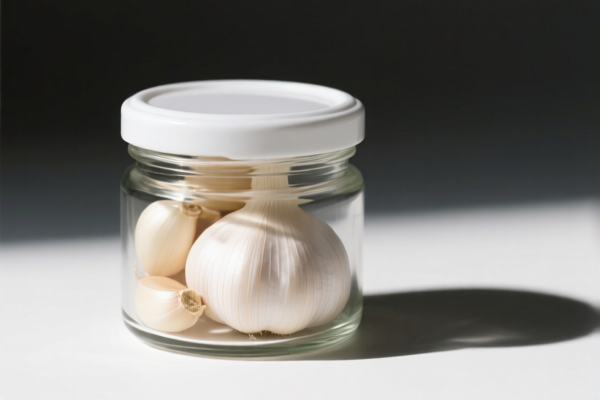
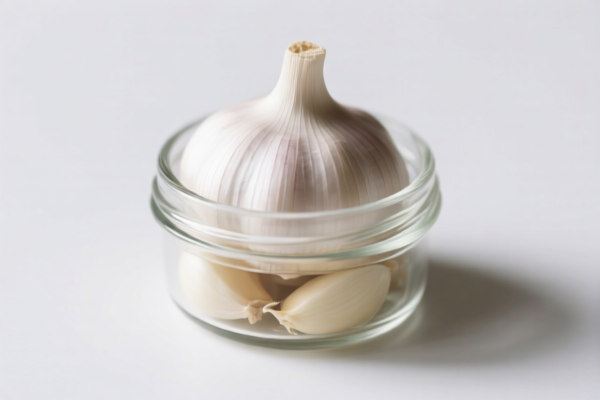
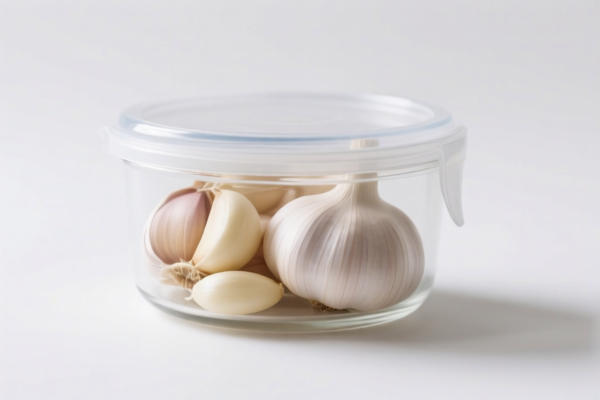
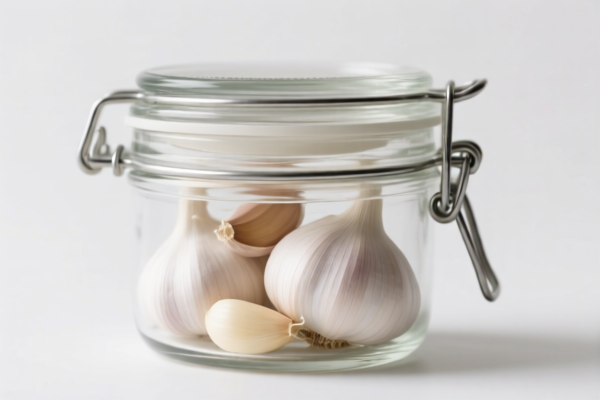
AI Analysis
🧄 Garlic Masher Container (Kitchen Tools)
🌐 HS Code Reference & Customs Clearance Guide | 2026 Latest Tariff Analysis | Professional Clearance Strategy
📌 I. Product Definition & Classification: What Exactly is a "Garlic Masher Container"?
A Garlic Masher Container typically refers to a small kitchen utensil or set, often consisting of a mashing tool (plunger/pestle) and a small container (bowl/cup) designed to crush, mince, or mash garlic cloves efficiently. In international trade, the classification depends heavily on the primary material of the product:
Stainless Steel/Steel Sets: If the masher and container are made of stainless steel or iron/steel, they fall under Chapter 73. Plastic Sets: If the product is made of plastic, it falls under Chapter 39.
⚠️ Key Distinction Point:
- If the product is metallic (stainless steel preferred for kitchenware) → Classified under HS Code 7323.93 or 7323.99. - If the product is plastic → Classified under HS Code 3924.10. - Critical Note: Do not misclassify plastic kitchen tools as metal, or vice versa. Customs will reject inconsistent material descriptions.
📦 II. HS Code Classification Details (2026 Latest Tariff Authority Comparison)
| HS Code | Product Description | Applicable Scenario | Material | Tax Detail Breakdown |
|---|---|---|---|---|
7323.93.00.60 |
Tableware, kitchenware... of stainless steel: Cooking and kitchen ware | Stainless Steel Garlic Masher & Container Set | Stainless Steel | Base: 2.0%, Additional: 0%. Total: 52.0% (Note: 50% Section 301/Al-Cu-Steel Surcharge applies) |
7323.99.90.30 |
Tableware, kitchenware... of iron or steel: Other | Iron/Steel (Non-Stainless) Garlic Masher & Container | Iron/Steel | Base: 3.4%, Additional: 25.0%. Total: 78.4% (Note: 50% Section 301/Al-Cu-Steel Surcharge applies) |
3924.10.40.00 |
Tableware, kitchenware... of plastics: Other | Plastic Garlic Masher & Container (e.g., silicone handles, plastic bodies) | Plastic | Base: 3.4%, Additional: 0%. Total: 3.4% (No extra surcharge) |
3924.10.30.00 |
Tableware, kitchenware... of plastics: Trays | Plastic Trays (Only if the "container" is strictly a tray, not a masher cup) | Plastic | Base: 5.3%, Additional: 7.5%. Total: 12.8% |
🔍 Key Insight:
- Stainless Steel is the Gold Standard: Most high-quality garlic mashers are stainless steel. They fall under7323.93.00.60. - Plastic is Common for Budget Items: If the item is entirely plastic (or mostly plastic with minimal metal), use3924.10.40.00. - Avoid "Iron/Steel" if Possible:7323.99.90.30has a higher base tariff (3.4% vs 2.0%) and suffers from the same heavy surcharges.
💰 III. 2026 Latest Tariff Rate Detail (Including Additional Taxes & Policy Surcharges)
✅ Applicable Country: United States (US)
✅ Origin: China (CN)
✅ Effective Time: 2025/2026 Current Rates
🎯 1. 7323.93.00.60 —— Stainless Steel Kitchen Ware (Most Common)
| Item | Content |
|---|---|
| Base Tariff | 2.0% (Ad Valorem) |
| Section 301 / Al-Cu-Steel Surcharge | +50% (Specific to Steel/Aluminum/Copper products under recent trade actions) |
| Total Tariff | 52.0% |
| Tax Calculation | CIF Value × 52.0% |
| De Minimis Eligibility | ❌ No (High tariff items are generally excluded from $800 de minimis exemptions if scrutinized) |
| Legal Basis Path | USITC:7323.93.00.60 → Section 301 Steel Surcharge |
📌 Explanation:
- The 2.0% is the standard MFN rate for stainless steel kitchenware. - The 50% surcharge is critical. Recent trade policies have imposed a 50% additional tariff on certain steel and aluminum products. Since garlic mashers are often stainless steel, this 50% surcharge applies, making the total 52%. - Warning: This is a high-cost item for US importers. Margin compression is significant.
🎯 2. 7323.99.90.30 —— Non-Stainless Steel/Iron Kitchen Ware
| Item | Content |
|---|---|
| Base Tariff | 3.4% (Ad Valorem) |
| Section 301 / Al-Cu-Steel Surcharge | +50% (Same steel surcharge applies) |
| Additional Tariff | +25.0% (From other potential trade remedies) |
| Total Tariff | 78.4% |
| Tax Calculation | CIF Value × 78.4% |
| De Minimis Eligibility | ❌ No |
| Legal Basis Path | USITC:7323.99.90.30 → Section 301 Steel Surcharge → Additional Tariff |
📌 Explanation:
- This code applies if the product is not stainless steel (e.g., carbon steel, coated iron). - The 78.4% total rate is prohibitive. Avoid this code unless necessary. Prefer stainless steel (7323.93.00.60) for better tax efficiency, or switch to plastic.
🎯 3. 3924.10.40.00 —— Plastic Kitchen Ware
| Item | Content |
|---|---|
| Base Tariff | 3.4% (Ad Valorem) |
| Section 301 / Al-Cu-Steel Surcharge | 0% (Plastics are NOT subject to steel surcharges) |
| Total Tariff | 3.4% |
| Tax Calculation | CIF Value × 3.4% |
| De Minimis Eligibility | ⚠️ Check Specific Rules: Generally, lower-tariff goods may still be scrutinized, but no massive surcharges apply. |
| Legal Basis Path | USITC:3924.10.40.00 |
📌 Explanation:
- If your garlic masher is made of food-grade plastic (e.g., PP, PE, silicone), this is the most tax-efficient option. - 3.4% is a very competitive rate. - Requirement: Must clearly state "Plastic" in description. If it has metal parts, ensure the essential character is plastic.
🛠️ IV. Customs Clearance Practical Advice (Pitfall Avoidance Guide)
✅ 1. Required Documents Checklist (None Can Be Skipped)
| Document | Required | Explanation |
|---|---|---|
| ✅ Product Specification Sheet | ✔️ | Must specify material (Stainless Steel 304, Plastic, etc.), dimensions, weight. |
| ✅ Product Photos | ✔️ | Clear images of the masher, container, and any labels. |
| ✅ Commercial Invoice | ✔️ | Must accurately describe the item as "Garlic Masher" or "Kitchen Tool" + Material. |
| ✅ Packing List | ✔️ | Include net/gross weight. |
| ✅ Material Declaration | ✔️ | Explicitly state "Stainless Steel" or "Plastic". Mismatch leads to penalties. |
| ✅ FDA Compliance (if applicable) | ✔️ | For food-contact items, ensure FDA compliance documentation is ready. |
✅ 2. Declaration Tips (Key Mnemonics)
🔥 "Material Matters, Stainless is Best, Plastic is Cheap, Iron is Dead!"
| Scenario | Correct Declaration | Wrong Practice |
|---|---|---|
| Stainless Steel Set | "Stainless Steel Garlic Masher and Container" → 7323.93.00.60 |
Calling it "Kitchen Tool" → Ambiguity |
| Plastic Set | "Plastic Garlic Masher" → 3924.10.40.00 |
Calling it "Metal Masher" → Misclassification |
| Mixed Materials | Declare by essential character. If mostly plastic → Plastic code. | Splitting into parts → Higher combined tariff |
| Coated Steel | If coated with non-precious metal, still likely 7323.99.90.30 → Avoid |
Claiming "Stainless" when it's not |
✅ 3. Special Circumstances
| Situation | Handling Advice |
|---|---|
| Food-Grade Certification | Provide FDA LFGB (Europe) or FDA (US) test reports for food contact materials. |
| OEM Customization | Provide design drawings to prove it's a specific kitchen tool, not a generic "container". |
| Plastic with Metal Parts | If metal parts are minor (e.g., hinges), and plastic is the main volume/weight, classify as Plastic (3924.10.40.00). Crucial for tax savings! |
| Stainless Steel with Plastic Handles | Still classified as Steel (7323.93.00.60) because the essential character is the steel vessel. |
🌍 V. Global Market Customs Comparison (2026 Latest)
| Country/Region | Recommended HS Code | Tariff | Certification | Notes |
|---|---|---|---|---|
| 🇺🇸 USA | 7323.93.00.60 (Steel) / 3924.10.40.00 (Plastic) |
52.0% (Steel) / 3.4% (Plastic) | FDA | Huge tax difference! Choose plastic or stainless wisely. |
| 🇨🇳 China | 7323.93.00.60 / 3924.10.40.00 |
5% (Steel) / 8% (Plastic) | CCC (if needed) | No surcharges. |
| 🇪🇺 EU | 7323.93.00 / 3924.10.40 |
4.5% (Steel) / 6.5% (Plastic) | CE / LFGB | No Section 301 surcharges. |
| 🇬🇧 UK | 7323.93.00 / 3924.10.40 |
4.5% (Steel) / 6.5% (Plastic) | UKCA | Post-Brexit rules apply. |
📌 Conclusion:
- USA Market: The 50% steel surcharge makes stainless steel garlic mashers expensive to import. Plastic alternatives offer a massive tax advantage (3.4% vs 52%). - If you must import steel: Ensure it is Stainless Steel (7323.93) to save 2.0% base tariff, but expect the 50% surcharge. - Recommendation: For US importers, consider plastic or silicone-based garlic mashers to avoid the punitive 52% tariff.
📌 VI. Common Errors & Pitfall Guide (Blood & Tears Lessons)
❌ Error 1: Classifying stainless steel garlic mashers under 7323.99.90.30 (Iron/Steel Non-Stainless)
👉 Consequence: Higher base tariff (3.4% vs 2.0%) and same 50% surcharge → Higher cost for no reason.
❌ Error 2: Calling a stainless steel masher "Kitchen Tool" without specifying material
👉 Consequence: Customs may assign a default high-duty code or demand clarification → Delays.
❌ Error 3: Importing plastic mashers but declaring them as "Steel" to avoid plastic restrictions (rare)
👉 Consequence: Misdeclaration penalties, fines, and potential seizure.
❌ Error 4: Ignoring the 50% Steel Surcharge
👉 Consequence: Budgeting 2% tariff when reality is 52% → Massive margin loss.
✅ Correct Practice:
"Stainless Steel Garlic Masher and Container Set, FDA Approved, Model XYZ" →
7323.93.00.60(52%)
"Plastic Garlic Press and Container, Food Grade, Model ABC" →3924.10.40.00(3.4%)
🎯 VII. Conclusion: Professional Declaration, Save Costs, Avoid Risks!
🎯 Remember the Mnemonic:
🔹 "Steel 52, Plastic 3.4, Iron 78.4!"
🔹 "Material is King! Stainless saves base rate, but Surcharge kills it!"
📌 Pro Tip:
If you are importing to the US, strongly consider plastic or silicone garlic mashers (3924.10.40.00) to enjoy the 3.4% tariff rate instead of the 52% steel rate. This alone can double your profit margin.
For stainless steel, ensure your supplier provides 304 Stainless Steel certification to justify the 7323.93 code.
📣 Immediate Action:
📞 Contact your customs broker + Provide product material specs + Apply for Advance Ruling if unsure.
🚀 Let your garlic mashers, clear smoothly, reduce costs, boost profits!
✨ Professional clearance starts with accurate classification!
💼 Every cent of your cost deserves precise calculation!
Customer Reviews
About HS Code Classification
The Harmonized System (HS) is an internationally standardized nomenclature developed by the World Customs Organization (WCO) to classify traded products. Over 200 countries use the HS system as the basis for customs tariffs, trade statistics, and import/export regulations.
Each HS code follows a hierarchical structure:
- Chapter (2 digits) — Broad category of goods (e.g., Chapter 84: Machinery and Mechanical Appliances)
- Heading (4 digits) — More specific grouping within the chapter
- Subheading (6 digits) — Internationally standardized breakdown, used by all WCO member countries
- National subdivisions (8-10 digits) — Country-specific extensions for further classification, such as US HTSUS 10-digit codes
Correct HS code classification is essential for smooth customs clearance, accurate duty payment, and compliance with trade regulations. Misclassification can lead to customs delays, overpayment of duties, or penalties.
When importing from CN to US, the applicable tariff rates may include:
- Most-Favored-Nation (MFN) rate — The standard duty rate applied to WTO members
- General rate — Applied to countries without trade agreements
- Trade remedy duties — Additional tariffs such as Section 301 (anti-dumping), Section 232 (national security), or countervailing duties
The information provided on this page is for reference purposes only. For official classification, please consult with your local customs authority or a licensed customs broker.