Garment Brush
CN → US| HS Code | Tariff Rate | Origin | Destination | Doc |
|---|---|---|---|---|
| 9603908050 | 70.3% | CN | US | Official Doc |
| 8509805080 | 14.2% | CN | US | Official Doc |
| 3926909989 | 22.8% | CN | US | Official Doc |
| 3926907000 | 22.8% | CN | US | Official Doc |
| 3926904800 | 13.4% | CN | US | Official Doc |
Product Images


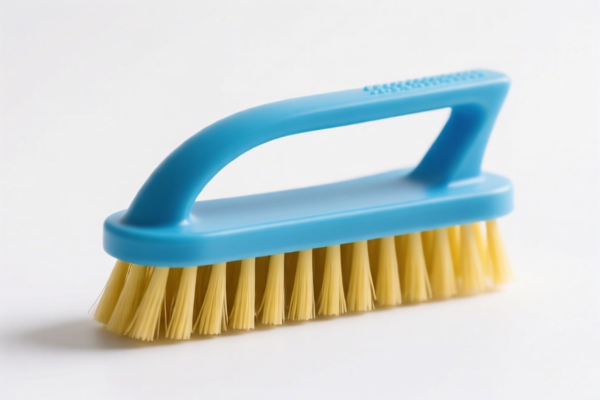
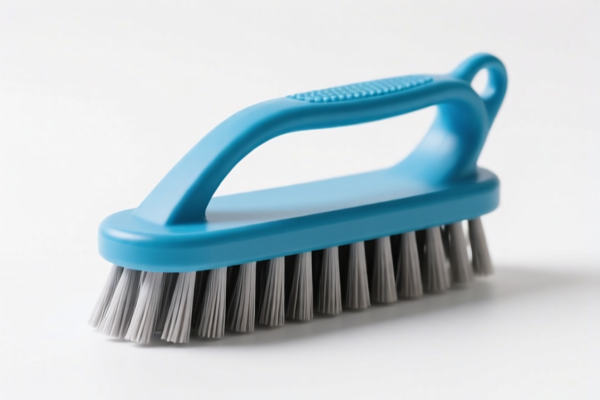
AI Analysis
🧹 Garment Brush (Anti-Static Brush)
🌐 HS Code Reference & Customs Clearance Guide | 2026 Latest Tariff Analysis | Professional Clearance Strategy
📌 I. Product Definition & Classification: What Exactly is a "Garment Brush"?
A Garment Brush, often marketed as an anti-static brush or lint remover brush, is a handheld cleaning tool designed to remove static electricity, lint, dust, and pet hair from fabrics. In international trade, its classification hinges primarily on material composition and functional intent.
There are three main classification paths depending on how the product is manufactured:
1. Fiber-Based Brushes (Bristles)
If the functional part is made of synthetic fibers or natural hair, it may fall under the general "Brush" category.
2. Plastic/Molded Components
If the brush is predominantly plastic (handle + bristles molded together), it is often classified as a "Plastic Article."
3. Household Appliances/Electrical
If it contains any motor, battery, or electrical component (even for vibration), it shifts to electrical household appliances. Note: The provided data assumes a non-electric, manual brush.
⚠️ Key Distinction Point:
- If it is manual, non-electric, and bristle-heavy → Likely 9603 (Brushes).
- If it is manual, plastic-heavy → Likely 3926 (Plastic Articles).
- If it has no motor/electricity → It CANNOT be classified under 8509 (Electrical Appliances). See Data Item 2 for why this is invalid.
📦 II. HS Code Classification Details (Based on Provided Data)
| HS Code | Summary Description | Logic & Applicability | Total Tax Rate |
|---|---|---|---|
| 9603.90.80.50 | Category: Brushes | Classified as a general brush. Typically made of synthetic fibers or natural hair for removing static/lint. | 70.3% |
| 8509.80.50.80 | Category: Non-electric Household Appliances | Invalid/Questionable. Assumes it's a home cleaning/care appliance without a high-power motor. | 14.2% |
| 3926.90.99.89 | Category: Plastic Articles (Other) | Classified based on material. The brush is primarily plastic, fitting "Other plastic articles." | 22.8% |
| 3926.90.70.00 | Category: Plastic Articles (Other) | Inferred as plastic, fitting the logic of "Plastic products" and "Other" subheadings. | 22.8% |
| 3926.90.48.00 | Category: Plastic Articles (Specific Sub-cat) | Combines plastic handle and synthetic fiber bristles. Fits "Plastic material attributes" and "Other" use cases. | 13.4% |
🔍 Critical Analysis:
- 9603.90.80.50 has the highest tax (70.3%) due to specific附加 tariffs (Section 301/Steel/Aluminum/Copper clauses mentioned in data).
- 3926.90.48.00 offers the lowest tax among plastic classifications (13.4%) because it has 0% additional tariff (Section 301), only base + 10% Section 301.
- 8509.80.50.80 is risky. While it claims low tax (14.2%), classifying a simple manual brush as an "electrical appliance" (even if non-motorized in the summary) is a common customs audit trigger. Customs may reclassify it as plastic or brush if it lacks electrical features.
💰 III. Detailed Tariff Breakdown (2026 Data)
✅ Applicable Country: United States (US)
✅ Origin: Likely China (CN) (Implied by "Section 301" and "122 Clause" references)
✅ Data Source: Specific JSON input provided.
🎯 1. 9603.90.80.50 —— General Brushes (High Risk/High Tax)
| Item | Content |
|---|---|
| Base Tariff | 2.8% |
| Additional Tariff (Section 301) | 7.5% |
| Section 122 Tariff | 10% |
| Steel/Aluminum/Copper Article Tariff | 50% |
| Total Tax Rate | 70.3% |
| Tax Calculation | CIF Value × 70.3% |
| Legal Basis Path | HS Code 9603 → Base Rate → Section 301 → Section 122 → Metal Article Clause |
📌 Explanation:
- This code attracts the highest penalty due to the 50% "Steel/Aluminum/Copper" tariff. This implies the customs authority may view the bristle core or wire reinforcement (if any) as metal, or it’s a blanket punitive rate for certain brush types.
- Total 70.3% makes this classification economically unviable for most commercial shipments.
🎯 2. 8509.80.50.80 —— Household Appliances (Low Tax, High Risk of Misclassification)
| Item | Content |
|---|---|
| Base Tariff | 4.2% |
| Additional Tariff (Section 301) | 0.0% |
| Section 122 Tariff | 10% |
| Total Tax Rate | 14.2% |
| Tax Calculation | CIF Value × 14.2% |
| Legal Basis Path | HS Code 8509 → Base Rate → Section 122 |
📌 Explanation:
- Lowest total tax (14.2%) among the options.
- Risk: The summary says "non-high-power motor," but if the product has NO motor, using HS 8509 (Electrical Machines) is technically incorrect. Customs may reject this, reclassify to 3926 or 9603, and apply higher retroactive taxes + penalties.
🎯 3. 3926.90.48.00 —— Plastic Articles (Best Balance of Low Tax & Plausibility)
| Item | Content |
|---|---|
| Base Tariff | 3.4% |
| Additional Tariff (Section 301) | 0.0% |
| Section 122 Tariff | 10% |
| Total Tax Rate | 13.4% |
| Tax Calculation | CIF Value × 13.4% |
| Legal Basis Path | HS Code 3926 → Base Rate → Section 122 |
📌 Explanation:
- Lowest effective tax (13.4%).
- Reasonable Classification: Garment brushes are predominantly plastic (handle + mold). The 0% Section 301 on this specific subheading saves ~10% compared to 3926.99.89.
- Recommendation: This is the most cost-effective and defensible classification for plastic garment brushes.
🎯 4. 3926.90.99.89 & 3926.90.70.00 —— Other Plastic Articles (Mid-Range Tax)
| Item | Content |
|---|---|
| Base Tariff | 5.3% |
| Additional Tariff (Section 301) | 7.5% |
| Section 122 Tariff | 10% |
| Total Tax Rate | 22.8% |
| Tax Calculation | CIF Value × 22.8% |
📌 Explanation:
- These codes attract the full 7.5% Section 301 tariff in addition to the 10% Section 122.
- They are less favorable than3926.90.48.00.
🛠️ IV. Customs Clearance Practical Advice (Avoid Pitfalls)
✅ 1. Material Declaration is Critical
| Material Claim | Likely HS Code | Tax Rate | Risk Level |
|---|---|---|---|
| Plastic Handle + Synthetic Bristles | 3926.90.48.00 | 13.4% | ✅ Low (Best Option) |
| Pure Plastic Molded | 3926.90.99.89 | 22.8% | ⚠️ Medium (Higher Tax) |
| Natural Hair/Bristles Core | 9603.90.80.50 | 70.3% | 🔴 High (Avoid!) |
| Contains Motor/Battery | 8509.80.50.80 | 14.2% | ⚠️ Medium (Audit Risk if no motor) |
📌 Strategy:
- If your brush is plastic-based, declare it as "Plastic Garment Brush" and aim for 3926.90.48.00.
- Avoid using 9603 unless the brush is primarily natural bristles, as the 70.3% tax will destroy margins.
✅ 2. Documentation Checklist
| Document | Requirement | Notes |
|---|---|---|
| ✅ Product Description | "Plastic Anti-Static Garment Brush" | Avoid words like "Mechanical" or "Electrical" if non-electric. |
| ✅ Material Composition | 100% Plastic / Synthetic Bristles | Must specify if no metal components exist. |
| ✅ Photos | Clear shots of handle, bristles, and no labels | Proof of non-metal, non-electric nature. |
| ✅ Invoice | Value clearly stated | Ensure CIF value includes freight/insurance for accurate tax calc. |
| ✅ HS Code Pre-Ruling | Recommended | Apply for an Advance Ruling from CBP for 3926.90.48.00 to lock in the 13.4% rate. |
✅ 3. Special Clauses Explained
🔥 Section 122 Tariff (10%):
- This is a specific anti-dumping/countervailing duty or special trade remedy often applied to Chinese imports. It applies to all HS codes in the provided data.
- Cannot be avoided unless the product originates from a country with a Free Trade Agreement (FTA) exemption.🔥 Section 301 Tariff (7.5% or 0%):
- 7.5% applies to generic plastic items (3926.99.89, 3926.90.70) and Brushes (9603).
- 0% applies to specific plastic subcategories like3926.90.48.00and electrical appliances8509.80.50.80.
- Crucial: Choosing the right HS Code subheading can save you 7.5% on the customs value alone.
🌍 V. Global Market Comparison (Inferred)
| Market | Likely HS Code | Est. Tariff (China Origin) | Note |
|---|---|---|---|
| 🇺🇸 USA | 3926.90.48.00 | 13.4% | Best rate due to 0% Sec 301 on this subcode. |
| 🇺🇸 USA | 9603.90.80.50 | 70.3% | Avoid due to metal/brush penalties. |
| 🇪🇺 EU | 9603.29 | ~3-5% | Lower base rates, but different classification logic. |
| 🇨🇳 China (Import) | 9603.30 | ~5-10% | Domestic classification differs. |
📌 Conclusion:
- For US Imports, 3926.90.48.00 is the optimal choice for plastic garment brushes.
- Do not use 9603.90.80.50 unless absolutely necessary (e.g., luxury natural bristle brushes), as the tax burden is prohibitive.
📌 VI. Common Mistakes & Pitfalls (Blood & Tears Lessons)
❌ Mistake 1: Classifying a plastic brush as a Brush (9603)
👉 Consequence: Tax jumps from 13.4% to 70.3%.
💡 Fix: Emphasize "Plastic Material" in description, not "Bristles."
❌ Mistake 2: Classifying a manual brush as an Electrical Appliance (8509)
👉 Consequence: Customs audit reveals no motor → Rejection, penalties, and possible fraud charges.
💡 Fix: Only use 8509 if the product actually has a battery/motor.
❌ Mistake 3: Ignoring Section 301 subheading nuances
👉 Consequence: Paying 7.5% extra when a specific plastic code (3926.90.48.00) has 0% Sec 301.
💡 Fix: Check the detailed 10-digit HS code tariff schedule for Sec 301 exemptions.
🎯 VII. Conclusion: Professional Classification Saves Money!
🎯 Key Takeaway:
🔹 "Plastic Body = 3926.90.48.00 (13.4%)"
🔹 "Natural Bristles = 9603.90.80.50 (70.3%)"
🔹 "No Motor ≠ 8509"🔹 "Choose the right plastic subcode to eliminate Section 301 tariffs!"
📌 Pro Tip:
If you are importing large volumes, apply for a CBP Advance Ruling for 3926.90.48.00. This legally binds Customs to the 13.4% rate, protecting you from future audits and sudden reclassifications.
📣 Immediate Action:
📞 Verify your product material (Plastic vs. Natural).
📄 Prepare tech packs showing no metal/plastic-only construction.
🚀 Declare as Plastic Garment Brush (HS 3926.90.48.00) for maximum savings.
✨ Smart Classification, Smarter Profits!
💼 Don’t let a 70% tariff ruin your product margin!
Customer Reviews
About HS Code Classification
The Harmonized System (HS) is an internationally standardized nomenclature developed by the World Customs Organization (WCO) to classify traded products. Over 200 countries use the HS system as the basis for customs tariffs, trade statistics, and import/export regulations.
Each HS code follows a hierarchical structure:
- Chapter (2 digits) — Broad category of goods (e.g., Chapter 84: Machinery and Mechanical Appliances)
- Heading (4 digits) — More specific grouping within the chapter
- Subheading (6 digits) — Internationally standardized breakdown, used by all WCO member countries
- National subdivisions (8-10 digits) — Country-specific extensions for further classification, such as US HTSUS 10-digit codes
Correct HS code classification is essential for smooth customs clearance, accurate duty payment, and compliance with trade regulations. Misclassification can lead to customs delays, overpayment of duties, or penalties.
When importing from CN to US, the applicable tariff rates may include:
- Most-Favored-Nation (MFN) rate — The standard duty rate applied to WTO members
- General rate — Applied to countries without trade agreements
- Trade remedy duties — Additional tariffs such as Section 301 (anti-dumping), Section 232 (national security), or countervailing duties
The information provided on this page is for reference purposes only. For official classification, please consult with your local customs authority or a licensed customs broker.