Garters
CN → US| HS Code | Tariff Rate | Origin | Destination | Doc |
|---|---|---|---|---|
| 6217909095 | 32.1% | CN | US | Official Doc |
| 6117809570 | 32.1% | CN | US | Official Doc |
| 6217909075 | 24.6% | CN | US | Official Doc |
| 6117808500 | 32.1% | CN | US | Official Doc |
| 6217909075 | 24.6% | CN | US | Official Doc |
Product Images
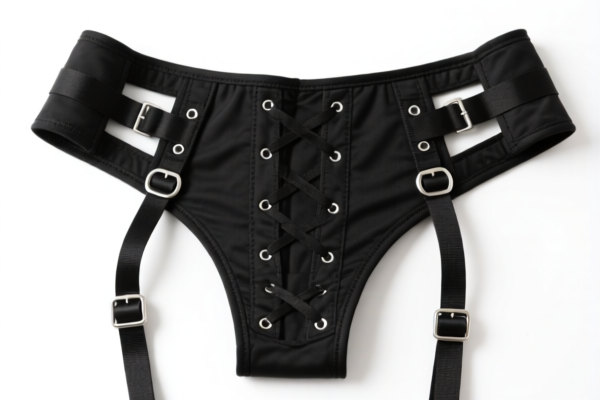
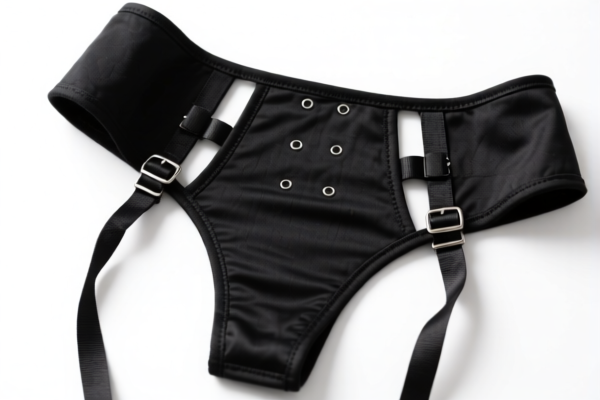
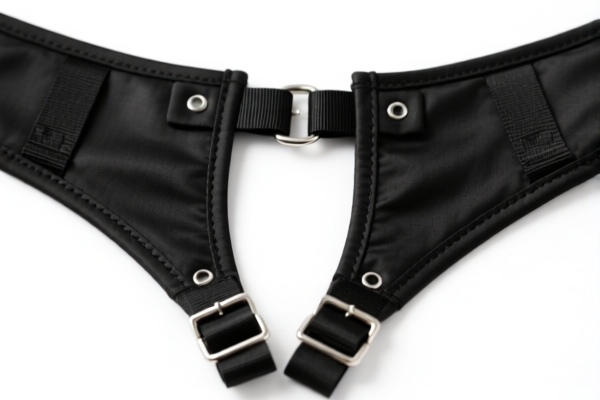
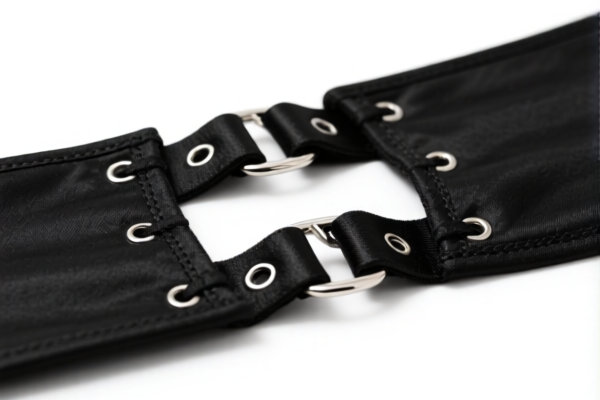
AI Analysis
🎀 Garters (Suspenders for Apparel)
🌐 HS Code Reference & Customs Clearance Guide | 2024 Latest Tariff Schedule | Professional Compliance Strategy
📌 Part 1: Product Definition & Classification: What Are "Garters"?
Garters, in the context of international trade, refer to accessories worn to hold up stockings or socks. They are typically classified as parts and accessories of clothing or clothing accessories.
Depending on the material (knitted vs. woven) and specific composition (cotton vs. other materials), they fall under Chapter 61 (Knitted/Crocheted) or Chapter 62 (Non-Knitted/Non-Crochewed).
⚠️ Key Distinction:
- If the garter is knitted or crocheted → Falls under Chapter 61.
- If the garter is woven or made of other textile materials → Falls under Chapter 62.
- Regardless of material, they are treated as apparel accessories, not standalone garments.
📦 Part 2: HS Code Classification Details (Based on Provided Data)
The following table details the four specific HS Codes identified in the data for Garters, along with their tax implications.
| HS Code | Product Description | Material/Type Inference | Total Tax Rate |
|---|---|---|---|
6217.90.90.95 |
Apparel accessories (Woven/Non-knitted) | Material unspecified (inferred as non-conflicting with accessory use) | 32.1% |
6117.80.95.70 |
Apparel accessories (Knitted/Crocheted) | Inferred as non-cotton/wool, fits "Other" material definition | 32.1% |
6217.90.90.75 |
Apparel accessories/parts (Woven/Non-knitted) | Cotton material specified | 24.6% |
6117.80.85.00 |
Apparel accessories (Knitted/Crocheted) | Inferred as knitted or woven fabric, fits "Other" knitted category | 32.1% |
🔍 Critical Observation:
- There is a 7.5% tariff difference between Cotton (6217.90.90.75) and Non-Cotton/Other Materials. - Chapter 61 (Knitted) codes generally incur the 32.1% rate in this dataset. - Chapter 62 (Woven) codes vary: 24.6% for Cotton, 32.1% for Other/Unspecified.
💰 Part 3: Tariff Rate Breakdown (Detailed Tax Analysis)
✅ Context: Based on the provided data, these rates appear to include Base Tariffs + Section 301 Tariffs (Section 122/7.5%) + IEEPA Tariffs (10%).
🎯 1. High-Tax Scenarios (32.1% Total)
Applicable HS Codes:
- 6217.90.90.95 (Woven, Other/Unspecified Material)
- 6117.80.95.70 (Knitted, Non-Cotton/Wool)
- 6117.80.85.00 (Knitted, Other)
| Tax Component | Rate | Explanation |
|---|---|---|
| Base Tariff | 14.6% | Standard Most-Favored-Nation (MFN) rate for apparel accessories. |
| Section 301 Tariff | 7.5% | Additional tariff under "Section 122" or similar trade remedy measures for Chinese goods. |
| IEEPA Tariff | 10.0% | Additional tariff under the International Emergency Economic Powers Act (often applied to specific categories). |
| Total Tax Rate | 32.1% | Sum of all applicable duties. |
📌 Why 32.1%?
- For non-cotton knitted accessories (6117...) and non-cotton woven accessories (6217...except 75), the full stack of base + additional tariffs applies. - This is the highest cost scenario. Importers must ensure the product description does not accidentally fall into this category if a lower rate is available.
🎯 2. Low-Tax Scenario (24.6% Total)
Applicable HS Code:
- 6217.90.90.75 (Woven, Cotton)
| Tax Component | Rate | Explanation |
|---|---|---|
| Base Tariff | 14.6% | Standard MFN rate. |
| Section 301 Tariff | 0.0% | Exempted or not applicable for this specific subheading in the provided data. |
| IEEPA Tariff | 10.0% | Standard IEEPA addition. |
| Total Tax Rate | 24.6% | Significant savings compared to other categories. |
📌 Why 24.6%?
- Cotton content is key. The summary explicitly states: "Cotton garters meet the cotton material requirement of 6217.90.90.75." - The 7.5% Section 301 tariff is waived for this specific HS code in the provided data. - Savings: 7.5% less than other categories. This is a critical differentiator for cost control.
🛠️ Part 4: Customs Clearance Practical Advice
✅ 1. Preparation Checklist (Essential Documents)
| Document | Required | Purpose |
|---|---|---|
| Product Specification Sheet | ✔️ | Must clearly state material composition (e.g., "100% Cotton" vs. "Polyester"). This determines if you get 24.6% or 32.1%. |
| Material Composition Statement | ✔️ | Critical for proving eligibility for 6217.90.90.75. |
| Product Photos | ✔️ | Show the garter’s structure (clip, buckle, fabric) to confirm it’s an accessory, not a garment. |
| Commercial Invoice | ✔️ | Clearly describe as "Garter Belts" or "Stocking Garters," not "Suspenders" (which may have different codes). |
| Packing List | ✔️ | Ensure quantity matches invoice. |
✅ 2. Declaration Strategy (Key Tips)
🔥 Rule of Thumb:
"Material Defines Rate; Description Defines Compliance."
| Scenario | Recommended HS Code | Tax Rate | Action |
|---|---|---|---|
| 100% Cotton Woven Garters | 6217.90.90.75 |
24.6% | Best Choice! Ensure material is clearly declared as Cotton. |
| Polyester/Other Woven Garters | 6217.90.90.95 |
32.1% | Incur higher tax. Consider if material can be adjusted. |
| Knitted Garters (Any Material) | 6117.80.95.70 or 6117.80.85.00 |
32.1% | Higher tax. Verify if woven alternative is possible. |
| Unspecified Material | 6217.90.90.95 |
32.1% | Risky. Customs may assess the highest rate. Provide proof of material. |
✅ 3. Avoiding Common Mistakes
| Mistake | Consequence | Solution |
|---|---|---|
| Misdeclaring Material | Claiming "Other" for cotton items | → Audit Risk. Customs will test and reclassify, leading to penalties. |
| Using Generic Terms | Declaring as "Clothing Parts" | → Confusion. Use specific terms: "Garter Belts," "Stocking Holders." |
| Ignoring Section 122/IEEPA | Underestimating Landed Cost | → Profit Erosion. Factor in 32.1% or 24.6% total duty, not just base duty. |
| Confusing Knitted vs. Woven | Wrong Chapter (61 vs 62) | → Delays. Provide fabric structure photos or lab tests if unsure. |
🌍 Part 5: Global Market Comparison (Inferred)
| Market | Applicable HS Code | Estimated Duty | Notes |
|---|---|---|---|
| 🇺🇸 United States | 6217.90.90.75 (Cotton) |
24.6% | Best rate if 100% Cotton. |
| 🇺🇸 United States | 6117.80.95.70 (Non-Cotton) |
32.1% | High cost for synthetic/knitted. |
| 🇨🇳 China | Local HS Code | Lower Rates | Domestic trade not subject to these import duties. |
| 🇪🇺 EU | 6117/6217 | Varies | EU may have different duty rates; IEEPA/Section 301 do not apply. |
📌 Conclusion for US Importers:
- Cotton woven garters offer the most cost-effective entry (24.6%).
- Non-cotton or knitted garters face a 32.1% duty burden.
- Always verify material composition to avoid overpaying or underpaying.
📌 Part 6: Final Recommendations
✅ 1. Material Optimization
- If possible, design garters using 100% Cotton and woven fabric to qualify for
6217.90.90.75(24.6%). - Avoid mixing materials unless you can clearly define the primary fabric.
✅ 2. Documentation Precision
- On the commercial invoice, write:
"Cotton Garter Belts, Woven, for holding up stockings, 100% Cotton"
- Attach a material test report if the cotton content is borderline or if using blends.
✅ 3. Cost Calculation
- Use the Total Tax Rate (24.6% or 32.1%) for landed cost calculations, not just the base duty.
- Example: For $10,000 shipment of Cotton Garters:
- Duty = $10,000 × 24.6% = $2,460
- For Non-Cotton: Duty = $10,000 × 32.1% = $3,210
- Difference: $750 saved per $10k shipment.
🎯 Conclusion: Precision in Classification Saves Money
🎯 Key Takeaway:
🔹 "Cotton Woven = 24.6%. Everything Else = 32.1%."
🔹 Material declaration is the single most important factor in determining your duty rate for Garters.
📌 Pro Tip:
Always request a Material Composition Certificate from your supplier. If the supplier says "Mixed Material," clarify if it’s >50% Cotton to argue for the lower rate, or accept the higher rate to avoid compliance risks.
📣 Immediate Action:
📞 Consult with your customs broker before shipping.
📄 Provide product samples and material specs for HS Code Confirmation.
💰 Re-calculate your Landed Cost using the correct tax rate (24.6% vs 32.1%).
✨ Smart Classification, Lower Duties, Higher Profit!
💼 Don’t let a 7.5% difference slip through the cracks!
Customer Reviews
About HS Code Classification
The Harmonized System (HS) is an internationally standardized nomenclature developed by the World Customs Organization (WCO) to classify traded products. Over 200 countries use the HS system as the basis for customs tariffs, trade statistics, and import/export regulations.
Each HS code follows a hierarchical structure:
- Chapter (2 digits) — Broad category of goods (e.g., Chapter 84: Machinery and Mechanical Appliances)
- Heading (4 digits) — More specific grouping within the chapter
- Subheading (6 digits) — Internationally standardized breakdown, used by all WCO member countries
- National subdivisions (8-10 digits) — Country-specific extensions for further classification, such as US HTSUS 10-digit codes
Correct HS code classification is essential for smooth customs clearance, accurate duty payment, and compliance with trade regulations. Misclassification can lead to customs delays, overpayment of duties, or penalties.
When importing from CN to US, the applicable tariff rates may include:
- Most-Favored-Nation (MFN) rate — The standard duty rate applied to WTO members
- General rate — Applied to countries without trade agreements
- Trade remedy duties — Additional tariffs such as Section 301 (anti-dumping), Section 232 (national security), or countervailing duties
The information provided on this page is for reference purposes only. For official classification, please consult with your local customs authority or a licensed customs broker.