Gas Stove Accessories
CN → US| HS Code | Tariff Rate | Origin | Destination | Doc |
|---|---|---|---|---|
| 7321113010 | 85.0% | CN | US | Official Doc |
| 7321111030 | 90.7% | CN | US | Official Doc |
| 8416200040 | 17.5% | CN | US | Official Doc |
Product Images
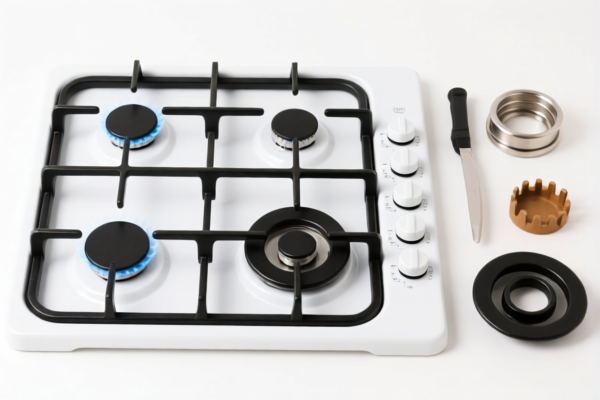
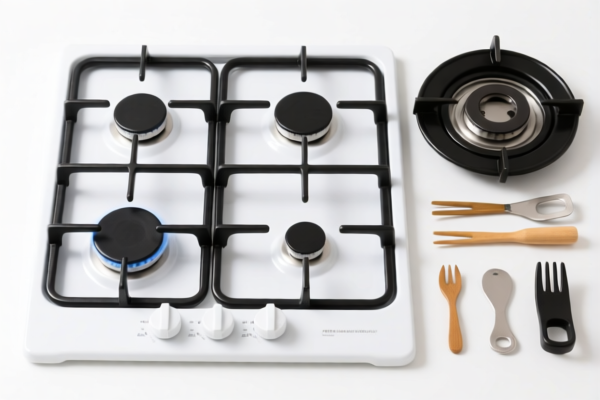
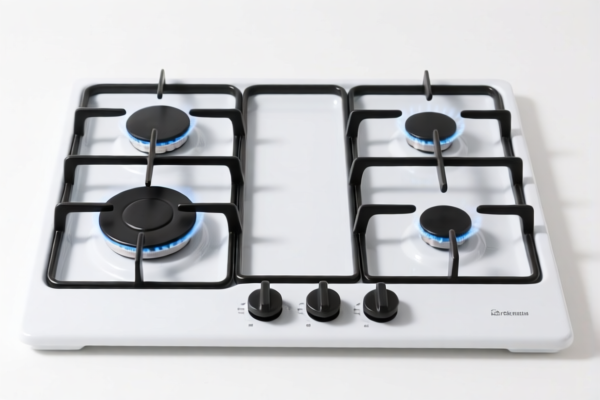
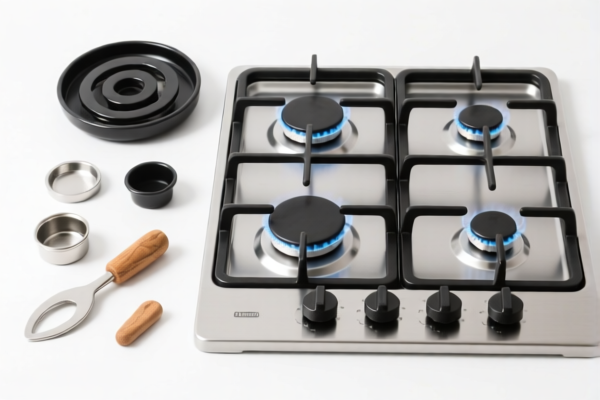
AI Analysis
🍳 Gas Stove Accessories: HS Code Classification & 2026 Customs Clearance Guide
🌐 HS Code Reference & Customs Strategy | 2026 Latest Tariff Analysis | Professional Clearance Guide
📌 I. Product Definition: What Are "Gas Stove Accessories"?
"Gas Stove Accessories" is a broad term that encompasses a variety of components used for gas cooking appliances. In international trade, the classification depends entirely on function and material, which drastically affects the duty rate. The data provided identifies three distinct categories based on the final composition and purpose of the item.
⚠️ Key Distinction:
- Structural/Support Parts (Iron/Steel) → Often grouped under general metal goods or specific appliance parts (7321).
- Functional Combustion Components (Burners) → Grouped under gas burners (8416).
- Material Specificity matters: Iron vs. Steel vs. Cast Iron can trigger different 122-Clause tariffs.
📦 II. HS Code Classification Details (2026 Latest Tariff Authority Comparison)
| HS Code | Product Description | Application Scenario | Material/Function | Total Tax Rate |
|---|---|---|---|---|
7321.11.30.10 |
Gas Stove Accessories (General) | General gas stove components | Iron / Steel | 85.0% |
7321.11.10.30 |
Gas Stove Accessories (Stove-type) | Stove-like apparatuses | Iron or Steel | 90.7% |
8416.20.00.40 |
Gas Burners (Gas Combustors) | Gas fuel burner components | Gas Fuel Burner Definition | 17.5% |
🔍 Key Insight:
-7321codes apply to parts of non-electric domestic cooking appliances made of iron or steel. These are subject to extremely high tariffs due to Section 301 and 122 clauses. -8416code applies specifically to gas burners (the functional component that mixes gas and air). If the "accessory" is primarily a burner mechanism, this classification offers the lowest tax burden.
💰 III. 2026 Latest Tariff Rate Breakdown (Including Surtaxes & Policy Add-ons)
✅ Applicable Country: United States (US)
✅ Origin: China (CN)
✅ Effective Time: Current regulations (2026 Analysis)
🎯 1. 7321.11.30.10 —— Gas Stove Accessories (Iron/Steel)
| Item | Content |
|---|---|
| Base Duty | 0.0% |
| Section 301 Surtax | +25.0% |
| Section 122 Surtax | +10.0% (Targeting Steel, Aluminum, Copper products) |
| Steel/Aluminum/Copper Add-on (122 Clause) | +50.0% |
| Total Tax Rate | 85.0% |
| Tax Calculation | CIF Value × 85.0% |
| De Minimis Exemption | ❌ Not Eligible (High duty item) |
| Legal Basis Path | Section 301: 25% → 122 Clause: 10% → Section 232/122 Steel Add-on: 50% → HS: 7321.11.30.10 |
📌 Explanation:
- This classification is heavily penalized. The 50% add-on for steel products is the primary driver of the 85% rate. - Even if the base duty is 0%, the cumulative surtaxes make importing these parts prohibitively expensive without careful restructuring.
🎯 2. 7321.11.10.30 —— Gas Stove Accessories (Stove-type, Iron/Steel)
| Item | Content |
|---|---|
| Base Duty | 5.7% |
| Section 301 Surtax | +25.0% |
| Section 122 Surtax | +10.0% |
| Steel/Aluminum/Copper Add-on (122 Clause) | +50.0% |
| Total Tax Rate | 90.7% |
| Tax Calculation | CIF Value × 90.7% |
| De Minimis Exemption | ❌ Not Eligible |
| Legal Basis Path | Base: 5.7% → Section 301: 25% → 122 Clause: 10% → Steel Add-on: 50% → HS: 7321.11.10.30 |
📌 Note:
- This is the highest tax bracket in the provided data. - The base duty of 5.7% adds to the already massive 90%+ surtaxes. - Avoid this classification unless absolutely necessary; it offers no advantage over7321.11.30.10.
🎯 3. 8416.20.00.40 —— Gas Burners (Gas Combustors)
| Item | Content |
|---|---|
| Base Duty | 0.0% |
| Section 301 Surtax | +7.5% |
| Section 122 Surtax | +10.0% |
| Total Tax Rate | 17.5% |
| Tax Calculation | CIF Value × 17.5% |
| De Minimis Exemption | ❌ Not Eligible |
| Legal Basis Path | Section 301: 7.5% → 122 Clause: 10% → HS: 8416.20.00.40 |
📌 Crucial Advantage:
- This classification does not incur the 50% Steel Add-on (Section 232/122 specific steel tariff) because it is classified under Chapter 84 (Machinery/Boilers) rather than Chapter 73 (Articles of Iron/Steel). - The rate is significantly lower (17.5% vs. 85-90.7%). - Strategy: If the "accessory" is functionally a burner or part of a gas combustion system, prioritize declaring under 8416.20.00.40.
🛠️ IV. Customs Clearance Practical Advice (Avoiding Pitfalls)
✅ 1. Preparation Checklist (Essential Documents)
| Document | Required? | Description |
|---|---|---|
| ✅ Product Specifications | ✔️ | Must detail whether it is a "Burner," "Grate," or "General Part." |
| ✅ Material Composition | ✔️ | Specify if it is Iron, Steel, or Cast Iron. Critical for 122 Clause. |
| ✅ Function Description | ✔️ | Explain if it is for "Gas Combustion" (Burner) or "Structural Support" (Grate/Frame). |
| ✅ Commercial Invoice | ✔️ | Clearly state "Gas Burner" if using HS 8416, or "Gas Stove Part" if using HS 7321. |
| ✅ Technical Drawings | ✔️ | Helpful to prove functional classification as a burner (8416). |
✅ 2. Declaration Strategy (Key Principles)
🔥 “Function over Form! Define as Burner to Save 70%!”
| Scenario | Correct Declaration | Incorrect Declaration | Consequence |
|---|---|---|---|
| Gas Burner / Combustor | 8416.20.00.40 (Gas Burner) |
7321.11.10.30 (Stove Part) |
Savings: ~73% in duties |
| Iron Grate / Support | 7321.11.30.10 (Stove Part) |
8416.20.00.40 (Burner) |
Penalty: Misclassification, potential audit |
| Mixed Package | Separate lines for Burner vs. Grates | Mixed HS Code | Risk: Customs may reclassify whole shipment to higher rate |
✅ 3. Special Considerations
| Situation | Handling Advice |
|---|---|
| Burner Components | If the part is specifically designed to mix gas and air for combustion, insist on HS 8416.20.00.40. |
| Iron/Steel Grates | These are structural. Use 7321.11.30.10. Expect ~85% tax. Consider redesigning to reduce steel content if possible. |
| 122 Clause Impact | The 50% add-on for steel products applies to Chapter 73 items. Chapter 84 items (Burners) are exempt from this specific 50% surcharge. |
| Origin Marking | Ensure all parts are properly marked "Made in China" to avoid additional penalties. |
🌍 V. Global Market Comparison (2026 Latest)
| Market | Recommended HS Code | Duty Rate (China Origin) | Notes |
|---|---|---|---|
| 🇺🇸 USA | 8416.20.00.40 |
17.5% | Lowest rate for burners. Avoid 7321 if possible. |
| 🇺🇸 USA | 7321.11.30.10 |
85.0% | High cost for structural parts. |
| 🇨🇳 China | 8416.20.00.40 |
~10-15% | Import duty into China is lower, but export from China is the focus here. |
| 🇪🇺 EU | 8416.20.00 |
Varies by specific subheading | Generally lower than US rates for similar goods. |
📌 Conclusion:
- The US market is extremely punitive for Chinese-made gas stove parts, especially those classified as iron/steel articles. - Strategic Insight: If your product can be defined as a "Gas Burner" rather than a "Stove Part," you save ~70% in duties. - For structural parts (grates, frames), the cost is high. Consider supply chain alternatives or value-added processing in third countries if eligible.
📌 VI. Common Errors & Pitfalls (Lessons Learned)
❌ Error 1: Classifying a Gas Burner as a "Stove Part" (7321)
👉 Result: Paying 85% tax instead of 17.5%.
Fix: Provide technical specs showing gas/air mixing function.
❌ Error 2: Ignoring the 122 Clause Steel Add-on
👉 Result: Budgeting for 25% tax, but facing 85% due to the 50% steel surcharge.
Fix: Always calculate total tax including 122 Clause for Chapter 73 goods.
❌ Error 3: Mixing Burners and Grates in one HS Code line
👉 Result: Customs may reject the lower-rate code for the whole shipment.
Fix: Separate declarations for Burners (8416) and Grates (7321).
✅ Correct Practice:
"Gas Burner, Stainless Steel, For Domestic Gas Stove, Model XYZ" → HS 8416.20.00.40
"Iron Cooking Grate, For Gas Stove" → HS 7321.11.30.10
🎯 VII. Conclusion: Professional Declaration Saves Money
🎯 Remember the Rule:
🔹 “Burner = 8416 (17.5%) | Grate = 7321 (85-90%)”
🔹 “Define by Function, Not Just Material.”
🔹 “Avoid the 50% Steel Surcharge by Classifying Correctly.”
📌 Pro Tip:
If you are exporting Gas Burners, ensure your marketing and technical documents emphasize "Combustion Technology" to support the 8416 classification. For Grates, expect high tariffs and factor them into your pricing model.
📣 Immediate Action:
📞 Consult a licensed customs broker to verify if your "accessory" qualifies as a Burner (8416).
🚀 Clarify Function, Save 70%, Clear Customs Smoothly!
✨ Accurate Classification is the Key to Profitability!
💼 Don’t let high tariffs eat your margins!
Customer Reviews
About HS Code Classification
The Harmonized System (HS) is an internationally standardized nomenclature developed by the World Customs Organization (WCO) to classify traded products. Over 200 countries use the HS system as the basis for customs tariffs, trade statistics, and import/export regulations.
Each HS code follows a hierarchical structure:
- Chapter (2 digits) — Broad category of goods (e.g., Chapter 84: Machinery and Mechanical Appliances)
- Heading (4 digits) — More specific grouping within the chapter
- Subheading (6 digits) — Internationally standardized breakdown, used by all WCO member countries
- National subdivisions (8-10 digits) — Country-specific extensions for further classification, such as US HTSUS 10-digit codes
Correct HS code classification is essential for smooth customs clearance, accurate duty payment, and compliance with trade regulations. Misclassification can lead to customs delays, overpayment of duties, or penalties.
When importing from CN to US, the applicable tariff rates may include:
- Most-Favored-Nation (MFN) rate — The standard duty rate applied to WTO members
- General rate — Applied to countries without trade agreements
- Trade remedy duties — Additional tariffs such as Section 301 (anti-dumping), Section 232 (national security), or countervailing duties
The information provided on this page is for reference purposes only. For official classification, please consult with your local customs authority or a licensed customs broker.