Gas Stove Cleaning Tools
CN → US| HS Code | Tariff Rate | Origin | Destination | Doc |
|---|---|---|---|---|
| 8214909000 | 0.0% | CN | US | Official Doc |
| 9603908040 | 20.3% | CN | US | Official Doc |
| 3924104000 | 13.4% | CN | US | Official Doc |
| 3924905650 | 20.9% | CN | US | Official Doc |
| 9603908050 | 70.3% | CN | US | Official Doc |
Product Images
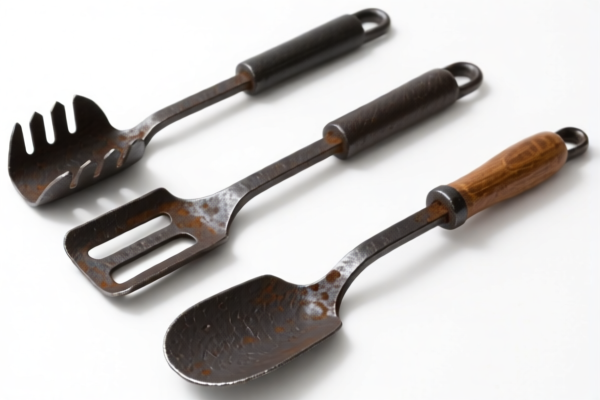
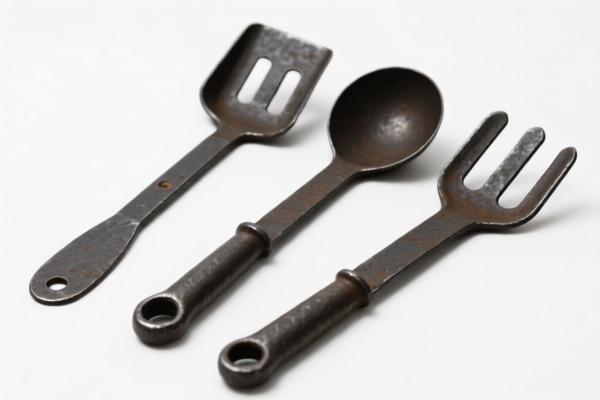
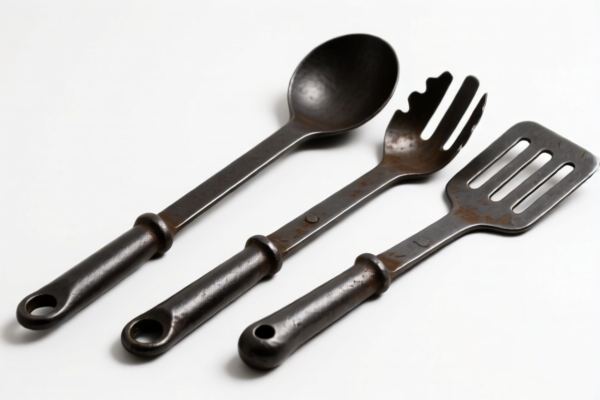
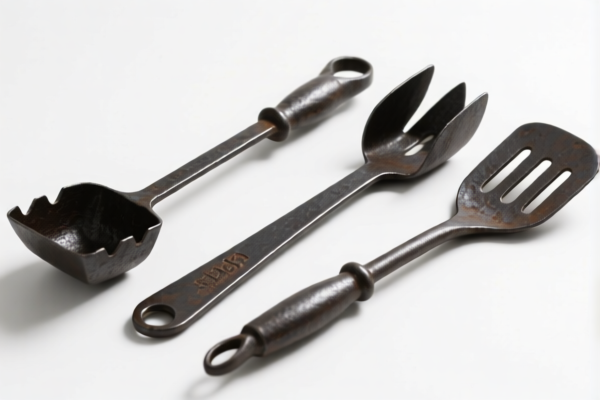
AI Analysis
🧼 Gas Stove Cleaning Tools (Kitchen Utensils & Hygiene Products)
🌐 HS Code Reference & Customs Clearance Guide | 2026 Latest Tariff Analysis | Professional Clearance Strategy
📌 One, Product Definition and Classification: What are "Gas Stove Cleaning Tools"?
Gas stove cleaning tools are specialized hygiene products designed to remove grease, food residue, and carbon deposits from kitchen appliances, specifically gas stoves. In international trade, their classification depends heavily on material composition (metal vs. plastic) and specific functional design (brushes vs. general household items).
⚠️ Key Distinction Points:
- Brush-like Tools (Bristles, Scrapers): Usually fall under Chapter 96 (Brooms, Brushes, Cleaning Implements).
- Plastic Household Items (Sponges, Non-bristled scrapers): May fall under Chapter 39 (Plarticles/Household Articles).
- Metal Tools (Metal scrapers, Steel wool): May fall under Chapter 82 (Articles of Cutlery) or Chapter 73/76 (Base Metals), often attracting higher "Section 301" or Section 122 tariffs.
📦 Two. HS Code Classification Details (Based on Provided Data)
Based on the provided <DATA>, here are the four potential HS Codes, their logic, and tax implications. Note that the data implies a mix of general household items and specific cleaning tools.
| HS Code | Product Description & Logic | Material/Use Conflict | Tax Total |
|---|---|---|---|
8214.90.90.00 |
Other Articles of Cutlery / Nail Tools: Inferred as metal or wear-resistant synthetic materials. Classified under "Other" for knife-type products or nail tools, not specifically listed. | Inferred material is metal or wear-resistant synthetic. No obvious conflict with material or use. | 1.4¢ each + 3.2% + 10.0% |
9603.90.80.40 |
Brooms, Brushes, Mops: Based on common sense, cleaning tools usually include brushes or wiping tools. Fits the description of cleaning implements. No material conflict. | Common sense inference: Brush/wipe type. Fits "Brooms, Brushes, Mops" category. | 20.3% |
3924.10.40.00 |
Household Articles, Plastic: Inferred material is plastic. Belongs to "Household Articles" category. Consistent with "Other Household Articles" made of plastic. | Inferred material is plastic. No conflict with logic. | 13.4% |
3924.90.56.50 |
Other Household Articles (Plastic/Mixed): Belongs to cleaning tools, classified as household articles. Likely contains plastic components. Fits "Other Household Articles" catch-all category. | Inferred material may include plastic. No obvious material or form conflict. | 20.9% |
9603.90.80.50 |
Other Cleaning Implements (Brushes/Scrapers): Inferred use is cleaning. Fits the category of brushes, scrapers, and sweeping tools. No material conflict. | Inferred use is cleaning. Fits "Brushes, Scrapers" category. | 70.3% (Includes 50% for Steel/Aluminum/Copper) |
🔍 Key Reminder:
- If the tool is strictly a brush (with bristles),9603is the most common classification.
- If the tool is a plastic scraper or sponge,3924is more likely.
- ⚠️ High Risk:9603.90.80.50carries a 70.3% tax rate due to potential inclusion of steel/aluminum/copper components triggering an additional 50% tariff under specific trade sections.
- ⚠️ Low Cost Option:8214.90.90.00has a low base rate but adds a per-unit fee (1.4¢ each) and 3.2% + 10% ad valorem.
💰 Three. 2026 Latest Tariff Rate Breakdown (Including Surcharges & Policy Add-ons)
✅ Applicable Country: USA (US)
✅ Country of Origin: China (CN)
✅ Effective Date: 2025/2026 (Subject to current trade policies)
🎯 1. 8214.90.90.00 – Metal/Synthetic Cutting or Nail Tools
| Item | Content |
|---|---|
| Base Rate | 3.2% (Ad Valorem) |
| Per Unit Fee | 1.4¢ each |
| Section 301 Surcharge | 10.0% (122 Clause Tariff) |
| Total Rate | 1.4¢ each + 13.2% (approx.) |
| Tax Calculation | CIF Value × 13.2% + (1.4¢ × Quantity) |
| De Minimis Exemption | ❌ Not Applicable (Commercial shipment) |
| Legal Basis Path | USITC:8214.90.90.00 → FOOTNOTE:301 → IEEPA:122 |
📌 Explanation:
- This classification is for "Other" items not specifically listed as standard knives.
- The 1.4¢ per unit fee can accumulate significantly for large shipments.
- 10% Section 301 tariff applies to Chinese goods.
🎯 2. 9603.90.80.40 – Brooms, Brushes, Mops (General)
| Item | Content |
|---|---|
| Base Rate | 2.8% |
| Section 301 Surcharge | 7.5% |
| Section 122 Surcharge | 10.0% |
| Total Rate | 20.3% |
| Tax Calculation | CIF Value × 20.3% |
| De Minimis Exemption | ❌ Not Applicable |
| Legal Basis Path | USITC:9603.90.80.40 → FOOTNOTE:301 → IEEPA:122 |
📌 Note:
- This is a mid-range tariff for brush-like cleaning tools.
- The 7.5% Section 301 is standard for many consumer goods.
- The 10% Section 122 is a specific additional levy.
🎯 3. 3924.10.40.00 – Household Articles, Plastic
| Item | Content |
|---|---|
| Base Rate | 3.4% |
| Section 301 Surcharge | 0.0% |
| Section 122 Surcharge | 10.0% |
| Total Rate | 13.4% |
| Tax Calculation | CIF Value × 13.4% |
| De Minimis Exemption | ❌ Not Applicable |
| Legal Basis Path | USITC:3924.10.40.00 → IEEPA:122 |
📌 Note:
- Lowest Base Rate among options (3.4%).
- No Section 301 (0%), which is a significant advantage.
- Only 10% Section 122 applies.
- Best for Pure Plastic Items: If the tool is 100% plastic with no metal/bristle components, this is the most cost-effective option.
🎯 4. 3924.90.56.50 – Other Household Articles (Plastic/Mixed)
| Item | Content |
|---|---|
| Base Rate | 3.4% |
| Section 301 Surcharge | 7.5% |
| Section 122 Surcharge | 10.0% |
| Total Rate | 20.9% |
| Tax Calculation | CIF Value × 20.9% |
| De Minimis Exemption | ❌ Not Applicable |
| Legal Basis Path | USITC:3924.90.56.50 → FOOTNOTE:301 → IEEPA:122 |
📌 Note:
- Similar to3924.10.40.00but with a 7.5% Section 301 surcharge.
- Use this if the item is a "catch-all" household plastic item but falls under a different subheading than3924.10.40.00.
🎯 5. 9603.90.80.50 – Other Cleaning Implements (High Risk)
| Item | Content |
|---|---|
| Base Rate | 2.8% |
| Section 301 Surcharge | 7.5% |
| Section 122 Surcharge | 10.0% |
| Section 122 (Steel/Alu/Cu) | 50.0% |
| Total Rate | 70.3% |
| Tax Calculation | CIF Value × 70.3% |
| De Minimis Exemption | ❌ Not Applicable |
| Legal Basis Path | USITC:9603.90.80.50 → FOOTNOTE:301 → IEEPA:122 → FOOTNOTE:METAL_50 |
📌 ⚠️ WARNING:
- This is the HIGHEST TAX option.
- The 50% additional tariff is triggered if the tool contains Steel, Aluminum, or Copper components (e.g., metal bristles, metal scraper blades).
- Avoid this classification unless necessary. If your tool has metal parts, consider redesigning to use plastic or synthetic bristles to avoid the 50% penalty.
🛠️ Four. Customs Clearance Practical Advice (Battle-Tested Pitfall Guide)
✅ 1. Preparation Checklist (Essential Documents)
| Document | Mandatory | Description |
|---|---|---|
| ✅ Product Spec Sheet | ✔️ | Detail material composition (Plastic % vs. Metal %), bristle type (Synthetic/Nylon). |
| ✅ Product Photos | ✔️ | Clear images showing the item, especially close-ups of bristles/scraper edges. |
| ✅ Commercial Invoice | ✔️ | Describe as "Plastic Kitchen Cleaning Brush" or "Stove Scraper Set". Avoid vague terms like "Hardware". |
| ✅ Material Declaration | ✔️ | Explicitly state: "100% Plastic" or "Bristles: Nylon, Handle: PP Plastic". Do not mention steel if it's plastic. |
| ✅ Packing List | ✔️ | List items individually to avoid "mixed commodity" confusion. |
✅ 2. Declaration Tips (Critical Formulas)
🔥 “Material Matters, Bristles Define, Avoid Metal Traps!”
| Scenario | Correct Declaration | Wrong Action |
|---|---|---|
| All-Plastic Scraper/Sponge | 3924.10.40.00 (13.4% Tax) |
Misdeclare as brush → 20.3% or 70.3% |
| Nylon Bristle Brush (Plastic Handle) | 9603.90.80.40 (20.3% Tax) |
Declare as "Metal Tool" → 70.3% |
| Metal Bristle Scraper | 9603.90.80.50 (70.3% Tax) |
❌ Avoid this! Redesign to plastic bristles. |
| Mixed Kit (Brush + Sponge) | Split by value or classify under primary function | Bulk declare as "Cleaning Kit" → Customs may break it down incorrectly |
✅ 3. Special Case Handling
| Scenario | Handling Advice |
|---|---|
| OEM Custom Colors | Provide color codes, but focus on material declaration. Color does not affect HS Code. |
| Set of Tools (Brush + Spray Bottle) | If sold as a set, classify under the essential character item. Usually the brush (9603). |
| Items with Steel Wire | Critical: If the brush has steel wire bristles, it likely falls under 9603.90.80.50 with the 50% metal surcharge. Consider switching to nylon/plastic bristles. |
| Plastic Sponges | Classify under 3924. Low tax (13.4%). Ensure no metal mesh is embedded. |
🌍 Five. Global Market Customs Comparison (2026 Latest)
| Country/Region | Recommended HS Code | Tariff Rate | Certification Required | Notes |
|---|---|---|---|---|
| 🇺🇸 USA | 3924.10.40.00 (Plastic) |
13.4% | None (General) | Best Option: Lowest tax for plastic items. |
| 🇺🇸 USA | 9603.90.80.40 (Brush) |
20.3% | None | Mid-range tax for brushes. |
| 🇺🇸 USA | 9603.90.80.50 (Metal) |
70.3% | None | Avoid: High tax due to metal components. |
| 🇨🇳 China | 9603.29.00.00 |
5-10% | CCC (if applicable) | Lower export tax, but focus on import clearance. |
| 🇪🇺 EU | 9603.29 |
0-4% | CE (Safety) | No Section 301/122 equivalent. Much cheaper in EU. |
| 🇬🇧 UK | 9603.29 |
0-4% | UKCA | Post-Brexit rules similar to EU. |
📌 Conclusion:
- USA is the most expensive market due to Section 301 and Section 122 tariffs.
- Plastic items (3924) are the cheapest to import into the USA (13.4%).
- Metal/Brush items (9603.50) are the most expensive (70.3%).
- Strategy: If possible, design cleaning tools with 100% plastic or synthetic bristles to qualify for3924or lower-tier9603codes.
📌 Six. Common Errors & Pitfalls (Blood & Tears Lessons)
❌ Mistake 1: Declaring a plastic scraper as a brush
👉 Consequence: Incorrect HS Code (9603 vs 3924). While 9603 might be 20.3%, 3924 is 13.4%. You might overpay, or worse, if misclassified as metal brush, pay 70.3%.
❌ Mistake 2: Hiding metal components in brushes
👉 Consequence: Customs inspection reveals steel bristles. Tariff jumps from 20.3% to 70.3%. Penalties + Back Taxes.
❌ Mistake 3: Vague Description "Cleaning Kit"
👉 Consequence: Customs may assign the highest possible rate among items in the kit. Always itemize.
❌ Mistake 4: Using "Hardware" as a description
👉 Consequence: Triggers scrutiny for Section 301/122 hardware tariffs. Use "Household Cleaning Tool".
✅ Correct Practice:
"Kitchen Cleaning Brush, 100% Nylon Bristles, PP Plastic Handle, for Gas Stove Cleaning, Model XYZ"
🎯 Seven. Conclusion: Precise Classification Saves Money!
🎯 Remember the Mantra:
🔹 "Plastic is King (13.4%), Brush is Mid (20.3%), Metal is King of Pain (70.3%)!"
🔹 "Avoid Steel Bristles, Choose Nylon, Save 50% Tax instantly!"
🔹 "HS Code determines destiny, 10% rate difference, $10,000 lost!"
📌 Pro Tip:
If your product contains any steel, aluminum, or copper, consider redesigning the bristles or scraper head to be plastic or synthetic. The 50% surcharge is a deal-breaker for profitability.
📣 Immediate Action:
📞 Contact a professional customs broker + Provide material composition breakdown + Apply for HS Code Pre-ruling if unsure.
🚀 Let your cleaning tools clear customs smoothly, maximize profit, and dominate the US market!
✨ Professional Clearance Starts with Accurate Classification!
💼 Every cent of your cost deserves precise calculation!
Customer Reviews
About HS Code Classification
The Harmonized System (HS) is an internationally standardized nomenclature developed by the World Customs Organization (WCO) to classify traded products. Over 200 countries use the HS system as the basis for customs tariffs, trade statistics, and import/export regulations.
Each HS code follows a hierarchical structure:
- Chapter (2 digits) — Broad category of goods (e.g., Chapter 84: Machinery and Mechanical Appliances)
- Heading (4 digits) — More specific grouping within the chapter
- Subheading (6 digits) — Internationally standardized breakdown, used by all WCO member countries
- National subdivisions (8-10 digits) — Country-specific extensions for further classification, such as US HTSUS 10-digit codes
Correct HS code classification is essential for smooth customs clearance, accurate duty payment, and compliance with trade regulations. Misclassification can lead to customs delays, overpayment of duties, or penalties.
When importing from CN to US, the applicable tariff rates may include:
- Most-Favored-Nation (MFN) rate — The standard duty rate applied to WTO members
- General rate — Applied to countries without trade agreements
- Trade remedy duties — Additional tariffs such as Section 301 (anti-dumping), Section 232 (national security), or countervailing duties
The information provided on this page is for reference purposes only. For official classification, please consult with your local customs authority or a licensed customs broker.