Gasoline Anti knock Agent
CN → US| HS Code | Tariff Rate | Origin | Destination | Doc |
|---|---|---|---|---|
| 3811190000 | 41.5% | CN | US | Official Doc |
| 3811115000 | 35.0% | CN | US | Official Doc |
| 3824994900 | 41.5% | CN | US | Official Doc |
| 2909191800 | 40.5% | CN | US | Official Doc |
| 2909191400 | 40.5% | CN | US | Official Doc |
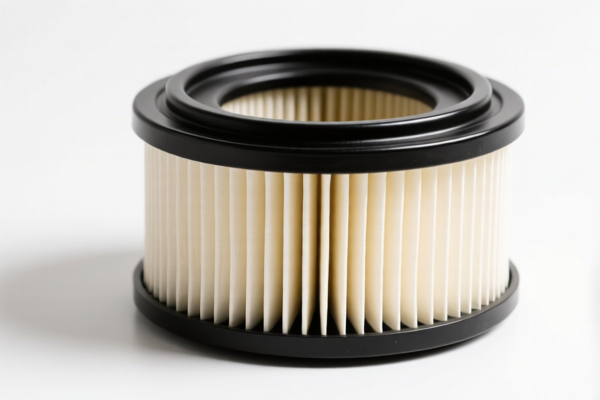
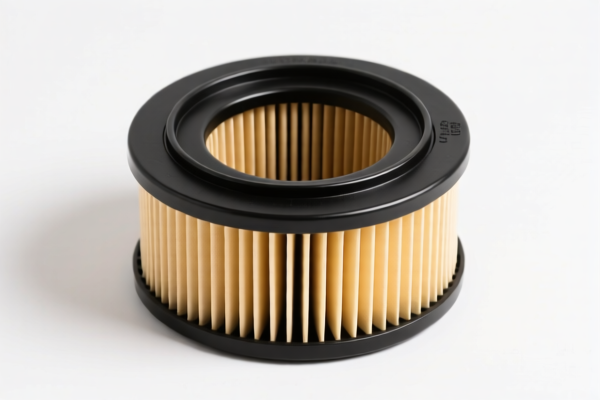
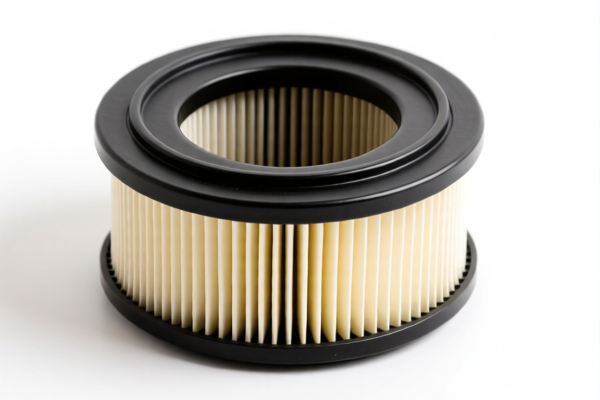
Product Images
AI Analysis
⛽ Gasoline Anti-Knock Agents (Anti-Knock Agents)
🌐 HS Code Reference & Customs Clearance Guide | 2026 Tariff Structure Analysis | Professional Clearance Strategy for US Imports from China
📌 I. Product Definition & Classification: Understanding "Gasoline Anti-Knock Agents"
Gasoline Anti-Knock Agents are chemical additives used in petroleum refining and blending to improve the octane rating of gasoline and prevent engine knocking (premature combustion). Common types include Methyl Tert-Butyl Ether (MTBE), Ethyl Tert-Butyl Ether (ETBE), and other oxygenates or esters.
In international trade, these products are classified based on their chemical composition and intended use. Misclassification is a major risk, as the HS Code determines not only the base tariff but also exposure to additional trade remedies (Section 301, Section 232, and IEEPA tariffs).
⚠️ Key Distinction:
- Chemical Specificity: If the product is a pure chemical compound (e.g., pure MTBE), it may fall under Chapter 29 (Organic Chemicals).
- Mixture/Preparation: If it is a formulated blend or a mixture with other substances, it falls under Chapter 38 (Miscellaneous Chemical Products).
- Oil-Based: If mixed with mineral oils, it may fall under Chapter 38.11 (Anti-Knock Preparations).
📦 II. HS Code Classification Details (2026 Latest Tariff Reference)
Based on the provided data, here are the five potential HS Codes for "Gasoline Anti-Knock Agent Preparations," along with the reasoning for each classification:
| HS Code | Product Description | Reason for Classification | Total Tax Rate | Tax Breakdown |
|---|---|---|---|---|
3811.19.00.00 |
Gasoline Anti-Knock Agent Preparations; Mineral oil-based additives | Classified as preparations containing mineral oil bases. This is a common category for bulk anti-knock additives mixed with hydrocarbon carriers. | 41.5% | Base: 6.5% Section 301 (122): 25.0% IEEPA: 10% |
3811.11.50.00 |
Gasoline Anti-Knock Agent Preparations; Specific Anti-Knock Use | Classified under subheading for anti-knock preparations where the primary function is defined by use rather than specific chemical structure. Often used for mixed formulations not strictly oil-based but functionally defined. | 35.0% | Base: 0.0% Section 301 (122): 25.0% IEEPA: 10% |
3824.99.49.00 |
Gasoline Anti-Knock Agent Preparations; Chemical Industry Preparations & Hydrocarbon Mixtures | Classified as miscellaneous chemical preparations or mixtures of hydrocarbons that do not fit more specific headings. Used for complex blends or non-standard formulations. | 41.5% | Base: 6.5% Section 301 (122): 25.0% IEEPA: 10% |
2909.19.18.00 |
Gasoline Anti-Knock Agent Preparations; Ethers of Mono-Alcohols | Inferred as ethers of mono-alcohols (e.g., MTBE, ETBE). This falls under Chapter 29 (Organic Chemicals) if the product is chemically defined as an ether. | 40.5% | Base: 5.5% Section 301 (122): 25.0% IEEPA: 10% |
2909.19.14.00 |
Gasoline Anti-Knock Agent Preparations; Main Component: Methyl Tert-Butyl Ether (MTBE) | Specifically identified if the primary component is MTBE, a common oxygenate. This is the most specific chemical classification for MTBE-based knock agents. | 40.5% | Base: 5.5% Section 301 (122): 25.0% IEEPA: 10% |
🔍 Critical Note:
- Section 301 (122): The 25% tariff is applied to most Chinese-origin goods under this list.
- IEEPA (10%): A 10% additional tariff applies to products of China, effective from November 10, 2025.
- Base Tariff Varies: The base tariff ranges from 0% (for 3811.11.50.00) to 6.5% (for 3811.19.00.00 and 3824.99.49.00). This is the only variable that differs significantly among these codes.
💰 III. 2026 Latest Tariff Rate Details (Including Additional Taxes)
✅ Applicable Country: United States (US)
✅ Country of Origin: China (CN)
✅ Effective Date: November 10, 2025 (and subsequent imports)
🎯 1. 3811.11.50.00 – Gasoline Anti-Knock Agent Preparations (Optimal Base Rate)
| Item | Detail |
|---|---|
| Base Tariff | 0.0% |
| USITC Section 301 Tariff | +25.0% (List 3/4a items, specific subheadings) |
| IEEPA Additional Tariff | +10.0% (China-origin goods) |
| Total Tariff Rate | 35.0% |
| Tax Calculation | CIF Value × 35% |
| De Minimis Exemption | ❌ Not Eligible (Denied for Section 301/IEEPA goods) |
| Legal Basis Path | IEEPA:9903.01.25 → USITC:3811.11.50.00 → FOOTNOTE:9903.88.01 |
📌 Explanation:
- This code offers the lowest total tariff (35%) among the listed options due to the 0% base rate.
- It applies to anti-knock preparations specifically designated under this subheading.
- Strategy: If your product qualifies as a general anti-knock preparation (not a pure chemical ether), this is the most cost-effective classification.
🎯 2. 3811.19.00.00 & 3824.99.49.00 – Mineral Oil-Based or Misc. Chemical Preparations
| Item | Detail |
|---|---|
| Base Tariff | 6.5% |
| USITC Section 301 Tariff | +25.0% |
| IEEPA Additional Tariff | +10.0% |
| Total Tariff Rate | 41.5% |
| Tax Calculation | CIF Value × 41.5% |
| De Minimis Exemption | ❌ Not Eligible |
| Legal Basis Path | IEEPA:9903.01.25 → USITC:3811.19.00.00 / 3824.99.49.00 → FOOTNOTE:9903.88.01 |
📌 Explanation:
- These codes incur a higher base tariff (6.5%), leading to a 41.5% total tax.
- Use only if the product is clearly a mineral oil mixture (3811.19.00.00) or a miscellaneous chemical preparation (3824.99.49.00) and does not qualify for 3811.11.50.00.
🎯 3. 2909.19.18.00 & 2909.19.14.00 – Ethers of Mono-Alcohols (MTBE)
| Item | Detail |
|---|---|
| Base Tariff | 5.5% |
| USITC Section 301 Tariff | +25.0% |
| IEEPA Additional Tariff | +10.0% |
| Total Tariff Rate | 40.5% |
| Tax Calculation | CIF Value × 40.5% |
| De Minimis Exemption | ❌ Not Eligible |
| Legal Basis Path | IEEPA:9903.01.25 → USITC:2909.19.14.00 / 2909.19.18.00 → FOOTNOTE:9903.88.01 |
📌 Explanation:
- These codes apply to pure chemical ethers like MTBE or other mono-alcohol ethers.
- The base tariff is 5.5%, resulting in a 40.5% total tax.
- Strategy: Use only if the product is a chemically pure ether (e.g., >95% MTBE) and not a formulated mixture. If it’s a blend, Chapter 29 classification may be challenged by customs.
🛠️ IV. Customs Clearance Practical Advice (Pitfall Avoidance Guide)
✅ 1. Document Checklist (Mandatory)
| Document | Required | Notes |
|---|---|---|
| ✅ Certificate of Analysis (CoA) | ✔️ | Must specify chemical composition (e.g., % MTBE, % other ethers, presence of mineral oil). |
| ✅ Formula/Composition Sheet | ✔️ | Critical for distinguishing between Chapter 29 (pure chemicals) and Chapter 38 (mixtures/preparations). |
| ✅ Product Label & Photos | ✔️ | Must show "Gasoline Additive," "Anti-Knock Agent," and safety info. |
| ✅ Commercial Invoice | ✔️ | Clearly state "Preparation" vs. "Chemical." |
| ✅ Packing List | ✔️ | Detail net/gross weight and packaging type. |
| ✅ Safety Data Sheet (SDS) | ✔️ | Required for hazardous materials handling. |
✅ 2. Declaration Strategy (Key Tips)
🔥 "Know Your Chemistry, Choose Your Chapter!"
| Scenario | Recommended HS Code | Risk if Wrong |
|---|---|---|
| Pure MTBE (Chemical) | 2909.19.14.00 |
Misclassified as 3811 → Potential audit for "preparation" vs. "chemical." |
| Blended Anti-Knock (Oil-Based) | 3811.19.00.00 |
Misclassified as 2909 → Customs may reject "chemical" claim. |
| General Anti-Knock Preparation | 3811.11.50.00 |
Best Rate (35%). Use if it’s a formulated blend not strictly oil-based. |
| Miscellaneous Hydrocarbon Mix | 3824.99.49.00 |
Use if it doesn’t fit 3811 or 2909. Higher tax (41.5%). |
📌 Warning:
- Do not use "De Minimis" (Section 321) for anti-knock agents from China. All these codes are excluded from de minimis exemptions due to Section 301 and IEEPA tariffs.
- Accurate Chemical Description is vital. If you declare "MTBE" but the product is a mixture, customs may reassess to Chapter 38, leading to penalties.
✅ 3. Special Cases
| Case | Handling Advice |
|---|---|
| OEM Blended Additives | Provide detailed formulation. If the primary component is MTBE but it’s blended, try to argue for 3811.11.50.00 if possible, but be prepared to justify. |
| Pure Chemical Import | Use Chapter 29 codes (2909.19.14.00). Ensure CoA proves purity. |
| Mineral Oil Carrier | Must use Chapter 38 codes (3811.19.00.00). Do not misclassify as pure chemicals. |
🌍 V. Global Market Comparison (2026 Update)
| Market | Recommended HS Code | Estimated Tariff (China Origin) | Notes |
|---|---|---|---|
| 🇺🇸 USA | 3811.11.50.00 |
35.0% | Lowest total rate. Section 301 + IEEPA apply. |
| 🇨🇳 China | 2909.19.14.00 (MTBE) |
~5-10% | Domestic production may have different duties. |
| 🇪🇺 EU | 3811.10.00 |
~6.5% | No Section 301 equivalents. IEEPA does not apply. |
| 🇯🇵 Japan | 2909.19.00 |
~5-6% | Check specific FTAs for exemptions. |
📌 Conclusion:
- USA has the highest effective tariff due to additional layers (Section 301 + IEEPA).
- Chapter 38 (3811.11.50.00) is the most cost-effective for formulated anti-knock agents (35%).
- Chapter 29 (2909.19.14.00) is slightly more expensive (40.5%) but may be required for pure chemicals.
📌 VI. Common Mistakes & Pitfalls
❌ Mistake 1: Declaring "MTBE" as 2909.19.14.00 when it’s actually a blended formulation.
👉 Consequence: Customs may reclassify to 3811.19.00.00 (41.5%) or impose penalties for misdeclaration.
❌ Mistake 2: Attempting to use De Minimis for shipments under $800.
👉 Consequence: Shipment held or seized. All anti-knock agents from China are subject to IEEPA/Section 301 tariffs, which override de minimis.
❌ Mistake 3: Ignoring the 10% IEEPA tariff.
👉 Consequence: Underpayment of duties. The 10% IEEPA tariff is in addition to Section 301. Total tax is not just 25%, but 35-41.5%.
🎯 VII. Conclusion: Professional Declaration, Cost Optimization
🎯 Key Takeaway:
🔹 "Preparation over Pure: Aim for 3811.11.50.00 (35%)."
🔹 "Pure MTBE? 2909.19.14.00 (40.5%)."
🔹 "No De Minimis! Budget for Full Tariffs."📌 Pro Tip:
If you are importing formulated anti-knock agents (blends), aggressively pursue classification under3811.11.50.00to save 5-6.5% compared to other codes. Ensure your CoA supports this classification.
📣 Immediate Action:
📞 Consult a Customs Broker: Provide your Formula Sheet and CoA.
📋 Apply for Advance Ruling: If possible, secure a binding decision from CBP.
💡 Cost Calculation: Factor in 35-41.5% total duties + freight + insurance.
✨ Precise Classification Saves Money!
💼 Don’t Let Misclassification Eat Your Margins!
Customer Reviews
About HS Code Classification
The Harmonized System (HS) is an internationally standardized nomenclature developed by the World Customs Organization (WCO) to classify traded products. Over 200 countries use the HS system as the basis for customs tariffs, trade statistics, and import/export regulations.
Each HS code follows a hierarchical structure:
- Chapter (2 digits) — Broad category of goods (e.g., Chapter 84: Machinery and Mechanical Appliances)
- Heading (4 digits) — More specific grouping within the chapter
- Subheading (6 digits) — Internationally standardized breakdown, used by all WCO member countries
- National subdivisions (8-10 digits) — Country-specific extensions for further classification, such as US HTSUS 10-digit codes
Correct HS code classification is essential for smooth customs clearance, accurate duty payment, and compliance with trade regulations. Misclassification can lead to customs delays, overpayment of duties, or penalties.
When importing from CN to US, the applicable tariff rates may include:
- Most-Favored-Nation (MFN) rate — The standard duty rate applied to WTO members
- General rate — Applied to countries without trade agreements
- Trade remedy duties — Additional tariffs such as Section 301 (anti-dumping), Section 232 (national security), or countervailing duties
The information provided on this page is for reference purposes only. For official classification, please consult with your local customs authority or a licensed customs broker.