Gasoline Oxidation Inhibitor
CN → US| HS Code | Tariff Rate | Origin | Destination | Doc |
|---|---|---|---|---|
| 3811190000 | 41.5% | CN | US | Official Doc |
| 3824992900 | 41.5% | CN | US | Official Doc |
| 3824994900 | 41.5% | CN | US | Official Doc |
| 3824994140 | 39.6% | CN | US | Official Doc |
| 3824994190 | 39.6% | CN | US | Official Doc |
Product Images

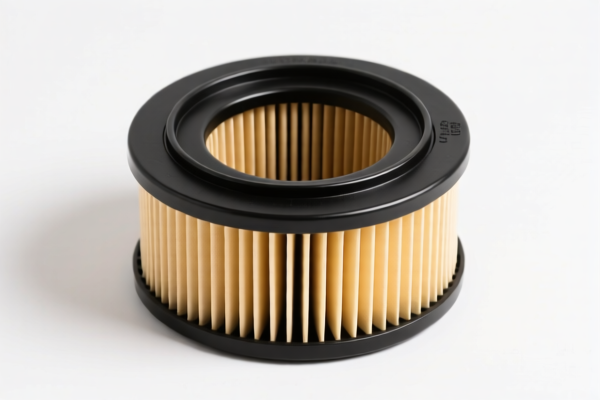
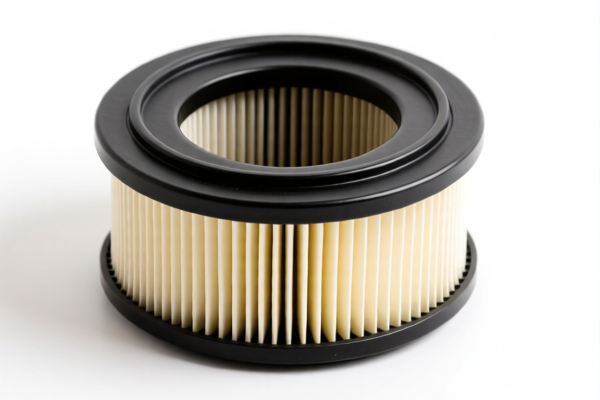
AI Analysis
🧪 Gasoline Oxidation Inhibitors (Fuel Additives & Chemical Preparations)
🌐 HS Code Reference & Customs Clearance Guide | 2026 Latest Tariff Analysis | Professional Logistics Strategy
📌 I. Product Definition & Classification: Do You Really Know "Gasoline Oxidation Inhibitors"?
Gasoline Oxidation Inhibitors are critical chemical additives used in internal combustion engines to prevent the degradation of fuel. In international trade, their classification depends heavily on their primary function and chemical composition.
They generally fall into two main categories: 1. Mineral Oil/Fuel Additives: Products specifically formulated as anti-knock agents or oxidation inhibitors for fuel blending. 2. Chemical Preparations: Complex mixtures of organic compounds, fatty acid esters, or other chemical substances used in the chemical industry for stabilization purposes.
⚠️ Key Distinction Point:
- If the product is defined by its function as a fuel additive (anti-knock/oxidation inhibitor) → It often aligns with Chapter 38 (Miscellaneous Chemical Products), specifically under mineral oil/fuel additives definitions.
- If the product is defined by its chemical nature (e.g., fatty acid esters, generic chemical mixtures) → It may align with other chemical preparations under HS 3824.
📦 II. HS Code Classification Details (2026 Latest Tariff Authority Cross-Reference)
| HS Code | Product Description | Application Scenario | Classification Logic |
|--------|--------------------------|--------------------------|
| 3811.19.00.00 | Gasoline Oxidation Inhibitors (Fuel Additives) | Fuel blending, anti-knock agents, oxidation inhibitors for motor fuel | 🛢️ Mineral Oil/Fuel Additive Category |
| 3824.99.29.00 | Other Chemical Preparations | General chemical mixtures, non-specific fuel additives | 🧪 General Chemical Preparation Category |
| 3824.99.49.00 | Chemical Preparations (Hydrocarbon-based) | Chemical industry products, main components are hydrocarbons or organic compounds | 🧬 Hydrocarbon/Organic Compound Category |
| 3824.99.41.40 | Oleic Acid Antioxidants (Fatty Acid Esters) | Mixture of fatty acid esters, chemical products containing fatty acid components | 🌿 Fatty Acid Ester Category |
| 3824.99.41.90 | Oleic Acid Antioxidants (Animal/Plant Source) | Antioxidants derived from animal or plant fats, chemical industrial preparations | 🌱 Natural Origin Chemical Category |
🔍 Key Reminder:
- The classification hinges on whether the product is marketed primarily as a fuel additive (3811) or a general chemical preparation (3824).
- Specific sub-types like Oleic Acid Antioxidants have dedicated sub-headings under3824.99.41due to their distinct chemical origin (fatty acids).
💰 III. 2026 Latest Tariff Rate Detailed Explanation (Including Surtaxes & Policy Add-ons)
✅ Applicable Country: United States (US)
✅ Origin: China (CN)
✅ Effective Date: 2025+ (Including subsequent imports)
🎯 1. 3811.19.00.00 —— Gasoline Oxidation Inhibitors (Fuel Additives)
| Item | Content |
|---|---|
| Base Tariff | 6.5% |
| Section 301 Surtax | +25.0% |
| 122 Clause Tariff | +10.0% |
| Total Tariff Rate | 41.5% |
| Tax Calculation | CIF Value × 41.5% |
| De Minimis Exemption? | ❌ No (Subject to full duty assessment) |
| Legal Basis Path | Base Rate (6.5%) → Section 301 (25%) → 122 Clause (10%) |
📌 Explanation:
- Base Tariff (6.5%): Standard Most-Favored-Nation (MFN) rate for miscellaneous chemical products/fuel additives.
- Section 301 Surtax (25%): Applied under US Trade Law Section 301 against Chinese imports.
- 122 Clause Tariff (10%): Additional tariff imposed under specific executive orders/clauses targeting Chinese industrial chemicals.
- Total: 41.5%. This is a high-duty category. Accurate classification is crucial to avoid misdeclaration penalties.
🎯 2. 3824.99.29.00 —— Other Chemical Preparations
| Item | Content |
|---|---|
| Base Tariff | 6.5% |
| Section 301 Surtax | +25.0% |
| 122 Clause Tariff | +10.0% |
| Total Tariff Rate | 41.5% |
| Tax Calculation | CIF Value × 41.5% |
| De Minimis Exemption? | ❌ No |
| Legal Basis Path | Base Rate (6.5%) → Section 301 (25%) → 122 Clause (10%) |
📌 Note:
- Same tariff structure as fuel additives if classified under this general chemical bucket.
- Used for products that don't fit specific fuel additive definitions but are still chemical mixtures.
🎯 3. 3824.99.49.00 —— Chemical Preparations (Hydrocarbon-based)
| Item | Content |
|---|---|
| Base Tariff | 6.5% |
| Section 301 Surtax | +25.0% |
| 122 Clause Tariff | +10.0% |
| Total Tariff Rate | 41.5% |
| Tax Calculation | CIF Value × 41.5% |
| De Minimis Exemption? | ❌ No |
| Legal Basis Path | Base Rate (6.5%) → Section 301 (25%) → 122 Clause (10%) |
📌 Note:
- Applies to products where the primary component is hydrocarbon-based or organic compounds used in chemical industries.
- Still subject to the full 41.5% duty burden.
🎯 4. 3824.99.41.40 —— Oleic Acid Antioxidants (Fatty Acid Esters)
| Item | Content |
|---|---|
| Base Tariff | 4.6% |
| Section 301 Surtax | +25.0% |
| 122 Clause Tariff | +10.0% |
| Total Tariff Rate | 39.6% |
| Tax Calculation | CIF Value × 39.6% |
| De Minimis Exemption? | ❌ No |
| Legal Basis Path | Base Rate (4.6%) → Section 301 (25%) → 122 Clause (10%) |
📌 Note:
- Slightly Lower Total Rate: Due to a lower base tariff (4.6% vs 6.5%), the total duty is 39.6%.
- Applies specifically to products defined as mixtures of fatty acid esters or containing fatty acid components.
🎯 5. 3824.99.41.90 —— Oleic Acid Antioxidants (Animal/Plant Source)
| Item | Content |
|---|---|
| Base Tariff | 4.6% |
| Section 301 Surtax | +25.0% |
| 122 Clause Tariff | +10.0% |
| Total Tariff Rate | 39.6% |
| Tax Calculation | CIF Value × 39.6% |
| De Minimis Exemption? | ❌ No |
| Legal Basis Path | Base Rate (4.6%) → Section 301 (25%) → 122 Clause (10%) |
📌 Note:
- Same lower total rate (39.6%) as above.
- Applies to antioxidants derived from animal or plant fats, used in chemical industrial preparations.
🛠️ IV. Customs Clearance Practical Advice (Real-World Pitfall Avoidance Guide)
✅ 1. Documentation Checklist (All Items Required)
| Document | Required? | Notes |
|---|---|---|
| ✅ Product Specification Sheet | ✔️ | Must detail chemical composition, CAS numbers, and primary function (e.g., "Oxidation Inhibitor for Gasoline"). |
| ✅ Safety Data Sheet (SDS) | ✔️ | Critical for chemical classification and hazardous material determination. |
| ✅ Chemical Formula/Structure | ✔️ | To distinguish between hydrocarbon-based (3824.99.49) vs. fatty acid esters (3824.99.41). |
| ✅ Commercial Invoice | ✔️ | Must explicitly state the product name and HS Code. Avoid vague terms like "Chemical". |
| ✅ Certificate of Origin (CO) | ✔️ | To verify Chinese origin for surtax application. |
| ✅ Packing List | ✔️ | Detail net/gross weight, volume, and packaging type. |
✅ 2. Declaration Tips (Key Mantra)
🔥 “Function First, Composition Second, Name Precise, Duty Predictable!”
| Scenario | Correct Declaration | Wrong Approach |
|---|---|---|
| Standard Gasoline Additive | 3811.19.00.00Name: "Gasoline Oxidation Inhibitor" |
Misdeclare as "General Chemical" → Audit risk |
| Oleic Acid Based Antioxidant | 3824.99.41.40 or .90Name: "Oleic Acid Antioxidant" |
Misdeclare as general additive → Incorrect duty rate |
| Hydrocarbon Mixture | 3824.99.49.00Name: "Hydrocarbon-based Chemical Preparation" |
Use vague terms → Customs classification dispute |
| Mixed Packaging | Declare as Single Item | Split into parts → Higher administrative burden & potential errors |
✅ 3. Special Cases Handling
| Scenario | Handling Advice |
|---|---|
| OEM Custom Additives | Provide client order + technical datasheet. Prove if it's primarily a fuel additive or a general chemical. |
| Multi-Function Additives | If it has both anti-knock and antioxidant properties, 3811.19.00.00 is often the most direct fit for fuel applications. |
| Natural vs. Synthetic Oleic Acid | Clearly label in documentation. Natural/Plant-derived → 3824.99.41.90. Synthetic/Fatty Acid Ester mixture → 3824.99.41.40. |
| Hazardous Chemicals | If the product is classified as hazardous, additional EPA/ DOT regulations may apply beyond HS Codes. |
🌍 V. Global Market Clearance Comparison (2026 Latest)
| Country/Region | Recommended HS Code | Tariff (China Origin) | Certification Requirements | Notes |
|---|---|---|---|---|
| 🇺🇸 USA | 3811.19.00.00 / 3824.99.29.00 / 3824.99.41.x0 |
39.6% - 41.5% | EPA Registration (if applicable), SDS | High surtaxes apply. |
| 🇨🇳 China | 3811.19.00.00 / 3824.99.29.00 |
~4.6% - 6.5% | GB Standards | No Section 301 or 122 Clause. |
| 🇪🇺 EU | 3811.10.00 / 3824.99 |
~6.5% - 10% | REACH Registration | Lower surtaxes, but REACH compliance is strict. |
| 🇦🇺 Australia | 3811.10.00 / 3824.99 |
~5% - 6.5% | AICIS (Australian Industrial Chemicals Introduction Scheme) | Check AICIS status for chemical imports. |
📌 Conclusion:
- USA is the most expensive market due to Section 301 and 122 Clause tariffs.
- Base Duty Variance: Choosing the correct sub-code under3824.99.41can save 1.9% (4.6% base vs 6.5% base).
- EU/Australia: Focus more on chemical registration (REACH/AICIS) than tariff avoidance.
📌 VI. Common Mistakes & Pitfall Guide (Blood & Tears Lessons)
❌ Mistake 1: Declaring "Fuel Additive" for all products, ignoring chemical composition.
👉 Consequence: If it's an oleic acid antioxidant, misclassification can lead to audit and back-duties.
✅ Fix: Use precise chemical names (e.g., "Oleic Acid Antioxidant") and correct HS codes.
❌ Mistake 2: Ignoring the 122 Clause Tariff.
👉 Consequence: Underpaying by 10%. Customs will issue a demand for payment + penalties.
✅ Fix: Always include the 122 Clause surtax in cost calculations for Chinese-origin goods.
❌ Mistake 3: Vague Product Description ("Chemical Mixture").
👉 Consequence: Customs delays, request for additional info, potential reclassification.
✅ Fix: Use detailed descriptions: "Gasoline Oxidation Inhibitor, Hydrocarbon-based, CAS #XXXX-XX-X".
❌ Mistake 4: Confusing "Fuel Additive" with "General Chemical".
👉 Consequence: If it's primarily for fuel, 3811 is more appropriate. If it's a general industrial chemical, 3824 is better.
✅ Fix: Consult technical specs to determine primary use.
🎯 VII. Conclusion: Professional Declaration, Time-Saving, Cost-Effective!
🎯 Remember the Mantra:
🔹 "Function Defines Fuel, Composition Defines Chemical, Name Must Be Precise, Duty Will Be Predictable!"
🔹 "41.5% is the Standard, 39.6% is the Fatty Acid Edge, Don't Underpay, Don't Delay!"
📌 Pro Tip:
- For Oleic Acid Based products, ensure your supplier provides clear documentation on whether it's from animal/plant sources or synthetic esters to lock in the 39.6% rate.
- Always request Pre-Ruling (Advance Ruling) from CBP if your product is a unique mixture. This provides legal certainty before shipment.
📣 Immediate Action:
📞 Contact Professional Customs Broker + Provide Technical Data Sheet + Apply for HS Code Pre-Ruling
🚀 Ensure your Gasoline Oxidation Inhibitors clear customs smoothly, efficiently, and profitably!
✨ Professional Clearance Starts with Accurate Classification!
💼 Every Cent of Duty Costs is Worth Calculating Precisely!
Customer Reviews
About HS Code Classification
The Harmonized System (HS) is an internationally standardized nomenclature developed by the World Customs Organization (WCO) to classify traded products. Over 200 countries use the HS system as the basis for customs tariffs, trade statistics, and import/export regulations.
Each HS code follows a hierarchical structure:
- Chapter (2 digits) — Broad category of goods (e.g., Chapter 84: Machinery and Mechanical Appliances)
- Heading (4 digits) — More specific grouping within the chapter
- Subheading (6 digits) — Internationally standardized breakdown, used by all WCO member countries
- National subdivisions (8-10 digits) — Country-specific extensions for further classification, such as US HTSUS 10-digit codes
Correct HS code classification is essential for smooth customs clearance, accurate duty payment, and compliance with trade regulations. Misclassification can lead to customs delays, overpayment of duties, or penalties.
When importing from CN to US, the applicable tariff rates may include:
- Most-Favored-Nation (MFN) rate — The standard duty rate applied to WTO members
- General rate — Applied to countries without trade agreements
- Trade remedy duties — Additional tariffs such as Section 301 (anti-dumping), Section 232 (national security), or countervailing duties
The information provided on this page is for reference purposes only. For official classification, please consult with your local customs authority or a licensed customs broker.