Gasoline Rust Preventive Agent
CN → US| HS Code | Tariff Rate | Origin | Destination | Doc |
|---|---|---|---|---|
| 3403191000 | 35.2% | CN | US | Official Doc |
| 3403195000 | 40.8% | CN | US | Official Doc |
| 3811210000 | 41.5% | CN | US | Official Doc |
| 3824992900 | 41.5% | CN | US | Official Doc |
| 3824994900 | 41.5% | CN | US | Official Doc |
Product Images
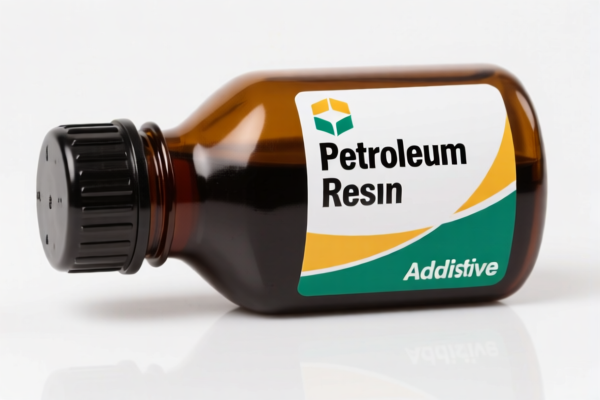

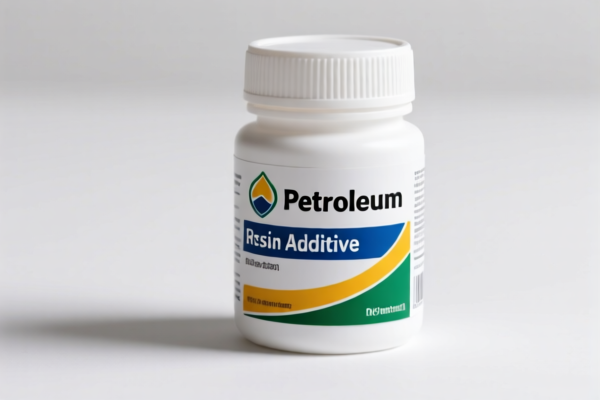
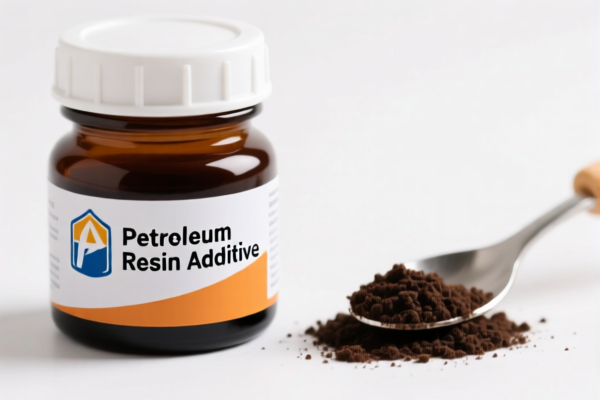
AI Analysis
🛢️ Gasoline Rust Preventive Agent
🌐 HS Code Reference & Customs Clearance Guide | 2026 Latest Tariff Analysis | Professional-Level Compliance Strategy
📌 I. Product Definition & Classification: What Exactly is a "Gasoline Rust Preventive Agent"?
A Gasoline Rust Preventive Agent is a specialized chemical formulation added to gasoline fuel systems to prevent corrosion (rusting) of internal metal components, such as fuel tanks, fuel lines, and carburetors/injectors. Unlike engine oils, these agents are designed to be soluble or dispersible in hydrocarbon-based fuels.
In international trade, they are primarily classified under Chapter 34 (Oils, Fats, Waxes) or Chapter 38 (Miscellaneous Chemical Products), depending on their primary function (lubrication vs. general chemical preparation) and composition.
⚠️ Key Distinction Point:
- If the product is primarily a lubricant additive (protecting moving parts via oil-based film) → HS 3811 or HS 3403.
- If the product is a general chemical rust inhibitor (forming a protective barrier without significant lubricating function) → HS 3824.
📦 II. HS Code Classification Details (2026 Latest Tariff Authority Comparison)
Based on the provided data, here are the five most likely HS Codes for classification:
| HS Code | Product Description | Application Scenario | Classification Logic |
|---|---|---|---|
3403.19.10.00 |
Other lubricating preparations, containing petroleum oils or oils obtained from bituminous minerals, other than those containing more than 70% by weight of such oils | Lubricant additives, rust preventives with mineral oil base | Primary Logic: Explicitly classified as "Rust Preventive" with inferred petroleum/mineral oil content (compatible with hydraulic fuel additives). |
3403.19.50.00 |
Other lubricating preparations, containing petroleum oils or oils obtained from bituminous minerals, other than those containing more than 70% by weight of such oils | General rust/corrosion preventive agents | Primary Logic: Matches the "Rust or Anti-corrosive preparation" usage. Assumes mineral oil base common in fuel additives. |
3811.21.00.00 |
Additives for mineral oils (other than lubricating oils) | Lubricant additives, specifically for mineral oil liquids | Primary Logic: Classified as an "Additive for Mineral Oil Liquids". Since gasoline is a mineral oil derivative, this fits the category of lubrication/fuel system additives. |
3824.99.29.00 |
Other chemical products and preparations, not elsewhere specified or included | General chemical rust inhibitors (Catch-all category) | Primary Logic: Classified as a "Chemical Preparation" without a more specific heading. Assumes it is a chemical mixture not primarily defined by lubrication standards. |
3824.99.49.00 |
Mixtures of hydrocarbons, other than petroleum oils | Chemical rust preventives based on hydrocarbons | Primary Logic: Classified under "Mixtures of Hydrocarbons". Assumes the rust preventer is primarily composed of hydrocarbon chains (petroleum-derived) forming a protective layer. |
🔍 Key Takeaway:
- HS 3403 and 3811 treat the product as a lubricating/fuel system additive (often lower base duty but high surcharges).
- HS 3824 treats it as a general chemical preparation (often higher base duty).
- The choice depends on whether Customs views the product as a lubricant additive or a general chemical inhibitor.
💰 III. 2026 Latest Tariff Rate Details (Including Surcharges & Policy Add-ons)
✅ Applicable Country: United States (US)
✅ Country of Origin: China (CN)
✅ Effective Date: November 10, 2025 (and subsequent imports)
⚠️ Note: All rates below include Base Tariff + Section 301 (25%) + Section 122/IEEPA (10%).
🎯 1. 3403.19.10.00 —— Lubricating Preparations (Rust Preventive, Mineral Oil Based)
| Item | Content |
|---|---|
| Base Tariff | 0.2% (ad valorem) |
| Section 301 Surcharge | +25.0% |
| IEEPA/Section 122 Surcharge | +10.0% |
| Total Effective Rate | 35.2% |
| Tax Calculation | CIF Value × 35.2% |
| De Minimis Eligibility | ❌ Not Eligible (deny_de_minimis) |
| Legal Basis Path | IEEPA:9903.01.25 → USITC:3403.19.10.00 → SECTION 301: 25% |
📌 Explanation:
- This code has the lowest base tariff (0.2%), but still bears the full brunt of trade war surcharges. - Suitable if the product is explicitly marketed as a "lubricating preparation" or "rust preventive" with clear mineral oil content.
🎯 2. 3403.19.50.00 —— Other Lubricating Preparations (Mineral Oil Based)
| Item | Content |
|---|---|
| Base Tariff | 5.8% |
| Section 301 Surcharge | +25.0% |
| IEEPA/Section 122 Surcharge | +10.0% |
| Total Effective Rate | 40.8% |
| Tax Calculation | CIF Value × 40.8% |
| De Minimis Eligibility | ❌ Not Eligible |
| Legal Basis Path | IEEPA:9903.01.25 → USITC:3403.19.50.00 → SECTION 301: 25% |
📌 Note:
- Slightly higher base duty than3403.19.10.00.
- Used if the "Mineral Oil" content is present but doesn't meet the specific sub-heading criteria for10.00(e.g., different concentration or formulation details).
🎯 3. 3811.21.00.00 —— Additives for Mineral Oils
| Item | Content |
|---|---|
| Base Tariff | 6.5% |
| Section 301 Surcharge | +25.0% |
| IEEPA/Section 122 Surcharge | +10.0% |
| Total Effective Rate | 41.5% |
| Tax Calculation | CIF Value × 41.5% |
| De Minimis Eligibility | ❌ Not Eligible |
| Legal Basis Path | IEEPA:9903.01.25 → USITC:3811.21.00.00 → SECTION 301: 25% |
📌 Note:
- Classified as an "Additive for Mineral Oils".
- If your product is strictly an additive (not a lubricant itself) but for mineral-based fuels/oils, this is a strong candidate.
- Highest total rate among the 3403/3811 cluster.
🎯 4. 3824.99.29.00 —— Other Chemical Preparations (Catch-all)
| Item | Content |
|---|---|
| Base Tariff | 6.5% |
| Section 301 Surcharge | +25.0% |
| IEEPA/Section 122 Surcharge | +10.0% |
| Total Effective Rate | 41.5% |
| Tax Calculation | CIF Value × 41.5% |
| De Minimis Eligibility | ❌ Not Eligible |
| Legal Basis Path | IEEPA:9903.01.25 → USITC:3824.99.29.00 → SECTION 301: 25% |
📌 Note:
- Used if the product is deemed a "Chemical Preparation" rather than a lubricant/additive.
- Often applied when the product doesn't fit neatly into lubrication categories.
🎯 5. 3824.99.49.00 —— Mixtures of Hydrocarbons
| Item | Content |
|---|---|
| Base Tariff | 6.5% |
| Section 301 Surcharge | +25.0% |
| IEEPA/Section 122 Surcharge | +10.0% |
| Total Effective Rate | 41.5% |
| Tax Calculation | CIF Value × 41.5% |
| De Minimis Eligibility | ❌ Not Eligible |
| Legal Basis Path | IEEPA:9903.01.25 → USITC:3824.99.49.00 → SECTION 301: 25% |
📌 Note:
- Specific to hydrocarbon mixtures.
- If the rust preventer is purely a hydrocarbon-based protective film (not an additive for oils), this may apply.
🛠️ IV. Customs Clearance Practical Advice (Avoiding Pitfalls)
✅ 1. Required Documentation Checklist (Mandatory)
| Document | Required? | Notes |
|---|---|---|
| ✅ Product Specification Sheet | ✔️ | Must detail chemical composition (percentages of hydrocarbons, additives, water content). |
| ✅ MSDS (Material Safety Data Sheet) | ✔️ | Critical for HazMat classification. Must specify if it's flammable or corrosive. |
| ✅ Product Photographs | ✔️ | Show labeling, usage instructions, and container type. |
| ✅ Commercial Invoice | ✔️ | Must clearly state: "Gasoline Rust Preventive Agent" – avoid vague terms like "Chemical Mix". |
| ✅ Certificate of Origin (CO) | ✔️ | Essential for determining origin-based surcharges. |
| ✅ Third-Party Test Report | ✔️ | Proof of function (rust prevention efficacy) and composition analysis. |
| ✅ Packing List | ✔️ | Detail net/gross weight, volume, and packaging material. |
✅ 2. Declaration Strategy (Critical Tips)
🔥 “Define Function, Declare Composition, Avoid Ambiguity!”
| Scenario | Correct Declaration | Incorrect Declaration |
|---|---|---|
| Primary Function is Lubrication/Rust Prevention | "Rust Preventive Agent for Fuel Systems" | "Industrial Cleaner" or "General Chemical" |
| Mineral Oil Content > 0% | Declare under 3403 or 3811 (Lubricant/Additive) | Declare under 3824 (General Chemical) if it misrepresents function |
| Hydrocarbon-Based Mixture | Declare under 3824.99.49.00 if it's a pure hydrocarbon film | Declare as "Solvent" if it doesn't clean |
| Unclear Composition | Provide Composition Breakdown in invoice | Leave blank or say "Unknown Chemical" → Seizure Risk |
⚠️ Warning:
- Do not declare as "Gasoline" or "Fuel" – it is an additive/preventive, not the fuel itself. - Do not under-declare value to avoid tariffs – CBP audits chemical imports frequently.
✅ 3. Special Cases Handling
| Case | Handling Advice |
|---|---|
| HazMat Classification | Check if the product is flammable (Class 3). If yes, ensure proper UN number and packaging certification. |
| EPA Registration | Some rust preventives may require EPA registration if they claim environmental benefits. Check TSCA compliance. |
| Sample Shipments | Even samples are subject to the 35.2%–41.5% tariff. Do not claim "no value" for samples. |
| Bulk vs. Retail | Bulk industrial shipments may have different packaging requirements for customs inspection. |
🌍 V. Global Market Comparison (2026 Latest)
| Country/Region | Recommended HS Code | Tariff Rate (China Origin) | Notes |
|---|---|---|---|
| 🇺🇸 USA | 3403.19.10.00 |
35.2% (Lowest Base) | High surcharges. Best to aim for 3403.19.10.00 if possible. |
| 🇨🇳 China | 3403.19.10.00 |
~5% | Lower base duty, no US surcharges. |
| 🇪🇺 EU | 3403.19.10.00 |
~0–6.5% | No Section 301/122 surcharges. Check REACH compliance. |
| 🇦🇺 Australia | 3403.19.10.00 |
~5% | Low duties. Check AICIS regulations. |
📌 Conclusion:
- The USA is the most expensive market due to Section 301 and IEEPA surcharges.
- EU and Australia offer significantly lower total tariffs if you can navigate their specific chemical regulations (REACH, AICIS).
📌 VI. Common Mistakes & Pitfalls (Lessons Learned)
❌ Mistake 1: Declaring as "Fuel Additive" when it is a "Rust Preventive"
👉 Consequence: May be misclassified under fuel codes (e.g., 2710) which have different surcharges or EPA requirements.
❌ Mistake 2: Ignoring Mineral Oil Content
👉 Consequence: If the product contains mineral oil, declaring it as a "general chemical" (3824) may lead to an audit and retroactive penalties.
❌ Mistake 3: Not Providing MSDS
👉 Consequence: Customs will hold the shipment for HazMat review, causing delays and storage fees.
❌ Mistake 4: Claiming De Minimis Exemption
👉 Consequence: Denied. All these HS codes are deny_de_minimis. You must pay tariffs even on small shipments.
✅ Correct Approach:
"Gasoline Rust Preventive Agent, Mineral Oil-Based, 100ml Bottle, For Internal Combustion Engine Fuel Systems, MSDS Attached, TSCA Compliant"
🎯 VII. Conclusion: Professional Declaration, Cost Efficiency, Risk Mitigation!
🎯 Key Takeaways:
🔹 "Function Defines Code, Composition Defines Duty" – If it lubricates/adds to oil, use 3403/3811. If it's a pure chemical film, use 3824.
🔹 "35.2% is the Best-Case Scenario" – Aim for3403.19.10.00to minimize the total tariff burden.
🔹 "No De Minimis" – Do not send small parcels hoping to avoid tariffs. Every shipment is taxed.
📌 Pro Tip:
If your product is originating from Vietnam, Mexico, or Thailand, you may apply for IEEPA Exemptions, reducing the effective tariff to 0%–5%.
Recommendation: Apply for a Binding Ruling from CBP before shipping to lock in the HS code and tariff rate.
📣 Immediate Action:
📞 Contact a licensed customs broker
📄 Prepare detailed MSDS and Composition Breakdown
🚀 Secure Pre-Ruling to avoid clearance delays and unexpected costs!
✨ Professional Customs Clearance Starts with Precise Classification!
💼 Every Dollar Saved in Tariffs is Pure Profit!
Customer Reviews
About HS Code Classification
The Harmonized System (HS) is an internationally standardized nomenclature developed by the World Customs Organization (WCO) to classify traded products. Over 200 countries use the HS system as the basis for customs tariffs, trade statistics, and import/export regulations.
Each HS code follows a hierarchical structure:
- Chapter (2 digits) — Broad category of goods (e.g., Chapter 84: Machinery and Mechanical Appliances)
- Heading (4 digits) — More specific grouping within the chapter
- Subheading (6 digits) — Internationally standardized breakdown, used by all WCO member countries
- National subdivisions (8-10 digits) — Country-specific extensions for further classification, such as US HTSUS 10-digit codes
Correct HS code classification is essential for smooth customs clearance, accurate duty payment, and compliance with trade regulations. Misclassification can lead to customs delays, overpayment of duties, or penalties.
When importing from CN to US, the applicable tariff rates may include:
- Most-Favored-Nation (MFN) rate — The standard duty rate applied to WTO members
- General rate — Applied to countries without trade agreements
- Trade remedy duties — Additional tariffs such as Section 301 (anti-dumping), Section 232 (national security), or countervailing duties
The information provided on this page is for reference purposes only. For official classification, please consult with your local customs authority or a licensed customs broker.