Gel Cushion
CN → US| HS Code | Tariff Rate | Origin | Destination | Doc |
|---|---|---|---|---|
| 9404909605 | 17.3% | CN | US | Official Doc |
| 3926902100 | 21.7% | CN | US | Official Doc |
| 9404909622 | 17.3% | CN | US | Official Doc |
| 4016990500 | 20.9% | CN | US | Official Doc |
| 4016100000 | 35.0% | CN | US | Official Doc |
Product Images
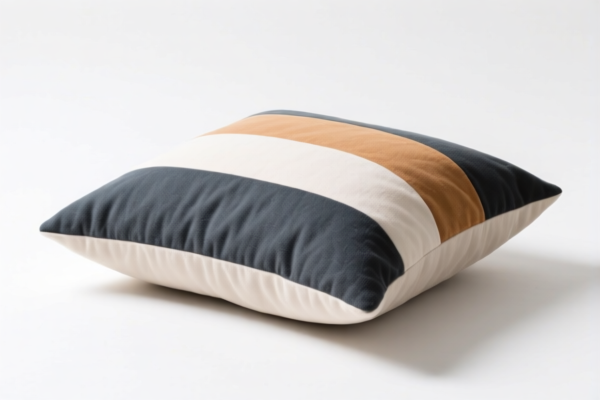

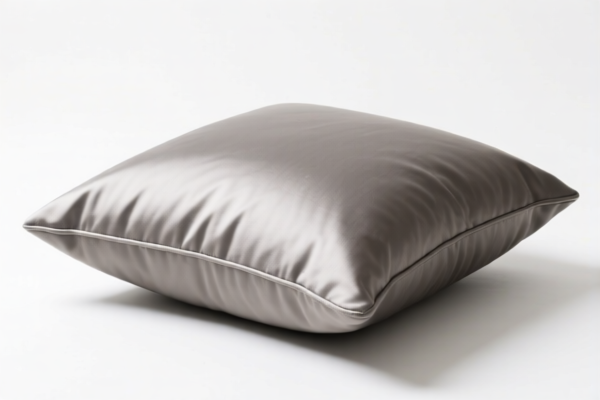
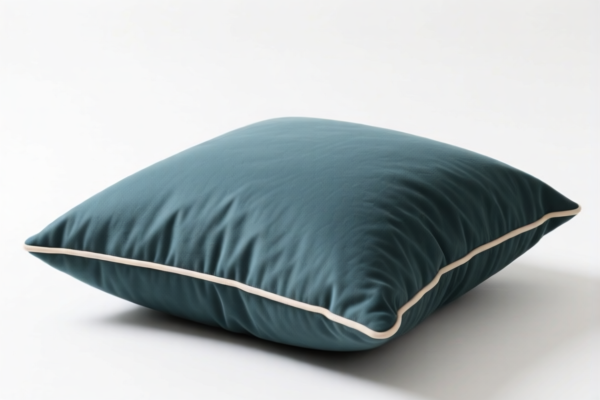
AI Analysis
🛋️ Gel Cushion (凝胶座垫/凝胶靠垫)
🌐 HS Code Reference & Customs Clearance Guide | 2026 Latest Tariff Analysis | Professional Clearance Strategy
📌 1. Product Definition & Classification: Do You Really Understand "Gel Cushions"?
Gel cushions are ergonomic support products used for pain relief, comfort, and posture correction in seating. In international trade, their classification depends heavily on material composition and primary use.
Key Distinction Points: - Textile/Non-Structural: If the gel is encapsulated within a fabric cover and serves primarily as a textile accessory → Chapter 94 (Furniture Accessories). - Plastic/Synthetic: If the structure is dominated by plastic/synthetic polymer materials → Chapter 39 (Plastics). - Rubber/Elastomer: If the gel is based on vulcanized rubber or elastic materials → Chapter 40 (Rubber).
⚠️ Critical Warning:
Misclassification can lead to massive tariff differences (from 17.3% to 35.0%). You must determine the primary material and exact physical form before declaring.
📦 2. HS Code Classification Details (2026 Latest Tariff Data from )
Based on the provided data, here are the four potential HS codes for Gel Cushions, ranked by typical usage scenarios:
| HS Code | Product Description & Logic | Primary Material | Key Use Case |
|---|---|---|---|
| 9404.90.96.05 | Matching Form & Use: Identified as a type of cushion; shell material can be cotton/textile. | Textile/Cotton (Shell) + Gel Core | Standard gel seat cushions, car seat pads, office chair pads with fabric covers. |
| 9404.90.96.22 | Form Matches: Belongs to mattress supports/backrests; material inferred to be honeycomb rubber or plastic. | Honeycomb Rubber / Plastic | Structural gel supports, medical-grade backrests, ergonomic seating inserts. |
| 4016.99.05.00 | Material Inferred: Classified as vulcanized rubber/elastomer; use fits household item cushion. | Vulcanized Rubber / Elastomer | High-density rubber-based gel cushions, industrial seating pads. |
| 3926.90.21.00 | Material Inferred: Plastic/synthetic polymer; form fits "other articles" category for cushions. | Plastic / Synthetic Polymer | Pure plastic gel-infused mats, synthetic polymer seating aids. |
| 4016.10.00.00 | Material Inferred: Gel falls under vulcanized rubber/elastomer; form fits other rubber articles. | Vulcanized Rubber | Heavy-duty rubber gel mats, non-textile industrial applications. |
🔍 Priority Recommendation:
For most commercial gel cushions (e.g., office, car, home use) with a fabric cover,9404.90.96.05is the most accurate and commonly accepted code. It has the lowest total tax rate (17.3%) among the plastic/rubber options.
💰 3. 2026 Latest Tariff Rate Breakdown (Detailed Tax Terms)
✅ Applicable Country: USA
✅ Origin: China (CN)
✅ Effective Time: 2025/2026 (Includes current regulations)
🎯 A. 9404.90.96.05 – Textile-Based Gel Cushions (Recommended)
| Item | Detail |
|---|---|
| Base Duty Rate | 7.3% |
| Section 301 Duty | 0.0% (No additional 25% tariff applied) |
| Section 122 Duty | 10% |
| Total Tax Rate | 17.3% |
| Tax Calculation | CIF Value × 17.3% |
| De Minimis Eligibility | ❌ Not Eligible (High tariff prevents de minimis exemption) |
| Legal Basis | 9404.90.96.05 → Section 122: 10% |
📌 Explanation:
- This is the most cost-effective classification for standard gel cushions with textile covers. - The 0% Section 301 tariff is a significant advantage over plastic/rubber classifications. - The 10% Section 122 duty is a specific surcharge applied to certain textile/furniture accessories from China.
🎯 B. 9404.90.96.22 – Rubber/Plastic Structural Cushions
| Item | Detail |
|---|---|
| Base Duty Rate | 7.3% |
| Section 301 Duty | 0.0% |
| Section 122 Duty | 10% |
| Total Tax Rate | 17.3% |
| Tax Calculation | CIF Value × 17.3% |
| De Minimis Eligibility | ❌ Not Eligible |
| Legal Basis | 9404.90.96.22 → Section 122: 10% |
📌 Explanation:
- Same tax rate as9404.90.96.05but applies to structural supports made of honeycomb rubber or plastic. - Suitable if the product is rigid or used as a backrest/mattress support rather than a soft seat pad.
🎯 C. 3926.90.21.00 – Plastic/Synthetic Polymer Cushions
| Item | Detail |
|---|---|
| Base Duty Rate | 4.2% |
| Section 301 Duty | 7.5% |
| Section 122 Duty | 10% |
| Total Tax Rate | 21.7% |
| Tax Calculation | CIF Value × 21.7% |
| De Minimis Eligibility | ❌ Not Eligible |
| Legal Basis | 3926.90.21.00 → Section 301: 7.5% + Section 122: 10% |
📌 Explanation:
- Higher total tax (21.7%) due to the 7.5% Section 301 tariff on plastic articles. - Only choose this if the product is 100% plastic/synthetic with no textile components.
🎯 D. 4016.99.05.00 – Rubber/Elastomer Cushions
| Item | Detail |
|---|---|
| Base Duty Rate | 3.4% |
| Section 301 Duty | 7.5% |
| Section 122 Duty | 10% |
| Total Tax Rate | 20.9% |
| Tax Calculation | CIF Value × 20.9% |
| De Minimis Eligibility | ❌ Not Eligible |
| Legal Basis | 4016.99.05.00 → Section 301: 7.5% + Section 122: 10% |
📌 Explanation:
- Total tax 20.9%. - Applies if the gel is vulcanized rubber-based and not covered by textile.
🎯 E. 4016.10.00.00 – Other Vulcanized Rubber Articles
| Item | Detail |
|---|---|
| Base Duty Rate | 0.0% |
| Section 301 Duty | 25.0% |
| Section 122 Duty | 10% |
| Total Tax Rate | 35.0% |
| Tax Calculation | CIF Value × 35.0% |
| De Minimis Eligibility | ❌ Not Eligible |
| Legal Basis | 4016.10.00.00 → Section 301: 25% + Section 122: 10% |
📌 Explanation:
- Highest tax rate (35.0%) due to the 25% Section 301 tariff on rubber articles. - Avoid this code unless the product is strictly a non-cushion rubber article (e.g., industrial rubber mat) and cannot be classified under Chapter 94.
🛠️ 4. Customs Clearance Practical Advice (Pitfall Avoidance Guide)
✅ 1. Preparation Checklist (Essential Documents)
| Document | Required | Purpose |
|---|---|---|
| ✅ Product Specification Sheet | ✔️ | Must specify: Material (Textile vs. Plastic vs. Rubber), Dimensions, Weight, Intended Use (Office, Car, Medical). |
| ✅ Product Photos | ✔️ | Clear images showing cover material (fabric weave vs. smooth plastic) and gel core if visible. |
| ✅ Bill of Materials (BOM) | ✔️ | Breakdown of layers: Outer fabric, gel layer, inner liner. Proves textile dominance for 9404.90.96.05. |
| ✅ Commercial Invoice | ✔️ | Description: "Gel Seat Cushion, Cotton Cover, Ergonomic, Model XYZ". Avoid vague terms like "Rubber Product". |
| ✅ Country of Origin Certificate | ✔️ | Required to confirm CN origin and apply correct Section 122/301 tariffs. |
| ✅ Packing List | ✔️ | Show net/gross weight per unit. |
✅ 2. Declaration Tips (Key Rules)
🔥 "Cover Material Dictates Code, Textile Wins 17.3%!"
| Scenario | Recommended HS Code | Risk if Wrong |
|---|---|---|
| Fabric-covered gel cushion (Common) | 9404.90.96.05 |
Misclassifying as plastic → +4.4% extra tax |
| Plastic-shell gel cushion | 3926.90.21.00 |
Misclassifying as textile → Audit risk, penalty |
| Rubber-based gel pad (No fabric) | 4016.99.05.00 |
Misclassifying as textile → Audit risk |
| Heavy-duty rubber mat | 4016.10.00.00 |
Misclassifying as cushion → High tax (35%) |
✅ 3. Special Cases
| Case | Handling Advice |
|---|---|
| OEM Custom Cushions | Provide client design specs to prove material composition. |
| Multi-Material Cushions | If >50% by value or functional importance is textile, use 9404.90.96.05. |
| Medical Grade Cushions | If used for pressure ulcer prevention, ensure documentation supports "medical use" but HS code remains based on material. |
| Sample Shipments | Even samples are subject to tariffs. Use accurate HS code to avoid delays. |
🌍 5. Global Market Comparison (2026 Latest)
| Country/Region | Recommended HS Code | Total Tax (China Origin) | Key Certification | Notes |
|---|---|---|---|---|
| 🇺🇸 USA | 9404.90.96.05 |
17.3% | None required for general use | Best option for fabric-covered cushions |
| 🇪🇺 EU | 9404.90.99 |
~6.5% | CE (if applicable) | Lower base duty, no Section 301 |
| 🇨🇳 China | 9404.90.90 |
~7-10% | CCC (if applicable) | Lower export tax burden |
| 🇬🇧 UK | 9404.90.99 |
~6.5% | UKCA | Post-Brexit rules apply |
📌 Conclusion:
- USA has Section 122 (10%) and Section 301 (varies) tariffs. -9404.90.96.05is the optimal code for most gel cushions entering the US, minimizing total tax to 17.3%. - Avoid plastic/rubber classifications (3926,4016) unless the product is purely non-textile, as they incur higher Section 301 duties.
📌 6. Common Mistakes & Pitfalls (Lessons Learned)
❌ Mistake 1: Declaring a fabric-covered gel cushion as "Plastic Product" (3926.90.21.00)
👉 Consequence: Tax increases from 17.3% to 21.7% → +$4.4 per $100 CIF.
❌ Mistake 2: Declaring a rubber gel pad as "Textile Cushion" (9404.90.96.05)
👉 Consequence: Customs rejection, penalty, and potential retroactive tax assessment.
❌ Mistake 3: Using vague description "Cushion" without material specification
👉 Consequence: Customs hold, request for additional info, delays in clearance.
❌ Mistake 4: Ignoring Section 122 Duty (10%)
👉 Consequence: Underpayment of duty, leading to penalties and interest.
✅ Correct Approach:
"Gel Seat Cushion, Cotton Cover, Ergonomic Design, Model XYZ, Made in China"
HS Code: 9404.90.96.05
Tax: 17.3% (7.3% Base + 10% Section 122)
🎯 7. Conclusion: Professional Declaration, Cost Optimization!
🎯 Key Takeaways:
🔹 "Fabric Cover = 9404.90.96.05 → 17.3% Tax (Best Option)"
🔹 "Plastic/Rubber = 20.9%~35.0% Tax (Avoid if Possible)"
🔹 "Always Declare Material Composition Clearly"
🔹 "Section 122 Duty (10%) Applies to Most Categories"
📌 Pro Tip:
If your gel cushion has a hybrid material (e.g., 60% fabric, 40% plastic), argue for Chapter 94 classification as the primary function is cushioning (textile-based). Submit photos and BOM to support your declaration.
📣 Immediate Action:
📞 Contact Your Customs Broker
📄 Provide Product Photos & Material Specs
🚀 Choose9404.90.96.05for Maximum Cost Efficiency
✨ Professional Clearance Starts with Accurate Classification!
💼 Save Money, Avoid Penalties, Ensure Smooth Customs Clearance!
Customer Reviews
About HS Code Classification
The Harmonized System (HS) is an internationally standardized nomenclature developed by the World Customs Organization (WCO) to classify traded products. Over 200 countries use the HS system as the basis for customs tariffs, trade statistics, and import/export regulations.
Each HS code follows a hierarchical structure:
- Chapter (2 digits) — Broad category of goods (e.g., Chapter 84: Machinery and Mechanical Appliances)
- Heading (4 digits) — More specific grouping within the chapter
- Subheading (6 digits) — Internationally standardized breakdown, used by all WCO member countries
- National subdivisions (8-10 digits) — Country-specific extensions for further classification, such as US HTSUS 10-digit codes
Correct HS code classification is essential for smooth customs clearance, accurate duty payment, and compliance with trade regulations. Misclassification can lead to customs delays, overpayment of duties, or penalties.
When importing from CN to US, the applicable tariff rates may include:
- Most-Favored-Nation (MFN) rate — The standard duty rate applied to WTO members
- General rate — Applied to countries without trade agreements
- Trade remedy duties — Additional tariffs such as Section 301 (anti-dumping), Section 232 (national security), or countervailing duties
The information provided on this page is for reference purposes only. For official classification, please consult with your local customs authority or a licensed customs broker.