General Building Materials
CN → US| HS Code | Tariff Rate | Origin | Destination | Doc |
|---|---|---|---|---|
| 6904900000 | 35.0% | CN | US | Official Doc |
| 6810110070 | 38.2% | CN | US | Official Doc |
| 6904100020 | 35.0% | CN | US | Official Doc |
| 6810910000 | 35.0% | CN | US | Official Doc |
| 7308909530 | 85.0% | CN | US | Official Doc |
Product Images
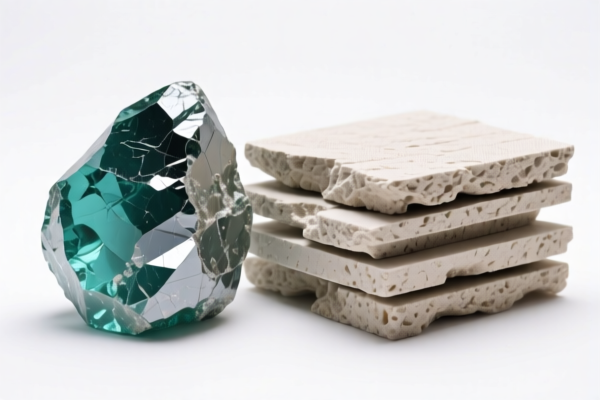
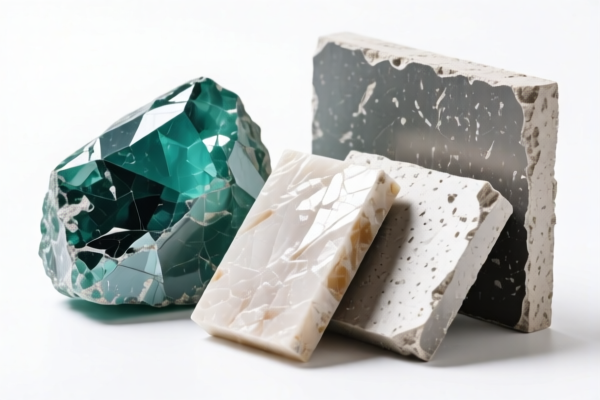
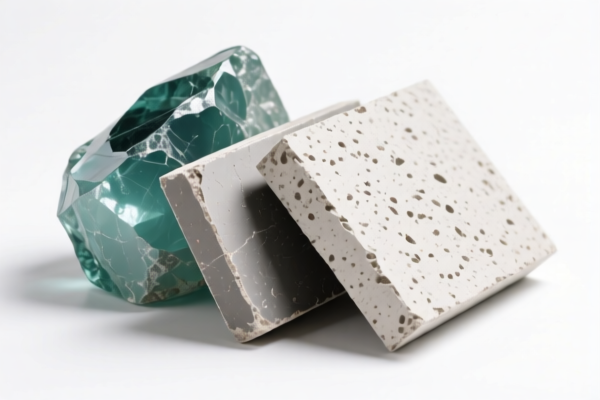
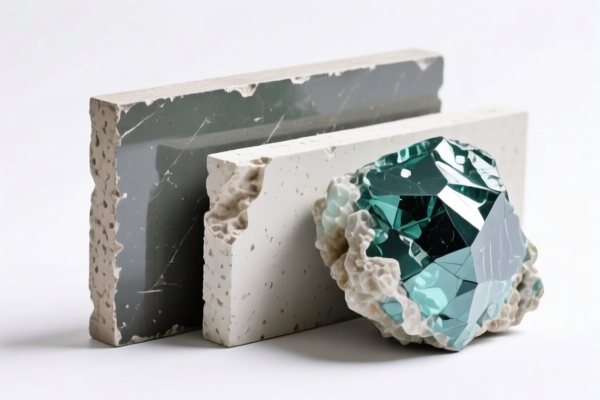
AI Analysis
🏗️ General Building Materials (Construction Bricks & Blocks)
🌐 HS Code Reference & Customs Clearance Guide | 2026 Latest Tariff Analysis | Professional Clearance Strategy
📌 I. Product Definition & Classification: What Are "General Building Materials"?
"General Building Materials" is a broad commercial term, but in international trade, it primarily refers to construction bricks, blocks, tiles, and structural components used for walls, roofs, and flooring. The key to accurate classification lies in the material composition:
- Ceramic Materials: Fired clay bricks, ceramic tiles, paving blocks.
- Cement/Concrete/Stone Materials: Concrete blocks, cement bricks, artificial stone products.
- Metal Components: Steel, aluminum, or copper sheets used for roofing, wall cladding, or structural frames.
⚠️ Key Distinction Point:
- If made of clay/ceramics → Classified under Chapter 69.
- If made of cement/concrete/stone → Classified under Chapter 68.
- If made of metal (sheets/parts) → Classified under Chapter 73.
📦 II. HS Code Classification Details (Based on Provided Data)
| HS Code | Product Description | Material/Usage | Tax Summary |
|---|---|---|---|
6904.90.00.00 |
Ceramic Building Bricks, Setting Blocks, etc. | Ceramic, similar to paving blocks | 35.0% |
6810.11.00.70 |
Building Blocks & Bricks (Cement/Concrete) | Cement, concrete, or artificial stone | 38.2% |
6904.10.00.20 |
Ceramic Building Bricks, Paving Slabs | Ceramic, high match for construction use | 35.0% |
6810.91.00.00 |
Cement/Concrete/Artificial Stone Products | Cement, concrete, artificial stone | 35.0% |
7308.90.95.30 |
Metal Building Components (Roofs/Walls) | Steel, Aluminum, Copper sheets/parts | 85.0% |
🔍 Critical Note:
- The primary differentiator is Material vs. Function.
- Ceramics (6904) and Cement/Concrete (6810) are the most common "brick/block" categories.
- Metal (7308) carries a significantly higher tax burden due to specific steel/aluminum tariffs.
💰 III. 2026 Latest Tariff Rate Breakdown (Including Surtaxes)
✅ Applicable Country: United States (US)
✅ Origin: China (CN)
✅ Effective Date: Current Trade Policy (2025-2026)
🎯 1. 6904.90.00.00 & 6904.10.00.20 —— Ceramic Building Bricks/Tiles
| Item | Content |
|---|---|
| Base Tariff | 0.0% |
| Section 301 Surcharge | +25.0% |
| Section 122 Tariff | +10.0% |
| Total Tax Rate | 35.0% |
| Calculation Basis | CIF Value × 35% |
| De Minimis Exemption | ❌ Not Applicable (High tariff items are generally excluded) |
| Legal Basis | Section 301 (25%) + Section 122 (10%) |
📌 Explanation:
- These codes cover ceramic construction materials.
- The 35% total rate is a combination of the base tariff (0%), the heavy Section 301 duty (25%), and the Section 122 duty (10%).
- This is a standard high-rate category for Chinese ceramics.
🎯 2. 6810.11.00.70 —— Cement/Concrete Building Blocks
| Item | Content |
|---|---|
| Base Tariff | 3.2% |
| Section 301 Surcharge | +25.0% |
| Section 122 Tariff | +10.0% |
| Total Tax Rate | 38.2% |
| Calculation Basis | CIF Value × 38.2% |
| De Minimis Exemption | ❌ Not Applicable |
| Legal Basis | Base 3.2% + Section 301 (25%) + Section 122 (10%) |
📌 Explanation:
- This code specifically matches cement, concrete, or artificial stone blocks.
- It has the highest total rate (38.2%) among the non-metal options due to the 3.2% base tariff added to the surcharges.
- Common for heavy construction blocks.
🎯 3. 6810.91.00.00 —— Cement/Concrete/Artificial Stone Products (Other)
| Item | Content |
|---|---|
| Base Tariff | 0.0% |
| Section 301 Surcharge | +25.0% |
| Section 122 Tariff | +10.0% |
| Total Tax Rate | 35.0% |
| Calculation Basis | CIF Value × 35% |
| De Minimis Exemption | ❌ Not Applicable |
| Legal Basis | Section 301 (25%) + Section 122 (10%) |
📌 Explanation:
- Covers cement/concrete/artificial stone products that may not be simple blocks (e.g., decorative stone, pipes, etc.).
- Shares the same 35% total rate as the ceramic bricks.
🎯 4. 7308.90.95.30 —— Metal Building Components (Steel/Aluminum/Copper)
| Item | Content |
|---|---|
| Base Tariff | 0.0% |
| Section 301 Surcharge | +25.0% |
| Section 122 Tariff | +10.0% |
| Steel/Aluminum/Copper Surtax | +50.0% |
| Total Tax Rate | 85.0% |
| Calculation Basis | CIF Value × 85% |
| De Minimis Exemption | ❌ Not Applicable |
| Legal Basis | Section 301 (25%) + Section 122 (10%) + Section 232/Other Metal Duties (50%) |
📌 Explanation:
- This code applies to metal sheets, parts, or structures for roofs/walls.
- It carries the highest penalty rate (85%) due to the additional 50% surtax on steel, aluminum, or copper products.
- Extreme Caution: Misclassifying metal as ceramic/concrete here could lead to severe penalties, but misclassifying ceramic as metal is less likely to save money (85% vs 35%).
🛠️ IV. Customs Clearance Practical Advice (Pitfall Avoidance Guide)
✅ 1. Documentation Checklist (Mandatory)
| Document | Required | Description |
|---|---|---|
| ✅ Product Specification | ✔️ | Must specify Material (Ceramic, Concrete, Steel), Dimensions, Weight. |
| ✅ Material Certificate | ✔️ | Critical for distinguishing between 6904 (Ceramic) and 6810 (Concrete). |
| ✅ Product Photos | ✔️ | Clear images of the product, packaging, and any markings. |
| ✅ Commercial Invoice | ✔️ | Must clearly state "Building Brick/Block" and HS Code. |
| ✅ Packing List | ✔️ | Detail net/gross weight, dimensions, and number of packages. |
| ✅ Origin Certificate | ✔️ | If non-China origin, may reduce tariffs. |
✅ 2. Classification Tips (Key Mantra)
🔥 "Material First, Function Second. Ceramic 35%, Concrete 38.2%, Metal 85%!"
| Scenario | Correct HS Code | Wrong Approach | Consequence |
|---|---|---|---|
| Clay Brick/Ceramic Tile | 6904.90.00.00 or 6904.10.00.20 |
Misclassify as 6810 |
Potential under/overpayment, but similar rates. |
| Concrete Block/Cement Brick | 6810.11.00.70 or 6810.91.00.00 |
Misclassify as 6904 |
6810.11 is 38.2%, 6904 is 35%. Loss of $0.032 per $1. |
| Steel Roofing/Cladding | 7308.90.95.30 |
Misclassify as 6904 or 6810 |
Huge Risk: If caught, penalties + back taxes. If successful, Savings of 50% (but high audit risk). |
| Mixed Shipment | Separate by Material | Bundle all as "Building Materials" | Customs may reclassify entire shipment to highest rate or reject. |
✅ 3. Special Case Handling
| Situation | Recommendation |
|---|---|
| Mixed Materials | Strictly Separate. Declare ceramic, concrete, and metal in separate lines or shipments. |
| Decorative Stone | Often falls under 6810.91.00.00. Ensure it is cement/concrete based, not natural stone (which may have different codes). |
| Steel vs. Aluminum | Both fall under 7308.90.95.30 with 85% tax. Verify exact alloy if possible, but tax impact is similar. |
| Pre-Cast vs. On-Site | Pre-cast concrete blocks are 6810. If it's loose cement mix, it might be different (2523), but "Bricks/Blocks" implies finished goods. |
🌍 V. Global Market Comparison (2026 Latest)
| Country/Region | Recommended HS Code | Tariff Rate | Notes |
|---|---|---|---|
| 🇺🇸 USA | 6904.90.00.00 / 6810.11.00.70 / 7308.90.95.30 |
35% - 85% | High Section 301 + 122 duties. Metal is extremely expensive. |
| 🇨🇳 China | 6904.90.00.00 / 6810.11.00.70 |
Varies (Low) | Export from China incurs these rates when entering US. Domestic trade differs. |
| 🇪🇺 EU | 6904.10 / 6810.11 |
0% - 10% | No Section 301/122. Generally lower tariffs than US. |
| 🇬🇧 UK | 6904.10 / 6810.11 |
0% - 10% | Similar to EU post-Brexit. No aggressive surcharges. |
| 🇯🇵 Japan | 6904.10 / 6810.11 |
0% - 5% | Low base tariffs. No major surcharges. |
📌 Conclusion:
- USA is the most expensive market for these materials due to Section 301 (25%) and Section 122 (10%) duties.
- Metal components (7308) are disproportionately taxed (85%) in the US.
- Consider diversifying supply chain to Vietnam, India, or EU for US-bound metal/concrete goods if possible.
📌 VI. Common Errors & Pitfalls (Blood & Tears Lessons)
❌ Error 1: Classifying Concrete Blocks as Ceramic Bricks
👉 Consequence: 6810.11 is 38.2%, 6904 is 35%. You overpay by 3.2%. If you meant to save money, this is the wrong path. If you meant to underpay, it's a compliance risk.
❌ Error 2: Classifying Steel Roofing as General Building Materials without specifying metal
👉 Consequence: Customs may reclassify as 7308.90.95.30 (85%) if they suspect metal, or deny clearance for incomplete documentation.
❌ Error 3: Assuming "Building Materials" = Low Tariff
👉 Consequence: Ignoring Section 122 (10%) and Section 301 (25%) leads to massive underpayment and audits.
❌ Error 4: Missing the Material Certificate
👉 Consequence: Customs cannot distinguish between 6904 (Ceramic) and 6810 (Concrete). They may choose the highest possible rate or delay clearance.
✅ Correct Approach:
"Ceramic Paving Brick, Clay-Based, 200x100mm, for Outdoor Use, Model ABC, Fired at 1200°C"
"Concrete Curb Block, Cement/Aggregate Based, 100x200x50cm, for Roadside Use, Model XYZ"
"Steel Roofing Sheet, Galvanized, Thickness 0.5mm, Model DEF"
🎯 VII. Conclusion: Precise Classification, Cost Efficiency, Smooth Clearance
🎯 Remember the Mantra:
🔹 "Ceramic 35%, Concrete 38.2%, Metal 85%."
🔹 "Material is King, Function is Queen, Classification is Kingpin."
🔹 "HS Code determines fate, 50% difference on metal, don't guess!"
📌 Pro Tip:
If your building materials are originally from Vietnam, India, or Malaysia, you may avoid Section 301/122 duties (rates drop to 0-10%).
Recommendation: Apply for Advance Ruling before shipment to confirm the exact HS Code and tax liability.
📣 Call to Action:
📞 Contact a licensed customs broker + Provide Material Specs + Apply for HS Code Advance Ruling
🚀 Ensure your building materials clear customs smoothly, efficiently, and profitably!
✨ Professional Customs Clearance Starts with Accurate Classification!
💼 Every cent of your cost deserves precise calculation!
Customer Reviews
About HS Code Classification
The Harmonized System (HS) is an internationally standardized nomenclature developed by the World Customs Organization (WCO) to classify traded products. Over 200 countries use the HS system as the basis for customs tariffs, trade statistics, and import/export regulations.
Each HS code follows a hierarchical structure:
- Chapter (2 digits) — Broad category of goods (e.g., Chapter 84: Machinery and Mechanical Appliances)
- Heading (4 digits) — More specific grouping within the chapter
- Subheading (6 digits) — Internationally standardized breakdown, used by all WCO member countries
- National subdivisions (8-10 digits) — Country-specific extensions for further classification, such as US HTSUS 10-digit codes
Correct HS code classification is essential for smooth customs clearance, accurate duty payment, and compliance with trade regulations. Misclassification can lead to customs delays, overpayment of duties, or penalties.
When importing from CN to US, the applicable tariff rates may include:
- Most-Favored-Nation (MFN) rate — The standard duty rate applied to WTO members
- General rate — Applied to countries without trade agreements
- Trade remedy duties — Additional tariffs such as Section 301 (anti-dumping), Section 232 (national security), or countervailing duties
The information provided on this page is for reference purposes only. For official classification, please consult with your local customs authority or a licensed customs broker.