General Purpose Animal Saddlery and Harness
CN → US| HS Code | Tariff Rate | Origin | Destination | Doc |
|---|---|---|---|---|
| 4201006000 | 12.8% | CN | US | Official Doc |
| 4201003000 | 37.4% | CN | US | Official Doc |
| 4015900050 | 39.0% | CN | US | Official Doc |
Product Images
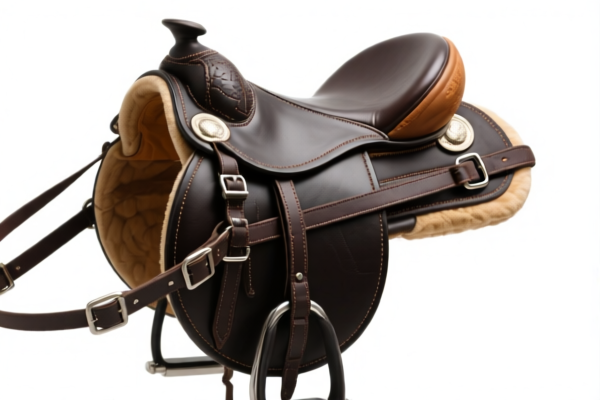
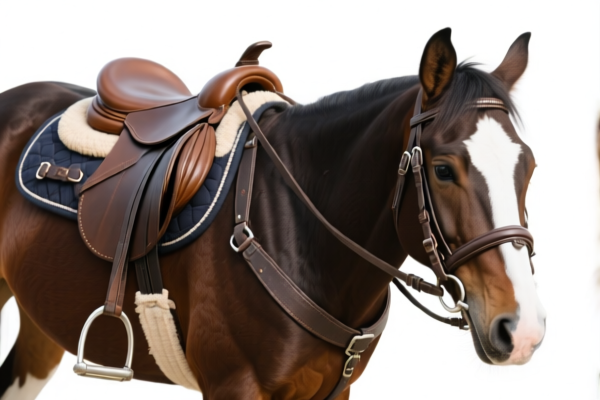
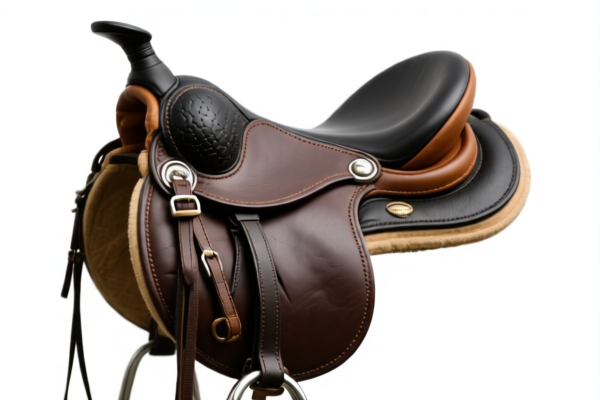
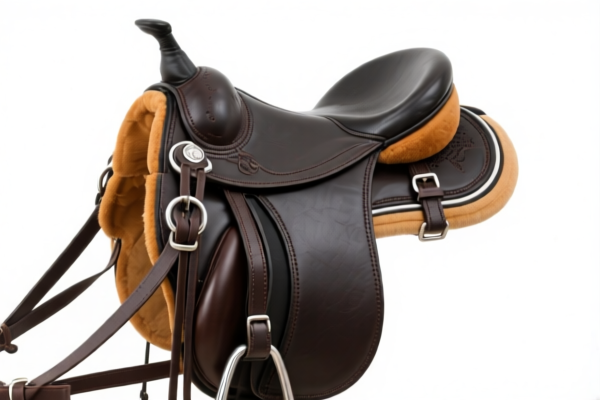
AI Analysis
🐎 General Purpose Animal Saddlery and Harness
🌐 HS Code Reference & Customs Clearance Guide | 2026 Latest Tariff Analysis | Professional Strategy for US Import 📌 I. Product Definition & Classification: Do You Truly Understand "Saddlery" and "Harnesses"?
General Purpose Animal Saddlery and Harness refers to equipment designed for the control, riding, or pulling of animals (primarily horses). In international trade, these items are often misunderstood. They are not merely leather goods but functional equipment falling under Chapter 42.
The provided data highlights three potential HS Codes, ranging from the ideal core classification to misclassifications that result in significantly higher tariffs. Understanding the distinction is critical for cost control.
⚠️ Key Distinction:
- True Saddlery/Harness (Ch 42): Made of leather, synthetic materials, or metal frames designed for animal use. This is the correct category with lower tariffs.
- Accessories/Attachments (Ch 40): If misclassified as "accessories" to other goods (like clothing or rubber goods), tariffs skyrocket.
- Specific Country/Year Note: The tax details provided include specific "Section 301" (Trade War) and "Section 122" (Defense Production Act) implications, typical for US imports from China.
📦 II. HS Code Classification Details (Based on Provided Data)
| HS Code | Product Description | Summary Provided in Data | Applicable Logic |
|---|---|---|---|
4201.00.60.00 |
General Purpose Animal Saddlery and Harness | Core Coverage: Usage and classification align perfectly with the definition of saddlery and harness. | ✅ Recommended. Fits the core definition of animal tack. |
4201.00.30.00 |
General Purpose Animal Saddlery and Harness | Consistent: Usage aligns with "Animal Use Tack and Harness" in the classification definition. | ⚠️ Acceptable but Higher Tax. Similar product, but different subheading leads to higher duties. |
4015.90.00.50 |
General Purpose Animal Saddlery and Harness | Misclassification: Classified as "Other articles of apparel and clothing accessories" under Chapter 40. | ❌ Avoid. This is a logical error in classification logic, resulting in the highest tax burden. |
🔍 Critical Insight:
-4201.00.60.00is the most accurate and cost-effective code among the options, as it directly matches the "Core Coverage" of saddlery.
-4015.90.00.50is a dangerous misclassification. It treats animal gear as "clothing accessories" or rubber goods, triggering punitive tariffs.
💰 III. 2026 Latest Tariff Rate Breakdown (Including Additional Taxes)
✅ Applicable Country: United States (US)
✅ Origin: Likely China (Implied by Section 122 and high tariffs)
✅ Tax Structure: Base Tariff + Section 301 Tariff + Section 122 Tariff
🎯 1. 4201.00.60.00 —— General Purpose Animal Saddlery (Recommended)
| Item | Details |
|---|---|
| Base Tariff | 2.8% |
| Section 301 Tariff (Additional) | 0.0% |
| Section 122 Tariff (Defense Production Act) | 10% |
| Total Effective Tax Rate | 12.8% |
| Tax Calculation | CIF Value × 12.8% |
| De Minimis Exemption? | ❌ No (High value/Category likely exceeds $800 threshold or is restricted) |
📌 Explanation:
- This is the most favorable option provided.
- Section 301 Tariff is 0%, which is rare for many Chinese goods, suggesting this specific subheading might be exempt or less targeted.
- Section 122 Tariff (10%) applies, likely due to national defense or critical supply chain concerns, but the total burden remains manageable.
🎯 2. 4201.00.30.00 —— General Purpose Animal Tack & Harness
| Item | Details |
|---|---|
| Base Tariff | 2.4% |
| Section 301 Tariff (Additional) | 25.0% |
| Section 122 Tariff (Defense Production Act) | 10% |
| Total Effective Tax Rate | 37.4% |
| Tax Calculation | CIF Value × 37.4% |
| De Minimis Exemption? | ❌ No |
| Legal Path | Base 2.4% + Sec 301 25% + Sec 122 10% |
📌 Explanation:
- Although the base tariff is slightly lower (2.4%), the 25% Section 301 tariff drastically increases the cost.
- This code is subject to the standard US trade war tariffs on Chinese goods.
🎯 3. 4015.90.00.50 —— Misclassified as Apparel/Accessory
| Item | Details |
|---|---|
| Base Tariff | 4.0% |
| Section 301 Tariff (Additional) | 25.0% |
| Section 122 Tariff (Defense Production Act) | 10% |
| Total Effective Tax Rate | 39.0% |
| Tax Calculation | CIF Value × 39.0% |
| De Minimis Exemption? | ❌ No |
| Legal Path | Base 4.0% + Sec 301 25% + Sec 122 10% |
📌 Explanation:
- Highest Tax Burden.
- Misclassifying animal saddlery as "rubber/latex apparel accessories" triggers the same high Section 301 and 122 tariffs as4201.00.30.00, plus a higher base rate.
- Risk: Customs may also penalize for incorrect classification, leading to fines or seizure.
🛠️ IV. Customs Clearance Practical Advice (Real-World Pitfall Guide)
✅ 1. Required Documentation Checklist
| Document | Must Provide? | Purpose |
|---|---|---|
| ✅ Product Specification Sheet | ✔️ | Detail materials (leather, nylon, metal), dimensions, and intended animal type. |
| ✅ Product Photos | ✔️ | Show the item in context (e.g., on a horse) to prove it is "saddlery" and not "accessory." |
| ✅ Commercial Invoice | ✔️ | Clearly state "Animal Saddlery and Harness" – DO NOT use "Clothing Accessory" or "Rubber Goods." |
| ✅ HS Code Pre-Ruling | ✔️ | Highly recommended to secure 4201.00.60.00 and avoid Section 301 tariffs. |
| ✅ Packing List | ✔️ | Ensure weights and dimensions match customs requirements. |
✅ 2. Declaration Tips (Key Mantra)
🔥 "Classify as Tack, Not Accessory; Avoid Section 301; Save 25%!"
| Scenario | Correct Declaration | Incorrect Declaration | Consequence |
|---|---|---|---|
| Saddle, Bridle, Harness | 4201.00.60.00 |
4015.90.00.50 (Accessory) |
Savings: 26.2% on taxes |
| Saddle Pads (if separate) | Check specific code | Bundle with saddles | Potential misclassification |
| Raw Leather Strips | Different Chapter | 4201.00.60.00 |
Overpayment or Penalty |
| Finished Horse Bells | Check Chapter 42 | 9615.90.00.00 (Comb) |
Audit Risk |
📌 Note:
- Ensure the name on the invoice is precise. Use "Animal Saddle" or "Horse Harness," not "Leather Gear" or "Strap Set."
- If the item includes electronic components (e.g., GPS trackers in saddle pads), it may shift to Chapter 85, requiring a completely different classification.
✅ 3. Special Considerations
| Situation | Handling Advice |
|---|---|
| Mixed Shipments | If importing both saddles (4201.00.60.00) and other goods, declare them separately to apply the correct tariff to each. |
| Customs Audit | Be prepared to show that the item is specifically designed for animals. Generic leather belts or straps may be scrutinized. |
| Section 122 Tariff | This 10% tariff is non-negotiable for most Chinese-origin goods under this provision. Factor it into your cost calculation. |
🌍 V. Global Market Comparison (2026 Outlook)
| Country | Recommended HS Code | Est. Duty Rate | Notes |
|---|---|---|---|
| 🇺🇸 USA | 4201.00.60.00 |
12.8% | Best option provided. Avoid 4015 (39%). |
| 🇨🇳 China | 4201.00.00.00 |
~5-10% | Import duties vary by material. |
| 🇪🇺 EU | 4201.00.00.00 |
4.5% | No Section 301/122 equivalent. |
| 🇬🇧 UK | 4201.00.00.00 |
4.5% | Post-Brexit tariff schedule. |
| 🇨🇦 Canada | 4201.00.00.00 |
3.5% | Preferential rates under CUSMA if non-Chinese. |
📌 Conclusion:
- The US market is the most complex due to Section 301 and 122 tariffs.
- Correct classification (4201.00.60.00) saves you 26.2% compared to misclassification (4015.90.00.50).
- For exports to the US, precision is profit.
📌 VI. Common Mistakes & Pitfall Guide (Blood Lessons)
❌ Mistake 1: Classifying saddles as "Leather Accessories" or "Clothing Parts"
👉 Consequence: Tax jumps from 12.8% to 39.0%.
👉 Solution: Always use HS Chapter 42 for animal equipment.
❌ Mistake 2: Ignoring Section 122 Tariff
👉 Consequence: Unexpected 10% duty at customs, causing cash flow issues.
👉 Solution: Include 10% in your landed cost calculation for all Chinese-origin goods.
❌ Mistake 3: Using generic names like "Leather Goods" on the Invoice
👉 Consequence: Customs flags the shipment for manual review, leading to delays.
👉 Solution: Use specific terms: "Horse Saddle," "Bridle," "Halter."
✅ Correct Practice:
"Horse Saddle, General Purpose, Leather & Nylon, Model X, Origin China"
🎯 VII. Conclusion: Professional Classification Saves Money!
🎯 Remember:
🔹 "Saddlery is Chapter 42, Not 40."
🔹 "Code .60 beats .30 (.00) and .50."
🔹 "12.8% vs 39.0%? The difference is your margin."
📌 Pro Tip:
If your product has unique features (e.g., heated saddles, GPS-enabled harnesses), the classification may change. Consult a licensed customs broker for pre-import rulings if the product is complex.
📣 Immediate Action:
📞 Verify HS Code
4201.00.60.00with your freight forwarder.
🚀 Ensure your invoice matches the description exactly.
💰 Calculate costs using 12.8%, not 39.0%.
✨ Accurate Classification is the First Step to Profitable Trade!
💼 Don't let a wrong HS Code cost you 26% of your product value!
Customer Reviews
About HS Code Classification
The Harmonized System (HS) is an internationally standardized nomenclature developed by the World Customs Organization (WCO) to classify traded products. Over 200 countries use the HS system as the basis for customs tariffs, trade statistics, and import/export regulations.
Each HS code follows a hierarchical structure:
- Chapter (2 digits) — Broad category of goods (e.g., Chapter 84: Machinery and Mechanical Appliances)
- Heading (4 digits) — More specific grouping within the chapter
- Subheading (6 digits) — Internationally standardized breakdown, used by all WCO member countries
- National subdivisions (8-10 digits) — Country-specific extensions for further classification, such as US HTSUS 10-digit codes
Correct HS code classification is essential for smooth customs clearance, accurate duty payment, and compliance with trade regulations. Misclassification can lead to customs delays, overpayment of duties, or penalties.
When importing from CN to US, the applicable tariff rates may include:
- Most-Favored-Nation (MFN) rate — The standard duty rate applied to WTO members
- General rate — Applied to countries without trade agreements
- Trade remedy duties — Additional tariffs such as Section 301 (anti-dumping), Section 232 (national security), or countervailing duties
The information provided on this page is for reference purposes only. For official classification, please consult with your local customs authority or a licensed customs broker.