General Thermoplastic Resin
CN → US| HS Code | Tariff Rate | Origin | Destination | Doc |
|---|---|---|---|---|
| 3903190000 | 41.5% | CN | US | Official Doc |
| 3903110000 | 41.5% | CN | US | Official Doc |
| 3916905000 | 40.8% | CN | US | Official Doc |
| 3906902000 | 41.3% | CN | US | Official Doc |
| 3901909000 | 41.5% | CN | US | Official Doc |
Product Images
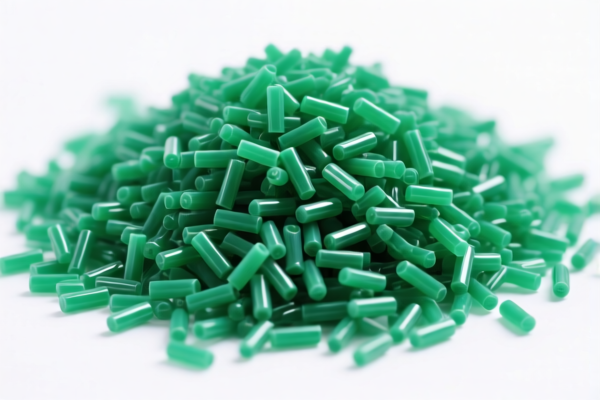

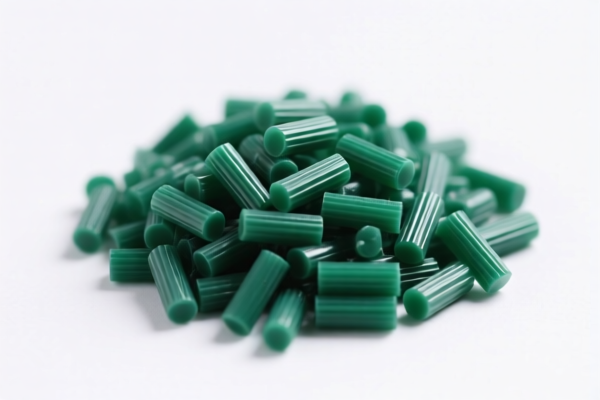
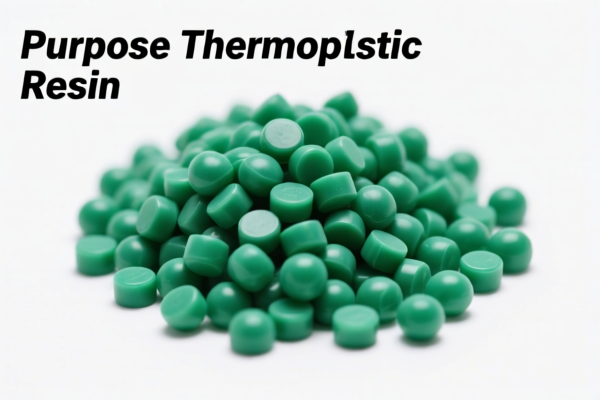
AI Analysis
🏭 General Thermoplastic Resin | Raw Polymer Materials
🌐 HS Code Reference & Clearance Guide | 2026 Latest Tariff Analysis | Professional Entry Strategy
📌 I. Product Definition & Classification: Do You Really Understand "Thermoplastic Resin"?
General Thermoplastic Resin is the backbone of the modern plastics industry. It refers to polymers that soften when heated and harden when cooled, allowing for repeated reshaping. In international trade, these materials are classified not just by their chemical composition, but by their physical form (primary form) and specific chemical structure (e.g., Polystyrene, Vinyl Acetate).
For import into the United States, the critical distinction lies in identifying the base polymer and the additives. Misclassification can lead to significant tariff discrepancies due to Section 301 and IEEPA duties.
⚠️ Key Distinction Point:
- "General" vs. "Specialty": "General" refers to commodity-grade resins (e.g., standard PS, PE, PVC) used in mass production, not high-performance engineering plastics (like PEEK or PPS) which may have different codes. - "Primary Form": Must be in the form of pellets, granules, powders, or non-viscous liquids. If it is already mixed with other substances to form a specific compound (like a ready-to-use adhesive or paint), it may fall under Chapter 39 or Chapter 32/35 depending on the function.
📦 II. HS Code Classification Details (2026 Latest Tariff Authority Comparison)
Based on the provided data, the following HS Codes apply to General Thermoplastic Resins in primary form. Note that while the summaries in the data source appear generic, the HS Codes distinguish between the type of polymer.
| HS Code | Product Description (Based on Data) | Material Type | Physical Form | Key Characteristics |
|---|---|---|---|---|
3903.19.00.00 |
General Polystyrene Resin | Polystyrene (PS) | Primary Form | Non-expanded, general-purpose PS. Used for packaging, disposable goods. |
3903.11.00.00 |
General Polystyrene Resin | Polystyrene (PS) | Primary Form | Non-expanded, general-purpose PS. Often differs from .19 by specific additive profiles or origin-specific sub-classes. |
3916.90.50.00 |
Thermoplastic Resin Adhesive* | Polystyrene (PS) | Primary Form | Note: Summary says "Adhesive" but material is PS. Likely refers to PS-based hot melt adhesives or compounds. |
3906.90.20.00 |
Thermoplastic Resin Adhesive | Acrylic Resin | Primary Form | Acrylic-based polymers. Often used in adhesives, sealants, or specialized coatings. |
3901.90.90.00 |
Thermoplastic Resin Adhesive | Ethylene Polymer | Primary Form | Polyethylene (PE) or Ethylene copolymers. Commonly used in packaging films, containers, and adhesives. |
🔍 Critical Reminder:
-3903.xxcovers Polystyrene (PS).
-3901.xxcovers Polyethylene (PE) and other olefin polymers.
-3906.xxcovers Polyacrylates (Acrylics).
-3916.xxcovers Rod, Bar, and Shape products, including those used as adhesives or cores.
- Do NOT confuse these with Chapter 32 (Tanning/Dyeing extracts) or Chapter 35 (Albuminoidal substances). Resins in primary form stay in Chapter 39.
💰 III. 2026 Latest Tariff Rate Breakdown (Including Additional Duties & Policy Add-ons)
✅ Applicable Country: United States (US)
✅ Country of Origin: China (CN)
✅ Effective Time: 2025/2026 (Current Trade War Era)
🎯 1. Polystyrene Resins (3903.11.00.00 & 3903.19.00.00)
| Item | Detail |
|---|---|
| Base Tariff Rate | 6.5% (General Most Favored Nation Rate) |
| Section 301 Additional Duty | +25.0% (List 3/4a/4b items – Polystyrene is typically included) |
| IEEPA Additional Duty | +10.0% (Section 122/301 related surcharges on Chinese goods) |
| Total Effective Tax Rate | 41.5% |
| Tax Calculation | CIF Value × 41.5% |
| De Minimis Exemption? | ❌ No (Deny de minimis for Section 301 goods) |
| Legal Authority Path | HTSUS:3903.xx → USITC:Section301 → IEEPA:ExecutiveOrder13936 |
📌 Explanation:
- Polystyrene is a high-volume commodity. The 6.5% base rate applies, but the 25% Section 301 duty is standard for Chinese-origin plastics. - The 10% IEEPA surcharge (often referred to as "122 Clause" duty in some contexts or additional Section 301 tranches) brings the total to 41.5%. - Result: High cost. Importers must factor this into their COGS (Cost of Goods Sold).
🎯 2. Polystyrene Adhesives/Compounds (3916.90.50.00)
| Item | Detail |
|---|---|
| Base Tariff Rate | 5.8% |
| Section 301 Additional Duty | +25.0% |
| IEEPA Additional Duty | +10.0% |
| Total Effective Tax Rate | 40.8% |
| Tax Calculation | CIF Value × 40.8% |
| De Minimis Exemption? | ❌ No |
| Legal Authority Path | HTSUS:3916.90 → USITC:Section301 → IEEPA:ExecutiveOrder |
📌 Explanation:
- Slightly lower base rate (5.8% vs 6.5%) for rod/bar/shape forms. - Still subject to the full 35% in additional duties. - Risk: If classified incorrectly as a "chemical mixture" rather than a "primary resin," the code might change, altering the base rate.
🎯 3. Acrylic Resin (3906.90.20.00)
| Item | Detail |
|---|---|
| Base Tariff Rate | 6.3% |
| Section 301 Additional Duty | +25.0% |
| IEEPA Additional Duty | +10.0% |
| Total Effective Tax Rate | 41.3% |
| Tax Calculation | CIF Value × 41.3% |
| De Minimis Exemption? | ❌ No |
| Legal Authority Path | HTSUS:3906.90 → USITC:Section301 → IEEPA |
📌 Explanation:
- Acrylics are often used in high-clarity applications. - The 41.3% total rate is nearly identical to Polystyrene. - Note: Ensure the product is in primary form (pellets/powder). If it is a finished adhesive tube, it may fall under 3506 or 3214, which have different duty structures.
🎯 4. Ethylene Polymer / Adhesive (3901.90.90.00)
| Item | Detail |
|---|---|
| Base Tariff Rate | 6.5% |
| Section 301 Additional Duty | +25.0% |
| IEEPA Additional Duty | +10.0% |
| Total Effective Tax Rate | 41.5% |
| Tax Calculation | CIF Value × 41.5% |
| De Minimis Exemption? | ❌ No |
| Legal Authority Path | HTSUS:3901.90 → USITC:Section301 → IEEPA |
📌 Explanation:
- Polyethylene (PE) is the most common plastic. - Subheading.90covers "Other" polyethylenes (not linear, not branched, etc.). - The 41.5% rate is standard for non-specific PE products from China.
🛠️ IV. Customs Clearance Practical Advice (Combat-Ready Pitfall Avoidance)
✅ 1. Required Documentation Checklist (Non-Negotiable)
| Document | Mandatory? | Purpose |
|---|---|---|
| ✅ Technical Data Sheet (TDS) | ✔️ | Proves chemical composition (PS, PE, Acrylic) and confirms "Primary Form." |
| ✅ Certificate of Origin (CO) | ✔️ | Determines eligibility for any potential exemptions (though rare for Section 301 goods). |
| ✅ Commercial Invoice | ✔️ | Must explicitly state "General Thermoplastic Resin, [Material Name], Primary Form." |
| ✅ Packing List | ✔️ | Details net/gross weight, packaging type (bags, pallets). |
| ✅ SDS (Safety Data Sheet) | ✔️ | Required for hazardous materials screening. Most resins are non-hazardous but must be documented. |
| ✅ Import Entry Summary | ✔️ | Filed via ACE (Automated Commercial Environment). |
✅ 2. Classification Tips (Golden Rules)
🔥 "Form Defines Code, Material Defines Rate, Origin Defines Duty!"
| Scenario | Correct Classification | Incorrect Classification | Consequence |
|---|---|---|---|
| Raw PS Pellets | 3903.11.00.00 or 3903.19.00.00 |
3907.20.00.00 (Other PPS) |
Wrong code, potential audit. |
| Acrylic Powder | 3906.90.20.00 |
3214.10.00.00 (Paints/Varishes) |
If not yet mixed with solvents/pigments, it is not paint. Misclassification leads to delays. |
| PE Adhesive Compound | 3901.90.90.00 |
3506.91.00.00 (Prepared Adhesives) |
If it is a primary resin meant to be melted later, keep in Ch 39. If it is a ready-to-use glue, it might be Ch 35. Critical Distinction. |
| Chinese Origin Goods | Apply +35% Duties | Assume Base Rate Only | Financial Risk! You will owe back taxes + penalties. |
✅ 3. Special Case Handling
| Situation | Advice |
|---|---|
| Blends/Mixtures | If the resin is mixed with other polymers, it may fall under "Mixed Polymers" in Ch 39, which has a "Other" subheading (often .90). Ensure the dominant polymer is identified. |
| Regrind/Recycled | If the resin is recycled, it may still qualify under Ch 39 if it meets purity standards. However, some recycled plastics face additional scrutiny or different rates. Check for Section 301 exclusions for specific recycled materials. |
| Small Quantity Samples | No De Minimis Exemption. Section 301 duties apply even to small shipments. Do not ship via USPS/UPS as a gift to avoid duties; it will likely be seized or taxed. |
| Country of Origin Marking | Must be clearly marked on the product or immediate packaging. Failure to mark leads to Section 321 violations or fines. |
🌍 V. Global Market Comparison (2026 Update)
| Country/Region | Recommended HS Code | Base Tariff | Additional Duties (China) | Total Effective Rate | Notes |
|---|---|---|---|---|---|
| 🇺🇸 USA | 3903.19.00.00 etc. |
5.8% - 6.5% | +35% (Sec 301 + IEEPA) | 40.8% - 41.5% | High barrier. |
| 🇨🇳 China | 3903.19.00 etc. |
6.5% | 0% (Export) | 6.5% | Export tax? Usually 0% for primary resins. |
| 🇪🇺 EU | 3903.19.00 etc. |
6.5% | 0% (Standard MFN) | 6.5% | No Section 301 equivalent. |
| 🇲🇽 Mexico | 3903.19.00 etc. |
6% | 0% (USMCA if qualifying) | 0% - 6% | Check USMCA rules of origin. |
| 🇻🇳 Vietnam | 3903.19.00 etc. |
0% - 5% | 0% (if non-Chinese origin) | Low | Consider supply chain shift to avoid US tariffs. |
📌 Conclusion:
- The US market is the most expensive for Chinese-origin thermoplastic resins due to the ~35% additional duty stack. - EU and domestic markets remain significantly cheaper. - Supply Chain Strategy: Many importers are shifting sourcing to Vietnam, Mexico, or Thailand to bypass Section 301 duties, provided the product meets Rules of Origin (substantial transformation).
📌 VI. Common Errors & Pitfall Guide (Lessons Learned)
❌ Error 1: Claiming "De Minimis" for resin shipments under $800.
👉 Consequence: Seizure or Tax Evasion Charge. Section 301 goods are explicitly excluded from Section 321 de minimis exemptions.
❌ Error 2: Classifying "Acrylic Resin" as "Paint" (3214).
👉 Consequence: If the product is raw resin (pellets/powder), it is NOT paint. Paint implies solvents/pigments. Misclassification can lead to anti-dumping duty traps if applicable, or simply wrong tariff rates.
❌ Error 3: Ignoring the "122 Clause" (IEEPA 10%).
👉 Consequence: Underpaying duties by 10%. Customs will assess back taxes + interest + penalties.
❌ Error 4: Vague Description on Invoice: "Plastic Resin."
👉 Consequence: CBP may request further documentation, causing 3-6 week delays. Always specify: "General Polystyrene Resin, Primary Form, Grade XYZ."
✅ Correct Practice:
"General Purpose Polystyrene (GPPS) Resin, Primary Form (Pellets), Non-Expanded, Chinese Origin, HS 3903.19.00.00"
🎯 VII. Conclusion: Precision in Classification Saves Money
🎯 Remember the Mantra:
🔹 "Primary Form stays in Ch 39. Chinese Origin pays +35%. No De Minimis!"
🔹 "Acrylic vs. PS vs. PE – Know your material. One digit change in HS Code can save you thousands."
📌 Pro Tip:
If you are importing large volumes (>10 containers/month), consider applying for a Section 301 Exclusion if your specific product type was previously eligible (check USTR lists). Alternatively, evaluate repackaging or processing in a third country (like Mexico) to gain USMCA benefits.
📣 Immediate Action Plan:
📞 Audit your current HS Codes against the latest 2026 data.
📦 Verify your supplier's Certificate of Origin is accurate.
🧾 Update your Commercial Invoices with precise material descriptions.
🚀 Optimize your supply chain to mitigate the 41.5% duty burden.
✨ Professional Clearance Starts with Accurate Classification!
💼 Your Profit Margin Depends on This 10-Digit Code!
Customer Reviews
About HS Code Classification
The Harmonized System (HS) is an internationally standardized nomenclature developed by the World Customs Organization (WCO) to classify traded products. Over 200 countries use the HS system as the basis for customs tariffs, trade statistics, and import/export regulations.
Each HS code follows a hierarchical structure:
- Chapter (2 digits) — Broad category of goods (e.g., Chapter 84: Machinery and Mechanical Appliances)
- Heading (4 digits) — More specific grouping within the chapter
- Subheading (6 digits) — Internationally standardized breakdown, used by all WCO member countries
- National subdivisions (8-10 digits) — Country-specific extensions for further classification, such as US HTSUS 10-digit codes
Correct HS code classification is essential for smooth customs clearance, accurate duty payment, and compliance with trade regulations. Misclassification can lead to customs delays, overpayment of duties, or penalties.
When importing from CN to US, the applicable tariff rates may include:
- Most-Favored-Nation (MFN) rate — The standard duty rate applied to WTO members
- General rate — Applied to countries without trade agreements
- Trade remedy duties — Additional tariffs such as Section 301 (anti-dumping), Section 232 (national security), or countervailing duties
The information provided on this page is for reference purposes only. For official classification, please consult with your local customs authority or a licensed customs broker.