Genuine Leather Belt
CN → US| HS Code | Tariff Rate | Origin | Destination | Doc |
|---|---|---|---|---|
| 4203300000 | 37.7% | CN | US | Official Doc |
| 4203406000 | 35.0% | CN | US | Official Doc |
| 4205008000 | 35.0% | CN | US | Official Doc |
| 4107111020 | 35.0% | CN | US | Official Doc |
| 9113908000 | 19.3% | CN | US | Official Doc |
Product Images
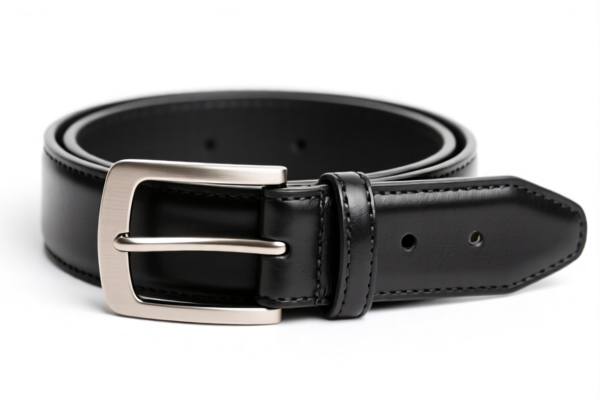
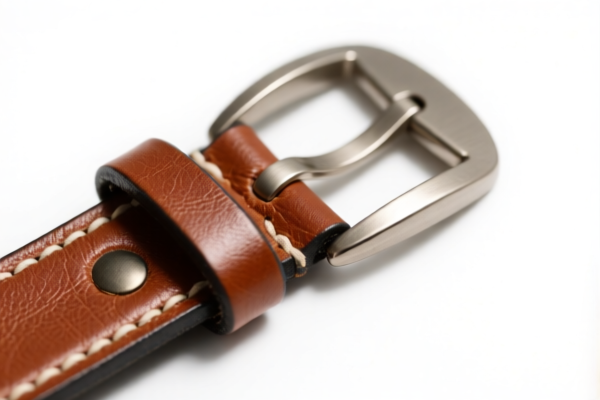
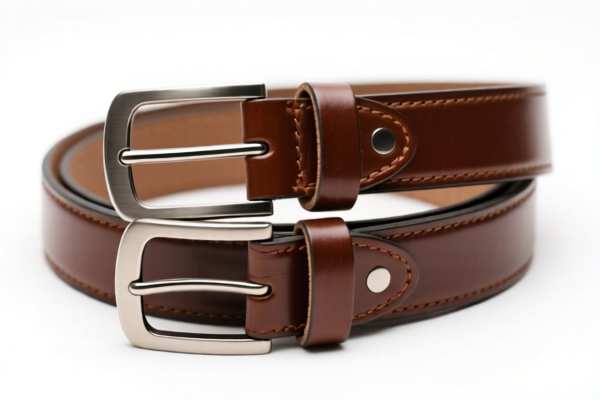
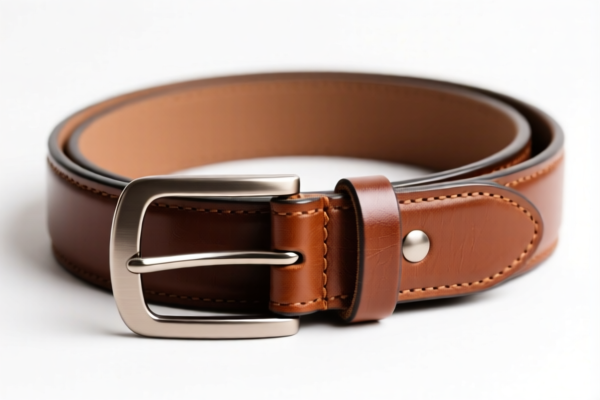
AI Analysis
🧳 Genuine Leather Belt (皮制腰带)
🌐 HS Code Reference & Customs Clearance Guide | 2024-2025 Latest Duty Analysis | Strategic Entry Protocols
📌 I. Product Definition & Classification: Is Your "Leather Belt" Really a Belt?
The Genuine Leather Belt is a quintessential accessory in global fashion, classified based on two pillars: Material Composition (Leather vs. Synthetic) and Function (Apparel Accessory vs. Watch Strap vs. Raw Material).
In international trade, a "Genuine Leather Belt" is NOT a single HS Code. It is a spectrum ranging from finished apparel accessories to raw hides, depending on the presence of a buckle, straps, or if it is unfinished.
⚠️ Critical Classification Logic:
- With a Buckle & Finished: Treated as an Apparel Accessory (Chapter 42).
- As a Watch Strap: Treated as a Watch Part (Chapter 91).
- As Raw/Unfinished Leather: Treated as Raw Hides (Chapter 41).
- Without a Buckle (Strap only): Often classified under General Leather Goods (Chapter 42).
📦 II. HS Code Classification Details (Based on Provided Data)
The following codes reflect the specific scenarios provided in the data, explaining the logic for each classification and the associated tax implications.
| HS Code | Product Description & Logic | Applicable Scenario | Total Tax Rate (CN → US) |
|---|---|---|---|
| 4203.30.00.00 | Belt with Buckle ✅ Logic: Explicitly fits "Belts with buckles" under Chapter 42. 🧠 Inference: Material is leather or synthetic leather by common sense. |
Finished Fashion Belt with a metal/plastic buckle. | 37.7% |
| 4203.40.60.00 | Leather Apparel Accessory ✅ Logic: "Leather" matches material; "Belt" fits "Apparel Accessory" (Clothing parts). 🔍 Focus: General leather goods that are finished accessories. |
General Leather Belts (especially if "Buckle" is the differentiating factor from 4203.30). | 35.0% |
| 9113.90.80.00 | Watch Strap / Part ✅ Logic: Inferred as Leather (common attribute) + Watch Strap accessory. 🔄 Logic: Fits "Other" category for watch parts. |
Genuine Leather Watch Bands/Straps. | 19.3% |
| 4205.00.80.00 | Other Leather Articles ✅ Logic: Explicit "Leather" material; Finished "Goods/Articles". 📦 Focus: Miscellaneous leather goods not fitting other specific subheadings. |
Leather Straps, Belts without Buckles, or general leather articles. | 35.0% |
| 4107.11.10.20 | Raw Leather / Hides ✅ Logic: "Genuine Leather" = Cow/Horse skin. ⚠️ Focus: No manufacturing finished into a specific accessory (e.g., raw hide, unprocessed or semi-processed). |
Raw Leather Hides/Skins (Not a finished belt). | 35.0% |
🔍 Key Insight:
- The Highest Tax (37.7%) applies to the Finished Belt with a Buckle (4203.30.00.00).
- The Lowest Tax (19.3%) applies if the item is classified as a Watch Strap (9113.90.80.00).
- If the item is Raw Leather (4107.11.10.20), it incurs high tariffs but no "finished goods" premium, though the base is 0%.
💰 III. 2024-2025 Tariff Rate Breakdown (Detailed Policy)
✅ Origin: China (CN)
✅ Destination: United States (US)
✅ Effective Period: Current (Section 301 / 122 Measures)
🎯 1. 4203.30.00.00 — Belt with Buckle (Highest Risk)
The most common classification for a standard fashion belt.
| Item | Content |
|---|---|
| Base Duty | 2.7% |
| Section 301 Surcharge | +25.0% (USITC "Add-on Tariff") |
| Section 122 Tax | +10.0% (Additional US Tariff on specific Chinese imports) |
| Total Rate | 37.7% |
| De Minimis Exemption | ❌ NO (Section 301 goods are not eligible for the $800 exemption) |
| Legal Path | 301:4203.30.00.00 → 122:4203.30.00.00 |
📌 Interpretation:
This is the standard fashion belt category. The 25% Section 301 tax is aggressive. The 10% Section 122 tax is an additional punitive measure for specific Chinese imports. Total cost impact: +37.7% on CIF value.
🎯 2. 4203.40.60.00 — Leather Apparel Accessory
Used for leather accessories that may not fit the "belt with buckle" specific definition or fall under a broader "apparel accessory" bucket.
| Item | Content |
|---|---|
| Base Duty | 0.0% |
| Section 301 Surcharge | +25.0% |
| Section 122 Tax | +10.0% |
| Total Rate | 35.0% |
| De Minimis Exemption | ❌ NO |
| Legal Path | 301:4203.40.60.00 → 122:4203.40.60.00 |
📌 Interpretation:
While the base duty is lower (0%), the 35% total remains high due to the 25% + 10% surcharges. The logic is that "Belt" = "Apparel Accessory" + "Leather".
🎯 3. 9113.90.80.00 — Watch Strap (The Low-Tax Escape)
If your "Genuine Leather Belt" is actually a Watch Band, this is your best bet.
| Item | Content |
|---|---|
| Base Duty | 1.8% |
| Section 301 Surcharge | +7.5% |
| Section 122 Tax | +10.0% |
| Total Rate | 19.3% |
| De Minimis Exemption | ❌ NO (Usually, but check specific watch part exclusions) |
| Legal Path | 301:9113.90.80.00 → 122:9113.90.80.00 |
📌 Interpretation:
Big Opportunity! If the product can be legitimately marketed and declared as a Watch Strap, the total tax drops to 19.3% (vs. 35-37.7% for belts). The Section 301 surcharge is significantly lower (7.5% vs 25%) for watch parts.
🎯 4. 4205.00.80.00 — Other Leather Goods
For belts without buckles or general leather articles.
| Item | Content |
|---|---|
| Base Duty | 0.0% |
| Section 301 Surcharge | +25.0% |
| Section 122 Tax | +10.0% |
| Total Rate | 35.0% |
| De Minimis Exemption | ❌ NO |
📌 Interpretation:
Similar to4203.40.60.00. The logic is "Leather" + "Finished Article". No specific "Buckle" feature needed, but still hits the high 25% Section 301 tax.
🎯 5. 4107.11.10.20 — Raw Cow/Horse Hides
For unprocessed or semi-processed leather hides.
| Item | Content |
|---|---|
| Base Duty | 0.0% |
| Section 301 Surcharge | +25.0% |
| Section 122 Tax | +10.0% |
| Total Rate | 35.0% |
| De Minimis Exemption | ❌ NO |
📌 Interpretation:
This applies if you are importing Raw Leather to make belts later. It is NOT a finished belt. If you ship a finished belt as "Raw Leather", Customs will seize it for misdeclaration.
🛠️ IV. Customs Clearance Practical Advice (Actionable Strategies)
✅ 1. Strategic Product Description (Naming Matters)
🔥 Rule: The name on the invoice must match the HS Code function.
Scenario Correct Description Risk if Wrong Fashion Belt "Leather Belt with Buckle" 37.7% Tax (4203.30) Watch Band "Genuine Leather Watch Strap" 19.3% Tax (9113.90) ⚠️ Raw Hide "Raw Cowhide Leather (Unfinished)" 35.0% Tax (4107.11) Strap Only "Leather Belt Strap (No Buckle)" 35.0% Tax (4205.00) ⚠️ Warning: Do NOT call a watch strap a "Belt" to save money; customs will classify it as a belt (37.7%). Do NOT call a finished belt "Raw Leather"; it is a felony.
✅ 2. Documentation Checklist (Non-Negotiable)
To avoid delays and audits, provide: 1. Detailed Photos: Must clearly show the Buckle (if any), the Material (grain pattern), and the Construction (seams, stitching). 2. Bill of Materials (BOM): Breakdown of Buckle (Metal), Leather, and Thread. 3. Technical Spec Sheet: Dimensions, Thickness of leather, Type of buckle (Zinc alloy, Stainless steel). 4. Material Declaration: Confirm "Genuine Leather" (Cow/Synthetic blend? If synthetic, code changes). 5. Origin Certificate: Proof of Chinese origin (required for Section 301).
✅ 3. Special Handling: The "Watch Strap" Loophole
- Strategy: If the belt is thin (< 2 inches) and sold as a watch band, declare it as 9113.90.80.00.
- Benefit: Saves 18.4% in taxes (37.7% - 19.3%).
- Condition: The product must be designed and marketed for watches, not wrists. If it's a 2-inch wide waist belt, this is fraud.
✅ 4. De Minimis Warning (Section 301)
- Myth: "Small orders under $800 are duty-free."
- Reality: Section 301 tariffs (25%) and Section 122 (10%) apply even to De Minimis shipments.
- Result: You cannot use the Section 321 exemption to bypass the 37.7% tax on leather belts. You must pay at the border or pre-pay duties.
🌍 V. Global Market Comparison (2024-2025)
| Market | Recommended HS Code | Est. Duty Rate | Key Constraint |
|---|---|---|---|
| 🇺🇸 USA | 4203.30.00.00 (Belt) |
37.7% | High Risk: Strict Section 301 enforcement. |
| 🇪🇺 EU | 4203.30.00 |
~4.0% | No Section 301. VAT (20-25%) applies separately. |
| 🇯🇵 Japan | 4203.30.00 |
~4.0% | No punitive tariffs. Low risk. |
| 🇨🇳 China | 4203.30.00 |
~15-20% | Domestic production, different rules. |
📌 Conclusion: The US Market is the most hostile for Chinese leather belts due to the 37.7% combined rate. Consider supply chain diversification (e.g., sourcing from Vietnam) to avoid Section 301 if possible, or accept the margin compression.
📌 VI. Common Mistakes & Pitfalls (Avoid These!)
❌ Mistake 1: Classifying a Buckle-less Leather Strap as 4203.30.00 (Belt).
👉 Correction: Use 4205.00.80.00 (Other Leather Goods) to avoid overpaying or under-declaring.
❌ Mistake 2: Calling a Watch Strap a "Belt" to fit a "fashion" mold.
👉 Correction: This increases tax to 37.7%. Declare as 9113.90.80.00 for 19.3% if it is truly a watch band.
❌ Mistake 3: Assuming De Minimis ($800) applies.
👉 Correction: Section 301 goods are excluded. You will be taxed on the full value.
❌ Mistake 4: Mislabeling Synthetic Leather as "Genuine Leather".
👉 Correction: HS Codes for synthetic (e.g., 4205.00.80.00 vs 4203.30.00) differ. Mislabeling leads to Customs Fines.
🎯 VII. Final Verdict: Strategic Recommendation
🔹 For Standard Waist Belts:
Expect 37.7% Tax. Prepare your margins accordingly. Do not attempt to bypass.🔹 For Watch Bands:
Maximize the 19.3% rate. Ensure product specs align with watch straps (width, lug connection).🔹 For Raw Hides:
Only import if you are a tannery. Do not ship finished goods as raw hides.
🚀 Pro Tip: If you are a US importer, apply for a Binding Ruling from US Customs (CBP) before the first shipment. Provide photos and samples to get a written confirmation that your specific belt design falls under 4203.30.00.00 or 4205.00.80.00. This prevents surprise audits and fines.
✨ Professional Clearance Starts with Precision!
💼 Your Margin Depends on Your HS Code!
Customer Reviews
About HS Code Classification
The Harmonized System (HS) is an internationally standardized nomenclature developed by the World Customs Organization (WCO) to classify traded products. Over 200 countries use the HS system as the basis for customs tariffs, trade statistics, and import/export regulations.
Each HS code follows a hierarchical structure:
- Chapter (2 digits) — Broad category of goods (e.g., Chapter 84: Machinery and Mechanical Appliances)
- Heading (4 digits) — More specific grouping within the chapter
- Subheading (6 digits) — Internationally standardized breakdown, used by all WCO member countries
- National subdivisions (8-10 digits) — Country-specific extensions for further classification, such as US HTSUS 10-digit codes
Correct HS code classification is essential for smooth customs clearance, accurate duty payment, and compliance with trade regulations. Misclassification can lead to customs delays, overpayment of duties, or penalties.
When importing from CN to US, the applicable tariff rates may include:
- Most-Favored-Nation (MFN) rate — The standard duty rate applied to WTO members
- General rate — Applied to countries without trade agreements
- Trade remedy duties — Additional tariffs such as Section 301 (anti-dumping), Section 232 (national security), or countervailing duties
The information provided on this page is for reference purposes only. For official classification, please consult with your local customs authority or a licensed customs broker.