Genuine Leather Wallet
CN → US| HS Code | Tariff Rate | Origin | Destination | Doc |
|---|---|---|---|---|
| 4202316000 | 43.0% | CN | US | Official Doc |
| 4205008000 | 35.0% | CN | US | Official Doc |
| 4202313000 | 38.7% | CN | US | Official Doc |
| 4205006000 | 39.9% | CN | US | Official Doc |
| 4107111020 | 35.0% | CN | US | Official Doc |
Product Images
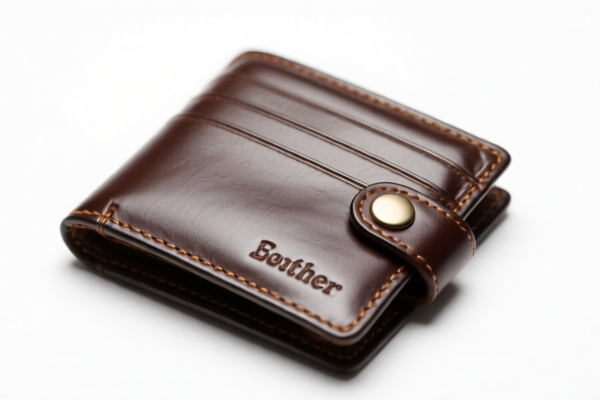
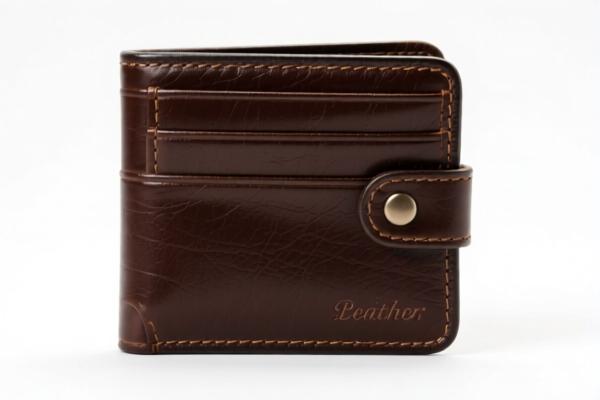
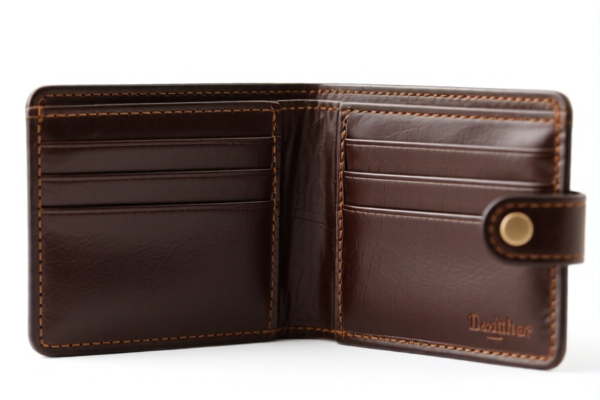
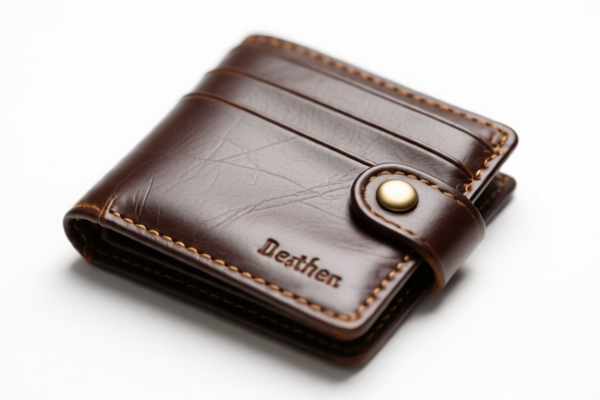
AI Analysis
👜 Genuine Leather Wallets (Small Leather Goods)
🌐 HS Code Reference & Customs Clearance Guide | 2026 Latest Tariff Analysis | Professional Clearance Strategy
📌 1. Product Definition and Classification: Do You Truly Understand "Genuine Leather Wallets"?
A Genuine Leather Wallet is a small article of leather goods used to carry personal items such as coins, banknotes, and cards. In international trade, leather products are strictly categorized based on their structure (pocket-type vs. other), material (full hide vs. processed leather), and specific function.
Key Distinction:
- If it is a pocket-type container (like a coin purse or small pouch) made of leather → It falls under Chapter 42, Heading 4202.
- If it is a solid piece of leather (raw/processed hide) without sewing/pouch structure → It falls under Chapter 41.
- If it is a general leather article not fitting specific "pocket" definitions but still made of leather → It may fall under Chapter 42, Heading 4205 (Other articles of leather).
⚠️ Critical Classification Point:
- 4202.31: Specifically covers "Articles of a kind normally carried in the pocket or in the purse" made of surface area of leather.
- 4205.00: Covers "Other articles of leather" (catch-all category for non-pocket leather goods like belts, straps, or miscellaneous accessories).
- 4107.11: Covers "Leather other than leather of heading 41.04 or 41.05," typically referring to the raw material itself or unfinished hides, not finished consumer goods like wallets.
📦 2. HS Code Classification Details (2026 Latest Tariff Authority Comparison)
Below are the exact HS Codes provided in the data source, categorized by product form and material.
| HS Code | Product Summary | Material | Form/Type | Total Tax Rate | Key Tax Components |
|---|---|---|---|---|---|
4202.31.60.00 |
Leather coin purse/wallet | Leather | Pocket-type container | 43.0% | Base: 8.0%, Add.: 25.0%, Sec 122: 10% |
4205.00.80.00 |
Other leather articles | Leather | Other articles (not pocket-type) | 35.0% | Base: 0.0%, Add.: 25.0%, Sec 122: 10% |
4202.31.30.00 |
Leather handbag/wallet style | Leather | Pocket-type (wallet-like) | 38.7% | Base: 3.7%, Add.: 25.0%, Sec 122: 10% |
4205.00.60.00 |
Other leather articles (Fallback) | Leather | Other articles (General fallback) | 39.9% | Base: 4.9%, Add.: 25.0%, Sec 122: 10% |
4107.11.10.20 |
Genuine Leather (Raw/Process) | Cow/Horse Hide | Raw/Processed Leather | 35.0% | Base: 0.0%, Add.: 25.0%, Sec 122: 10% |
🔍 Key Insight:
- Chapter 42 (Finished Goods) vs. Chapter 41 (Raw Material): A finished wallet must generally be classified under 4202 or 4205. Classifying a finished wallet as4107(raw leather) is often considered misclassification unless it is indeed raw hide being exported.
- "Pocket-Type" Matters:4202.31is for items carried in pockets/purses (wallets, coin purses).4205is for "other" leather goods (belts, straps, etc.). Misclassifying a wallet as4205to avoid higher base tariffs can lead to customs audits.
💰 3. 2026 Latest Tariff Rate Breakdown (Including Additional Taxes)
✅ Applicable Country: United States (US)
✅ Origin: China (CN)
✅ Effective Date: Post-November 10, 2025 (includes subsequent imports)
🎯 1. 4202.31.60.00 – Leather Coin Purse / Small Pouch
| Item | Detail |
|---|---|
| Base Tariff | 8.0% (ad valorem) |
| Section 301 Add-on | +25.0% (USITC Footnote for Chapter 42 goods from China) |
| Section 122 Add-on | +10.0% (Targeted tariff for specific Chinese imports, often linked to supply chain diversification policies) |
| Total Tax Rate | 43.0% |
| Calculation | CIF Value × 43.0% |
| De Minimis Exemption | ❌ No (Not eligible for $800 de minimis exemption due to high tariffs and origin) |
| Legal Path | USITC:4202.31.60.00 → 301:Section 301 → 122:Section 122 |
📌 Explanation:
- This is the most common classification for finished leather coin purses or small wallets that fit the "pocket-type" definition.
- The high total rate (43%) reflects the punitive trade measures.
- Warning: Do not confuse "coin purse" with "handbag." If the item is larger (e.g., a clutch or large wallet), it may still fall here, but if it's strictly a small pouch, this is the correct code.
🎯 2. 4202.31.30.00 – Leather Handbag/Wallet Style (Pocket-Type)
| Item | Detail |
|---|---|
| Base Tariff | 3.7% |
| Section 301 Add-on | +25.0% |
| Section 122 Add-on | +10.0% |
| Total Tax Rate | 38.7% |
| Calculation | CIF Value × 38.7% |
| De Minimis Exemption | ❌ No |
| Legal Path | USITC:4202.31.30.00 → 301:Section 301 → 122:Section 122 |
📌 Explanation:
- This code is for larger leather goods that are carried in pockets/purses, such as large wallets, clutches, or small handbags.
- The base tariff is lower (3.7%) compared to coin purses (8.0%), but the total rate is still high.
- Use Case: If your "wallet" is actually a clutch or a fold-over wallet with significant bulk, this code might be more accurate and cost-effective than4202.31.60.00.
🎯 3. 4205.00.80.00 & 4205.00.60.00 – Other Leather Articles (Non-Pocket Type)
| HS Code | Base Tariff | Add-ons | Total Rate | Notes |
|---|---|---|---|---|
4205.00.80.00 |
0.0% | 25% + 10% | 35.0% | General "Other" leather goods. Lower base, but must NOT be a pocket-type item. |
4205.00.60.00 |
4.9% | 25% + 10% | 39.9% | Fallback "Other" category. Higher base than 80. |
📌 Explanation:
- These codes are for leather items that are NOT carried in pockets, such as leather belts, straps, harnesses, or decorative leather pieces.
- Risk: If you ship a wallet under4205.00, Customs may reclassify it to4202.31and assess penalties, as wallets are inherently "pocket-type."
- Strategy: Only use if the item is not a wallet/purse (e.g., a leather key fob that doesn't contain coins/cash, or a leather tag).
🎯 4. 4107.11.10.20 – Genuine Leather (Raw/Processed)
| Item | Detail |
|---|---|
| Base Tariff | 0.0% |
| Section 301 Add-on | +25.0% |
| Section 122 Add-on | +10.0% |
| Total Tax Rate | 35.0% |
| Material | Cowhide or Horsehide |
| Legal Path | USITC:4107.11.10.20 → 301:Section 301 → 122:Section 122 |
📌 Explanation:
- This code is for raw or processed leather hides, NOT finished wallets.
- Misclassification Alert: Declaring a finished wallet as "leather hide" is fraudulent and carries severe penalties. Only use if you are importing bulk leather rolls or skins for manufacturing.
🛠️ 4. Customs Clearance Practical Advice (Pitfall Avoidance Guide)
✅ 1. Required Documentation Checklist (Mandatory)
| Document | Required | Description |
|---|---|---|
| ✅ Product Specification Sheet | ✔️ | Must specify: Material (e.g., "100% Full Grain Cowhide"), Dimensions, Closure Type (zipper, snap). |
| ✅ Product Photos | ✔️ | Clear images of the inside and outside, showing stitching, lining material, and any branding. |
| ✅ Commercial Invoice | ✔️ | Must clearly state: "Genuine Leather Wallet," HS Code, Country of Origin (China). |
| ✅ Material Declaration | ✔️ | Explicitly state if it is "Full Grain," "Top Grain," or "Genuine Leather" (split leather). |
| ✅ Packing List | ✔️ | Include unit weight and total quantity. |
✅ 2. Declaration Tips (Critical!)
🔥 "Be Specific, Be Accurate, Avoid 'Other'!"
| Scenario | Correct HS Code | Incorrect HS Code | Consequence |
|---|---|---|---|
| Standard Leather Wallet | 4202.31.30.00 or 4202.31.60.00 |
4205.00.80.00 |
Reclassification Risk: Customs may view "Other" as suspicious for a wallet. |
| Coin Purse / Small Pouch | 4202.31.60.00 |
4205.00.80.00 |
Higher Tax: 4205 has 0% base, but if misclassified, you face penalties. |
| Leather Belt | 4205.00.80.00 |
4202.31.60.00 |
Lower Tax: Belts are not "pocket-type," so 4202 is wrong. |
| Raw Leather Hide | 4107.11.10.20 |
4202.31.60.00 |
Fraud Penalty: Never declare finished goods as raw material. |
✅ 3. Special Cases & Strategy
| Situation | Recommendation |
|---|---|
| OEM Wallets for US Brands | Ensure the invoice lists the US brand as the "Importer of Record." Provide authorization letters if requested. |
| Mixed Materials (Leather + Fabric) | If >50% of surface area is leather, classify under 4202. If mostly fabric with leather trim, consider 4202.96 (synthetic) or 6307 (textiles), but this is complex. |
| High-Value Luxury Wallets | Ensure accurate valuation. Customs may audit if declared value is significantly below market price. |
| Samples for Showrooms | Clearly mark "NOT FOR SALE" on invoice. However, tariffs still apply unless under de minimis (which is risky with 43% tariffs). |
🌍 5. Global Market Comparison (2026 Latest)
| Country/Region | Recommended HS Code | Tariff (China Origin) | Notes |
|---|---|---|---|
| 🇺🇸 United States | 4202.31.60.00 |
43.0% | High tariffs due to Sec 301 & 122. |
| 🇪🇺 European Union | 4202.32.90 |
~6% - 12% | No Section 301. Lower base tariff. CE marking not required for leather. |
| 🇨🇳 China | 4202.31.60 |
~8% - 12% | Import duties apply. No additional punitive tariffs. |
| 🇬🇧 United Kingdom | 4202.32.90 |
~6% - 12% | Post-Brexit rules. Similar to EU. |
| 🇨🇦 Canada | 4202.31.60 |
~0% - 15% | Check CUSMA eligibility (unlikely for China origin). |
📌 Conclusion:
- The US is the most expensive market for Chinese leather goods due to combined 301 and 122 tariffs.
- EU/UK markets are significantly more cost-effective for the same product.
- Strategy: Consider tariff engineering (e.g., using non-leather materials) or supply chain diversification (manufacturing in Vietnam/Mexico) to access lower tariff regimes.
📌 6. Common Mistakes & Pitfalls (Lessons Learned)
❌ Mistake 1: Declaring a Wallet as "Leather Belt" (4205.00.80.00) to save on base tariff.
👉 Consequence: Customs inspection will reveal the item is not a belt. Penalties + Back Taxes + Potential Fraud Investigation.
❌ Mistake 2: Using "Other Leather Goods" (4205.00.80.00) for a Coin Purse.
👉 Consequence: While 4205 has 0% base, 4202.31.60.00 (43% total) is the correct code. If caught, you pay the difference plus penalties.
❌ Mistake 3: Claiming the item is "Raw Leather" (4107.11.10.20) for a finished wallet.
👉 Consequence: Immediate shipment seizure. Raw leather has no stitching, lining, or closure.
✅ Correct Practice:
"Leather Coin Purse, 100% Genuine Cowhide, Zipper Closure, Lining: Polyester, Model XYZ, Made in China"
🎯 7. Conclusion: Precision Matters in Tariff Classification
🎯 Key Takeaway:
🔹 "Wallets are Pocket-Type: Use 4202.31"
🔹 "Belts are Other: Use 4205.00"
🔹 "Raw Hide is 4107, Not a Wallet!"
🔹 "Total Tax is 35-43%, Plan Your Margin!"
📌 Pro Tip:
If you are exporting large volumes, consider applying for an Advance Ruling from US Customs (CBP) to confirm the correct HS Code before shipment. This provides legal protection against future reclassification and penalties.
📣 Action Required:
📞 Consult a Customs Broker: Verify the exact product structure against
4202.31vs.4205.00.
📄 Prepare Detailed Specs: Ensure your invoice matches the physical product exactly.
💰 Budget for 35-43% Tariffs: Factor this into your pricing strategy for the US market.
✨ Professional Clearance, Start with Accurate Classification!
💼 Your Profit Margin Depends on Your HS Code!
Customer Reviews
About HS Code Classification
The Harmonized System (HS) is an internationally standardized nomenclature developed by the World Customs Organization (WCO) to classify traded products. Over 200 countries use the HS system as the basis for customs tariffs, trade statistics, and import/export regulations.
Each HS code follows a hierarchical structure:
- Chapter (2 digits) — Broad category of goods (e.g., Chapter 84: Machinery and Mechanical Appliances)
- Heading (4 digits) — More specific grouping within the chapter
- Subheading (6 digits) — Internationally standardized breakdown, used by all WCO member countries
- National subdivisions (8-10 digits) — Country-specific extensions for further classification, such as US HTSUS 10-digit codes
Correct HS code classification is essential for smooth customs clearance, accurate duty payment, and compliance with trade regulations. Misclassification can lead to customs delays, overpayment of duties, or penalties.
When importing from CN to US, the applicable tariff rates may include:
- Most-Favored-Nation (MFN) rate — The standard duty rate applied to WTO members
- General rate — Applied to countries without trade agreements
- Trade remedy duties — Additional tariffs such as Section 301 (anti-dumping), Section 232 (national security), or countervailing duties
The information provided on this page is for reference purposes only. For official classification, please consult with your local customs authority or a licensed customs broker.