Gimbal
CN → US| HS Code | Tariff Rate | Origin | Destination | Doc |
|---|---|---|---|---|
| 9620002500 | 38.9% | CN | US | Official Doc |
| 8543906800 | 35.0% | CN | US | Official Doc |
| 8543908885 | 85.0% | CN | US | Official Doc |
| 9620002000 | 40.8% | CN | US | Official Doc |
| 9007918001 | 21.4% | CN | US | Official Doc |
Product Images
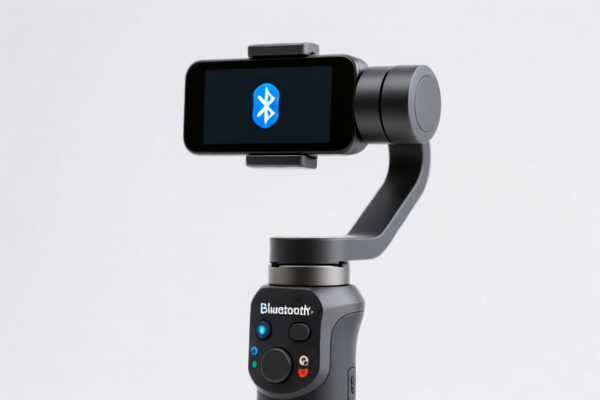
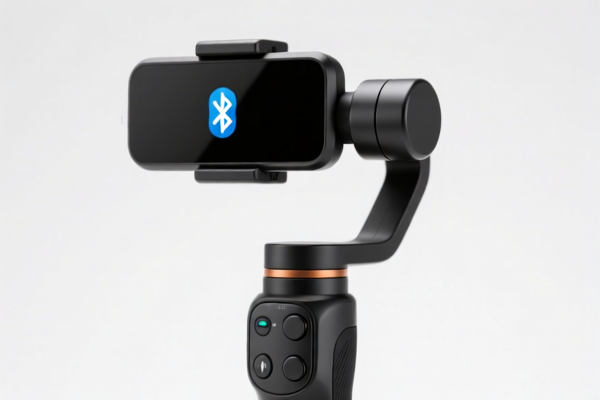
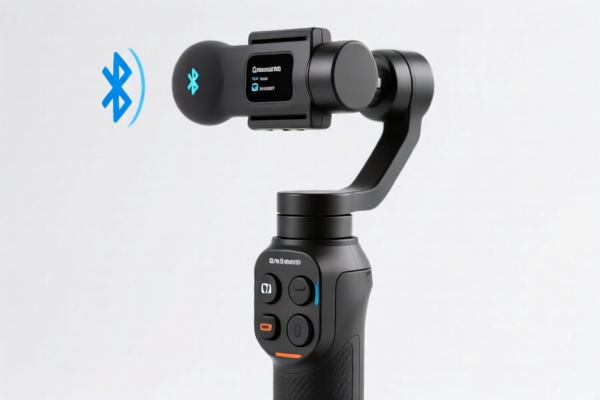
AI Analysis
🎥 Handheld Gimbal Stabilizers: HS Code Classification & Clearance Strategy (2026)
🌐 HS Code Reference & Clearance Guide | 2026 Latest Tariff Analysis | Professional Customs Strategy
📌 I. Product Definition & Classification: Do You Really Understand "Gimbals"?
A Handheld Gimbal Stabilizer is a mechanical or electronic device used to stabilize cameras, smartphones, or cinema cameras. In international trade, its classification is highly contested because it sits at the intersection of optical accessories and electrical equipment.
The core dispute lies in whether the device is viewed primarily as:
1. A Support Structure (Tripod-like accessory) → Classified under Chapter 96.
2. An Electrical Device with Motor Control → Classified under Chapter 85.
⚠️ Key Distinction Point:
- If the primary function is mechanical support and the electronic components are incidental → Chapter 96 (Typically lower tax).
- If the primary function is active motor stabilization controlled by circuit boards → Chapter 85 (Typically higher tax or subject to specific 122 clauses).
📦 II. HS Code Classification Details (2026 Authoritative Comparison)
Based on the provided data, here are the five potential HS Codes with their corresponding tax implications for Chinese-origin goods imported into the US:
| HS Code | Product Description / Logic | Total Tax Rate | Tax Breakdown |
|---|---|---|---|
9620.00.20.00 |
Photographic Camera Accessories Viewed as a tripod/stand accessory for cameras. |
40.8% | Base: 5.8% Section 301: 25.0% Section 122: 10.0% |
9620.00.25.00 |
Support Devices / Tripods Functional equivalent to tripods; mechanical support structure. |
38.9% | Base: 3.9% Section 301: 25.0% Section 122: 10.0% |
9007.91.80.01 |
Camera Parts & Accessories (Other) Categorized under film/cinema equipment parts as "other" accessories. |
21.4% | Base: 3.9% Section 301: 7.5% Section 122: 10.0% |
8543.90.68.00 |
Electrical Parts (PCB/Controller) Focuses on the printed circuit module controlling motor drivers. |
35.0% | Base: 0.0% Section 301: 25.0% Section 122: 10.0% |
8543.90.88.85 |
Independent Electrical Equipment Parts Core structural/motor parts classified as general electrical equipment parts. |
85.0% | Base: 0.0% Section 301: 25.0% Section 122: 10.0% + Steel/Aluminum/Copper Surcharge: 50% |
🔍 Critical Observation:
- The lowest tax burden lies with9007.91.80.01(21.4%), but it requires strong justification as a "part of a camera."
- The highest risk is8543.90.88.85(85.0%), due to the additional 50% tariff on steel/aluminum/copper components, which are prevalent in gimbal frames.
- Chapter 96 codes are generally safer if you can argue it is a "support accessory," but tax is higher than9007..
💰 III. 2026 Latest Tariff Rate Explanation (Including Surtaxes & Policy Additions)
✅ Applicable Country: USA (US)
✅ Origin: China (CN)
✅ Effective Time: Includes imports from 2025 onwards
🎯 1. 9007.91.80.01 —— Best Rate Scenario (21.4%)
| Item | Content |
|---|---|
| Base Rate | 3.9% (General Rate) |
| Section 301 Surtax | +7.5% (Lower than the standard 25%, specific to certain camera parts) |
| Section 122 Tariff | +10% (Specific provision) |
| Total Rate | 21.4% |
| Calculation | CIF Value × 21.4% |
| De Minimis Exemption | ❌ Not Applicable |
📌 Explanation:
This code assumes the gimbal is a part/accessory of a camera. The Section 301 rate is unusually low (7.5%) compared to the standard 25%, making this the most cost-effective option if customs accepts the classification.
🎯 2. 9620.00.25.00 & 9620.00.20.00 —— Support Structure Argument (38.9% - 40.8%)
| Item | Content |
|---|---|
| Base Rate | 3.9% (.25) or 5.8% (.20) |
| Section 301 Surtax | +25.0% (Standard Section 301 rate) |
| Section 122 Tariff | +10.0% |
| Total Rate | 38.9% / 40.8% |
| Calculation | CIF Value × 38.9%/40.8% |
| De Minimis Exemption | ❌ Not Applicable |
📌 Explanation:
If classified as a "tripod/stand" (Chapter 96), it faces the full 25% Section 301 tariff. While higher than9007., it is significantly safer and more predictable than the electrical codes.
🎯 3. 8543.90.68.00 —— Electrical Component Focus (35.0%)
| Item | Content |
|---|---|
| Base Rate | 0.0% |
| Section 301 Surtax | +25.0% |
| Section 122 Tariff | +10.0% |
| Total Rate | 35.0% |
| Calculation | CIF Value × 35.0% |
| De Minimis Exemption | ❌ Not Applicable |
📌 Explanation:
This code highlights the internal circuitry. It avoids base tariffs but still hits the full 25% Section 301.
🚨 4. 8543.90.88.85 —— The "Trap" Code (85.0%)
| Item | Content |
|---|---|
| Base Rate | 0.0% |
| Section 301 Surtax | +25.0% |
| Section 122 Tariff | +10.0% |
| Steel/Aluminum/Copper Surcharge | +50.0% |
| Total Rate | 85.0% |
| Calculation | CIF Value × 85.0% |
| De Minimis Exemption | ❌ Not Applicable |
📌 Warning:
This code applies if the gimbal is deemed to be made of significant metal components (steel, aluminum, copper) and classified under general electrical parts. The additional 50% metal tariff makes this the most expensive option. Avoid this classification at all costs unless unavoidable.
🛠️ IV. Customs Clearance Practical Advice (Real-World Pitfall Guide)
✅ 1. Preparation Checklist (Must-Haves)
| Document | Required | Notes |
|---|---|---|
| ✅ Product Specifications | ✔️ | Must detail motor type, control circuit, and weight. |
| ✅ Circuit Diagrams/PCB Info | ✔️ | Crucial for defending Chapter 85 or 9007 claims. |
| ✅ High-Res Photos | ✔️ | Show the gimbal holding a camera (supports "accessory" argument). |
| ✅ Bill of Materials (BOM) | ✔️ | Break down metal vs. plastic vs. electronic content. |
| ✅ Commercial Invoice | ✔️ | Clearly state "Camera Stabilizer/Gimbal," not just "Electrical Device." |
| ✅ Certificate of Origin | ✔️ | Essential for calculating Section 301 and 122 tariffs. |
✅ 2. Declaration Strategy (Key Mnemonics)
🔥 "Functional Priority: Accessory vs. Device"
| Scenario | Recommended HS Code | Risk Level |
|---|---|---|
| Gimbal marketed as "Camera Accessory" | 9007.91.80.01 |
⚠️ Medium (Requires strong proof it's a camera part) |
| Gimbal marketed as "Support/Tripod" | 9620.00.25.00 |
✅ Low-Medium (Standard practice, predictable tax) |
| Gimbal sold as "Electronic Controller" | 8543.90.68.00 |
⚠️ Medium (Tax is reasonable, but less common) |
| Gimbal with heavy metal frame | 8543.90.88.85 |
🚨 HIGH AVOID |
✅ 3. Special Situation Handling
| Situation | Recommendation |
|---|---|
| OEM Custom Gimbals | Provide design files proving it's a specialized camera accessory, not a general electrical tool. |
| Smartphone Gimbals | Argue for 9007.91.80.01 by stating it's an accessory for mobile photography devices (if accepted by CBP). |
| Cinema Gimbals | Strong case for 9007.91.80.01 as "parts of film cameras." |
| All-Metal Frame Gimbals | BE CAREFUL with Chapter 85. Ensure the "Metal Surcharge" (50%) is not triggered. Chapter 96 (9620) is safer for metal-heavy support devices. |
🌍 V. Global Market Comparison (2026)
| Market | Recommended HS Code | Est. Tax (China Origin) | Notes |
|---|---|---|---|
| 🇺🇸 USA | 9007.91.80.01 |
21.4% | Best rate if accepted. Otherwise, 9620.00.25.00 at 38.9%. |
| 🇨🇳 China | 9007.91.80.01 |
~6-10% | Lower base rates, no Section 301/122. |
| 🇪🇺 EU | 9006.91.00 |
0% (if eligible) | Check EU CN codes. Generally lower than US. |
| 🇬🇧 UK | 9006.91.00 |
0% | Post-Brexit, check UK Global Tariff. |
📌 Conclusion:
The US market is the most challenging due to Section 301 and Section 122 tariffs. The difference between 21.4% and 85% is life-changing for profitability.
📌 VI. Common Errors & Pitfall Guide (Lessons Learned)
❌ Error 1: Classifying as 8543.90.88.85 without checking material composition.
👉 Consequence: Hit with 85% total tariff due to the 50% metal surcharge.
❌ Error 2: Using "Electronic Stabilizer" as the product name.
👉 Consequence: CBP may lean towards Chapter 85 (higher uncertainty) instead of Chapter 90/96.
❌ Error 3: Ignoring Section 122 Tariff (10%).
👉 Consequence: Underestimating total landed cost by 10%.
✅ Correct Action:
"Handheld Motorized Camera Gimbal Stabilizer, Model XYZ, for DSLR/Mirrorless Cameras, FCC Certified."
🎯 VII. Conclusion: Precision Classification Saves Money!
🎯 Remember the Golden Rules:
🔹 "Camera Accessory First": Aim for
9007.91.80.01(21.4%) if you can prove it's a camera part.
🔹 "Support Structure Second": Use9620.00.25.00(38.9%) if9007is rejected.
🔹 "Avoid Metal Trap": Never use8543.90.88.85(85.0%) unless absolutely necessary.
📌 Pro Tip:
If your profit margin is thin, apply for a CBP Advance Ruling before shipping. The cost of a ruling is far less than the penalty of misclassification at 85%.
📣 Immediate Action:
📞 Consult a licensed customs broker.
📄 Provide product photos + circuit diagrams.
🚀 Secure the 21.4% rate or at least 38.9%, and avoid the 85% trap!
✨ Professional Clearance, Precise Classification, Maximum Profit!
💼 Your Bottom Line Depends on the First 8 Digits of the HS Code!
Customer Reviews
About HS Code Classification
The Harmonized System (HS) is an internationally standardized nomenclature developed by the World Customs Organization (WCO) to classify traded products. Over 200 countries use the HS system as the basis for customs tariffs, trade statistics, and import/export regulations.
Each HS code follows a hierarchical structure:
- Chapter (2 digits) — Broad category of goods (e.g., Chapter 84: Machinery and Mechanical Appliances)
- Heading (4 digits) — More specific grouping within the chapter
- Subheading (6 digits) — Internationally standardized breakdown, used by all WCO member countries
- National subdivisions (8-10 digits) — Country-specific extensions for further classification, such as US HTSUS 10-digit codes
Correct HS code classification is essential for smooth customs clearance, accurate duty payment, and compliance with trade regulations. Misclassification can lead to customs delays, overpayment of duties, or penalties.
When importing from CN to US, the applicable tariff rates may include:
- Most-Favored-Nation (MFN) rate — The standard duty rate applied to WTO members
- General rate — Applied to countries without trade agreements
- Trade remedy duties — Additional tariffs such as Section 301 (anti-dumping), Section 232 (national security), or countervailing duties
The information provided on this page is for reference purposes only. For official classification, please consult with your local customs authority or a licensed customs broker.