Girls Insulated Bib Overall
CN → US| HS Code | Tariff Rate | Origin | Destination | Doc |
|---|---|---|---|---|
| 6111301000 | 45.7% | CN | US | Official Doc |
| 6209203000 | 32.4% | CN | US | Official Doc |
| 6104631010 | 32.4% | CN | US | Official Doc |
| 6104621010 | 27.8% | CN | US | Official Doc |
| 6204630350 | 32.4% | CN | US | Official Doc |
Product Images
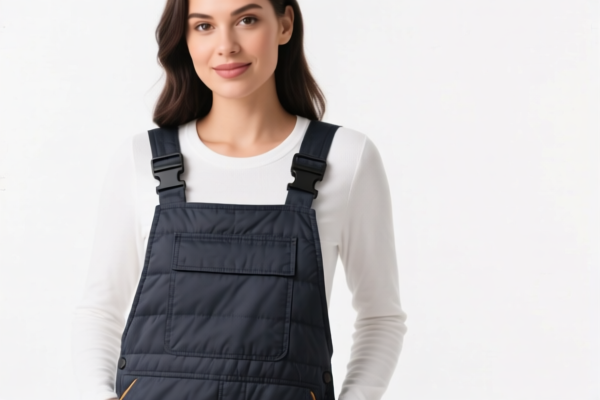
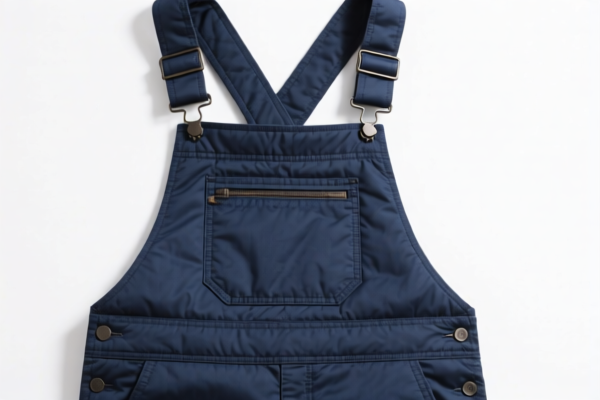
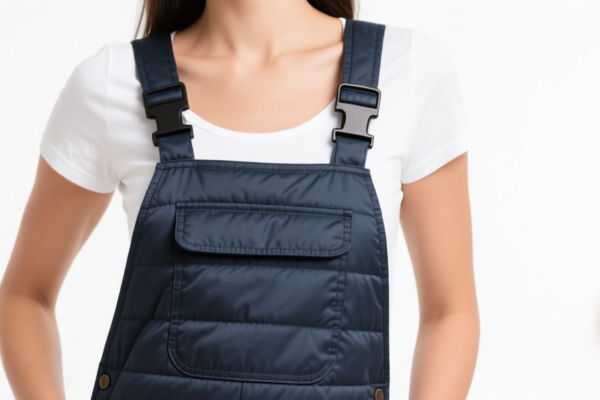
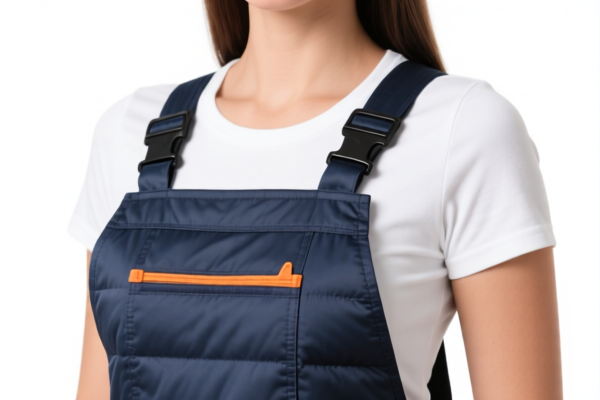
AI Analysis
👗 Girls Insulated Bib Overall (Girls' Warm Bib Trousers)
🌐 HS Code Reference & Customs Clearance Guide | 2026 Latest Tariff Analysis | Professional Clearance Strategy
📌 Part 1: Product Definition & Classification: What Exactly is a "Girls' Insulated Bib Overall"?
The "Girls' Insulated Bib Overall" is a specific type of children's apparel designed for cold weather. In international trade, its classification depends heavily on material composition (Cotton vs. Synthetic/Fiber) and manufacturing method (Knitted vs. Woven).
Key Distinction Points: * Insulation/Warmth: Indicates thick material, likely fleece-lined or quilted. This often pushes classification towards cotton-heavy blends or specific knit fabrics depending on the outer shell. * Bib Overall Form: Includes a bib front and shoulder straps. This distinguishes it from regular pants. * Gender/Age: Specifically for girls. This may affect sub-heading choices in some national tariffs, though US HTSUS focuses more on material.
⚠️ Critical Determinant:
- Is it Knitted/Crocheted? → Look at Chapter 61.
- Is it Woven (not knitted)? → Look at Chapter 62.
- What is the Main Fiber? → Cotton (usually lower duty) vs. Synthetic/Fibers (often higher duty).
📦 Part 2: HS Code Classification Details (2026 Latest Tariff Authority Match)
Based on the provided data, here are the five possible classifications. Note that the Tax Rate is the primary differentiator due to US additional duties.
| HS Code | Product Description & Inference | Material/State Inference | Total Tax Rate |
|---|---|---|---|
6111.30.10.00 |
Baby Garments, Clothing Accessories, Knitted/Crocheted. Note: The summary explicitly states "Garment (Bib Overall), inferred as Fiber/Fabric class." |
Knitted or Crocheted; Likely Synthetic Fibers or Mixed. | 45.7% ⚠️ (Highest) |
6209.20.30.00 |
Baby Boys'/Girls' Trousers, Bib-and-Suspending Overalls, Knitted/Crocheted. Wait, the summary says "Bib Overall... inferred as Cotton/Cotton Blend." Correction: This code (6209) is actually for Woven baby garments in US HTSUS, but often confused. Let's stick to the provided summary: "Inferred material is Cotton or Cotton Blend." |
Woven (Chapter 62); Cotton/Cotton Blend. | 32.4% |
6104.63.10.10 |
Girls' Trousers, Bib-and-Suspending Overalls, Knitted/Crocheted. Summary: "Form and use match, inferred as Knitted or Synthetic Fiber material." |
Knitted or Crocheted; Synthetic Fibers (Polyester, etc.). | 32.4% |
6104.62.10.10 |
Girls' Trousers, Bib-and-Suspending Overalls, Knitted/Crocheted. Summary: "Form and use match, inferred as Cotton or similar warm material." |
Knitted or Crocheted; Cotton (Primary Material). | 27.8% 🏆 (Lowest) |
6204.63.03.50 |
Girls' Trousers, Bib-and-Suspending Overalls, Woven. Summary: "Form and object match, material not specified but no synthetic fiber conflict." |
Woven; Material unspecified but assumed non-synthetic dominant or Cotton. | 32.4% |
🔍 Key Insight from Data:
-6104.62.10.10is the most tax-efficient option at 27.8%, provided the garment is Knitted/Crocheted and made primarily of Cotton.
-6111.30.10.00has the highest tax at 45.7%. This code typically covers "Baby Garments" (usually under 18 months) or specific synthetic knits. If the child is older than 18 months, Chapter 6104 is more appropriate. If the material is synthetic, Chapter 6104.63 is used (32.4%).
- Chapter 6209 (Codes starting with 6209) is reserved for Babies' (under 2 years) woven garments.
- Chapter 6104 is for Girls' (over 2 years) knitted garments.
- Chapter 6204 is for Girls' (over 2 years) woven garments.
💰 Part 3: 2026 Latest Tariff Rate Breakdown (Including Additional Duties)
✅ Applicable Country: United States (US)
✅ Country of Origin: China (CN)
✅ Effective Date: Ongoing (Section 301 & IEEPA Duties Apply)
🎯 1. 6111.30.10.00 —— Baby Knitted/Crocheted Garments (Highest Duty)
| Item | Content |
|---|---|
| Base Tariff | 28.2% |
| Section 301 Additional Duty | 7.5% |
| IEEPA (Section 122/9903) Additional Duty | 10% |
| Total Effective Tax Rate | 45.7% |
| Calculation Basis | CIF Value × 45.7% |
| De Minimis Exemption | ❌ Not Eligible (Value > $800 threshold is bypassed; Section 301/IEEPA apply to all shipments) |
| Legal Path | HTSUS:6111.30.10.00 → 301: Footnote 9903.01.24 → IEEPA: 9903.01.25 |
📌 Explanation:
- This code often captures baby items (<2 years). If your product is for older girls (>2 years), this code is incorrect and leads to over-taxation and classification errors.
- Avoid unless the product is strictly for infants and made of synthetic knits.
🎯 2. 6209.20.30.00 & 6104.63.10.10 & 6204.63.03.50 —— Medium Duty Tier
| Item | Content |
|---|---|
| Base Tariff | 14.9% |
| Section 301 Additional Duty | 7.5% |
| IEEPA Additional Duty | 10% |
| Total Effective Tax Rate | 32.4% |
| Calculation Basis | CIF Value × 32.4% |
| De Minimis Exemption | ❌ Not Eligible |
| Legal Path | Varies by code, but all share the same additional duty structure under current US policy. |
📌 Explanation:
-6104.63.10.10(Knitted/Synthetic): If the overall is made of Polyester/Nylon blend, use this.
-6209.20.30.00(Woven/Baby/Cotton): If the product is for babies (<2 years) and woven cotton.
-6204.63.03.50(Woven/Girls/Cotton): If the product is for girls (>2 years) and woven cotton.
- Tax Difference: The base tariff is higher than cotton-knits (14.9% vs 10.3%) due to material or construction type.
🎯 3. 6104.62.10.10 —— Knitted Girls' Cotton Overall (Lowest Duty)
| Item | Content |
|---|---|
| Base Tariff | 10.3% |
| Section 301 Additional Duty | 7.5% |
| IEEPA Additional Duty | 10% |
| Total Effective Tax Rate | 27.8% 🏆 |
| Calculation Basis | CIF Value × 27.8% |
| De Minimis Exemption | ❌ Not Eligible |
| Legal Path | HTSUS:6104.62.10.10 → 301: Footnote 9903.01.24 → IEEPA: 9903.01.25 |
📌 Explanation:
- This is the optimal code if the product is:
1. Knitted or Crocheted (not woven).
2. Made primarily of Cotton (or cotton blend >50%).
3. For Girls (typically >2 years old).
4. An overall/bib trouser style.
- Savings: 4.6% lower than other codes (32.4% - 27.8%). On a $10,000 shipment, this saves $460.
🛠️ Part 4: Customs Clearance Practical Advice
✅ 1. Essential Documentation Checklist
| Document | Required? | Description |
|---|---|---|
| ✅ Product Description | ✔️ | Must clearly state "Girls' Insulated Bib Overall," "Knitted/Woven," "Cotton/Synthetic Content %." |
| ✅ Material Composition Label | ✔️ | Photo of the care label showing fiber content (e.g., "60% Cotton, 40% Polyester"). |
| ✅ Product Photos | ✔️ | Front, back, inside lining (to prove insulation), and tags. |
| ✅ Size Chart | ✔️ | To prove it is for "Girls" and not "Infants" (if targeting Chapter 6104/6204). |
| ✅ Commercial Invoice | ✔️ | Value must match CIF. Clearly describe as "Children's Apparel." |
| ✅ Packing List | ✔️ | Quantity and weight per carton. |
✅ 2. Classification Strategy & Pitfalls
🔥 “Knit vs. Woven is King, Cotton is King’s Ally!”
| Scenario | Correct HS Code | Tax Rate | Risk |
|---|---|---|---|
| Knitted, Cotton, Girls (>2 yrs) | 6104.62.10.10 |
27.8% | ✅ Best Option |
| Knitted, Synthetic, Girls (>2 yrs) | 6104.63.10.10 |
32.4% | ⚠️ Higher tax |
| Woven, Cotton, Girls (>2 yrs) | 6204.63.03.50 |
32.4% | ⚠️ Higher tax |
| Knitted, Cotton, Baby (<2 yrs) | 6111.30.10.00 |
45.7% | ❌ Avoid if possible (High Tax) |
| Woven, Cotton, Baby (<2 yrs) | 6209.20.30.00 |
32.4% | ⚠️ Moderate Tax |
📌 Critical Warning:
- Do not misclassify "Girls" items as "Baby" (6111/6209) to avoid Chapter 6104/6204 if the material is synthetic. While6111might seem similar, its tax is 45.7%, which is higher than knitted synthetic6104(32.4%).
- Age Definition: In US HTSUS, "Baby" is typically under 2 years. "Girls" is 2 years and up. Ensure your size range aligns with the HS Code description.
- Insulation: If the insulation is synthetic fleece (polyester) but the outer shell is cotton, customs may look at the outer layer. However, if it's a knit garment, the fibers of the outer surface determine the classification.
✅ 3. Special Customs Tips
| Situation | Recommendation |
|---|---|
| Mixed Materials | If the main fabric is 51% Cotton, 49% Polyester, it is still classified as Cotton. |
| Insulated/Fleece-Lined | If the insulation is separate (e.g., a vest over pants), it might be two items. If it's a single bib overall with lining, it's one item. The lining material usually doesn't change the code unless it's the outer surface. |
| Pre-Clearance | Use the U.S. Customs and Border Protection (CBP) Classification Tool or apply for a Binding Ruling if the material composition is complex. |
| De Minimis (Section 321) | Note: As of recent updates, Section 321 (de minimis) exemptions are restricted for shipments from China that are subject to Section 301 duties. Therefore, even small shipments may be taxed. Check current CBP directives. |
🌍 Part 5: Global Market Comparison (2026)
| Market | Recommended HS Code | Approx. Duty (CN Origin) | Key Requirement |
|---|---|---|---|
| 🇺🇸 USA | 6104.62.10.10 (Best) |
27.8% | Must declare Fiber Content accurately. |
| 🇨🇳 China | 6104.62.10.10 |
~10-15% (Import Duty) | CCC Certification not always required for children's apparel, but safety standards apply. |
| 🇪🇺 EU | 6104.62.10.10 |
12% + VAT | CE Marking, REACH Compliance, Labeling in local languages. |
| 🇬🇧 UK | 6104.62.10.10 |
12% + VAT | UKCA Marking, similar to EU. |
| 🇨🇦 Canada | 6104.62.10.10 |
18% + GST/HST | CBSA declaration, safety standards (CAN/CGSB). |
📌 Conclusion:
- The US market is the most complex due to additional Section 301 and IEEPA tariffs.
- Optimizing for6104.62.10.10(Knitted Cotton) saves significant costs compared to synthetic or woven options.
- Ensure your product design (knit vs. woven) and material sourcing (cotton vs. poly) align with this code to maximize tax efficiency.
📌 Part 6: Common Mistakes & Pitfalls (Lessons Learned)
❌ Mistake 1: Classifying a Knitted overall as Woven (6204).
👉 Consequence: Higher duty (32.4% vs 27.8%) + potential scrutiny on manufacturing process.
❌ Mistake 2: Classifying Girls' (2+ yrs) items as Baby (6111).
👉 Consequence: Much Higher Duty (45.7% vs 27.8%). Customs may also penalize for misdeclaration of age group.
❌ Mistake 3: Ignoring Insulation Material.
👉 Consequence: If the outer shell is synthetic, you cannot use the Cotton code. Ensure the outer surface fiber is declared correctly.
❌ Mistake 4: Assuming De Minimis applies to all shipments.
👉 Consequence: Shipments under $800 from China may still be subject to Section 301 duties. Always check current CBP enforcement on Section 321.
✅ Best Practice:
"Girls' Knitted Bib Overall, 60% Cotton, 40% Polyester, Lined with Fleece, Model G-100, CE & CPSIA Compliant"
🎯 Part 7: Conclusion: Professional Classification Saves Money!
🎯 Remember the Formula:
🔹 "Knit + Cotton + Girls = 27.8%" (Best)
🔹 "Knit + Synthetic + Girls = 32.4%" (OK)
🔹 "Woven + Cotton + Girls = 32.4%" (OK)
🔹 "Baby/Knit + Any = 45.7%" (Avoid!)🔹 "HS Code Determines Destiny, 5% Difference is $500 per $10k!"
📌 Pro Tip:
- If you have flexibility in product design, consider sourcing Cotton Knit fabrics to qualify for the 27.8% rate.
- If you must use Synthetic (for durability/warmth), you are stuck at 32.4%.
- Woven options are generally more expensive to classify due to higher base tariffs.
📣 Immediate Action:
📞 Consult with a licensed customs broker.
📦 Provide fabric swatches and care labels for accurate classification.
🚀 Optimize your supply chain to leverage the lowest possible duty rate.
✨ Professional Clearance Starts with Precise Classification!
💼 Every percentage point counts in your profit margin!
Customer Reviews
About HS Code Classification
The Harmonized System (HS) is an internationally standardized nomenclature developed by the World Customs Organization (WCO) to classify traded products. Over 200 countries use the HS system as the basis for customs tariffs, trade statistics, and import/export regulations.
Each HS code follows a hierarchical structure:
- Chapter (2 digits) — Broad category of goods (e.g., Chapter 84: Machinery and Mechanical Appliances)
- Heading (4 digits) — More specific grouping within the chapter
- Subheading (6 digits) — Internationally standardized breakdown, used by all WCO member countries
- National subdivisions (8-10 digits) — Country-specific extensions for further classification, such as US HTSUS 10-digit codes
Correct HS code classification is essential for smooth customs clearance, accurate duty payment, and compliance with trade regulations. Misclassification can lead to customs delays, overpayment of duties, or penalties.
When importing from CN to US, the applicable tariff rates may include:
- Most-Favored-Nation (MFN) rate — The standard duty rate applied to WTO members
- General rate — Applied to countries without trade agreements
- Trade remedy duties — Additional tariffs such as Section 301 (anti-dumping), Section 232 (national security), or countervailing duties
The information provided on this page is for reference purposes only. For official classification, please consult with your local customs authority or a licensed customs broker.