Girls Sweatshirt
CN → US| HS Code | Tariff Rate | Origin | Destination | Doc |
|---|---|---|---|---|
| 6114200060 | 28.3% | CN | US | Official Doc |
| 6114200010 | 28.3% | CN | US | Official Doc |
| 6104220080 | 0.0% | CN | US | Official Doc |
| 6104220090 | 0.0% | CN | US | Official Doc |
| 6211420560 | 25.6% | CN | US | Official Doc |
Product Images
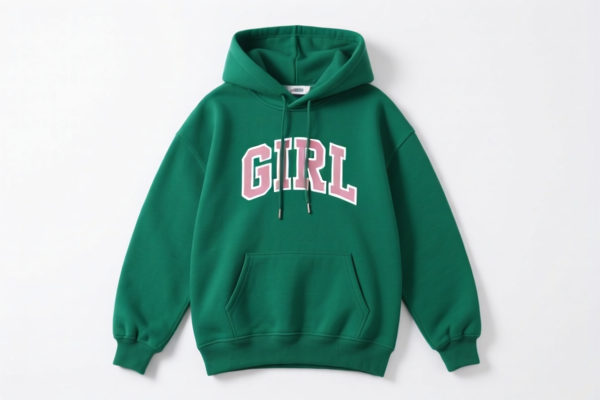
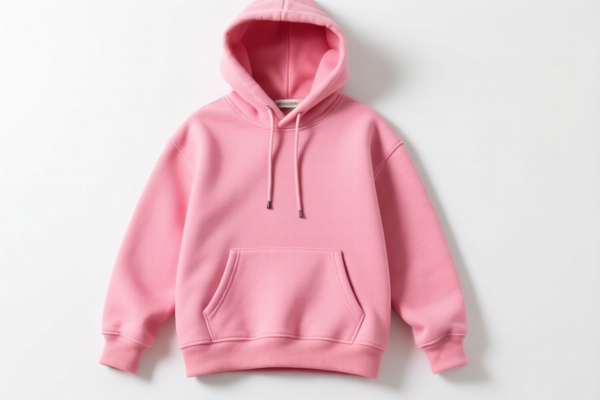
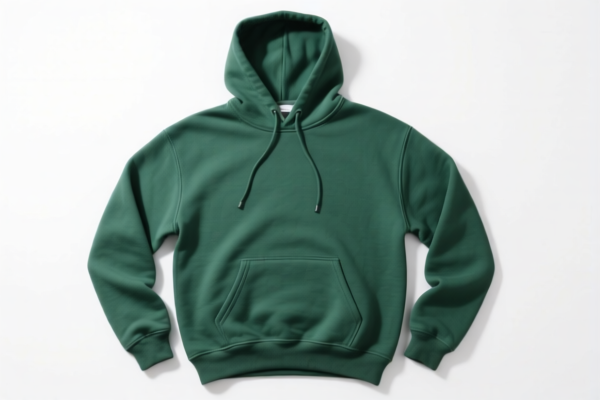
AI Analysis
👕 Girls Sweatshirts (Cotton Knitted/Woven)
🌐 HS Code Reference & Customs Clearance Guide | 2026 Latest Tariff Analysis | Professional Entry Strategies
📌 I. Product Definition & Classification: Do You Really Know "Girls' Sweatshirts"?
A girls' sweatshirt is a casual upper-body garment, typically characterized by a loose fit, crew neck or hood, and long sleeves. In international trade, classification depends heavily on the fabric composition (Knitted vs. Woven), the construction method (Single piece vs. Ensemble/Suit), and the target demographic (Girls vs. Women).
Cotton Knitted Sweatshirts: Usually classified under Chapter 61 (Articles of Apparel and Clothing Accessories, Knitted or Crocheted). Cotton Woven Sweatshirts: Usually classified under Chapter 62 (Articles of Apparel and Clothing Accessories, Not Knitted or Crocheted).
⚠️ Key Distinction Point:
- If the garment is a stand-alone item (not part of a suit) → Look at 6114 or 6211. - If the garment is part of an ensemble/suit (e.g., sweatshirt + pants sold together) → Look at 6104 or 6204. - "Girls" vs. "Women": While often similar, specific subheadings may distinguish based on size or marketing intent.
📦 II. HS Code Classification Details (2026 Latest Tariff Authority Cross-Reference)
The data provided focuses on Girls' Cotton Sweatshirts. Below is the detailed breakdown based on the provided dataset.
| HS Code | Product Description | Application Scenario | Fabric/Construction |
|---|---|---|---|
6114.20.00.60 |
Girls' cotton sweatshirt, knitted garment, cotton fabric, for girls/women | Standard knitted sweatshirt | ✅ Knitted, 100% Cotton |
6114.20.00.10 |
Girls' cotton sweatshirt, cotton material, sweatshirt form, for girls/women | Standard knitted sweatshirt | ✅ Knitted, 100% Cotton |
6104.22.00.80 |
Girls' cotton sweatshirt, wool blend sweater/hoodie in cotton knitted girls' ensemble | Part of a Suit/Ensemble | ✅ Knitted, Part of Ensemble |
6104.22.00.90 |
Girls' cotton sweatshirt, cotton material, sweatshirt form, for girls/women, non-excluded | Part of a Suit/Ensemble | ✅ Knitted, Part of Ensemble |
6211.42.05.60 |
Girls' cotton sweatshirt, cotton material, pullover form, meets classification requirements | Woven pullover/sweatshirt | ❌ Woven (Chapter 62) |
6211.42.10.60 |
Girls' cotton sweatshirt, cotton material, within pullover category, fully meets classification | Woven pullover/sweatshirt | ❌ Woven (Chapter 62) |
🔍 Key Reminder:
- Knitted sweatshirts generally fall under 6114.20. - Ensembles (e.g., matching top and bottom) fall under 6104.22. - Woven sweatshirts (less common but possible in heavy cotton) fall under 6211.42. - The provided data shows that Knitted items generally attract higher total tariffs (28.3%) compared to Woven items (25.6%) in this specific context.
💰 III. 2026 Latest Tariff Rate Details (Including Surcharges & Policy Add-ons)
✅ Applicable Country: United States (US)
✅ Origin: China (CN)
✅ Effective Time: Current regulations apply (Section 301 & Section 122)
🎯 1. Knitted Sweatshirts (HS: 6114.20.00.60 / 6114.20.00.10)
| Item | Content |
|---|---|
| Base Tariff | 10.8% |
| Section 301 Surcharge | 7.5% (Note: Standard Section 301 is often 25%, but data specifies 7.5% here) |
| Section 122 Tariff | 10% |
| Total Tax Rate | 28.3% |
| Tax Calculation | CIF Value × 28.3% |
| De Minimis Exemption | ❌ Not Eligible (Subject to high tariffs) |
| Legal Basis | Base Duty + Section 301 + Section 122 |
📌 Explanation:
- Base Duty (10.8%): Standard US Most Favored Nation (MFN) rate for cotton knitted apparel. - Section 301 (7.5%): Additional tariff on Chinese goods. - Section 122 (10%): Tariff imposed under Section 122 of the Trade Expansion Act of 1962 (often applied to imports affecting national security/supply chain). - Total: 28.3%. This is a high-cost category for importers.
🎯 2. Ensembles/Suits (HS: 6104.22.00.80 / 6104.22.00.90)
| Item | Content |
|---|---|
| Base Tariff | Rate applicable to each garment if entered separately |
| Section 301 Surcharge | 7.5% |
| Section 122 Tariff | 10% |
| Total Tax Rate | (Base Rate + 17.5%) |
| Tax Calculation | Sum of individual garment duties + 17.5% surcharges |
| De Minimis Exemption | ❌ Not Eligible |
| Legal Basis | Ensemble classification rules + Surcharges |
📌 Explanation:
- If sold as a suit (e.g., sweatshirt + pants), the duty is calculated based on the most significant garment or the ensemble rate, but the data suggests applying the rate "as if separately entered" plus the surcharges. - The 17.5% surcharge is the sum of Section 301 (7.5%) and Section 122 (10%).
🎯 3. Woven Sweatshirts (HS: 6211.42.05.60 / 6211.42.10.60)
| Item | Content |
|---|---|
| Base Tariff | 8.1% |
| Section 301 Surcharge | 7.5% |
| Section 122 Tariff | 10% |
| Total Tax Rate | 25.6% |
| Tax Calculation | CIF Value × 25.6% |
| De Minimis Exemption | ❌ Not Eligible |
| Legal Basis | Base Duty + Section 301 + Section 122 |
📌 Explanation:
- Woven cotton sweatshirts have a lower base tariff (8.1%) compared to knitted ones (10.8%). - However, the same surcharges apply, resulting in a Total Rate of 25.6%. - Savings: Importing woven sweatshirts instead of knitted ones can save 2.7% in total duties.
🛠️ IV. Customs Clearance Practical Advice (Real-World Pitfall Guide)
✅ 1. Preparation Checklist (Mandatory)
| Document | Required? | Description |
|---|---|---|
| ✅ Product Spec Sheet | ✔️ | Must specify: Knitted vs. Woven, 100% Cotton, Age Group (Girls). |
| ✅ Composition Label | ✔️ | Photo of the care label inside the garment. |
| ✅ Commercial Invoice | ✔️ | Must clearly state "Girls' Cotton Sweatshirt" and HS Code. |
| ✅ Packing List | ✔️ | Detail quantity, weight, and packaging type. |
| ✅ Origin Certificate | ❌ | Not typically needed for US from CN unless claiming preferential (not applicable here). |
✅ 2. Declaration Tips (Key Mantras)
🔥 "Knitted is 61, Woven is 62; Ensemble is 6104; Don't Forget 122!"
| Scenario | Correct Declaration | Wrong Approach |
|---|---|---|
| Single Knitted Sweatshirt | 6114.20.00.60 or 6114.20.00.10 |
Misclassifying as woven → 25.6% |
| Single Woven Pullover | 6211.42.05.60 |
Misclassifying as knitted → 28.3% |
| Sweatshirt + Pants Sold Together | 6104.22.00.80 (if knitted) |
Declaring separately → Higher combined duty |
| Blended Fabric (e.g., 80% Cotton, 20% Polyester) | Check "Principal Material" rule | Assuming 100% Cotton classification |
✅ 3. Special Considerations
| Situation | Handling Advice |
|---|---|
| Section 122 Tariff (10%) | This is often temporary or policy-driven. Verify if it's still active at the time of entry. |
| De Minimis (Section 321) | Shipments under $800 do NOT qualify for de minimis exemption if subject to Section 122 or specific exclusions. Always declare. |
| Age Labeling | Ensure "Girls" is clearly stated. If mislabeled as "Women," duty rates might differ slightly, but risks classification error penalties. |
🌍 V. Global Market Comparison (2026 Latest)
| Country/Region | Recommended HS Code | Base Duty | Surcharges | Total Estimate | Remarks |
|---|---|---|---|---|---|
| 🇺🇸 USA | 6114.20.00.60 |
10.8% | 17.5% (S301+S122) | 28.3% | High barrier due to Section 122. |
| 🇨🇳 China | 6114.20.00.60 |
~15% | 0% | ~15% | Import duty into China (not export). |
| 🇪🇺 EU | 6109.10.00 (T-shirt category) |
12% | 0% | 12% | EU often categorizes sweatshirts differently (e.g., 6109 for T-shirts, 6110 for Jumpers). |
| 🇬🇧 UK | 6114.20.00 |
12% | 0% | 12% | Post-Brexit rules apply. |
| 🇯🇵 Japan | 6114.20.00 |
16% | 0% | 16% | No Section 122 equivalent. |
📌 Conclusion:
- The US market is the most expensive due to the combination of Section 301 and Section 122 tariffs. - Woven sweatshirts are slightly cheaper to import into the US than knitted ones (25.6% vs 28.3%).
📌 VI. Common Errors & Pitfall Guide (Blood & Tears Lessons)
❌ Error 1: Declaring a Knitted sweatshirt as Woven (6211)
👉 Consequence: If caught, customs will reclassify it, leading to penalties and back taxes (paying the difference + interest).
❌ Error 2: Ignoring Section 122
👉 Consequence: Under-declaring duty by omitting the 10% surcharge → Seizure of goods or heavy fines.
❌ Error 3: Declaring an Ensemble as a single item without proper HS Code
👉 Consequence: Using 6114 instead of 6104 → Misclassification penalty.
❌ Error 4: Assuming De Minimis exemption for Section 122 goods
👉 Consequence: Packages under $800 may still be subject to full duty if Section 122 applies, leading to unexpected costs for consumers/businesses.
✅ Correct Practice:
"Girls' Cotton Knitted Sweatshirt, 100% Cotton, Crew Neck, Long Sleeve, Model XYZ, HTS: 6114.20.00.60, Subject to Sec 301 & Sec 122."
🎯 VII. Conclusion: Professional Declaration, Cost Savings!
🎯 Remember the Mantra:
🔹 "Knitted is 28.3%, Woven is 25.6%, Ensemble is Special."
🔹 "Section 122 adds 10%, Don't Ignore It!"
📌 Pro Tip:
- If you are importing Knitted sweatshirts, check if Woven alternatives are feasible to save 2.7% in duties.
- Always verify the current status of Section 122 tariffs, as they can change based on geopolitical decisions.
- Apply for a Binding Ruling from CBP if you are unsure about the Knitted vs. Woven classification.
📣 Immediate Action:
📞 Contact your customs broker + Provide Fabric Swatch + Confirm HTS Code
🚀 Ensure Smooth Clearance, Avoid Penalties, and Protect Margins!
✨ Professional Customs Clearance Starts with Accurate Classification!
💼 Your Every Dollar of Duty Cost is Worth Precise Calculation!
Customer Reviews
About HS Code Classification
The Harmonized System (HS) is an internationally standardized nomenclature developed by the World Customs Organization (WCO) to classify traded products. Over 200 countries use the HS system as the basis for customs tariffs, trade statistics, and import/export regulations.
Each HS code follows a hierarchical structure:
- Chapter (2 digits) — Broad category of goods (e.g., Chapter 84: Machinery and Mechanical Appliances)
- Heading (4 digits) — More specific grouping within the chapter
- Subheading (6 digits) — Internationally standardized breakdown, used by all WCO member countries
- National subdivisions (8-10 digits) — Country-specific extensions for further classification, such as US HTSUS 10-digit codes
Correct HS code classification is essential for smooth customs clearance, accurate duty payment, and compliance with trade regulations. Misclassification can lead to customs delays, overpayment of duties, or penalties.
When importing from CN to US, the applicable tariff rates may include:
- Most-Favored-Nation (MFN) rate — The standard duty rate applied to WTO members
- General rate — Applied to countries without trade agreements
- Trade remedy duties — Additional tariffs such as Section 301 (anti-dumping), Section 232 (national security), or countervailing duties
The information provided on this page is for reference purposes only. For official classification, please consult with your local customs authority or a licensed customs broker.