Glass Bead Reflective Plastic Strip
CN → US| HS Code | Tariff Rate | Origin | Destination | Doc |
|---|---|---|---|---|
| 3926909989 | 22.8% | CN | US | Official Doc |
| 3926909925 | 22.8% | CN | US | Official Doc |
| 3926905900 | 37.4% | CN | US | Official Doc |
| 3926906090 | 39.2% | CN | US | Official Doc |
| 7018105000 | 35.0% | CN | US | Official Doc |
Product Images
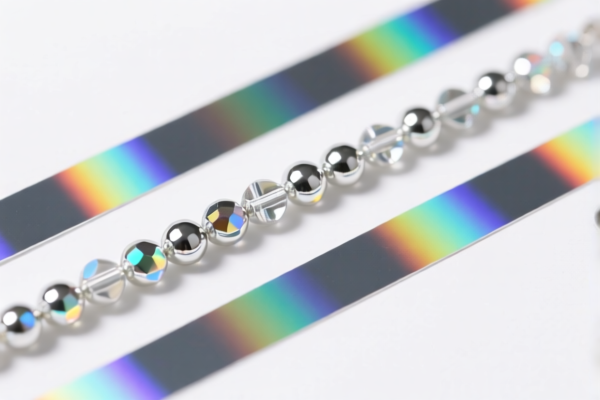
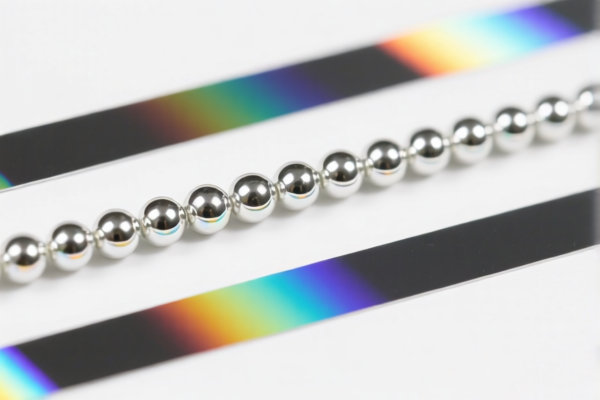
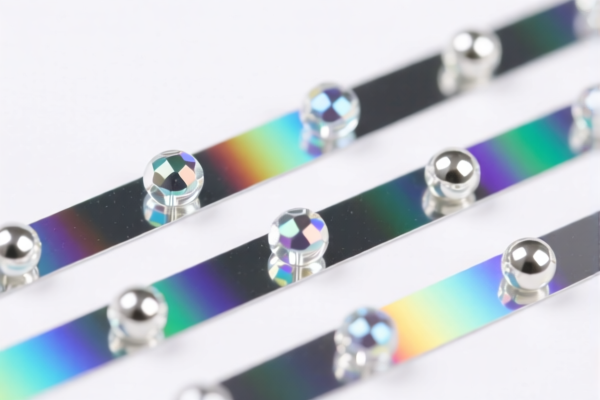
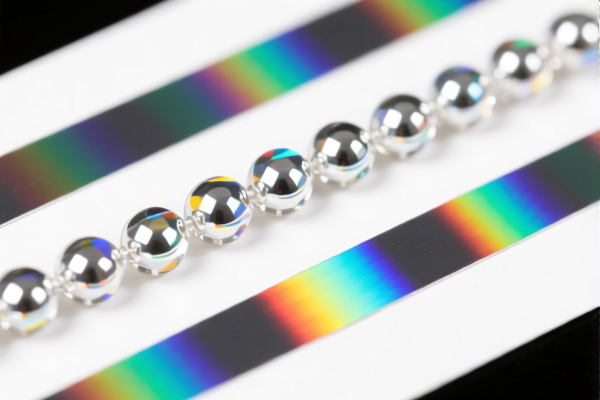
AI Analysis
🔦 Glass Bead Reflective Plastic Strip: Classification & Duty Deep Dive
🌐 HS Code Reference & Customs Clearance Guide | 2026 Latest Tariff Analysis | Professional Clearance Strategy
📌 I. Product Definition & Classification: Do You Really Know This "Reflective Strip"?
This product is a specialized plastic strip containing glass beads for reflective purposes. In international trade, its classification is tricky because it contains two distinct materials: Plastic (Polymer) and Glass (Beads).
The core question is: Which material defines the "essential character"?
- Is it a Plastic Product with a reflective coating?
- Or is it a Glass Product shaped into strips?
Based on the provided data, the classification varies significantly, leading to different tax liabilities.
📦 II. HS Code Classification Details (2026 Latest Tariff Authority Comparison)
| HS Code | Product Description | Matching Logic | Key Feature |
|---|---|---|---|
| 3926.90.99.89 | Other塑料制品 (Plastic Products) | Matches "Plastic" material; Shape is "strip" (条状); Classified as "Other" under Chapter 39. No material conflict identified. | Plastic-dominated |
| 3926.90.99.25 | Other Plastic Products (Reflective) | Name contains "Plastic"; "Reflective" property aligns with plastic usage; "Strip" shape matches. | Plastic-dominated |
| 3926.90.59.00 | Other Plastic Products (Mechanical/Trans) | Name contains "Plastic"; Classified as "Other" under plastic machinery/accessories logic. | Plastic-dominated |
| 3926.90.60.90 | Other Plastic Products (Mechanical Belts) | Material matches; Usage/Shape matches "Other" category for mechanical belts/pulleys. | Plastic-dominated |
| 7018.10.50.00 | Glass Beads (Other) | Matches "Glass Beads" material characteristic; Classified under "Other" in Chapter 70. | Glass-dominated |
🔍 Critical Distinction:
- If declared as Plastic (Chapter 39): The glass beads are seen as an additive/coating.
- If declared as Glass (Chapter 70): The plastic carrier is seen as secondary, or the product is classified by its reflective component (beads).
- Warning: Incorrect classification can lead to duty differences ranging from 22.8% to 39.2%!
💰 III. 2026 Latest Tariff Rate Breakdown (Including Surtaxes & Policy Add-ons)
✅ Applicable Country: United States (US)
✅ Country of Origin: China (CN)
✅ Effective Time: Post-November 10, 2025 (including subsequent imports)
🎯 1. 3926.90.99.89 & 3926.90.99.25 — Plastic Products (Reflective/Strip)
| Item | Content |
|---|---|
| Base Tariff | 5.3% (ad valorem) |
| Section 301 Surtax | +7.5% |
| Section 122 Tariff | +10% |
| Total Tax Rate | 22.8% |
| Tax Calculation | CIF Value × 22.8% |
| De Minimis Eligibility | ❌ Not Eligible (High risk of audit) |
| Legal Path | HTSUS:3926.90.99 → Section 301:7.5% → Section 122:10% |
📌 Explanation:
- These codes classify the item primarily as a Plastic Product.
- The 22.8% rate is moderate but still significant.
- Key Point: Both codes share the same tax structure. The difference lies in the specific sub-category description, but the tax impact is identical.
🎯 2. 3926.90.59.00 — Plastic Products (Mechanical/Other)
| Item | Content |
|---|---|
| Base Tariff | 2.4% |
| Section 301 Surtax | +25.0% |
| Section 122 Tariff | +10% |
| Total Tax Rate | 37.4% |
| Tax Calculation | CIF Value × 37.4% |
| De Minimis Eligibility | ❌ Not Eligible |
| Legal Path | HTSUS:3926.90.59 → Section 301:25% → Section 122:10% |
📌 Explanation:
- This code carries a much higher Section 301 surtax (25%) compared to the 99.xx codes.
- Total rate jumps to 37.4%, making it significantly more expensive to import.
- Risk: Misclassifying a reflective plastic strip here due to "mechanical" assumptions can double your tax bill.
🎯 3. 3926.90.60.90 — Plastic Products (Mechanical Belts)
| Item | Content |
|---|---|
| Base Tariff | 4.2% |
| Section 301 Surtax | +25.0% |
| Section 122 Tariff | +10% |
| Total Tax Rate | 39.2% |
| Tax Calculation | CIF Value × 39.2% |
| De Minimis Eligibility | ❌ Not Eligible |
| Legal Path | HTSUS:3926.90.60 → Section 301:25% → Section 122:10% |
📌 Explanation:
- Similar to above, this code assumes a mechanical belt/pulley function.
- Highest plastic-related rate in this dataset at 39.2%.
- Warning: Only use if the product is explicitly used as a mechanical drive belt. Reflective strips are rarely mechanical belts.
🎯 4. 7018.10.50.00 — Glass Beads (Other)
| Item | Content |
|---|---|
| Base Tariff | 0.0% |
| Section 301 Surtax | +25.0% |
| Section 122 Tariff | +10% |
| Total Tax Rate | 35.0% |
| Tax Calculation | CIF Value × 35.0% |
| De Minimis Eligibility | ❌ Not Eligible |
| Legal Path | HTSUS:7018.10.50 → Section 301:25% → Section 122:10% |
📌 Explanation:
- This code classifies the product as Glass Beads.
- Although the base tariff is 0%, the 25% Section 301 surtax applies because the glass beads are likely imported from China.
- Total rate is 35.0%.
- Strategic Note: This might seem cheaper than the 39.2% plastic code, but it is more expensive than the 22.8% plastic code. It is only viable if customs strictly requires glass classification.
🛠️ IV. Customs Clearance Practical Advice (Battle-Tested Pitfall Avoidance)
✅ 1. Documentation Checklist (Non-Negotiable)
| Document | Required | Description |
|---|---|---|
| ✅ Product Specification Sheet | ✔️ | Must detail: Plastic type (e.g., PVC, PE), Glass bead size, Reflectivity coefficient. |
| ✅ Composition Ratio | ✔️ | Weight % of Plastic vs. Glass. Critical for "Essential Character" argument. |
| ✅ Product Photos (Label & Bulk) | ✔️ | Show "Strip" form factor, not loose beads. |
| ✅ Commercial Invoice | ✔️ | Clear description: "Reflective Plastic Strip with Glass Beads". Avoid vague terms like "Accessory". |
| ✅ HS Code Justification Letter | ✔️ | Explain why Chapter 39 (Plastic) is preferred over Chapter 70 (Glass). |
✅ 2. Declaration Strategy (Key Mantra)
🔥 "Plastic Carrier, Glass Additive, Chapter 39 Wins, Chapter 70 Burns!"
| Scenario | Correct Declaration | Wrong Action |
|---|---|---|
| Reflective Strip (Plastic Base) | 3926.90.99.89 (22.8%) |
Misclassify as 7018.10.50.00 → 35.0% Tax! |
| Reflective Strip (Plastic Base) | 3926.90.99.89 (22.8%) |
Misclassify as 3926.90.60.90 → 39.2% Tax! |
| Loose Glass Beads | 7018.10.50.00 (35.0%) |
N/A |
| Glass Beads Coated in Plastic | 3926.90.99.89 (22.8%) |
Declare as Glass → 35.0% Tax! |
📌 Critical Insight:
-3926.90.99.89is the cheapest option at 22.8%.
- Misclassifying as mechanical belts (3926.90.60.90) or glass (7018.10.50.00) results in significant overpayment (12-16% higher).
✅ 3. Special Situation Handling
| Situation | Handling Advice |
|---|---|
| OEM Custom Colors | Provide color swatches and plastic type codes. |
| High Reflectivity | Provide reflectivity test reports (e.g., RETD values) to prove it's a "reflective product," not a structural part. |
| Small Quantities (De Minimis) | Do NOT rely on de minimis for these HS codes. Section 301 and 122 tariffs apply even to small shipments. |
| Mixed Shipments | Separate plastic strips from loose glass beads in documentation. |
🌍 V. Global Market Clearance Comparison (2026 Latest)
| Country/Region | Recommended HS Code | Total Tax Rate | Certification | Notes |
|---|---|---|---|---|
| 🇺🇸 USA | 3926.90.99.89 |
22.8% | N/A (Standard) | Best rate among options. |
| 🇨🇳 China | 3926.90.99.89 |
~5-10% | N/A | Low duty, but export restrictions may apply. |
| 🇪🇺 EU | 3926.90.99 |
~0-6% | CE, RoHS | Lower surtaxes, but VAT applies. |
| 🇦🇺 Australia | 3926.90.99 |
~5% | N/A | No Section 301 equivalent. |
| 🇯🇵 Japan | 3926.90.99 |
~0-6% | PSE (if electrical) | No high surtaxes. |
📌 Conclusion:
- USA is the highest-cost market due to Section 301 + Section 122.
- Correct classification is vital: Choosing3926.90.99.89(22.8%) over3926.90.60.90(39.2%) saves 16.4% on the CIF value.
📌 VI. Common Errors & Pitfall Guide (Lessons from Blood & Tears)
❌ Error 1: Declaring as "Glass Beads" (7018.10.50.00)
👉 Consequence: Tax jumps from 22.8% to 35.0%. Loss of 12.2% margin.
❌ Error 2: Declaring as "Mechanical Belt" (3926.90.60.90)
👉 Consequence: Tax jumps from 22.8% to 39.2%. Loss of 16.4% margin.
❌ Error 3: Ignoring Section 122 Tariff
👉 Consequence: All these codes carry a 10% Section 122 tariff. Forgetting to budget for this leads to cash flow issues.
❌ Error 4: Vague Description "Plastic Strip"
👉 Consequence: Customs may assign a different, higher rate or request additional documentation, causing delays.
✅ Correct Practice:
"Reflective Plastic Strip, PVC Base, Embedded Glass Beads, for Road Marking, Model XYZ"
🎯 VII. Conclusion: Precise Classification Saves Money!
🎯 Remember the Mantra:
🔹 "Plastic Base, Glass Additive, Chapter 39 is King, Chapter 70 is Stingy!"
🔹 "22.8% is the Sweet Spot, 39.2% is a Trap, 35% is a Mistake!"
📌 Pro Tip:
- If your product is not made in China, check for tariff exemptions.
- Consider Applying for a Binding Ruling from CBP if the volume is high, to secure the 22.8% rate legally.
📣 Take Action Now:
📞 Contact your customs broker + Provide product photos + Assert Chapter 39 Classification
🚀 Ensure your reflective strips clear customs smoothly, minimize taxes, and maximize profit!
✨ Professional Clearance Starts with Accurate Classification!
💼 Every percentage point matters in global trade!
Customer Reviews
About HS Code Classification
The Harmonized System (HS) is an internationally standardized nomenclature developed by the World Customs Organization (WCO) to classify traded products. Over 200 countries use the HS system as the basis for customs tariffs, trade statistics, and import/export regulations.
Each HS code follows a hierarchical structure:
- Chapter (2 digits) — Broad category of goods (e.g., Chapter 84: Machinery and Mechanical Appliances)
- Heading (4 digits) — More specific grouping within the chapter
- Subheading (6 digits) — Internationally standardized breakdown, used by all WCO member countries
- National subdivisions (8-10 digits) — Country-specific extensions for further classification, such as US HTSUS 10-digit codes
Correct HS code classification is essential for smooth customs clearance, accurate duty payment, and compliance with trade regulations. Misclassification can lead to customs delays, overpayment of duties, or penalties.
When importing from CN to US, the applicable tariff rates may include:
- Most-Favored-Nation (MFN) rate — The standard duty rate applied to WTO members
- General rate — Applied to countries without trade agreements
- Trade remedy duties — Additional tariffs such as Section 301 (anti-dumping), Section 232 (national security), or countervailing duties
The information provided on this page is for reference purposes only. For official classification, please consult with your local customs authority or a licensed customs broker.