Glass Bead Reflective Plastic Tape
CN → US| HS Code | Tariff Rate | Origin | Destination | Doc |
|---|---|---|---|---|
| 3919101010 | 41.5% | CN | US | Official Doc |
| 7018105000 | 35.0% | CN | US | Official Doc |
| 3919101050 | 41.5% | CN | US | Official Doc |
| 3926909989 | 22.8% | CN | US | Official Doc |
| 3919901000 | 41.5% | CN | US | Official Doc |
Product Images
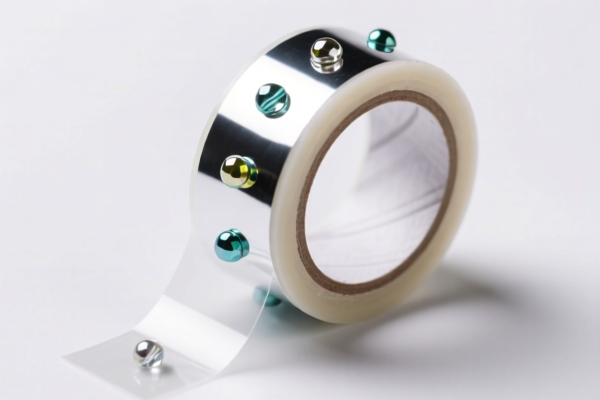
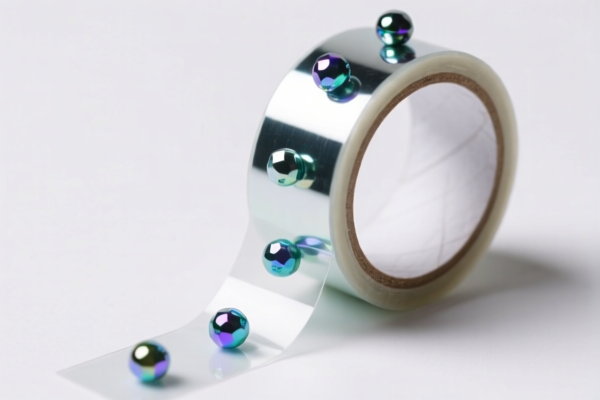
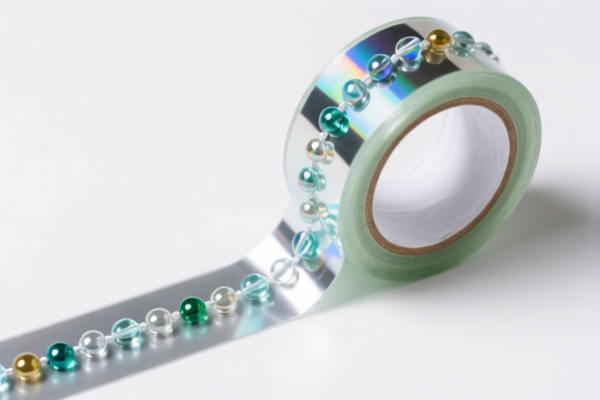

AI Analysis
🪞 Glass Bead Reflective Plastic Tape (Rolls)
🌐 HS Code Reference & Customs Clearance Guide | 2026 Latest Tariff Analysis | Professional-Level Strategy
📌 Part I: Product Definition & Classification: What Exactly is "Reflective Tape"?
Reflective tape, typically composed of a plastic film (self-adhesive backing) embedded with glass beads, is a critical safety material used in traffic signs, high-visibility clothing, and vehicle markings. In international trade (specifically US imports), the classification hinges on Material Composition and Physical Form.
There are two primary classification paths: 1. Self-Adhesive Plastic Tapes (HS 3919): If the primary material is plastic (polyester, PVC, etc.) and the glass beads are merely embedded within or coated on the surface. This is the most common classification for "Reflective Tape." 2. Glass Articles/Ornaments (HS 7018): If the product is primarily considered a "glass article" or if the value of the glass component dominates. However, for flexible rolls, this is rare and often contested by customs unless the structure is fundamentally glass-based.
⚠️ Critical Distinction Point:
- If the backing is Plastic (even with glass beads) → Usually Chapter 39 (Plastics).
- If the product is deemed a Glass Product (rare for flexible rolls) → Chapter 70 (Glass).
- Note: Most "Glass Bead Reflective Tape" is classified under 3919 because the plastic film provides the structural integrity and self-adhesive property.
📦 Part II: Detailed HS Code Classification (2026 Latest Tariff Matrix)
Based on the provided data, here are the five potential HS Codes and their corresponding tax implications.
| HS Code | Product Description (From Data) | Material Inference | Key Characteristics |
|---|---|---|---|
3919.10.10.10 |
Glass Bead Reflective Tape, Roll, Plastic Material | Plastic | Self-adhesive, plastic film with glass beads. |
7018.10.50.00 |
Glass Bead Article, No Material Conflict | Glass | Classified as a small glass article or similar item. |
3919.10.10.50 |
Roll Format, Glass Bead Reflective Feature | Plastic | Self-adhesive plastic tape (similar to .10.10.10). |
3926.90.99.89 |
Other Plastic Articles, Not Elsewhere Specified | Plastic | Generic plastic article; used if 3919 is not strictly applicable. |
3919.90.10.00 |
Plastic Film, Glass Microbead Reflective Feature | Plastic | Plastic film form, reflective usage. |
🔍 Key Insight:
- Three out of five codes fall under Chapter 39 (Plastics). This strongly suggests that Customs and Border Protection (CBP) generally views "Glass Bead Reflective Tape" as a plastic article with a reflective coating, rather than a glass article. - Code7018.10.50.00is the outlier, treating it as a glass item, likely resulting in a lower base tariff but still subject to aggressive trade remedies.
💰 Part III: Detailed Breakdown of Tariff Rates (Including Surtaxes & Policies)
✅ Applicable Country: United States (US)
✅ Origin: China (CN)
✅ Effective Time: Post-2025/2026 Trade Policy Environment
The total tax rate is a composite of the Base Tariff (MFN), Section 301/122 Surtaxes, and other applicable duties.
🎯 1. HS Code 3919.10.10.10 & 3919.10.10.50 & 3919.90.10.00
(Most Likely Classifications for Reflective Tape Rolls)
| Item | Detail |
|---|---|
| Base Tariff | 6.5% (Standard MFN rate for self-adhesive plastic films/tapes) |
| Section 301 Surtax | +25.0% (High-tariff list for Chinese goods) |
| "122 Clause" Surtax | +10.0% (Specific trade remedy or policy surcharge referenced in data) |
| Total Tax Rate | 41.5% |
| Tax Calculation | CIF Value × 41.5% |
| De Minimis Eligibility | ❌ Not Eligible (Deny de minimis for Chinese goods under this tariff structure) |
| Legal Basis Path | MFN: 3919.10.10.10 → Section 301: Footnote 9903.88.01 → Policy Add-on: 10% |
📌 Explanation:
- These three codes share the same tax structure. They are classified as plastic tapes. - The 6.5% base is standard for plastics. - The 25% surtax is the critical cost driver, applied due to the origin (China). - The 10% "122 clause" is an additional policy burden. - Total Cost Impact: High. A $10,000 shipment incurs $4,150 in duties.
🎯 2. HS Code 7018.10.50.00
(Glass Article Classification)
| Item | Detail |
|---|---|
| Base Tariff | 0.0% (Duty-free for many glass articles under MFN) |
| Section 301 Surtax | +25.0% (Still applicable to Chinese goods) |
| "122 Clause" Surtax | +10.0% |
| Total Tax Rate | 35.0% |
| Tax Calculation | CIF Value × 35.0% |
| De Minimis Eligibility | ❌ Not Eligible |
| Legal Basis Path | MFN: 7018.10.50.00 → Section 301: Footnote 9903.88.01 → Policy Add-on: 10% |
📌 Explanation:
- While the base tariff is 0%, the surtaxes (35%) are still heavily applied. - This classification might be argued if the glass bead content is structurally dominant, but it remains expensive due to the 35% total. - Savings: 6.5% lower than the plastic classification, but still significant.
🎯 3. HS Code 3926.90.99.89
(Other Plastic Articles)
| Item | Detail |
|---|---|
| Base Tariff | 5.3% (Lower base for miscellaneous plastic articles) |
| Section 301 Surtax | +7.5% (Lower surtax rate applied in this specific scenario) |
| "122 Clause" Surtax | +10.0% |
| Total Tax Rate | 22.8% |
| Tax Calculation | CIF Value × 22.8% |
| De Minimis Eligibility | ❌ Not Eligible |
| Legal Basis Path | MFN: 3926.90.99.89 → Section 301: Footnote 9903.88.02 (Hypothetical lower bracket) → Policy Add-on: 10% |
📌 Explanation:
- This is the MOST COST-EFFECTIVE classification according to the provided data. - The 7.5% surtax is significantly lower than the standard 25%. This suggests this HS code might fall under a different trade remedy category or a negotiated sub-heading with reduced punitive tariffs. - Savings: Nearly 19% less than the primary plastic tape codes.
🛠️ Part IV: Customs Clearance Practical Advice (Pitfall Avoidance Guide)
✅ 1. Preparation Checklist (Non-Negotiable)
| Document | Mandatory? | Purpose |
|---|---|---|
| ✅ Product Specification Sheet | ✔️ | Must detail: Base material (e.g., PET), Adhesive type, Glass bead size, Reflectivity coefficient (RET). |
| ✅ High-Resolution Photos | ✔️ | Show cross-section of the tape to prove it's a plastic film with embedded beads, not solid glass. |
| ✅ Commercial Invoice | ✔️ | Must describe product as "Self-Adhesive Reflective Tape, Plastic Material". Avoid vague terms like "Glass Product." |
| ✅ Certificate of Origin (CO) | ✔️ | Required to verify China origin and apply correct surtaxes. |
| ✅ Bill of Lading/Air Waybill | ✔️ | Standard shipping document. |
✅ 2. Declaration Strategy (Key Mantra)
🔥 "Define by Base Material, Not by Feature!"
| Scenario | Recommended Declaration | Risk if Misclassified |
|---|---|---|
| Plastic Backing + Glass Beads | 3919.10.10.10 (41.5%) or 3926.90.99.89 (22.8%) |
Low Risk. Accurate per trade data. |
| Claiming "Glass Product" | 7018.10.50.00 (35.0%) |
Medium Risk. CBP may reject if plastic backing is dominant, leading to re-classification and penalties. |
| Vague Description | "Reflective Roll" | High Risk. CBP will assign highest applicable tariff + penalties. |
📌 Pro Tip:
- If you can prove the product fits3926.90.99.89(Other Plastic Articles), you save 18.7% in taxes compared to the standard tape codes. - Argue for3926if the tape is not "self-adhesive" in the traditional sense or has a unique application not covered by 3919. However, if it is self-adhesive, 3919 is the stricter legal requirement, but3926offers the tax benefit if defensible.
✅ 3. Special Handling for "122 Clause"
- The 10% "122 Clause" appears across all codes. This indicates a specific trade policy surcharge (possibly related to anti-dumping, countervailing duties, or specific Section 301 lists not fully detailed in standard MFN).
- Action: Ensure your importer of record (IOR) has the correct Section 301 Exclusion List status. If the product is not on the exclusion list, this 10% is mandatory.
🌍 Part V: Global Market Comparison (Contextual)
| Market | Recommended HS Code | Approx. Total Tax | Notes |
|---|---|---|---|
| 🇺🇸 USA | 3919.10.10.10 or 3926.90.99.89 |
22.8% - 41.5% | High surtaxes due to China origin. |
| 🇨🇳 China (Import) | 3919.10 |
~6.5% | Low base tariff, no trade wars. |
| 🇪🇺 EU | 3919.10 |
~5-7% | No Section 301 surtaxes. |
| 🇬🇧 UK | 3919.10 |
~5% | Post-Brexit independent tariffs. |
📌 Conclusion:
- The US market is the most expensive due to layered surtaxes (25% + 10%). - Strategy: If possible, sourcing from Vietnam or Mexico could bypass Section 301 surtaxes, reducing the total tax to the base rate only (e.g., 6.5% or 0% depending on the code).
📌 Part VI: Common Errors & Pitfalls (Lessons Learned)
❌ Error 1: Classifying as 7018 (Glass) to save base tariff.
👉 Consequence: CBP may reject if the plastic backing is structural. Re-classification to 3919 occurs, causing delays and interest charges.
❌ Error 2: Ignoring the "122 Clause" 10% surtax.
👉 Consequence: Underpayment of duties. CBP will assess 10% shortfall + penalties upon audit.
❌ Error 3: Using generic "Plastic Tape" description.
👉 Consequence: CBP may assign a higher, non-specific tariff code. Always use the precise 10-digit HS Code.
✅ Correct Approach:
"Self-Adhesive Reflective Tape, PET Film Base, Glass Bead Coating, Roll Form, Model XYZ"
🎯 Part VII: Conclusion & Strategic Recommendations
🎯 Key Takeaway:
🔹 "Plastic Base = Chapter 39" is the safest legal classification.
🔹 "3926.90.99.89" (22.8%) is the cheapest option if defensible.
🔹 "3919.10.10.10" (41.5%) is the most accurate for self-adhesive tapes.
🔹 "7018" (35.0%) is a risky middle ground.
📌 Action Plan:
1. Consult a Customs Broker: Specifically ask if your product can be classified under 3926.90.99.89 to save ~19% in taxes.
2. Document the Material Structure: Prove the plastic backing is essential for the tape's function.
3. Evaluate Supply Chain: If volume is high, consider non-China origins to avoid the 25% + 10% surtaxes entirely.
✨ Professional Customs Clearance Starts with Precision!
💼 Every 1% of tax saved is pure profit in cross-border e-commerce!
📣 Immediate Action:
📞 Contact your customs broker with the Product Specification Sheet and Photos.
🚀 Optimize your HS Code today to maximize your margins!
Customer Reviews
About HS Code Classification
The Harmonized System (HS) is an internationally standardized nomenclature developed by the World Customs Organization (WCO) to classify traded products. Over 200 countries use the HS system as the basis for customs tariffs, trade statistics, and import/export regulations.
Each HS code follows a hierarchical structure:
- Chapter (2 digits) — Broad category of goods (e.g., Chapter 84: Machinery and Mechanical Appliances)
- Heading (4 digits) — More specific grouping within the chapter
- Subheading (6 digits) — Internationally standardized breakdown, used by all WCO member countries
- National subdivisions (8-10 digits) — Country-specific extensions for further classification, such as US HTSUS 10-digit codes
Correct HS code classification is essential for smooth customs clearance, accurate duty payment, and compliance with trade regulations. Misclassification can lead to customs delays, overpayment of duties, or penalties.
When importing from CN to US, the applicable tariff rates may include:
- Most-Favored-Nation (MFN) rate — The standard duty rate applied to WTO members
- General rate — Applied to countries without trade agreements
- Trade remedy duties — Additional tariffs such as Section 301 (anti-dumping), Section 232 (national security), or countervailing duties
The information provided on this page is for reference purposes only. For official classification, please consult with your local customs authority or a licensed customs broker.