Glass Bead Reflective Self Adhesive Strip
CN → US| HS Code | Tariff Rate | Origin | Destination | Doc |
|---|---|---|---|---|
| 3919901000 | 41.5% | CN | US | Official Doc |
| 3926909989 | 22.8% | CN | US | Official Doc |
| 3919101050 | 41.5% | CN | US | Official Doc |
| 7018200000 | 40.0% | CN | US | Official Doc |
| 7018905000 | 41.6% | CN | US | Official Doc |
Product Images
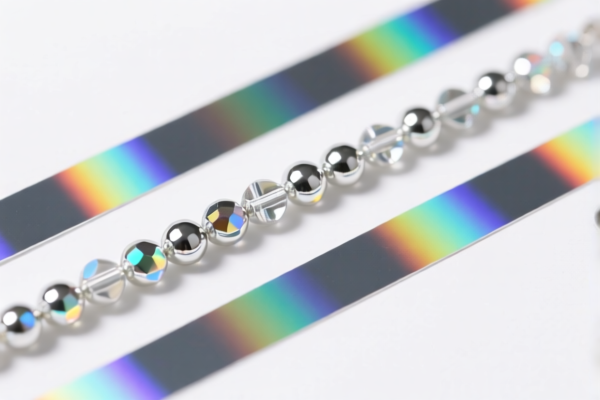
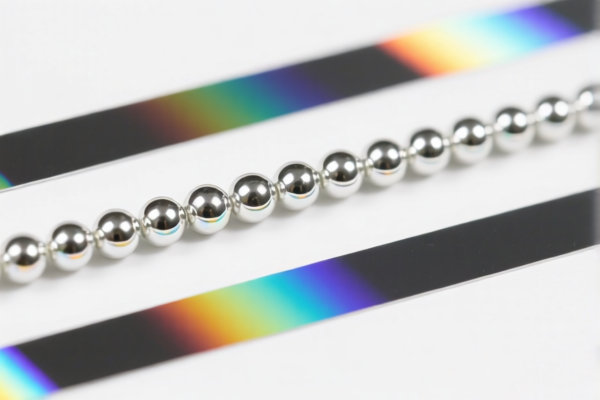
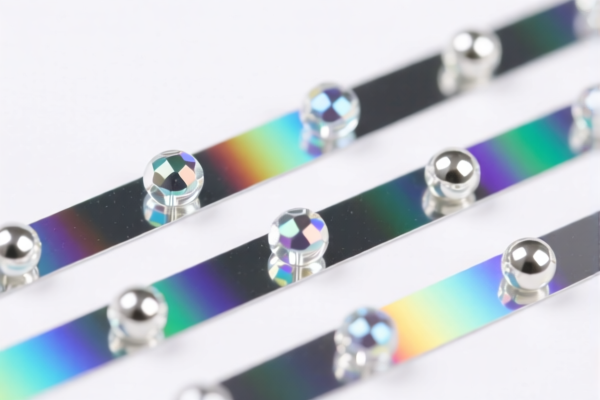
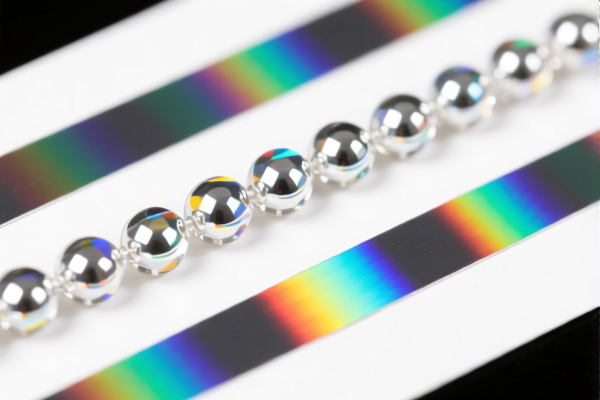
AI Analysis
🪞 Glass Bead Reflective Self-Adhesive Strip (Reflective Tape)
🌐 HS Code Reference & Customs Clearance Guide | 2026 Latest Tariff Analysis | Professional Clearance Strategy
📌 I. Product Definition & Classification: Do You Really Understand "Reflective Tape"?
Glass Bead Reflective Self-Adhesive Strip is a specialized safety material widely used in road signage, vehicle markings, and industrial safety equipment. In international trade, its classification is highly contested because it contains both plastic components (the adhesive film/base) and glass components (microspheres).
The core conflict lies in whether the product is viewed primarily as a Plastic Product (Chapter 39) or a Glass Product (Chapter 70).
⚠️ Key Distinction Point:
- If the primary identity is considered the Plastic Adhesive Film with glass beads applied to it → Falls under Chapter 39 (Plastics).
- If the primary identity is considered the Glass Microspheres forming the reflective surface, regardless of the backing → Falls under Chapter 70 (Glass).
📦 II. HS Code Classification Details (2026 Latest Tariff Authoritative Comparison)
| HS Code | Product Description | Application Scenario | Classification Logic |
|---|---|---|---|
3919.90.10.00 |
Self-adhesive plates, sheets, film, foil, tape, strip and other flat shapes, of plastics | Road signs, high-visibility clothing, safety markings | ✅ Primary: Plastic base + Self-adhesive + Flat/Strip shape. Matches "Flat shapes of plastics". |
3926.90.99.89 |
Other articles of plastics and articles of other materials of headings 3901 to 3914 | General safety accessories, non-standard reflective items | ✅ Fallback: "Other" category if specific subheadings don't fit. Broad coverage. |
3919.10.10.50 |
Self-adhesive plates, sheets, film, foil, tape, strip and other flat shapes, of plastics, in rolls of a width not exceeding 20 cm | Narrow reflective tape, roll-form safety strips | ✅ Specific: Fits "Rolls" format. However, tax rate is extremely high due to trade tensions. |
7018.20.00.00 |
Glass microspheres, other than optical fibers, not otherwise specified or included | Glass microspheres applied to backing, diameter < 1mm | ✅ Material Focus: Focuses on the "Glass Microsphere" component. Claims dominance of glass nature. |
7018.90.50.00 |
Other glass articles | General glass products not elsewhere specified | ✅ Broad: "Other glass small articles". Used when glass content is deemed primary. |
🔍 Key Reminder:
- Chapter 39 (Plastics) is the most common classification for self-adhesive tapes, even with glass beads, because the "self-adhesive" and "film/strip" form factors are dominant in trade practice. - Chapter 70 (Glass) is riskier and less common for finished tapes, as customs often view the glass beads as a surface treatment on a plastic substrate. - Trade War Impact: HS Codes under Chapter 39 (3919.xx) are subject to Section 301 and IEEPA additional tariffs, resulting in significantly higher total tax rates compared to Chapter 70.
💰 III. 2026 Latest Tariff Rate Breakdown (Including Additional Taxes, Policy Surcharges)
✅ Applicable Country: United States (US)
✅ Origin: China (CN)
✅ Effective Date: From November 10, 2025 (including subsequent imports)
🎯 1. 3919.90.10.00 —— Self-adhesive Plastic Sheet/Film (Flat Shapes)
| Item | Content |
|---|---|
| Base Tariff | 6.5% (Ad Valorem) |
| Section 301 Tariff (USITC) | +25% (From USITC Footnote 9903.88.01) |
| IEEPA Tariff | +10% (Targeting China/Hong Kong products, from Nov 10, 2025) |
| Total Tariff | 41.5% |
| Tax Calculation | CIF Value × 41.5% |
| De Minimis Exemption Available? | ❌ No (deny_de_minimis) |
| Legal Basis Path | IEEPA:9903.01.25 → IEEPA:9903.01.24 → USITC:3919.90.10.00 → FOOTNOTE:9903.88.01 |
📌 Explanation:
- The 25% Section 301 tariff is a standard surcharge for many plastic products from China. - The 10% IEEPA tariff is an additional layer targeting Chinese origin goods. - Total 41.5% is a very high tariff, significantly impacting profit margins.
🎯 2. 3919.10.10.50 —— Self-adhesive Plastic Tape (Rolls, ≤20cm width)
| Item | Content |
|---|---|
| Base Tariff | 6.5% |
| Section 301 Tariff (USITC) | +25% |
| IEEPA Tariff | +10% |
| Total Tariff | 41.5% |
| Tax Calculation | CIF × 41.5% |
| De Minimis Exemption Available? | ❌ No |
| Legal Basis Path | IEEPA:9901.25 → IEEPA:9903.01.24 → USITC:3919.10.10.50 → FOOTNOTE:9903.88.01 |
📌 Note:
- Identical tax burden to3919.90.10.00. - Applies if the tape is sold in rolls under 20cm width.
🎯 3. 3926.90.99.89 —— Other Plastic Articles (Fallback Category)
| Item | Content |
|---|---|
| Base Tariff | 5.3% |
| Section 301 Tariff (USITC) | +7.5% |
| IEEPA Tariff | +10% |
| Total Tariff | 22.8% |
| Tax Calculation | CIF × 22.8% |
| De Minimis Exemption Available? | ❌ No |
| Legal Basis Path | IEEPA:9903.01.24 → USITC:3926.90.99.89 |
📌 Strategic Value:
- If customs accepts this "Other" classification, the tariff drops from 41.5% to 22.8%. - Justification: The product may be seen as a "plastic article" rather than a specific "self-adhesive film/strip" if the structure is complex or non-standard.
🎯 4. 7018.20.00.00 —— Glass Microspheres (<1mm Diameter)
| Item | Content |
|---|---|
| Base Tariff | 5.0% |
| Section 301 Tariff (USITC) | +25% |
| IEEPA Tariff | +10% |
| Total Tariff | 40.0% |
| Tax Calculation | CIF × 40.0% |
| De Minimis Exemption Available? | ❌ No |
| Legal Basis Path | IEEPA:9903.01.25 → USITC:7018.20.00.00 |
📌 Risk Warning:
- Although the base tariff is lower (5% vs 6.5%), the Section 301 surcharge is still 25%. - Customs may reject this classification for finished tapes, arguing that the glass beads are not the primary material of the finished good.
🎯 5. 7018.90.50.00 —— Other Glass Articles
| Item | Content |
|---|---|
| Base Tariff | 6.6% |
| Section 301 Tariff (USITC) | +25% |
| IEEPA Tariff | +10% |
| Total Tariff | 41.6% |
| Tax Calculation | CIF × 41.6% |
| De Minimis Exemption Available? | ❌ No |
📌 Conclusion:
- Chapter 70 classifications do not avoid the 25% Section 301 tariff. - Total rate is even higher than Chapter 39 (41.6%vs41.5%).
🛠️ IV. Customs Clearance Practical Advice (Field Avoidance Guide)
✅ 1. Required Documentation Checklist (None Can Be Missing)
| Document | Mandatory | Explanation |
|---|---|---|
| ✅ Product Specification Sheet | ✔️ | Must detail: Base material (Plastic vs. Glass weight %), Adhesive type, Reflective coefficient. |
| ✅ Product Photos | ✔️ | Clear images of the roll, cross-section, and adhesive side. |
| ✅ Commercial Invoice | ✔️ | Must clearly state "Glass Bead Reflective Self-Adhesive Strip" and specify HS Code. |
| ✅ Certificate of Origin (CO) | ✔️ | To verify Chinese origin and apply applicable tariffs. |
| ✅ Packing List | ✔️ | Details roll width, length, and weight. |
| ✅ Third-Party Test Report | ✔️ | ASTM D4956 (Reflectivity) or similar, to prove functionality. |
✅ 2. Declaration Tips (Key Mantra)
🔥 "Focus on Plastic Form, Adhesive is Key, Avoid 'Pure Glass' Claims!"
| Situation | Correct Declaration | Incorrect Approach |
|---|---|---|
| Standard Reflective Tape | 3919.90.10.00 |
Misdeclare as 7018 → High risk of audit & penalty. |
| Tape in Rolls ≤20cm | 3919.10.10.50 |
Generic description → May be reassigned to higher tax bracket. |
| Non-standard Safety Strip | 3926.90.99.89 |
Overly specific "Reflective" description → May trigger Chapter 39 strictness. |
| Pure Glass Beads (Bulk) | 7018.20.00.00 |
Claiming finished tape is "Glass" → Customs will reject. |
✅ 3. Special Circumstance Handling
| Situation | Handling Advice |
|---|---|
| OEM Custom Tape | Provide customer order + design specs to prove non-standard nature (may qualify for 3926.90.99.89). |
| High Reflectivity Claim | Provide ASTM test reports. If performance is exceptional, it doesn't change HS code but helps in valuation. |
| Mixed Materials | If backing is not plastic (e.g., metal foil), re-evaluate HS Code. But most are plastic-backed. |
| Dispute with Customs | If deemed 3919, argue for 3926 by emphasizing complex construction or non-standard form. |
🌍 V. Global Market Clearance Comparison (2026 Latest)
| Country/Region | Recommended HS Code | Tariff Rate (China Origin) | Certification Requirements | Notes |
|---|---|---|---|---|
| 🇺🇸 USA | 3919.90.10.00 |
41.5% | FCC (if electronic), ASTM D4956 | Highest tariff due to 301 + IEEPA. |
| 🇨🇳 China | 3919.90.10.00 |
6.5% | CCC (if applicable) | No additional surcharges. |
| 🇪🇺 EU | 3919.90.10.00 |
6.5% (approx.) | CE, REACH | No Section 301 equivalent. |
| 🇦🇺 Australia | 3919.90.10.00 |
5% | RCM | Lower base tariff. |
| 🇯🇵 Japan | 3919.90.10.00 |
6% | PSE (if electric parts) | No major surcharges. |
📌 Conclusion:
- USA is the only market with punitive additional tariffs on this product. - Chinese-origin reflective tape in the US faces a ~40%+ tax barrier, significantly reducing competitiveness. - Consider supply chain diversification (e.g., Vietnam, Thailand) if IEEPA exemptions are available.
📌 VI. Common Errors & Pitfalls Guide (Blood & Tears Lessons)
❌ Error 1: Declaring as 7018 (Glass) to avoid Section 301
👉 Consequence: Customs rejects "Glass" classification for finished tapes. Audit initiated. Back taxes + Penalties!
❌ Error 2: Ignoring IEEPA 10% surcharge
👉 Consequence: Underpayment of taxes. 10% of CIF value unpaid → Interest & fines.
❌ Error 3: Using vague description "Reflective Tape" without material breakdown
👉 Consequence: Customs reclassifies to highest possible duty. Delay in clearance.
❌ Error 4: Assuming De Minimis (Section 321) applies
👉 Consequence: Not applicable. All these HS Codes are denied de minimis for Chinese origin. Full duty payable even on small shipments.
✅ Correct Approach:
"Reflective Self-Adhesive Strip, Plastic Base, Glass Beads, Width 5cm, Roll Form, ASTM D4956 Compliant, Model XYZ"
🎯 VII. Conclusion: Professional Declaration, Save Time, Reduce Costs!
🎯 Remember the Mantra:
🔹 "Plastic Base is King, Adhesive is Key, 301 Tariff is High!"
🔹 "HS Code determines tax, 41.5% vs 22.8%, declare wisely or pay dearly!"
📌 Pro Tip:
If your product can be argued as a "Non-standard Plastic Article" (3926.90.99.89), you can save 18.7% in taxes (from 41.5% to 22.8%).
Recommendation: Apply for an Advance Ruling with US Customs and Border Protection (CBP) to lock in the lower 3926 rate.
📣 Immediate Action:
📞 Consult a professional customs broker + Provide product specs + Apply for Advance Ruling
🚀 Ensure your reflective tape clears smoothly, survives tariffs, and maximizes profit!
✨ Professional clearance starts with precise classification!
💼 Every cent of your cost is worth calculating accurately!
Customer Reviews
About HS Code Classification
The Harmonized System (HS) is an internationally standardized nomenclature developed by the World Customs Organization (WCO) to classify traded products. Over 200 countries use the HS system as the basis for customs tariffs, trade statistics, and import/export regulations.
Each HS code follows a hierarchical structure:
- Chapter (2 digits) — Broad category of goods (e.g., Chapter 84: Machinery and Mechanical Appliances)
- Heading (4 digits) — More specific grouping within the chapter
- Subheading (6 digits) — Internationally standardized breakdown, used by all WCO member countries
- National subdivisions (8-10 digits) — Country-specific extensions for further classification, such as US HTSUS 10-digit codes
Correct HS code classification is essential for smooth customs clearance, accurate duty payment, and compliance with trade regulations. Misclassification can lead to customs delays, overpayment of duties, or penalties.
When importing from CN to US, the applicable tariff rates may include:
- Most-Favored-Nation (MFN) rate — The standard duty rate applied to WTO members
- General rate — Applied to countries without trade agreements
- Trade remedy duties — Additional tariffs such as Section 301 (anti-dumping), Section 232 (national security), or countervailing duties
The information provided on this page is for reference purposes only. For official classification, please consult with your local customs authority or a licensed customs broker.