Glass Bead Self Adhesive Plastic Patches
CN → US| HS Code | Tariff Rate | Origin | Destination | Doc |
|---|---|---|---|---|
| 3926903500 | 24.0% | CN | US | Official Doc |
| 3926909989 | 22.8% | CN | US | Official Doc |
| 7018105000 | 35.0% | CN | US | Official Doc |
| 7018901000 | 20.7% | CN | US | Official Doc |
Product Images
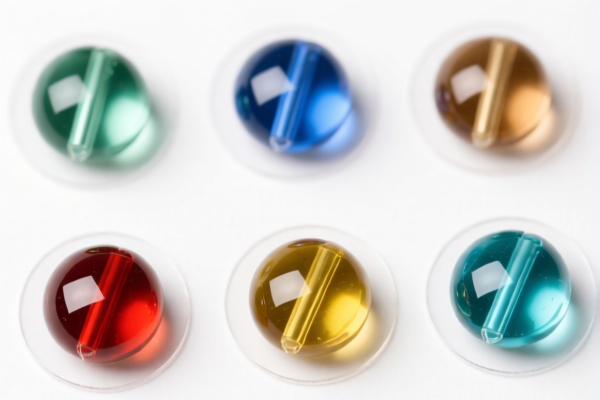
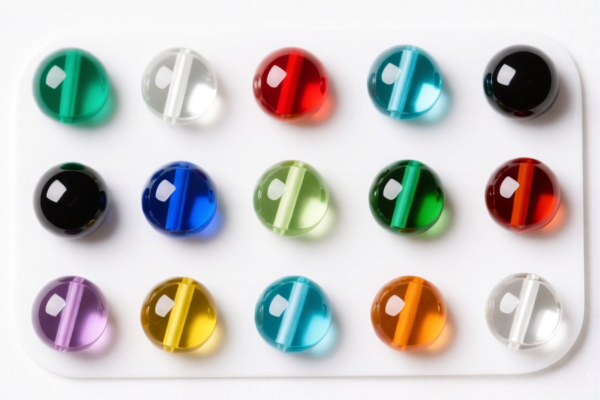
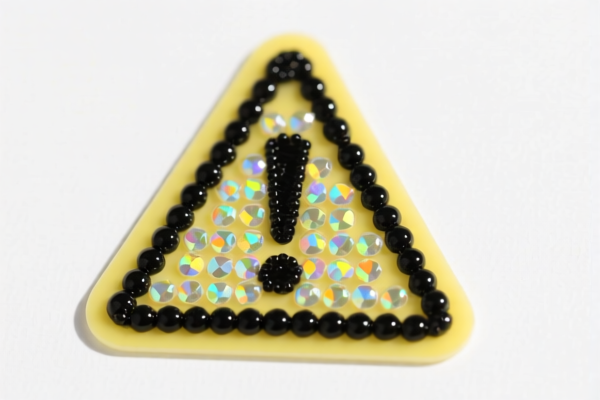
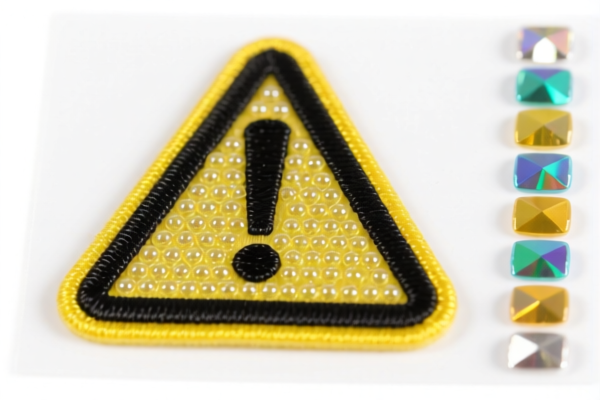
AI Analysis
💎 Glass Bead Self-Adhesive Plastic Patches (DIY Craft Materials)
🌐 HS Code Reference & Customs Clearance Guide | 2026 Latest Tariff Analysis | Professional-Level Strategy
📌 One, Product Definition & Classification: Do You Really Understand "Glass Bead Patches"?
Glass Bead Self-Adhesive Plastic Patches are popular DIY craft materials used for nail art, scrapbooking, clothing embellishment, and phone case decoration. They typically consist of small glass beads, imitation pearls, or imitation stones embedded in a self-adhesive plastic backing.
In international trade, these items fall into two main categories depending on their material composition and form:
1. Glass Smallwares (Glass Beads/Pearls/Stones): If the product is primarily composed of glass beads, imitation pearls, or imitation stones, regardless of the adhesive backing, they are often classified under Chapter 70 (Glass and glassware). Specifically, items like "glass beads, imitation pearls, imitation precious or semiprecious stones" fall here.
2. Plastic Articles (Plastic Beads/Spangles): If the product is made of plastic beads, bugles, or spangles (even if they look like glass or pearls), they fall under Chapter 39 (Plastics and articles thereof). This includes non-strung beads and spangles, even if they are self-adhesive.
⚠️ Key Distinction Point:
- If the primary decorative element is glass (even if imitation pearls or stones made of glass) → Chapter 70
- If the primary decorative element is plastic (imitation glass/pearls made of plastic) → Chapter 39
- Note: "Imitation precious or semiprecious stones" in Chapter 70 specifically refers to glass stones. Plastic imitations go to Chapter 39.
📦 Two, HS Code Classification Details (2026 Latest Tariff Authority Comparison)
Based on the provided <DATA>, here are the relevant HS Codes and their explanations:
| HS Code | Product Description | Applicable Scenario | Material | Tariff (Total) |
|---|---|---|---|---|
7018.10.50.00 |
Glass beads, imitation pearls, imitation precious or semiprecious stones and similar glass smallwares: Other | Self-adhesive patches made of glass beads or glass imitation pearls/stones | Glass | 25.0% |
7018.90.10.00 |
Other articles of glass: Glass eyes, except prosthetic articles | NOT APPLICABLE to beads/patches (only for glass eyes) | Glass | 0.0% |
3926.90.35.00 |
Other articles of plastics: Beads, bugles and spangles, not strung (except temporarily) and not set: Other | Self-adhesive patches made of plastic beads, plastic bugles, or plastic spangles | Plastic | 14.0% |
3926.90.99.89 |
Other articles of plastics and articles of other materials of headings 3901 to 3914: Other: Other | Fallback category if the product doesn't fit the specific "beads/spangles" description but is still a plastic craft item | Plastic | 12.8% |
🔍 Key Reminder:
- Do NOT use7018.90.10.00for beads or patches. This code is only for glass eyes (prosthetic or otherwise). Using it for beads will lead to customs rejection or penalties. - If your product contains glass beads (even with adhesive backing), use7018.10.50.00. - If your product contains plastic beads (imitation glass/pearls), use3926.90.35.00. - If the product is a complex plastic craft item that doesn't fit the "bead/spangle" definition exactly, consider3926.90.99.89as a fallback, but ensure it doesn't misrepresent the product.
💰 Three, 2026 Latest Tariff Rate Details (Including Surtaxes)
✅ Applicable Country: United States (US)
✅ Origin: China (CN)
✅ Effective Date: 2025 November 10 onwards (including subsequent imports)
🎯 1. 7018.10.50.00 —— Glass Beads, Imitation Pearls, Imitation Stones (Glass Smallwares)
| Item | Content |
|---|---|
| Base Tariff Rate | 0% (ad valorem) |
| USITC Surtax (Section 301) | +25.0% |
| IEEPA Surtax | 0.0% (No additional IEEPA surtax listed for this code in the data) |
| Total Tariff Rate | 25.0% |
| Tax Calculation | CIF Value × 25.0% |
| De Minimis Exemption | ❌ Not Applicable (High tariff rate usually excludes de minimis benefits for commercial shipments) |
| Legal Basis Path | USITC:7018.10.50.00 → FOOTNOTE:9903.88.01 (if applicable) |
📌 Explanation:
- The 25.0% total tariff is due to the Section 301 surtax on Chinese goods. - The base rate is 0%, but the 25% surtax applies. - This code is used for glass beads/pearls/stones. If your product is plastic, do not use this code.
🎯 2. 3926.90.35.00 —— Plastic Beads, Bugles, and Spangles
| Item | Content |
|---|---|
| Base Tariff Rate | 6.5% |
| USITC Surtax (Section 301) | +7.5% |
| Total Tariff Rate | 14.0% |
| Tax Calculation | CIF Value × 14.0% |
| De Minimis Exemption | ❌ Not Applicable |
| Legal Basis Path | USITC:3926.90.35.00 → FOOTNOTE:9903.88.01 (if applicable) |
📌 Explanation:
- This code is for plastic beads, bugles, and spangles. - The total tariff is 14.0% (6.5% base + 7.5% surtax). - This is a more favorable rate than glass beads if your product is made of plastic.
🎯 3. 3926.90.99.89 —— Other Plastic Articles (Fallback)
| Item | Content |
|---|---|
| Base Tariff Rate | 5.3% |
| USITC Surtax (Section 301) | +7.5% |
| Total Tariff Rate | 12.8% |
| Tax Calculation | CIF Value × 12.8% |
| De Minimis Exemption | ❌ Not Applicable |
| Legal Basis Path | USITC:3926.90.99.89 → FOOTNOTE:9903.88.01 (if applicable) |
📌 Explanation:
- This is a fallback category for plastic articles not elsewhere specified. - The total tariff is 12.8%, which is the lowest among the provided options. - Use this only if the product cannot be classified as "beads, bugles, or spangles" under3926.90.35.00.
🛠️ Four, Customs Clearance Practical Advice (Combat Pitfall Guide)
✅ 1. Preparation Checklist (All Required)
| Document | Must Provide | Explanation |
|---|---|---|
| ✅ Product Specification Sheet | ✔️ | Include material composition (glass vs. plastic), size, weight, and adhesive type |
| ✅ Product Photos (Clear) | ✔️ | Show the front, back, and adhesive side. Highlight the material (glass/plastic) |
| ✅ Commercial Invoice | ✔️ | Clearly state "Glass Bead Patches" or "Plastic Bead Patches" and the exact HS Code |
| ✅ Packing List | ✔️ | Detail the number of pieces, weight, and packaging |
| ✅ Material Test Report | ✔️ | Proof of material (e.g., SGS report confirming glass or plastic content) |
| ✅ Origin Certificate (CO) | ✔️ | If non-Chinese origin, may qualify for lower tariffs |
✅ 2. Declaration Tips (Key Mantra)
🔥 "Glass Goes to 70, Plastic to 39, Don't Use Eyes Code!"
| Scenario | Correct Declaration | Wrong Approach |
|---|---|---|
| Product is Glass Beads with adhesive | 7018.10.50.00 |
Misdeclaring as plastic → 14% vs 25% (risk of penalty) |
| Product is Plastic Beads with adhesive | 3926.90.35.00 |
Misdeclaring as glass → 25% vs 14% (overpaying) |
| Product is Glass Eyes | 7018.90.10.00 |
Misdeclaring as beads → 0% vs 25% (customs will catch this) |
| Product is Complex Plastic Craft | 3926.90.99.89 |
Misdeclaring as beads → 12.8% vs 14% (minor difference, but accuracy matters) |
✅ 3. Special Case Handling
| Scenario | Handling Advice |
|---|---|
| Mixed Materials (Glass + Plastic) | If the product has a glass bead on a plastic backing, the bead material typically dictates the classification. Use 7018.10.50.00. |
| Imitation Pearls | If they are made of glass, use 7018.10.50.00. If made of plastic, use 3926.90.35.00. |
| Self-Adhesive Backing | The adhesive backing does not change the classification of the decorative element (bead/pearl/stone). |
| Small Quantities for Samples | Even for samples, ensure the HS Code is correct. De minimis exemptions may not apply due to high tariffs. |
🌍 Five, Global Market Comparison (2026 Latest)
| Country/Region | Recommended HS Code | Tariff (China Origin) | Notes |
|---|---|---|---|
| 🇺🇸 USA | 7018.10.50.00 (Glass) |
25.0% | High tariff due to Section 301 |
| 🇺🇸 USA | 3926.90.35.00 (Plastic) |
14.0% | Lower tariff for plastic |
| 🇺🇸 USA | 3926.90.99.89 (Plastic) |
12.8% | Lowest for plastic fallback |
| 🇨🇳 China | 7018.10.50.00 |
0% (Import Duty) | No additional surtax in China |
| 🇨🇳 China | 3926.90.35.00 |
6.5% (Import Duty) | Base rate applies |
| 🇪🇺 EU | 7018.10.50.00 |
0% (Most cases) | Check EORI and VAT |
| 🇪🇺 EU | 3926.90.35.00 |
4.2% (Approx.) | Check CN Code |
📌 Conclusion:
- USA has the highest tariffs for glass and plastic craft beads due to Section 301. - Plastic beads have a lower tariff (14.0%) than glass beads (25.0%) in the US. - If possible, consider using plastic imitation pearls/beads to reduce tariffs, provided the product quality meets customer expectations.
📌 Six, Common Mistakes & Pitfall Guide (Blood-Turning Lessons)
❌ Mistake 1: Using 7018.90.10.00 for beads/patches
👉 Consequence: Customs will reject the declaration. This code is only for glass eyes.
✅ Correct: Use 7018.10.50.00 for glass beads.
❌ Mistake 2: Misdeclaring plastic beads as glass beads
👉 Consequence: Overpaying 11% more in tariffs (25% vs 14%).
✅ Correct: Check the material. If it's plastic, use 3926.90.35.00.
❌ Mistake 3: Not specifying "Self-Adhesive" in the description
👉 Consequence: Customs may classify it as loose beads, which could have different duties.
✅ Correct: Clearly state "Self-Adhesive Glass/Plastic Bead Patches" in the invoice.
❌ Mistake 4: Using "Imitation Pearls" without specifying material
👉 Consequence: Ambiguity leads to customs review and delays.
✅ Correct: Specify "Glass Imitation Pearls" or "Plastic Imitation Pearls".
🎯 Seven, Conclusion: Professional Declaration, Save Time and Money!
🎯 Remember the Mantra:
🔹 "Glass to 70, Plastic to 39, Eyes Only for 7018.90.10.00!"
🔹 "Material Matters: Glass 25%, Plastic 14%, Fallback 12.8%!"
📌 Pro Tip:
If your product is made of plastic, consider using 3926.90.99.89 if it doesn't fit the "bead/spangle" definition exactly, as it offers the lowest tariff (12.8%). However, ensure the product truly qualifies as an "other plastic article" and not a bead/spangle.
For glass beads, the tariff is 25.0%, which is fixed. There is no lower alternative in the provided data.
📣 Immediate Action:
📞 Consult with a professional customs broker
📄 Provide product photos and material test reports
🚀 Ensure accurate HS Code declaration to avoid delays and penalties
✨ Professional customs clearance starts with accurate classification!
💼 Every cent of your cost deserves precise calculation!
Customer Reviews
About HS Code Classification
The Harmonized System (HS) is an internationally standardized nomenclature developed by the World Customs Organization (WCO) to classify traded products. Over 200 countries use the HS system as the basis for customs tariffs, trade statistics, and import/export regulations.
Each HS code follows a hierarchical structure:
- Chapter (2 digits) — Broad category of goods (e.g., Chapter 84: Machinery and Mechanical Appliances)
- Heading (4 digits) — More specific grouping within the chapter
- Subheading (6 digits) — Internationally standardized breakdown, used by all WCO member countries
- National subdivisions (8-10 digits) — Country-specific extensions for further classification, such as US HTSUS 10-digit codes
Correct HS code classification is essential for smooth customs clearance, accurate duty payment, and compliance with trade regulations. Misclassification can lead to customs delays, overpayment of duties, or penalties.
When importing from CN to US, the applicable tariff rates may include:
- Most-Favored-Nation (MFN) rate — The standard duty rate applied to WTO members
- General rate — Applied to countries without trade agreements
- Trade remedy duties — Additional tariffs such as Section 301 (anti-dumping), Section 232 (national security), or countervailing duties
The information provided on this page is for reference purposes only. For official classification, please consult with your local customs authority or a licensed customs broker.