Glass Beads
CN → US| HS Code | Tariff Rate | Origin | Destination | Doc |
|---|---|---|---|---|
| 7117909000 | 28.5% | CN | US | Official Doc |
| 7018105000 | 35.0% | CN | US | Official Doc |
| 7018101000 | 39.0% | CN | US | Official Doc |
Product Images
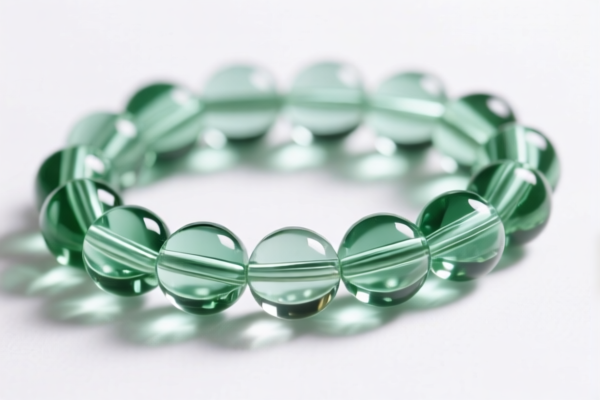
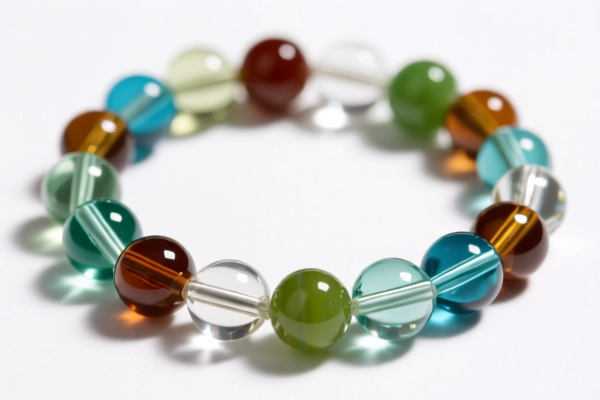
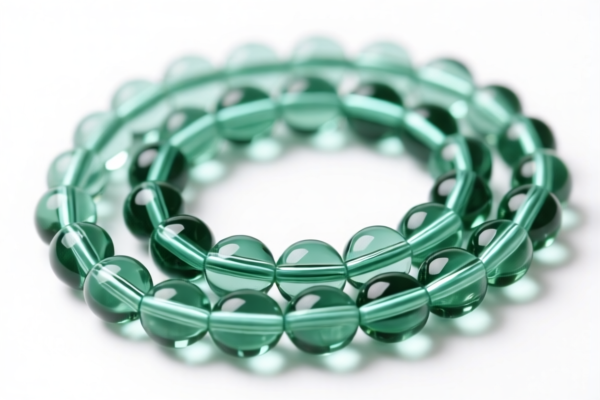
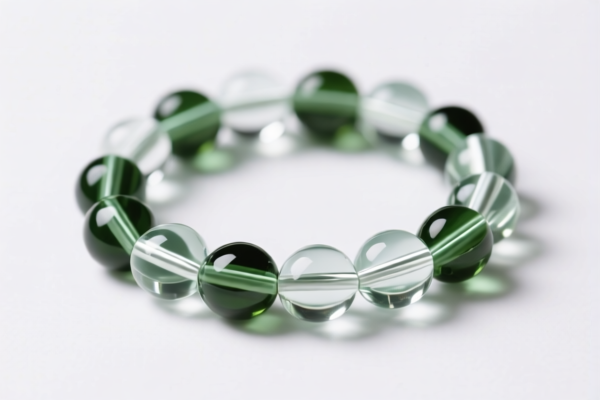
AI Analysis
💎 Glass Beads (Decorative & Raw Materials)
🌐 HS Code Reference & Customs Clearance Guide | 2026 Latest Tariff Analysis | Professional Clearance Strategy
📌 I. Product Definition & Classification: Do You Really Understand "Glass Beads"?
Glass beads are small, spherical objects made of glass, widely used in jewelry making, crafts, decoration, and industrial applications. In international trade, their classification depends heavily on their form (loose vs. mounted) and purpose (raw material vs. finished accessory).
Raw Glass Beads (Loose/Unset): Unstrung, unmounted glass spheres used as raw materials for manufacturing or decoration. Imitation Jewelry Parts (Mounted/Set): Glass beads that are already set into metal findings, necklaces, bracelets, or treated as decorative accessories made of base metals.
⚠️ Key Distinction Point:
- If the beads are loose, unmounted, and intended for further processing or decoration → They fall under Chapter 70 (Glass and Glassware):7018.10.50.00or7018.10.10.00.
- If the beads are considered part of imitation jewelry (e.g., already strung or attached to non-precious metal findings as decorative elements) → They may fall under Chapter 71 (Imitation Jewelry):7117.90.90.00.
📦 II. HS Code Classification Details (2026 Latest Tariff Authority Comparison)
| HS Code | Product Description | Applicable Scenario | Tax Rate Summary |
|---|---|---|---|
7117.90.90.00 |
Imitation jewelry: Other articles (Non-precious metal ornaments/decorations) | Glass beads classified as decorative accessories for imitation jewelry | 28.5% Total |
7018.10.50.00 |
Glass beads, balls, balls and similar articles, other than counting beads; glass spheres, not internally silvered or otherwise metallized | Loose glass beads, raw material form, directly matching the definition | 35.0% Total |
7018.10.10.00 |
Glass beads, balls, balls and similar articles, other than counting beads; glass spheres, not internally silvered or otherwise metallized | Glass beads matching material (glass) and form (beads/spheres) completely | 39.0% Total |
🔍 Key Reminder:
- Loose, raw glass beads are typically classified under Chapter 70 (7018) because they are primarily "glass articles." - Decorative glass beads that are integral to imitation jewelry designs (especially if sold as part of a jewelry component set) might be classified under Chapter 71 (7117). - The tax burden varies significantly (28.5% vs. 39%), so precise classification is critical for cost control.
💰 III. 2026 Latest Tariff Rate Breakdown (Including Additional Taxes, Policy Surcharges)
✅ Applicable Country: United States (US)
✅ Origin: China (CN)
✅ Effective Time: From November 10, 2025 (and subsequent imports)
🎯 1. 7117.90.90.00 – Imitation Jewelry (Non-precious metal ornaments)
| Item | Content |
|---|---|
| Base Tariff Rate | 11.0% (ad valorem) |
| Section 301 Additional Tariff | +7.5% (Additional tax under Section 301) |
| Section 122 Tariff | +10% (Under Section 122, typically for national security or specific trade remedies) |
| Total Tax Rate | 28.5% |
| Tax Calculation | CIF Value × 28.5% |
| De Minimis Exemption Eligibility | ❌ Not Eligible (Typically denied for high-tariff categories) |
| Legal Basis Path | USITC:7117.90.90.00 → SECTION 301: 7.5% → SECTION 122: 10% |
📌 Explanation:
- Base Tariff 11%: Standard import duty for imitation jewelry parts. - Section 301 (7.5%): Added tariff on specific Chinese imports, often applied to jewelry components. - Section 122 (10%): Additional duty under Section 122 of the Trade Act, often related to supply chain security or specific product lists. - Total 28.5%: This is the lowest among the three options for glass beads. Recommendation: If your product can be legally justified as "imitation jewelry decoration," this is the most cost-effective route.
🎯 2. 7018.10.50.00 – Glass Beads (Direct Match)
| Item | Content |
|---|---|
| Base Tariff Rate | 0.0% (ad valorem) |
| Section 301 Additional Tariff | +25.0% (Higher additional tax under Section 301 for glass articles) |
| Section 122 Tariff | +10% (Under Section 122) |
| Total Tax Rate | 35.0% |
| Tax Calculation | CIF Value × 35.0% |
| De Minimis Exemption Eligibility | ❌ Not Eligible |
| Legal Basis Path | IEEPA:9903.01.25 → USITC:7018.10.50.00 → SECTION 122: 10% |
📌 Note:
- Base Tariff 0%: Raw glass articles often have low base duties. - Section 301 (25%): Very high additional tax. This reflects the US trade policy's heavy burden on glass products from China. - Section 122 (10%): Same as above. - Total 35.0%: Higher than imitation jewelry route. Only use if the product cannot be classified as jewelry decoration.
🎯 3. 7018.10.10.00 – Glass Beads (Full Definition Match)
| Item | Content |
|---|---|
| Base Tariff Rate | 4.0% (ad valorem) |
| Section 301 Additional Tariff | +25.0% (High additional tax under Section 301) |
| Section 122 Tariff | +10% (Under Section 122) |
| Total Tax Rate | 39.0% |
| Tax Calculation | CIF Value × 39.0% |
| De Minimis Exemption Eligibility | ❌ Not Eligible |
| Legal Basis Path | IEEPA:9901.25 → IEEPA:9903.01.24 → USITC:7018.10.10.00 → FOOTNOTE:9903.88.01 |
📌 Warning:
- Base Tariff 4%: Slightly higher base rate than7018.10.50.00. - Section 301 (25%): Same high additional tax. - Total 39.0%: Highest among the three. This classification applies when the beads are strictly defined as "glass spheres/beads" without any jewelry association. Avoid this if possible due to the highest tax burden.
🛠️ IV. Customs Clearance Practical Advice (Practical Pitfall Avoidance Guide)
✅ 1. Preparation Checklist (All required)
| Document | Mandatory | Description |
|---|---|---|
| ✅ Product Specifications | ✔️ | Material: 100% Glass; Form: Loose/Unstrung; Diameter; Color |
| ✅ Photos (Clear) | ✔️ | Show beads alone, not attached to metal findings unless declaring as jewelry |
| ✅ Commercial Invoice | ✔️ | Clearly state "Glass Beads" or "Imitation Jewelry Accessories" based on classification |
| ✅ Packing List | ✔️ | Specify quantity, weight, and whether beads are loose or mounted |
| ✅ Certificate of Origin (CO) | ✔️ | If non-China origin, may qualify for lower Section 301 rates |
| ✅ Third-Party Test Report | ✔️ | Chemical compliance (RoHS, REACH) if applicable |
✅ 2. Declaration Tips (Key Mantra)
🔥 "Loose = Glass (Ch 70), Mounted = Jewelry (Ch 71). Choose wisely to save 10.5%!"
| Situation | Correct Declaration | Wrong Practice |
|---|---|---|
| Loose glass beads (unstrung) | 7018.10.50.00 or 7018.10.10.00 |
Misdeclare as jewelry → Risk of penalty |
| Glass beads on metal findings | 7117.90.90.00 |
Declare as raw glass → Higher tax |
| Glass beads in bulk | 7018.10.50.00 |
Vague description "Decorative items" → Customs delay |
| Finished necklace with glass beads | 7117.90.90.00 |
Split declaration (beads + metal) → Complex & risky |
✅ 3. Special Case Handling
| Situation | Handling Advice |
|---|---|
| OEM Custom Beads | Provide design files showing intended use (jewelry vs. decoration) to support 7117 classification |
| Glass Beads with Silver Plating | Still 7018 if not internally silvered/metallized for mirrors; otherwise, may change classification |
| Small Quantity (De Minimis) | ❌ Not eligible for Section 301/122 exemption. Must pay full tariff. |
| Origin Switching | If shipped from Vietnam/Malaysia, Section 301 (25%/7.5%) may not apply. Check Rules of Origin carefully. |
🌍 V. Global Market Clearance Comparison (2026 Latest)
| Country/Region | Recommended HS Code | Tariff | Certification | Notes |
|---|---|---|---|---|
| 🇺🇸 USA | 7117.90.90.00 |
28.5% | None specific | Best option if jewelry-related. 7018 rates are 35-39%. |
| 🇨🇳 China | 7018.10.50.00 |
10-15% | None | Export from China usually faces no entry tariff, but destination matters. |
| 🇪🇺 EU | 7018.10 |
0-2% | CE (if applicable) | No Section 301/122 equivalent. Much lower cost. |
| 🇬🇧 UK | 7018.10 |
0-2% | UKCA | Post-Brexit, similar to EU. |
| 🇦🇺 Australia | 7018.10 |
5% | None | Moderate duty, no additional tariffs. |
📌 Conclusion:
- USA is the most challenging market due to Section 301 and Section 122 tariffs. - Classifying as Imitation Jewelry (7117.90.90.00) saves 6.5%–10.5% compared to glass bead classifications. - Ensure your product description supports jewelry use (e.g., "for use in making necklaces") to justify7117.
📌 VI. Common Mistakes & Pitfall Guide (Blood & Tears Lessons)
❌ Mistake 1: Declaring "Glass Beads" for 7018 when they are already part of a jewelry component
👉 Consequence: Customs may reclassify to 7117, but if you paid higher tax, you may not get refund easily. If you declared 7117 but goods are loose, it may be seen as misdeclaration.
Fix: Be consistent. If loose, use 7018. If mounted, use 7117.
❌ Mistake 2: Ignoring Section 122 Tariff
👉 Consequence: Unexpected 10% additional cost on all shipments from China.
Fix: Factor 10% into your pricing model. It’s not optional.
❌ Mistake 3: Using "Decorative Items" as a generic description
👉 Consequence: Customs ambiguity → Delays, inspections, potential reclassification to highest tax rate.
Fix: Use precise terms: "Unstrung Glass Beads, Diameter 5mm" or "Glass Bead Jewelry Components."
❌ Mistake 4: Assuming De Minimis ($800) applies
👉 Consequence: False. Section 301 and Section 122 tariffs cannot be avoided via Section 321 de minimis for Chinese-origin goods.
Fix: Plan for full tariff payment regardless of shipment value.
✅ Correct Approach:
"Glass Beads, 4mm, Unstrung, for Jewelry Making, Model GB-4, Origin: China" → If claiming
7117, ensure they are marketed/sold as jewelry accessories.
"Raw Glass Beads, Bulk, 5mm, Decorative Material" → Use7018.10.50.00.
🎯 VII. Conclusion: Professional Classification, Save Money, Avoid Delays!
🎯 Remember the Mantra:
🔹 "Loose = Glass (35-39%), Mounted = Jewelry (28.5%). Save 10.5% by choosing Jewelry!"
🔹 "Section 122 is always 10%. Don't forget it!"
🔹 "No De Minimis for China. Pay your dues."
📌 Pro Tip:
If your glass beads are originating from Vietnam, India, or Thailand, you may be eligible to exclude Section 301 taxes (7.5% or 25%).
Recommendation: Apply for a Pre-Ruling (Advance Ruling) from US Customs to confirm the best HS Code and tax rate before shipping.
📣 Immediate Action:
📞 Contact a professional customs broker + Provide product photos + Apply for HS Code Pre-Ruling
🚀 Let your glass beads clear customs smoothly, reduce costs, and boost profits!
✨ Professional Clearance Starts with Precise Classification!
💼 Every cent of your cost deserves accurate calculation!
Customer Reviews
About HS Code Classification
The Harmonized System (HS) is an internationally standardized nomenclature developed by the World Customs Organization (WCO) to classify traded products. Over 200 countries use the HS system as the basis for customs tariffs, trade statistics, and import/export regulations.
Each HS code follows a hierarchical structure:
- Chapter (2 digits) — Broad category of goods (e.g., Chapter 84: Machinery and Mechanical Appliances)
- Heading (4 digits) — More specific grouping within the chapter
- Subheading (6 digits) — Internationally standardized breakdown, used by all WCO member countries
- National subdivisions (8-10 digits) — Country-specific extensions for further classification, such as US HTSUS 10-digit codes
Correct HS code classification is essential for smooth customs clearance, accurate duty payment, and compliance with trade regulations. Misclassification can lead to customs delays, overpayment of duties, or penalties.
When importing from CN to US, the applicable tariff rates may include:
- Most-Favored-Nation (MFN) rate — The standard duty rate applied to WTO members
- General rate — Applied to countries without trade agreements
- Trade remedy duties — Additional tariffs such as Section 301 (anti-dumping), Section 232 (national security), or countervailing duties
The information provided on this page is for reference purposes only. For official classification, please consult with your local customs authority or a licensed customs broker.