Glass Block
CN → US| HS Code | Tariff Rate | Origin | Destination | Doc |
|---|---|---|---|---|
| 7020004000 | 41.6% | CN | US | Official Doc |
| 7016905000 | 40.0% | CN | US | Official Doc |
| 7020006000 | 40.0% | CN | US | Official Doc |
| 7016901010 | 43.0% | CN | US | Official Doc |
| 6810191200 | 39.9% | CN | US | Official Doc |
Product Images
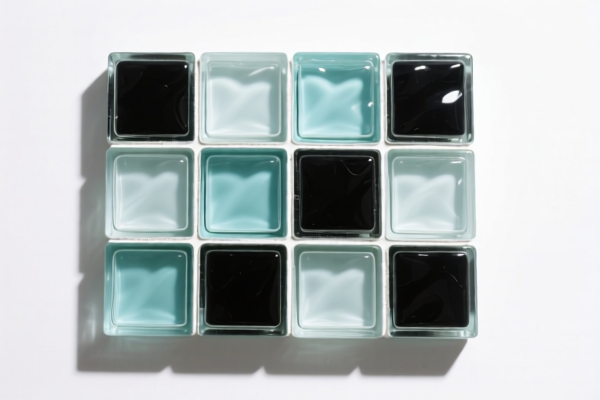
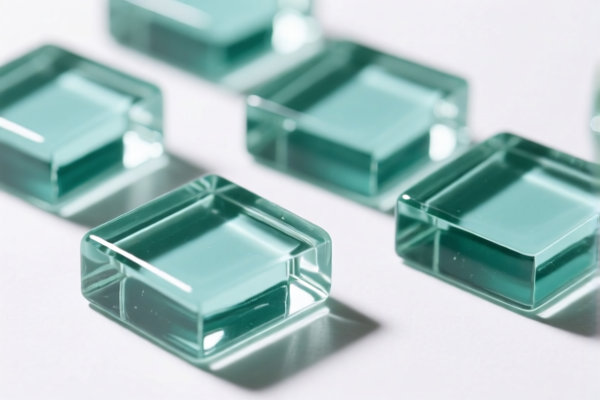
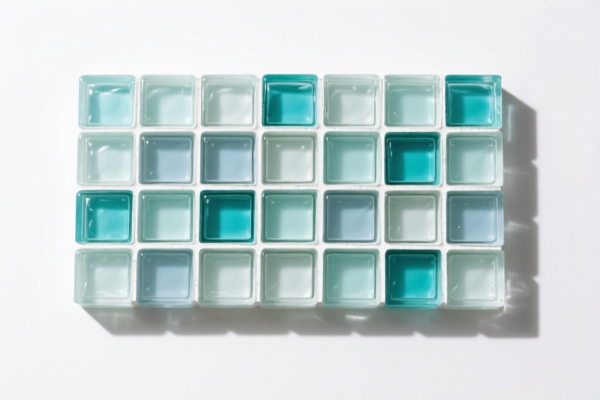
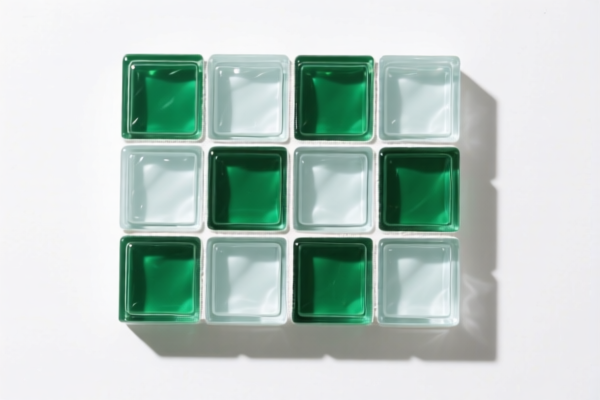
AI Analysis
🧱 Glass Blocks (Glass Bricks)
🌐 HS Code Reference & Customs Clearance Guide | 2026 Latest Tariff Analysis | Professional Clearance Strategy
📌 1. Product Definition & Classification: What Exactly Are "Glass Blocks"?
Glass blocks (also known as glass bricks) are architectural elements made primarily of glass, used for windows, partitions, and walls. In international trade, the key to correct classification lies in material composition and form factor.
Key Distinction Points: * Pure Glass Structure: If the block is entirely made of glass (sealed, hollow or solid) → Chapter 70 (Glass and Glassware). * Cement-Based Masonry: If the block is made of cement, stone, or ceramic with glass only as a surface layer or additive → Chapter 68 or 69. * Form: "Brick" shape specifically points to Heading 7016 (Paving, Surfacing, and Building Glass, incl. Bricks, Slabs & Tiles).
⚠️ Critical Compliance Note:
- Misclassifying glass blocks as "stone/cement bricks" (Chapter 68/69) can lead to severe penalties due to origin and tariff discrepancies.
- Pure glass blocks must be declared under Chapter 70.
📦 2. HS Code Classification Details (2026 Latest Tariff Authority Comparison)
Based on the provided data, here are the five most relevant HS Codes for Glass Blocks imported into the United States from China.
| HS Code | Product Description | Material/Shape Match | Applicable Scenario |
|---|---|---|---|
7020.00.40.00 |
Other articles of glass (incl. "Brick" as a specific form) | ✅ Pure Glass, "Brick" shape is a sub-form of general glass articles | General architectural glass blocks not specifically defined under 7016 |
7016.90.50.00 |
Paving/surfacing/building glass (Bricks, Slabs, Tiles) - Other | ✅ Perfect Match: "Glass Brick" matches "Bricks" in Heading 7016 | Standard transparent/opaque glass building blocks |
7020.00.60.00 |
Other articles of glass (incl. "Brick" form) | ✅ Pure Glass, General "Articles of Glass" | Alternative classification for glass bricks under general glass articles |
7016.90.10.10 |
Paving/surfacing/building glass (Bricks, Slabs, Tiles) - Other | ✅ Perfect Match: Material is glass, form is "Brick/Block" | Specific sub-category for glass bricks under 7016 |
6810.19.12.00 |
Articles of cement, concrete or artificial stone (incl. paving blocks) | ❌ Mismatch: Material is Glass, not cement/ceramic | Only if the block is cement-based with glass filler (NOT pure glass) |
🔍 Important Clarification:
- HS Codes7016.*and7020.*are for Pure Glass blocks.
- HS Code6810.19.12.00is for Cement/Stone blocks. Do not use this if your product is 100% glass. It will be rejected or misclassified.
- The choice between7016and7020often depends on whether the block is considered "paving/building glass" (7016) or "other glass articles" (7020). Both are viable for glass blocks, but7016.90.50.00is the most precise for "Bricks".
💰 3. 2026 Latest Tariff Rate Breakdown (Including Surcharges & Policy Add-ons)
✅ Applicable Country: United States (US)
✅ Origin: China (CN)
✅ Effective Date: 2025/2026 (Post-2025 tariffs)
🎯 1. 7020.00.40.00 – Other Glass Articles (incl. Glass "Bricks")
| Item | Detail |
|---|---|
| Base Tariff | 6.6% |
| Section 301 Surcharge | +25.0% |
| Section 122 Surcharge | +10.0% |
| Total Tariff | 41.6% |
| Tax Calculation | CIF Value × 41.6% |
| De Minimis Exemption | ❌ Not Eligible (Subject to all surcharges) |
| Legal Basis | Base Tariff + USITC Footnote 9903.88.01 (301) + IEEPA (122) |
📌 Explanation:
- This code has the highest base rate (6.6%) among the glass options.
- Total burden is 41.6%, making it costly for high-value glass products.
🎯 2. 7016.90.50.00 – Glass Bricks (Building Glass)
| Item | Detail |
|---|---|
| Base Tariff | 5.0% |
| Section 301 Surcharge | +25.0% |
| Section 122 Surcharge | +10.0% |
| Total Tariff | 40.0% |
| Tax Calculation | CIF Value × 40.0% |
| De Minimis Exemption | ❌ Not Eligible |
| Legal Basis | Base Tariff + USITC Footnote 9903.88.01 (301) + IEEPA (122) |
📌 Explanation:
- Recommended Code: This is the most accurate match for "Glass Brick" in Heading 7016.
- Lower Total Rate: 40.0% vs. 41.6% for7020.00.40.00.
- Best for: Standard architectural glass blocks.
🎯 3. 7020.00.60.00 – Other Glass Articles
| Item | Detail |
|---|---|
| Base Tariff | 5.0% |
| Section 301 Surcharge | +25.0% |
| Section 122 Surcharge | +10.0% |
| Total Tariff | 40.0% |
| Tax Calculation | CIF Value × 40.0% |
| De Minimis Exemption | ❌ Not Eligible |
| Legal Basis | Base Tariff + USITC Footnote 9903.88.01 (301) + IEEPA (122) |
📌 Explanation:
- Same rate as7016.90.50.00.
- Use if customs authorities do not accept "Brick" under 7016 for your specific product.
🎯 4. 7016.90.10.10 – Glass Bricks (Specific Sub-Category)
| Item | Detail |
|---|---|
| Base Tariff | 8.0% |
| Section 301 Surcharge | +25.0% |
| Section 122 Surcharge | +10.0% |
| Total Tariff | 43.0% |
| Tax Calculation | CIF Value × 43.0% |
| De Minimis Exemption | ❌ Not Eligible |
| Legal Basis | Base Tariff + USITC Footnote 9903.88.01 (301) + IEEPA (122) |
📌 Explanation:
- Highest Total Rate: 43.0%.
- Avoid if possible: Unless specifically required by a pre-ruling, this code is more expensive than7016.90.50.00.
🎯 5. 6810.19.12.00 – Cement/Stone Paving Blocks (NOT Glass)
| Item | Detail |
|---|---|
| Base Tariff | 4.9% |
| Section 301 Surcharge | +25.0% |
| Section 122 Surcharge | +10.0% |
| Total Tariff | 39.9% |
| Tax Calculation | CIF Value × 39.9% |
| De Minimis Exemption | ❌ Not Eligible |
| Legal Basis | Base Tariff + USITC Footnote 9903.88.01 (301) + IEEPA (122) |
📌 Explanation:
- Lowest Rate (39.9%), but ONLY for Cement/Stone Blocks.
- Warning: If you declare glass blocks under this code, you will face penalties, back taxes, and potential seizure for misclassification.
- Do NOT use for 100% glass products.
🛠️ 4. Customs Clearance Practical Advice (Pitfall Avoidance Guide)
✅ 1. Document Checklist (Mandatory)
| Document | Required? | Purpose |
|---|---|---|
| ✅ Product Photos | ✔️ | Show transparency, texture, and shape to prove it's glass, not cement. |
| ✅ Bill of Materials (BOM) | ✔️ | Confirm 100% glass composition. |
| ✅ Commercial Invoice | ✔️ | Clearly state "Glass Blocks" or "Glass Bricks," not "Stone Bricks." |
| ✅ Packing List | ✔️ | Detail dimensions and weight. |
| ✅ Material Safety Data Sheet (MSDS) | ✔️ | If applicable, to confirm non-hazardous glass content. |
| ✅ Third-Party Test Report | ✔️ | Confirm glass composition (e.g., silica content). |
✅ 2. Declaration Strategy (Key Tips)
🔥 "Be Specific: 'Glass' not 'Brick' Alone!"
| Scenario | Correct Declaration | Incorrect Declaration |
|---|---|---|
| Pure Glass Block | "Glass Block, Architectural, 190x190x80mm" | "Building Brick" (Vague, risks misclassification) |
| With Packaging | "Glass Blocks, Packaged in Wooden Crate" | "Construction Materials" (Too broad) |
| Cement-Based Block | "Cement Paving Block with Glass Aggregate" | "Glass Block" (Misleading, risks penalty) |
✅ 3. Special Cases
| Scenario | Recommendation |
|---|---|
| Mixed Containers | If shipping both glass blocks and cement blocks, declare separately. Do not mix under one HS code. |
| Customs Pre-Ruling | For large shipments, apply for a Binding Tariff Information (BTI) or US Customs Ruling to lock in 7016.90.50.00. |
| Origin Marking | Ensure "Made in China" is visibly marked on each block or package to avoid additional penalties. |
🌍 5. Global Market Comparison (2026)
| Country | Recommended HS Code | Tariff (China Origin) | Key Requirement |
|---|---|---|---|
| 🇺🇸 USA | 7016.90.50.00 |
40.0% | Section 301 + 122 tariffs apply. |
| 🇨🇳 China | 7016.90.50.00 |
5.0% | No additional surcharges. |
| 🇪🇺 EU | 7016.90.50.00 |
0% - 5% | CE Marking not required for glass, but safety standards apply. |
| 🇬🇧 UK | 7016.90.50.00 |
0% - 5% | Post-Brexit tariff rates apply. |
| 🇯🇵 Japan | 7016.90.50.00 |
0% - 3% | JIS standards may apply. |
📌 Conclusion:
- USA is the most expensive market for glass blocks due to Section 301 and 122 tariffs.
- Alternative Markets: Consider shipping to Vietnam, Mexico, or Thailand for re-export to the US if eligible under USMCA or FTAs, but ensure substantial transformation occurs.
📌 6. Common Errors & Pitfalls (Lessons Learned)
❌ Error 1: Declaring "Glass Blocks" under 6810.19.12.00 (Cement)
👉 Result: Customs audit, penalty, and back taxes for misclassification.
👉 Fix: Use 7016.90.50.00 or 7020.00.60.00.
❌ Error 2: Using vague terms like "Building Material" or "Decorative Block"
👉 Result: Delay in clearance, request for more information.
👉 Fix: Use precise terms: "Glass Block" or "Glass Brick."
❌ Error 3: Ignoring Section 122 Tariffs
👉 Result: Underpayment of duties.
👉 Fix: Always include +10% Section 122 in cost calculations.
🎯 7. Conclusion: Smart Classification, Lower Costs!
🎯 Key Takeaway:
🔹 For 100% Glass Blocks: Use
7016.90.50.00(40.0% total) or7020.00.60.00(40.0% total).
🔹 For Cement-Based Blocks: Use6810.19.12.00(39.9% total) – Only if not glass!
🔹 Avoid7016.90.10.10(43.0%) due to higher base tariff.📌 Pro Tip:
If your glass blocks are shipped in small quantities (B2C), consider De Minimis options if eligible, but note that Section 301/122 tariffs often apply regardless of value. For large B2B shipments, Pre-Ruling is highly recommended.
📣 Action Item:
✅ Verify Material: Is it 100% glass? → Use
7016.90.50.00.
✅ Check Origin: China? → Expect 40.0% tariff.
✅ Consult Customs Broker: For pre-shipment clearance.
✨ Precise Classification Saves Money!
💼 Every percentage point counts in international trade!
Customer Reviews
About HS Code Classification
The Harmonized System (HS) is an internationally standardized nomenclature developed by the World Customs Organization (WCO) to classify traded products. Over 200 countries use the HS system as the basis for customs tariffs, trade statistics, and import/export regulations.
Each HS code follows a hierarchical structure:
- Chapter (2 digits) — Broad category of goods (e.g., Chapter 84: Machinery and Mechanical Appliances)
- Heading (4 digits) — More specific grouping within the chapter
- Subheading (6 digits) — Internationally standardized breakdown, used by all WCO member countries
- National subdivisions (8-10 digits) — Country-specific extensions for further classification, such as US HTSUS 10-digit codes
Correct HS code classification is essential for smooth customs clearance, accurate duty payment, and compliance with trade regulations. Misclassification can lead to customs delays, overpayment of duties, or penalties.
When importing from CN to US, the applicable tariff rates may include:
- Most-Favored-Nation (MFN) rate — The standard duty rate applied to WTO members
- General rate — Applied to countries without trade agreements
- Trade remedy duties — Additional tariffs such as Section 301 (anti-dumping), Section 232 (national security), or countervailing duties
The information provided on this page is for reference purposes only. For official classification, please consult with your local customs authority or a licensed customs broker.