Glass Bottle Information Label
CN → US| HS Code | Tariff Rate | Origin | Destination | Doc |
|---|---|---|---|---|
| 3919101010 | 41.5% | CN | US | Official Doc |
| 3926904800 | 13.4% | CN | US | Official Doc |
| 3919905010 | 40.8% | CN | US | Official Doc |
| 4821902000 | 35.0% | CN | US | Official Doc |
| 4821102000 | 35.0% | CN | US | Official Doc |
Product Images
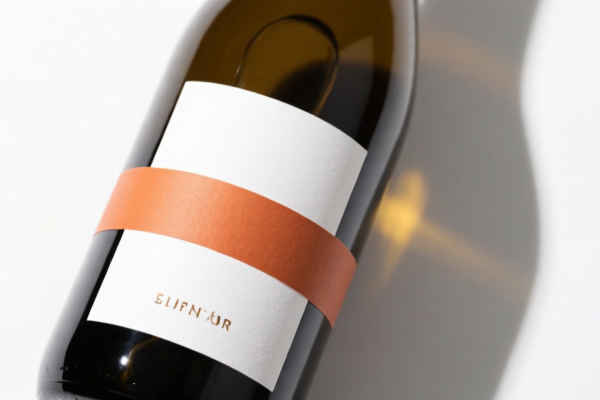
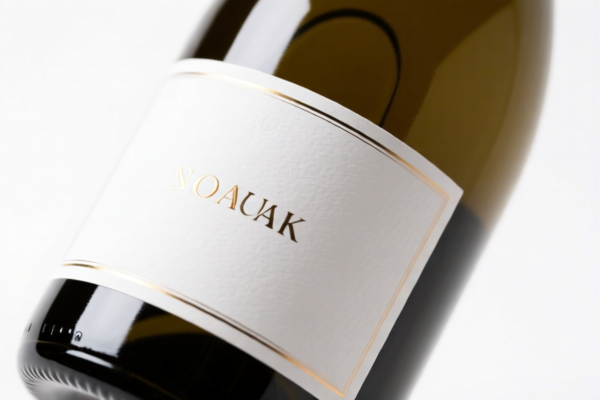
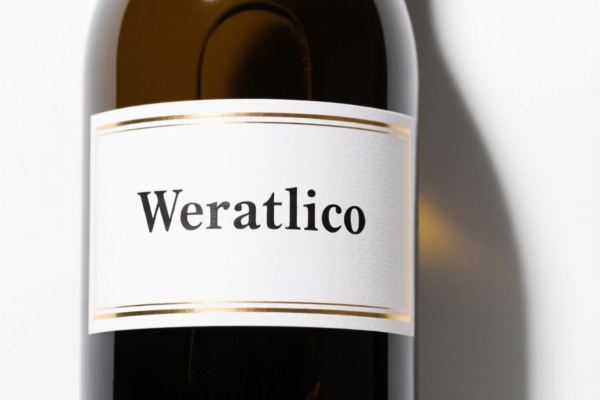

AI Analysis
🏷️ Glass Bottle Information Label
🌐 HS Code Reference & Clearance Guide | 2026 Latest Tariff Analysis | Professional Clearance Strategy
📌 I. Product Definition & Classification: Do You Really Understand "Labels"?
The "Glass Bottle Information Label" is a critical component in packaging, used to convey product details, ingredients, compliance marks, and branding. In international trade, labels are not a single unified category. They are classified based on Material (Paper vs. Plastic/Film) and Function/Structure (Self-adhesive vs. Non-self-adhesive, Printed vs. Unprinted).
Key Distinction: * Paper-Based Labels: If the label is made of paper/cardboard and printed with information, it generally falls under Chapter 48. * Plastic/Film-Based Labels: If the label is made of plastic, vinyl, polyester, or other synthetic films (regardless of whether it is self-adhesive), it generally falls under Chapter 39.
⚠️ Critical Classification Point:
- If the material is Paper/Cardboard → Look at HS 4821.
- If the material is Plastic/Film → Look at HS 3919 (Self-adhesive) or HS 3926/3919.90 (Other plastic articles).
- Do not assume "Label" equals one HS Code! Material determination is the single most important factor.
📦 II. HS Code Classification Details (2026 Latest Tariff Authority Comparison)
Based on the provided data context, here are the five most likely HS Codes for "Glass Bottle Information Label" and the reasoning for each:
| HS Code | Product Description | Applicable Scenario | Material & Structure |
|---|---|---|---|
3919.10.10.10 |
Self-adhesive plates, sheets, film, etc., of plastics, in rolls of width ≤ 20 cm | Plastic film labels, usually in rolls, self-adhesive back. | ✅ Plastic/Film, Self-adhesive, Roll format |
3926.90.48.00 |
Other articles of plastics and articles of other materials of heading 3901 to 3914 | Plastic or paper articles not specifically elsewhere classified. Often used for "other material" labels. | ✅ Plastic/Paper (Non-specific), Non-adhesive or generic |
3919.90.50.10 |
Other self-adhesive plates, sheets, film, etc., of plastics | Plastic labels that do not fit the narrow width definition of 3919.10. | ✅ Plastic/Film, Self-adhesive, Standard Width |
4821.90.20.00 |
Other printed labels of paper or paperboard | Printed paper labels, specifically for use on glass bottles. | ✅ Paper/Cardboard, Printed, Non-adhesive or generic adhesive |
4821.10.20.00 |
Labels of paper or paperboard, whether or not printed, self-adhesive | Self-adhesive paper labels, specifically for glass bottles. | ✅ Paper/Cardboard, Self-adhesive, Printed |
🔍 Key Reminder:
- Paper vs. Plastic: This is the primary divider. Paper labels (4821) generally have lower base tariffs (0%) but face the 25% Section 301 tariff. Plastic labels (3919) have higher base tariffs (5.8%-6.5%) AND face the 25% Section 301 tariff.
- Self-Adhesive vs. Non-Adhesive: Self-adhesive paper labels (4821.10) are more specific than non-adhesive (4821.90). Self-adhesive plastic labels (3919) are more specific than other plastic articles (3926).
- "Glass Bottle" Context: This confirms the use (labeling), but customs classification relies on material first.
💰 III. 2026 Latest Tariff Rate Breakdown (Including Additional Taxes, Policy Surcharges)
✅ Applicable Country: United States (US)
✅ Origin: China (CN)
✅ Effective Date: 2025/2026 (Current Trade War Context)
Note: Rates include Base Tariff, Section 301 Additional Tariff (25%), and Section 122 Tariff (10% as per provided data).
🎯 1. 3919.10.10.10 —— Self-adhesive Plastic Labels (Narrow Roll)
| Item | Content |
|---|---|
| Base Tariff | 6.5% |
| Section 301 Additional Tariff | +25.0% |
| Section 122 Tariff | +10.0% |
| Total Effective Tax Rate | 41.5% |
| Tax Calculation | CIF Value × 41.5% |
| De Minimis Exemption | ❌ No (Denied) |
| Legal Basis Path | HTSUS 3919.10.10.10 → 301 Footnote → 122 Provision |
📌 Explanation:
- This code applies to plastic film labels in rolls (≤20cm width) that are self-adhesive.
- The 41.5% rate is extremely high due to the combination of base duty (6.5%) and two layers of additional tariffs (25% + 10%).
- Risk: High cost. Ensure the product is truly narrow plastic film rolls.
🎯 2. 3926.90.48.00 —— Other Plastic/Paper Articles (Generic)
| Item | Content |
|---|---|
| Base Tariff | 3.4% |
| Section 301 Additional Tariff | 0.0% |
| Section 122 Tariff | +10.0% |
| Total Effective Tax Rate | 13.4% |
| Tax Calculation | CIF Value × 13.4% |
| De Minimis Exemption | ❌ No (Denied) |
| Legal Basis Path | HTSUS 3926.90.48.00 → 122 Provision |
📌 Explanation:
- This is the lowest tax rate option in the dataset.
- It is a "catch-all" for plastic or paper articles not specifically classified elsewhere.
- Caution: Using a "catch-all" code like3926for a clearly defined label like3919or4821can lead to customs audits or misclassification penalties. Only use if the product does not fit standard label definitions (e.g., complex shaped plastic badges, not flat sheets/rolls).
🎯 3. 3919.90.50.10 —— Other Self-adhesive Plastic Labels
| Item | Content |
|---|---|
| Base Tariff | 5.8% |
| Section 301 Additional Tariff | +25.0% |
| Section 122 Tariff | +10.0% |
| Total Effective Tax Rate | 40.8% |
| Tax Calculation | CIF Value × 40.8% |
| De Minimis Exemption | ❌ No (Denied) |
| Legal Basis Path | HTSUS 3919.90.50.10 → 301 Footnote → 122 Provision |
📌 Explanation:
- Applies to plastic labels that are self-adhesive but do not meet the narrow width criteria of3919.10.
- Similar to3919.10, it carries high tariffs (40.8%).
- Risk: High cost. Verify material: If it is paper, this code is wrong.
🎯 4. 4821.90.20.00 —— Other Printed Paper Labels
| Item | Content |
|---|---|
| Base Tariff | 0.0% |
| Section 301 Additional Tariff | +25.0% |
| Section 122 Tariff | +10.0% |
| Total Effective Tax Rate | 35.0% |
| Tax Calculation | CIF Value × 35.0% |
| De Minimis Exemption | ❌ No (Denied) |
| Legal Basis Path | HTSUS 4821.90.20.00 → 301 Footnote → 122 Provision |
📌 Explanation:
- Applies to printed paper labels that are NOT self-adhesive (e.g., glue-on labels, pressure-sensitive without backing paper specified as self-adhesive in the specific heading).
- Lower risk than plastic labels (35% vs 41%) due to 0% base tariff.
- Check: Is it truly non-self-adhesive? If it has a sticky backing,4821.10might be more appropriate.
🎯 5. 4821.10.20.00 —— Self-Adhesive Paper Labels
| Item | Content |
|---|---|
| Base Tariff | 0.0% |
| Section 301 Additional Tariff | +25.0% |
| Section 122 Tariff | +10.0% |
| Total Effective Tax Rate | 35.0% |
| Tax Calculation | CIF Value × 35.0% |
| De Minimis Exemption | ❌ No (Denied) |
| Legal Basis Path | HTSUS 4821.10.20.00 → 301 Footnote → 122 Provision |
📌 Explanation:
- Applies to printed, self-adhesive paper labels. This is the most common code for standard glass bottle labels (e.g., wine, spirits, food jars).
- Best Value for Paper: 0% base rate makes it cheaper than plastic options.
- Recommendation: If your label is paper-based, this is likely the correct and most economical code.
🛠️ IV. Clearance Practical Advice (Battle-Tested Pitfall Guide)
✅ 1. Documentation Checklist (Non-Negotiable)
| Document | Required | Explanation |
|---|---|---|
| ✅ Product Specification Sheet | ✔️ | Must explicitly state Material (e.g., "White Kraft Paper", "BOPP Film", "Polyester") and Adhesive Type (e.g., "Permanent Acrylic Adhesive"). |
| ✅ Product Photos | ✔️ | Clear shots showing the back of the label (to prove adhesive presence) and the roll/sheet format. |
| ✅ Bill of Lading / Commercial Invoice | ✔️ | Description must match HS Code logic. Avoid vague terms like "Label"; use "Self-Adhesive Paper Label for Glass Bottles". |
| ✅ Origin Certificate (CO) | ✔️ | Essential for proving Chinese origin (triggering 301/122 tariffs). |
| ✅ Structure Diagram | ✔️ | Helpful if dispute arises over "Plastic vs. Paper" (e.g., paper coated with plastic film). |
✅ 2. Declaration Tips (Key Mantra)
🔥 “Material First, Adhesive Second, Use Third!”
| Scenario | Correct Declaration | Wrong Declaration |
|---|---|---|
| Paper Label, Self-Adhesive | 4821.10.20.00 |
3919.10.10.10 → Penalty + 6% extra tax |
| Plastic Film, Self-Adhesive | 3919.10.10.10 or 3919.90.50.10 |
4821.10.20.00 → High Risk of Audit/Rejection |
| Generic Plastic Badge | 3926.90.48.00 |
3919.10.10.10 → Misclassification Risk |
| Glue-On Paper Label | 4821.90.20.00 |
4821.10.20.00 → Minor Rate Diff, but Incorrect |
✅ 3. Special Situations
| Situation | Handling Advice |
|---|---|
| Composite Material (e.g., Paper coated with Plastic Film) | Customs may classify as Plastic (Chapter 39) if the plastic gives essential character. Expect 40%+ tax. |
| Small Quantity / Sample | If value < $800, could use Section 321 (De Minimis) to avoid tariffs. But Commercial Cargo does not qualify. |
| OEM Custom Labels | Provide customer authorization and design specs. Ensure description matches physical reality. |
🌍 V. Global Market Clearance Comparison (2026 Latest)
| Country/Region | Recommended HS Code | Tariff (China Origin) | Certification Requirements | Notes |
|---|---|---|---|---|
| 🇺🇸 USA | 4821.10.20.00 (Paper) or 3919.10.10.10 (Plastic) |
35.0% (Paper) or 41.5% (Plastic) | FDA (for food/pharma), FTC Labeling | High tariffs. Section 301 + 122 apply. |
| 🇨🇳 China | 4821.10.20.00 |
0% - 5% | N/A | Low duty for domestic use. |
| 🇪🇺 EU | 4821.10 or 3919.10 |
~6.5% - 10% | CE (if applicable), Ecolabel | No Section 301. Standard MFN rates. |
| 🇬🇧 UK | 4821.10 or 3919.10 |
~6.5% - 10% | UKCA | Post-Brexit rules apply. |
| 🇦🇺 Australia | 4821.10 or 3919.10 |
5% - 10% | ACCC Labeling | Moderate tariffs. |
📌 Conclusion:
- US Market is the most expensive due to trade war tariffs.
- Paper labels (4821) are cheaper than Plastic (3919) in the US by ~6.5%.
- Always verify material composition! A "plastic-looking" paper label will be misclassified.
📌 VI. Common Errors & Pitfalls (Blood & Tears Lessons)
❌ Error 1: Declaring Plastic Labels as Paper Labels (4821) to save tax.
👉 Consequence: Customs inspection reveals plastic material. Back taxes + 10% penalty + seizure risk.
❌ Error 2: Declaring Self-Adhesive labels as Non-Adhesive (4821.90) to use a different sub-heading.
👉 Consequence: Mismatch with invoice description. Customs holds shipment for clarification.
❌ Error 3: Using 3926.90.48.00 for standard labels to get 13.4% tax.
👉 Consequence: High audit risk. Customs authorities specifically target "catch-all" codes for common items. If it looks like a label, it should be declared as a label.
✅ Correct Practice:
“Paper Labels, Self-Adhesive, Printed, for Glass Bottles, Material: 80gsm White Paper, Adhesive: Acrylic” → HS 4821.10.20.00
“Plastic Film Labels, Self-Adhesive, Roll, Material: BOPP, Width: 5cm” → HS 3919.10.10.10
🎯 VII. Conclusion: Professional Declaration, Save Money & Time!
🎯 Remember the Mantra:
🔹 “Paper is Cheaper (35%), Plastic is Expensive (41.5%).”
🔹 “Adhesive Defines the Sub-heading, Material Defines the Chapter.”
🔹 “Don’t Guess! Check the Backing Material!”
📌 Tips:
If you are importing small quantities (<$800), consider Section 321 De Minimis shipment to avoid all duties.
For bulk imports, apply for a Binding Ruling from US CBP if the material is ambiguous (e.g., coated paper).
Consult a licensed customs broker before shipping high-volume label orders to the US.
📣 Immediate Action:
📞 Verify Material Specification with Supplier
📄 Prepare Product Photos & Spec Sheets
🚀 Declare Correctly to Avoid $10,000+ Penalty Risks!
✨ Professional Clearance Starts with Accurate Classification!
💼 Every Percent Matters in Today’s Trade Climate!
Customer Reviews
About HS Code Classification
The Harmonized System (HS) is an internationally standardized nomenclature developed by the World Customs Organization (WCO) to classify traded products. Over 200 countries use the HS system as the basis for customs tariffs, trade statistics, and import/export regulations.
Each HS code follows a hierarchical structure:
- Chapter (2 digits) — Broad category of goods (e.g., Chapter 84: Machinery and Mechanical Appliances)
- Heading (4 digits) — More specific grouping within the chapter
- Subheading (6 digits) — Internationally standardized breakdown, used by all WCO member countries
- National subdivisions (8-10 digits) — Country-specific extensions for further classification, such as US HTSUS 10-digit codes
Correct HS code classification is essential for smooth customs clearance, accurate duty payment, and compliance with trade regulations. Misclassification can lead to customs delays, overpayment of duties, or penalties.
When importing from CN to US, the applicable tariff rates may include:
- Most-Favored-Nation (MFN) rate — The standard duty rate applied to WTO members
- General rate — Applied to countries without trade agreements
- Trade remedy duties — Additional tariffs such as Section 301 (anti-dumping), Section 232 (national security), or countervailing duties
The information provided on this page is for reference purposes only. For official classification, please consult with your local customs authority or a licensed customs broker.