Glass Clamp
CN → US| HS Code | Tariff Rate | Origin | Destination | Doc |
|---|---|---|---|---|
| 8302416080 | 88.9% | CN | US | Official Doc |
| 7326190010 | 87.9% | CN | US | Official Doc |
| 8203206060 | 0.0% | CN | US | Official Doc |
| 8205595560 | 40.3% | CN | US | Official Doc |
| 7326190080 | 87.9% | CN | US | Official Doc |
Product Images
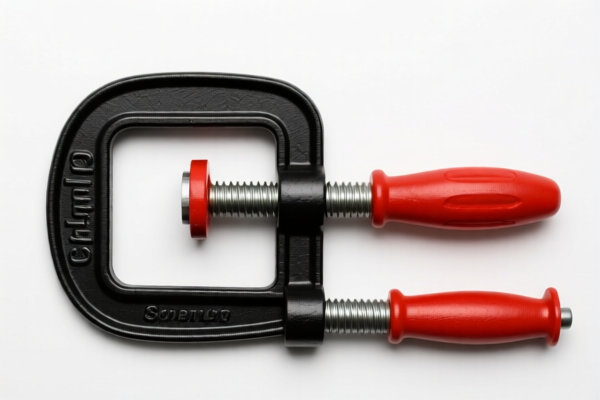
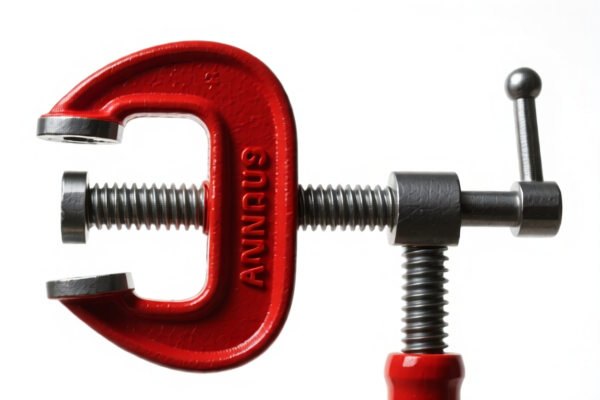
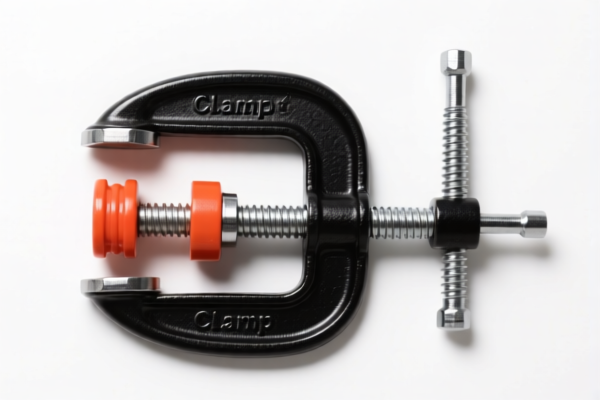
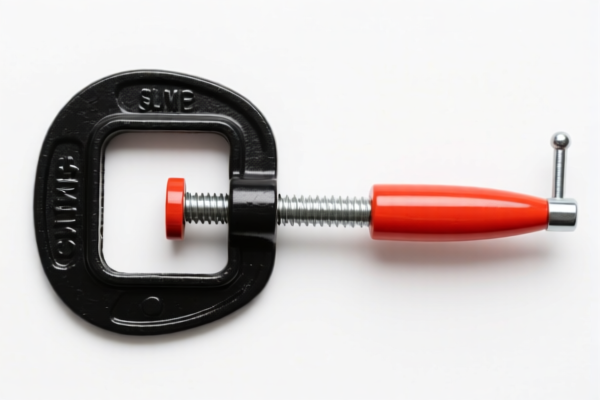
AI Analysis
🔩 Glass Clamp (Glass Clamps & Joints)
🌐 HS Code Reference & Customs Clearance Guide | 2026 Latest Tariff Analysis | Professional Clearance Strategy
📌 I. Product Definition & Classification: What Exactly is a "Glass Clamp"?
Glass clamps are critical hardware accessories used in architectural glass installations, balcony railings, shower enclosures, and display cases. Their classification depends heavily on material, function, and form.
1. Architectural Hardware (Stainless Steel/Base Metal):
Used to hold glass panels in place on frames or walls. These are classified as "Fittings for Buildings."
2. Manual Tools (Iron/Steel Pliers):
Tools specifically designed to grip glass or other objects during cutting or installation. These are classified as "Hand Tools."
⚠️ Key Distinction Point:
- If the item is a static fixture (screwed into a wall/frame to hold glass permanently) → It is Building Hardware (Chapter 83).
- If the item is a hand tool (held by hand to grip/clamp during work) → It is Hand Tool (Chapter 82 or 83).
- Misclassification Risk: Declaring a hand tool as building hardware (or vice versa) can lead to significant duty differences and customs delays.
📦 II. HS Code Classification Details (2026 Latest Tariff Authority Comparison)
Based on the provided data, here are the valid classifications for "Glass Clamp" items, ranging from architectural fittings to manual tools.
| HS Code | Product Description | Applicability | Material/Type |
|---|---|---|---|
8302.41.60.80 |
Base metal fittings for buildings (Other) | Architectural Use: Fixtures that hold glass in place (e.g., shower door hinges/clamps, balcony brackets). | Stainless Steel / Base Metal |
7326.19.00.10 |
Other articles of iron or steel | Industrial/General: If the clamp is a forged/stamped steel item not fitting specific tool definitions. | Forged/Stamped Steel |
8203.20.60.60 |
Pliers (Hand Tools) | Tool Use: If the "clamp" is actually a pair of pliers used for gripping. | Iron/Steel Hand Tool |
8205.59.55.60 |
Other Hand Tools | Tool Use: Generic hand tools for gripping/clamping operations. | Iron/Steel Hand Tool |
7326.19.00.80 |
Other articles of iron or steel | Industrial/General: Similar to .10 but different sub-category for stamped/forged items. | Forged/Stamped Steel |
8203.20.60.30 |
Pliers (Hand Tools) | Tool Use: Specific sub-category for pliers. | Iron/Steel Hand Tool |
8205.70.00.90 |
Vices, clamps and the like | Tool Use: Specifically lists "Clamps" under hand tools. | Iron/Steel Hand Tool |
🔍 Critical Note:
- Architectural Clamps (fixed to structure) fall under 8302.
- Gripping Clamps/Pliers (held in hand) fall under 8203, 8205, or 7326.
- Do not mix: A "glass holder" for a shower is not a "hand clamp" for workers.
💰 III. 2026 Latest Tariff Rate Breakdown (Including Surcharge & Policy Add-ons)
✅ Applicable Country: United States (US)
✅ Origin: China (CN)
✅ Effective Time: 2025/2026 (Current Trade War Tariffs)
🎯 1. 8302.41.60.80 —— Base Metal Fittings for Buildings (Architectural Glass Clamps)
| Item | Content |
|---|---|
| Base Duty Rate | 3.9% (Ad Valorem) |
| Section 301 Surcharge | +25.0% |
| Section 122 Surcharge | +10.0% (Steel, Aluminum, Copper Products) |
| Section 232 Surcharge | +50.0% (Steel Articles) |
| Total Effective Tax | 88.9% |
| Tax Calculation | CIF Value × 88.9% |
| De Minimis Exemption | ❌ Not Eligible (High threshold for steel/building hardware) |
| Legal Basis Path | Section 301:8302 → Section 232:Steel → Section 122:Copper/Steel |
📌 Explanation:
- This is the most common code for fixed glass clamps used in construction.
- Extremely High Duty (88.9%): Due to multiple layers of tariffs (301 + 232 + 122), this item is heavily taxed.
- Key Trigger: Any base metal fitting for buildings made of steel from China faces this compound tariff.
🎯 2. 7326.19.00.10 & 7326.19.00.80 —— Other Articles of Iron or Steel (Industrial Clamps)
| Item | Content |
|---|---|
| Base Duty Rate | 2.9% (Ad Valorem) |
| Section 301 Surcharge | +25.0% |
| Section 122 Surcharge | +10.0% (Steel Articles) |
| Section 232 Surcharge | +50.0% (Steel Articles) |
| Total Effective Tax | 87.9% |
| Tax Calculation | CIF Value × 87.9% |
| De Minimis Exemption | ❌ Not Eligible |
| Legal Basis Path | Section 301:7326 → Section 232:Steel → Section 122:Steel |
📌 Explanation:
- If the clamp is classified as a general steel article (not specifically a "fitting" or "tool"), it still incurs the full stack of tariffs.
- The difference between 88.9% and 87.9% is minimal, but the 3.9% vs 2.9% base rate matters slightly for high-value shipments.
🎯 3. 8203.20.60.60 & 8203.20.60.30 —— Pliers (Hand Tool Glass Clamps)
| Item | Content |
|---|---|
| Base Duty Rate | 12¢/doz. + 5.5% (Compound Rate) |
| Section 301 Surcharge | +25.0% |
| Section 122 Surcharge | +10.0% |
| Total Effective Tax | ~35.0% + Per Unit Fee |
| Tax Calculation | (CIF × 30.5%) + (12¢ per dozen) |
| De Minimis Exemption | ❌ Not Eligible |
| Legal Basis Path | Section 301:8203 → Section 122 |
📌 Explanation:
- If your "Glass Clamp" is actually a pair of pliers (hand tool) used to grip glass, it may fall here.
- Lower Duty: ~35% total is significantly cheaper than the ~88% for building fittings.
- Risk: Customs will inspect if it’s truly a tool or a fixture. Misdeclaring a fixed clamp as a tool is fraud.
🎯 4. 8205.59.55.60 & 8205.70.00.90 —— Other Hand Tools / Vices & Clamps
| Item | Content |
|---|---|
| Base Duty Rate | 5.0% - 5.3% (Ad Valorem) |
| Section 301 Surcharge | +25.0% |
| Section 122 Surcharge | +10.0% |
| Total Effective Tax | 40.0% - 40.3% |
| Tax Calculation | CIF Value × ~40% |
| De Minimis Exemption | ❌ Not Eligible |
| Legal Basis Path | Section 301:8205 → Section 122 |
📌 Explanation:
-8205.70.00.90explicitly mentions "Clamps" as hand tools.
- If your product is a C-clamp, G-clamp, or locking plier used for holding glass during work, this code offers a much lower duty (40%) compared to architectural fittings (88.9%).
- Strategy: If the product can be legally defined as a hand tool, this is the optimal classification.
🛠️ IV. Customs Clearance Practical Advice (Operational Pitfall Guide)
✅ 1. Preparation Checklist (Must-Have Documents)
| Document | Mandatory? | Description |
|---|---|---|
| ✅ Product Photographs | ✔️ | Clear images showing if it’s a fixed fixture (screws/holes) or a handheld tool (handles/grips). |
| ✅ Technical Data Sheet | ✔️ | Specify: "Architectural Glass Fitting" vs. "Hand Tool Plier." Include material (Stainless Steel 304/316). |
| ✅ Commercial Invoice | ✔️ | Must match the HS Code description exactly. Do not use vague terms like "Hardware." |
| ✅ Bill of Lading | ✔️ | Ensure weight and dimensions are accurate for duty calculation. |
| ✅ Country of Origin Certificate | ✔️ | Confirm China origin triggers the surcharges. |
✅ 2. Declaration Strategy (Key Formulas)
🔥 "Fixture is Building, Tool is Hand Tool; Don't Mix, Or You Pay Double!"
| Scenario | Correct Declaration | Wrong Declaration | Result |
|---|---|---|---|
| Shower Door Glass Clamp | 8302.41.60.80 (Building Fitting) |
8205.70.00.90 (Hand Tool) |
88.9% Duty (Correct) vs. Smuggling Risk |
| Pliers for Cutting Glass | 8203.20.60.60 (Pliers) |
8302.41.60.80 (Building Fitting) |
~35% Duty (Optimal) |
| C-Clamp for Holding Glass | 8205.70.00.90 (Hand Tool Clamp) |
8302.41.60.80 |
~40% Duty (Optimal) |
| General Steel Bracket | 7326.19.00.10 |
Any Other | 87.9% Duty (High but Safe) |
✅ 3. Special Handling for Steel Products
| Situation | Handling Advice |
|---|---|
| Material is Stainless Steel | Ensure it is declared as "Base Metal" or "Steel" appropriately. Section 232 applies to all steel, including stainless, from China. |
| Coated/Painted Clamps | Still subject to the same tariffs. The coating does not exempt you from Section 232/301. |
| Packaged Kits (Clamp + Screw + Glass) | Declare as the primary article. If the clamp is the main function, use the clamp’s HS Code. Do not split the shipment to avoid "splitting" penalties. |
🌍 V. Global Market Clearance Comparison (2026 Latest)
| Country/Region | Recommended HS Code | Estimated Duty | Certification | Notes |
|---|---|---|---|---|
| 🇺🇸 USA | 8302.41.60.80 (Fitting) or 8205.70 (Tool) |
40% - 88.9% | N/A (Standard) | Highest duty market. Section 232/301/122 stack heavily. |
| 🇨🇳 China | 8302.41.60.80 |
~5-10% | CCC (if applicable) | Lower import duties, but export policies may vary. |
| 🇪🇺 EU | 8302.41 (Fitting) |
~2-4% | CE/REACH (if chemical parts) | No Section 232 equivalent, but anti-dumping may apply to steel. |
| 🇯🇵 Japan | 8302.41 (Fitting) |
~3-5% | JIS Standard | Generally lower barriers for building hardware. |
📌 Conclusion:
- USA is the most expensive market due to overlapping steel tariffs.
- Strategic Tip: If your product is a hand tool (not fixed to the building), use HS 8205.70.00.90 to save ~49% in duties compared to architectural fittings.
📌 VI. Common Errors & Pitfalls (Lessons from Blood and Tears)
❌ Error 1: Declaring Architectural Glass Clamps as Hand Tools (8205.70)
👉 Consequence: Customs inspection reveals screws/hollows for mounting. 88.9% Duty applied + Penalties.
❌ Error 2: Declaring Hand Tool Pliers as Building Fittings (8302.41)
👉 Consequence: You pay 88.9% duty instead of ~35%. Profit wiped out.
❌ Error 3: Ignoring Section 232 on Stainless Steel
👉 Consequence: Stainless steel from China still incurs 50% surcharge. Underquoting cost leads to budget failure.
✅ Correct Practice:
"Stainless Steel Glass Clamp, Model XYZ, for Architectural Installation, Includes Mounting Hardware."
OR
"Heavy-Duty Locking Pliers, Hand Tool, for Glass Handling, No Mounting Holes."
🎯 VII. Conclusion: Professional Declaration, Save Costs!
🎯 Remember the Mantra:
🔹 "Fixed is Fitting (88%), Hand is Tool (40%)."
🔹 "Steel from China: Pay the Stack (301+232+122)."
🔹 "Check the Holes: Holes = Fitting, Handles = Tool."
📌 Pro Tip:
If your glass clamps are made in Vietnam or Mexico, you may avoid the Section 232 and 301 tariffs.
Recommendation:
📞 Apply for Advance Ruling from US Customs if unsure about classification.
📸 Provide Clear Photos showing use-case (Fixed vs. Handheld).
🚀 Optimize for Tool Classification if possible to save nearly 50% in duties.
✨ Professional clearance starts with precise classification!
💼 Every percentage point of duty is a point of profit!
Customer Reviews
About HS Code Classification
The Harmonized System (HS) is an internationally standardized nomenclature developed by the World Customs Organization (WCO) to classify traded products. Over 200 countries use the HS system as the basis for customs tariffs, trade statistics, and import/export regulations.
Each HS code follows a hierarchical structure:
- Chapter (2 digits) — Broad category of goods (e.g., Chapter 84: Machinery and Mechanical Appliances)
- Heading (4 digits) — More specific grouping within the chapter
- Subheading (6 digits) — Internationally standardized breakdown, used by all WCO member countries
- National subdivisions (8-10 digits) — Country-specific extensions for further classification, such as US HTSUS 10-digit codes
Correct HS code classification is essential for smooth customs clearance, accurate duty payment, and compliance with trade regulations. Misclassification can lead to customs delays, overpayment of duties, or penalties.
When importing from CN to US, the applicable tariff rates may include:
- Most-Favored-Nation (MFN) rate — The standard duty rate applied to WTO members
- General rate — Applied to countries without trade agreements
- Trade remedy duties — Additional tariffs such as Section 301 (anti-dumping), Section 232 (national security), or countervailing duties
The information provided on this page is for reference purposes only. For official classification, please consult with your local customs authority or a licensed customs broker.