Glass Containers
CN → US| HS Code | Tariff Rate | Origin | Destination | Doc |
|---|---|---|---|---|
| 7010905039 | 35.0% | CN | US | Official Doc |
| 7010905025 | 35.0% | CN | US | Official Doc |
| 7013492090 | 32.5% | CN | US | Official Doc |
| 7013495090 | 25.0% | CN | US | Official Doc |
| 7020006000 | 40.0% | CN | US | Official Doc |
Product Images
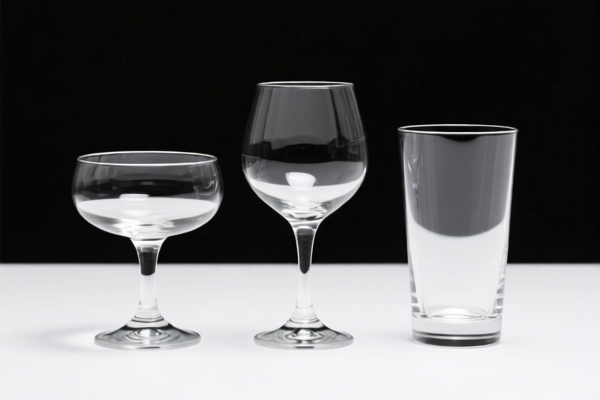
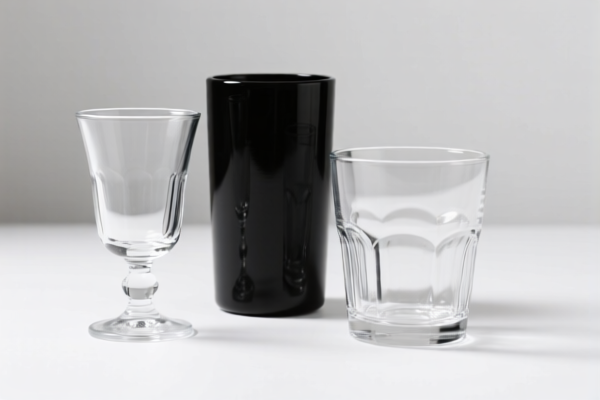
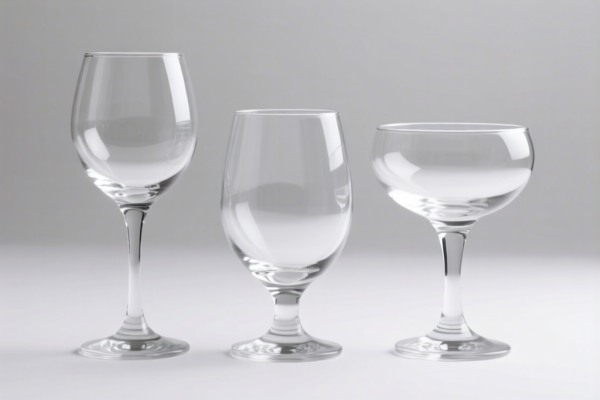
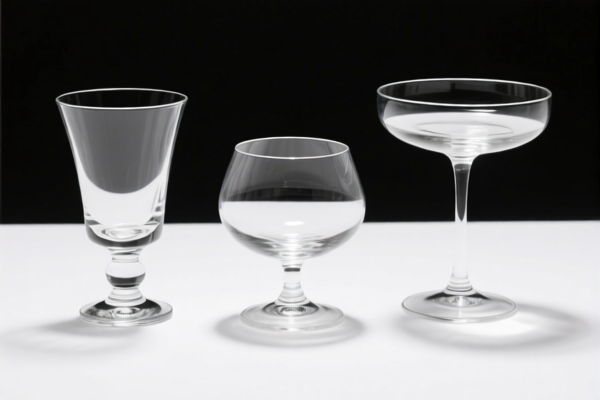
AI Analysis
🫙 Glass Containers (Glass Jars/Canisters)
🌐 HS Code Reference & Customs Clearance Guide | 2026 Latest Tariff Analysis | Professional Clearance Strategy
📌 I. Product Definition & Classification: Understanding "Glass Containers"
Glass containers are versatile packaging solutions used for food, beverages, cosmetics, and industrial products. In international trade, the classification depends heavily on form (jar, bottle, ampoule), use (tableware vs. packaging), and material specifics.
Key Classification Logic:
- Packaging Vessels (7010): Jars, bottles, flasks, and similar containers, whether or not stoppered or cored, but not of a kind used as tableware.
- Tableware/Kitchenware (7013): Articles of glassware for table, kitchen, toilet, or office purposes (e.g., jars used specifically as storage containers in a kitchen setting that resemble tableware).
- Other Glass Articles (7020): General glass items that do not fit into specific headings like 7010 or 7013.
⚠️ Critical Distinction:
- If the item is clearly a container/jar for storage/packaging (e.g., mason jars, cosmetic jars), it leans toward 7010.
- If the item is designed primarily as tableware/kitchenware (e.g., elegant glass canisters for the dining table), it leans toward 7013.
- If the item is ambiguous or fits none of the above specific uses, it may fall under 7020.
📦 II. HS Code Classification Details (2026 Latest Tariff Concordance)
Based on the provided data for "Glass Containers" (玻璃罐), here are the precise classifications:
| HS Code | Product Description | Application Scenario | Conflict Analysis |
|---|---|---|---|
7010.90.50.39 |
Glass Jars, Material: Glass, Form: Jar, Matching Container Scope | General purpose glass jars/packaging | ✅ Match: Explicitly matches "Container Scope" |
7010.90.50.25 |
Glass Jars, Material: Glass, Form: Container/Jar | Default match when description is missing | ✅ Match: Priority match for missing descriptions |
7013.49.20.90 |
Glass Jars, Material: Glass, Use: Tableware/Kitchen | Elegant glass jars for table/kitchen use | ✅ Match: No conflict, specific use case |
7013.49.50.90 |
Glass Jars, Material: Glass, Use: Kitchen/Tableware | General kitchen/tableware glassware | ✅ Match: No conflict, specific use case |
7020.00.60.00 |
Glass Jars, Material: Glass, Category: Other Glass Articles | Miscellaneous glass items not fitting 7010/7013 | ✅ Match: No material conflict, fallback category |
🔍 Key Insight:
- 7010 vs. 7013: The main debate is usually between "Packaging" (7010) and "Tableware" (7013).
- 7010.90.50.25 is a default fallback if specific details are missing.
- 7013.49.x.x applies if the jar is marketed/used as tableware (e.g., high-end honey jars for the breakfast table).
💰 III. 2026 Latest Tariff Rate Breakdown (Including Surtaxes & Policy Add-ons)
✅ Applicable Country: United States (US)
✅ Country of Origin: China (CN)
✅ Effective Date: 2025/2026 Current Rates
🎯 1. 7010.90.50.39 & 7010.90.50.25 —— Glass Containers (Packaging Focus)
| Item | Details |
|---|---|
| Base Tariff | 0.0% |
| Section 301 Surtax | +25.0% |
| Section 122 Surtax | +10.0% |
| Total Tariff Rate | 35.0% |
| Tax Calculation | CIF Value × 35% |
| De Minimis Eligibility | ❌ No (Subject to high surtaxes) |
| Legal Basis | Base: 0% + Section 301: 25% + Section 122: 10% |
📌 Explanation:
- These codes are classified under 7010 (Glass containers), which often have low base tariffs.
- However, due to Section 301 (25%) and Section 122 (10%), the effective rate is 35%.
- Risk: High combined surtax. Ensure documentation clearly supports "packaging container" status to avoid misclassification.
🎯 2. 7013.49.20.90 & 7013.49.50.90 —— Glass Tableware/Kitchenware
| Item | Details |
|---|---|
| Base Tariff | 22.5% (7013.49.20.90) / 15.0% (7013.49.50.90) |
| Section 301 Surtax | 0.0% (Note: Base tax already includes trade measures) |
| Section 122 Surtax | +10.0% |
| Total Tariff Rate | 32.5% (7013.49.20.90) / 25.0% (7013.49.50.90) |
| Tax Calculation | CIF Value × Rate |
| De Minimis Eligibility | ❌ No |
📌 Explanation:
-7013.49.50.90offers the lowest total rate (25%) if the product can be convincingly classified as "kitchen/tableware glassware."
-7013.49.20.90is slightly higher at 32.5%.
- Strategy: If the jars are marketed as "tabletop storage" or "kitchen canisters," argue for 7013 classification to potentially lower the total tax burden compared to 7010.
🎯 3. 7020.00.60.00 —— Other Glass Articles
| Item | Details |
|---|---|
| Base Tariff | 5.0% |
| Section 301 Surtax | +25.0% |
| Section 122 Surtax | +10.0% |
| Total Tariff Rate | 40.0% |
| Tax Calculation | CIF Value × 40% |
| De Minimis Eligibility | ❌ No |
📌 Explanation:
- This is the highest total rate (40%).
- Only use this if the product does not fit neatly into 7010 (containers) or 7013 (tableware).
- Avoid this classification if possible due to high costs.
🛠️ IV. Customs Clearance Practical Advice (Battle-Tested Guide)
✅ 1. Documentation Checklist (Essential)
| Document | Required? | Notes |
|---|---|---|
| ✅ Product Specification Sheet | ✔️ | Must detail: Material (100% Glass), Form (Jar/Canister), Capacity, Intended Use |
| ✅ Product Photos | ✔️ | Clear images showing shape, closure, and labeling |
| ✅ Commercial Invoice | ✔️ | Describe as "Glass Jar for Packaging" or "Glass Kitchen Canister" depending on target HS |
| ✅ Origin Certificate (CO) | ✔️ | Required for verifying Country of Origin (China) |
| ✅ Usage Declaration | ✔️ | Statement confirming if it’s for commercial packaging (7010) or consumer tableware (7013) |
✅ 2. Classification Strategy (Key Tips)
🔥 "Form Defines Function, Description Drives Classification!"
| Scenario | Recommended HS Code | Reason |
|---|---|---|
| Bulk Packaging Jars (e.g., honey jars, cosmetic jars) | 7010.90.50.39 or 7010.90.50.25 |
Clearly "containers" for commercial use |
| Kitchen Storage Canisters (e.g., tea, coffee jars for home use) | 7013.49.50.90 |
Classified as "kitchenware" → Lower Tax (25%) |
| Table Display Jars (e.g., elegant jam jars for dining table) | 7013.49.20.90 |
Classified as "tableware" → Mid Tax (32.5%) |
| Ambiguous/Miscellaneous Glass Items | 7020.00.60.00 |
Fallback → Highest Tax (40%) |
📌 Pro Tip:
If you can market your glass jars as "Kitchen Storage Canisters" or "Tabletop Storage Containers," argue for 7013.49.50.90 to save 10% in tariffs compared to the 7010 classification!
✅ 3. Special Considerations
| Situation | Handling Advice |
|---|---|
| Mixed Shipment (Jars + Lids) | Declare jars and lids separately if possible. Lids may have different HS codes (e.g., 7323 or 3924) |
| Custom Embossed/Printed Jars | Ensure description matches the primary function. Custom branding does not change HS code |
| Small Samples (De Minimis) | ❌ Do Not Rely on De Minimis: With 25%+ surtaxes, even small shipments are scrutinized. Proper declaration is critical |
| Anti-Dumping/Countervailing | Check if specific glass containers are subject to additional trade remedies beyond Section 301/122 |
🌍 V. Global Market Comparison (2026 Update)
| Market | Recommended HS Code | Est. Total Duty | Notes |
|---|---|---|---|
| 🇺🇸 USA | 7013.49.50.90 |
25.0% | Best option for kitchen/tableware-style jars |
| 🇺🇸 USA | 7010.90.50.25 |
35.0% | Standard for packaging jars |
| 🇪🇺 EU | 7013.49.50.90 |
Varies (0-12%) | No Section 301/122. Check EU specific duties |
| 🇨🇳 China | 7013.49.50.90 |
15.0% | Base rate only, no surtaxes |
| 🇬🇧 UK | 7013.49.50.90 |
Varies | Post-Brexit tariffs apply |
📌 Conclusion:
- USA: Tariffs are heavily influenced by trade policies (301/122). Classification as 7013 (Kitchenware) can save 10% vs. 7010 (Packaging).
- EU/UK: No Section 301/122 surtaxes. Base rates are lower.
📌 VI. Common Mistakes & Pitfalls (Lessons Learned)
❌ Mistake 1: Calling all glass jars "Glass Containers" without specifying use
👉 Consequence: Customs may default to 7010 (35%) instead of 7013 (25%).
👉 Fix: Specify "Kitchen Canister" or "Table Jar" in description.
❌ Mistake 2: Using 7020.00.60.00 for standard jars
👉 Consequence: Paying 40% tax unnecessarily.
👉 Fix: Ensure the jar fits into 7010 or 7013 definitions.
❌ Mistake 3: Ignoring Section 122 Surtax
👉 Consequence: Underestimating total cost by 10%.
👉 Fix: Include 10% Section 122 in all financial projections.
❌ Mistake 4: Misdeclaring "Glass Tableware" for actual packaging
👉 Consequence: Customs audit, penalties, and potential retroactive taxes.
👉 Fix: Only use 7013 if the item is genuinely intended for table/kitchen use.
🎯 VII. Conclusion: Smart Classification Saves Money!
🎯 Key Takeaway:
🔹 "Kitchen Jar = 7013 (25%)"
🔹 "Packaging Jar = 7010 (35%)"
🔹 "Other Glass = 7020 (40%)"
Choose wisely to save 10-15% in tariffs!
📌 Final Advice:
- If your glass jars are for consumer storage (coffee, tea, spices), declare them as Kitchen/Tableware (7013) to benefit from lower total taxes.
- If they are for commercial packaging (cosmetics, food processing), expect 7010 classification and a 35% total tax rate.
- Always provide clear product descriptions and photos to support your chosen HS code.
📣 Immediate Action:
📞 Consult with a customs broker to confirm the intended use of your glass containers.
📄 Update your commercial invoice description to reflect "Kitchen Canister" or "Glass Jar for Storage" to support 7013 classification if applicable.
🚀 Optimize your supply chain cost with precise HS Code classification!
✨ Professional Customs Clearance Starts with Accurate Classification!
💼 Every percentage point counts in global trade!
Customer Reviews
About HS Code Classification
The Harmonized System (HS) is an internationally standardized nomenclature developed by the World Customs Organization (WCO) to classify traded products. Over 200 countries use the HS system as the basis for customs tariffs, trade statistics, and import/export regulations.
Each HS code follows a hierarchical structure:
- Chapter (2 digits) — Broad category of goods (e.g., Chapter 84: Machinery and Mechanical Appliances)
- Heading (4 digits) — More specific grouping within the chapter
- Subheading (6 digits) — Internationally standardized breakdown, used by all WCO member countries
- National subdivisions (8-10 digits) — Country-specific extensions for further classification, such as US HTSUS 10-digit codes
Correct HS code classification is essential for smooth customs clearance, accurate duty payment, and compliance with trade regulations. Misclassification can lead to customs delays, overpayment of duties, or penalties.
When importing from CN to US, the applicable tariff rates may include:
- Most-Favored-Nation (MFN) rate — The standard duty rate applied to WTO members
- General rate — Applied to countries without trade agreements
- Trade remedy duties — Additional tariffs such as Section 301 (anti-dumping), Section 232 (national security), or countervailing duties
The information provided on this page is for reference purposes only. For official classification, please consult with your local customs authority or a licensed customs broker.