Glass Jar
CN → US| HS Code | Tariff Rate | Origin | Destination | Doc |
|---|---|---|---|---|
| 7010905039 | 35.0% | CN | US | Official Doc |
| 7010905025 | 35.0% | CN | US | Official Doc |
| 7013492090 | 32.5% | CN | US | Official Doc |
| 7013495090 | 25.0% | CN | US | Official Doc |
| 7020006000 | 40.0% | CN | US | Official Doc |
Product Images
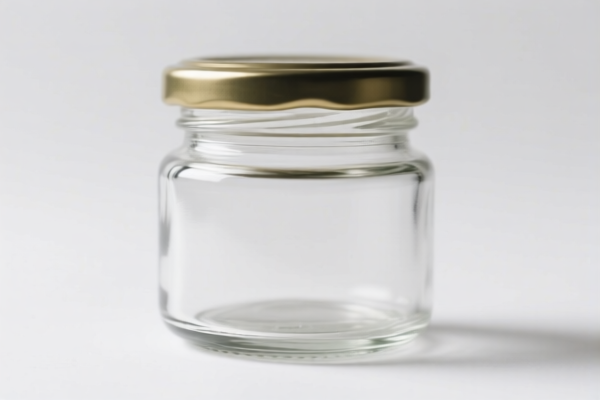


AI Analysis
🏺 Glass Jar (Glass Container)
🌐 HS Code Reference & Clearance Guide | 2026 Tariff Breakdown | Strategic Customs Strategy
📌 I. Product Definition & Classification: Do You Know What a "Glass Jar" Really Is?
A Glass Jar is a ubiquitous packaging solution used in the food, beverage, pharmaceutical, cosmetic, and industrial sectors. In international trade, its classification depends strictly on its function and design:
- Preservation/Storage Containers: Jars specifically designed for packaging goods (e.g., food jars, preserving jars).
- Tableware/Kitchenware: Jars used directly for serving, eating, or kitchen preparation (e.g., salad bowls, drinking vessels, decorative jars).
- General Glass Articles: Jars that do not fit specific "container" or "tableware" definitions, often categorized under "other glass articles."
⚠️ Critical Distinction Point:
- Purpose Matters: If it's a jar for storing food/drinks (preservation) → Likely 7010.
- Usage Matters: If it's a jar for serving or eating (table setting) → Likely 7013.
- General Use: If it's a jar for non-specific storage or industrial use → Likely 7020.
📦 II. HS Code Classification Details (2026 Latest Tariff Schedule)
Based on the specific characteristics of "Glass Jar," here are the precise classifications and their tax implications:
| HS Code | Product Description (Summary) | Primary Application | Tax Rate (Total) |
|---|---|---|---|
7010.90.50.39 |
Glass Material, Jar Form, Matches Container Range | Preservation/Storage: Jars designed specifically to hold and preserve goods (e.g., canning jars, preserve jars). | 35.0% |
7010.90.50.25 |
Glass Material, Container/Jar Form, Description Priority | General Containers: Glass jars where the specific usage is missing or generic; "Container/Jar" is the key descriptor. | 35.0% |
7013.49.20.90 |
Glass Material, Tableware or Kitchen Utensils | Dining/Serving: Jars used as bowls, cups, or kitchen vessels for serving food/drink at the table. | 32.5% |
7013.49.50.90 |
Glass Material, Kitchen/Tableware Glass Products | Kitchen/Dining: Decorative or functional glass items for kitchen/table use (broader than specific utensils). | 25.0% |
7020.00.60.00 |
Glass Material, Other Glass Articles Category | Miscellaneous: Jars that don't fit "container" or "tableware" strictly (e.g., decorative vases, lab glass, industrial jars). | 40.0% |
7020.00.40.00 |
Glass Material, Containers (Other Glass Articles) | Specific Storage: Containers categorized under "Other Glass Articles" but still serving a storage function. | 41.6% |
🔍 Key Reminder:
- "Container" (7010) vs. "Tableware" (7013) is the biggest split. If the jar is for storage (like a canning jar), use 7010. If it's for eating/serving (like a fruit jar on a breakfast table), use 7013. - Missing Description: If your invoice just says "Glass Jar" without specifying usage, customs will likely default to the "Container" (7010) category or the 7020 category depending on the specific form, often triggering the higher 35%-41.6% rates due to the "priority match" rule.
💰 III. 2026 Tariff Rate Breakdown (Including Surcharges & Policy Add-ons)
✅ Applicable Country: United States (US)
✅ Origin: China (CN)
✅ Effective Date: 2025 November 10 onwards (including subsequent imports)
🎯 1. Classification: 7010.90.50.39 & 7010.90.50.25 (Storage Containers)
Target: Food preservation jars, chemical storage jars.
| Item | Content |
|---|---|
| Base Duty Rate | 0.0% (ad valorem) |
| Section 301 Additional Duty | +25.0% (China-specific "Add-on" Tariff) |
| Section 122 Tariff (IEEPA) | +10.0% (China/HK specific, effective from Nov 2025) |
| Total Tax Rate | 35.0% |
| Tax Calculation | CIF Value × 35% |
| De Minimis Exemption? | ❌ No (Not eligible for Section 321 $800 de minimis) |
| Legal Path | Section 301 → 122 Clause → 7010.90.50.xx |
📌 Explanation:
- These jars are classified as "Containers for transport/packing". - The 25% is the standard USITC Section 301 surcharge. - The 10% is the additional Section 122 tariff. - Total = 35%. This is the standard rate for glass storage jars from China.
🎯 2. Classification: 7013.49.20.90 & 7013.49.50.90 (Tableware/Kitchen)
Target: Glass bowls, serving jars, drinking vessels.
| Item | Content |
|---|---|
| Base Duty Rate | 15.0% - 22.5% (Varies by specific sub-category) |
| Section 301 Additional Duty | 0.0% (No Section 301 surcharge for Tableware in this range) |
| Section 122 Tariff (IEEPA) | +10.0% (China/HK specific) |
| Total Tax Rate | 25.0% - 32.5% |
| Tax Calculation | CIF Value × (25% ~ 32.5%) |
| De Minimis Exemption? | ❌ No |
| Legal Path | 122 Clause → 7013.49.xx |
📌 Explanation:
- Tableware (7013) enjoys a 0% Section 301 surcharge, making it cheaper than storage containers! - However, the Base Duty is higher (15% or 22.5%) compared to 7010 (0%). - Net Result:
- 7013.49.20.90: 22.5% (Base) + 10% (122) = 32.5% - 7013.49.50.90: 15.0% (Base) + 10% (122) = 25.0% ← Lowest Tax Option for Glass Jars!
🎯 3. Classification: 7020.00.60.00 & 7020.00.40.00 (Other Glass Articles)
Target: Miscellaneous, decorative, or industrial glass items.
| Item | Content |
|---|---|
| Base Duty Rate | 5.0% - 6.6% |
| Section 301 Additional Duty | +25.0% (High surcharge applied) |
| Section 122 Tariff (IEEPA) | +10.0% |
| Total Tax Rate | 40.0% - 41.6% |
| Tax Calculation | CIF Value × (40% ~ 41.6%) |
| De Minimis Exemption? | ❌ No |
| Legal Path | Section 301 + 122 Clause → 7020.00.xx |
📌 Explanation:
- These fall under "Other Glass Articles". - They suffer from BOTH the 25% Section 301 surcharge AND the base duty. - Total = 40% - 41.6%. This is the Highest Tax Tier for glass jars. Avoid this classification unless necessary.
🛠️ IV. Practical Clearance Advice (Avoid Pitfalls)
✅ 1. Preparation Checklist (Must Have)
| Document | Required? | Details |
|---|---|---|
| ✅ Product Specification Sheet | ✔️ | Must specify: Is it for storage (7010) or eating (7013)? |
| ✅ Photos (Clear & Detailed) | ✔️ | Show the jar shape, mouth size, and usage context (e.g., "used for jam" vs. "used for cereal"). |
| ✅ Commercial Invoice | ✔️ | Critical: Explicitly state "Glass Jars for [Food Storage]" or "Glass Serving Bowls". Do NOT just write "Glass Jar". |
| ✅ Country of Origin Cert | ✔️ | Essential for 122 Clause (10%) verification. |
| ✅ Packaging List | ✔️ | Ensure no "mix-ups" between storage jars and tableware in the same shipment. |
✅ 2. Declaration Strategy (Key Mantra)
🔥 "Usage Defines Code, Storage = 7010, Dining = 7013, 'Other' is a Trap!"
| Scenario | Correct Declaration | Wrong Declaration | Consequence |
|---|---|---|---|
| Jam/Preserve Jars | 7010.90.50.39 (Container) |
Declared as "Tableware" | Over-declaration risk: Customs may force 7010 → 35% |
| Breakfast Bowls | 7013.49.50.90 (Tableware) |
Declared as "Container" | Under-declaration risk: 25% vs 35% (If caught, penalty!) |
| Generic "Glass Jar" | Avoid 7020! | Declared as 7020.00.60.00 |
High Tax: 40%+ (Avoid unless truly non-functional) |
| Unknown Usage | 7010.90.50.25 |
7020.00.40.00 |
Safe Bet: 35% (Priority match for "Container") |
✅ 3. Special Cases Handling
| Case | Suggested Action |
|---|---|
| OEM Custom Jars | Provide client order + design drawings. If designed for a specific brand's product, it's a 7010 container. |
| Jars with Lids/Seals | If the jar is sold with a lid specifically for preservation → 7010. If sold without → Still 7010 if intent is storage. |
| Decorative Jars | If the jar is not for food (e.g., candle holder) → Could be 7020 (but high tax). Better to market as 7013 if possible? Caution: Risk of audit. |
| Mixed Shipment | DO NOT MIX. Separate 7010 and 7013 on separate invoices/manifests to avoid confusion. |
🌍 V. Global Market Comparison (2026)
| Market | Recommended HS Code | Approx. Duty (China) | Notes |
|---|---|---|---|
| 🇺🇸 USA | 7010 or 7013.49.50.90 |
25% - 35% | 122 Clause (10%) + 301 (25%) applies heavily. |
| 🇪🇺 EU | 7010 / 7013 |
0% - 4% | No Section 301/122. Usually lower tax. |
| 🇨🇦 Canada | 7010 / 7013 |
5% - 8% | No major surcharges for glass. |
| 🇯🇵 Japan | 7010 / 7013 |
6% - 10% | No surcharges. |
📌 Conclusion:
- USA is the only market imposing the 35%-41.6% tax block on glass jars. - Strategy: If the jar can be marketed as Tableware (7013), aim for 25.0% (lowest possible). If forced to be Container (7010), expect 35.0%. - Avoid 7020 at all costs for commercial jars; the 40%+ tax is punitive.
📌 VI. Common Mistakes & Pitfalls (Lessons Learned)
❌ Mistake 1: Writing "Glass Jar" on the invoice without specifying usage.
👉 Result: Customs defaults to 7010.90.50.25 (35%) or 7020 (41.6%).
✅ Fix: Always specify "Glass Jars for Food Preservation" or "Glass Serving Bowls".
❌ Mistake 2: Declaring "Tableware" (7013) for actual storage jars to save tax.
👉 Result: Customs audit → Reclassification to 7010 + Penalty + Back Taxes.
✅ Fix: Be honest. If it's for storage, declare 7010.
❌ Mistake 3: Ignoring the 122 Clause (10%).
👉 Result: Underestimating costs by 10%.
✅ Fix: Factor in the 10% China-specific surcharge in ALL calculations for US imports.
❌ Mistake 4: Grouping mixed products in one HS Code.
👉 Result: Delayed release, extra inspection fees.
✅ Fix: Split shipments by Function (Storage vs. Dining).
🎯 VII. Conclusion: Precision is Profit!
🎯 Remember the Mantra:
🔹 "Storage = 7010 (35%) vs. Dining = 7013 (25%) vs. Other = 7020 (40%+)"
🔹 "One word change in description can save you 10%!"
🔹 "122 Clause (10%) is mandatory for China; Don't forget it!"
📌 Pro Tip:
If your Glass Jars are OEM for a US brand and are clearly storage containers, use 7010.90.50.39 (35%).
If they are retail tableware (e.g., cereal jars, salad jars), use 7013.49.50.90 (25%) to save 10% immediately.
Never use 7020 unless you are selling non-functional decorative pieces.
📣 Act Now:
📞 Contact your customs broker to verify the exact HS Code based on product photos.
🚀 Optimize your tax, avoid penalties, and ensure smooth clearance!
✨ Professional Clearance Starts with Accurate Classification!
💼 Your Every Penny Counts in Tariff Strategy!
Customer Reviews
About HS Code Classification
The Harmonized System (HS) is an internationally standardized nomenclature developed by the World Customs Organization (WCO) to classify traded products. Over 200 countries use the HS system as the basis for customs tariffs, trade statistics, and import/export regulations.
Each HS code follows a hierarchical structure:
- Chapter (2 digits) — Broad category of goods (e.g., Chapter 84: Machinery and Mechanical Appliances)
- Heading (4 digits) — More specific grouping within the chapter
- Subheading (6 digits) — Internationally standardized breakdown, used by all WCO member countries
- National subdivisions (8-10 digits) — Country-specific extensions for further classification, such as US HTSUS 10-digit codes
Correct HS code classification is essential for smooth customs clearance, accurate duty payment, and compliance with trade regulations. Misclassification can lead to customs delays, overpayment of duties, or penalties.
When importing from CN to US, the applicable tariff rates may include:
- Most-Favored-Nation (MFN) rate — The standard duty rate applied to WTO members
- General rate — Applied to countries without trade agreements
- Trade remedy duties — Additional tariffs such as Section 301 (anti-dumping), Section 232 (national security), or countervailing duties
The information provided on this page is for reference purposes only. For official classification, please consult with your local customs authority or a licensed customs broker.